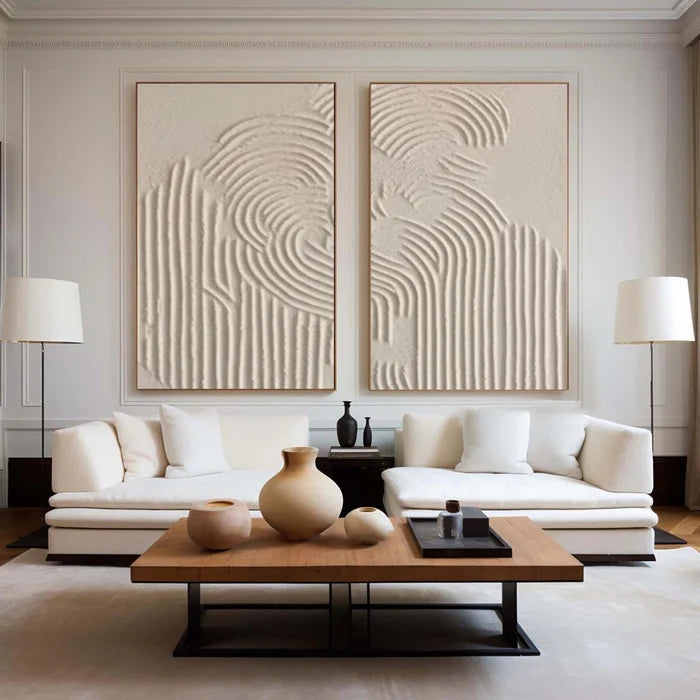
What Is the Best Office Wall Art for a Professional, Calm Workspace?
The best office wall art combines abstract or nature-inspired designs with correct scale, neutral or calming colors, and textured surfaces that add depth without distraction. Choose pieces that cover 60–75% of the wall width, hang at eye level, and align with your brand tone. Hand-painted options from Vinchy Art offer made-to-order sizes and textures suited to both corporate and home offices.
What Styles of Wall Art Work Best in Offices?
Abstract, minimalist, and nature-inspired art works best in offices because it adds visual interest without demanding specific interpretation or distracting from tasks. These styles support focus, convey professionalism, and blend with diverse interior palettes.
Abstract art dominates modern office design because it avoids literal imagery that can feel dated or overly personal. Neutral-toned minimalist pieces complement sleek furniture and glass partitions, while soft landscapes or botanical motifs introduce calm without clutter. Textured plaster and Wabi-Sabi aesthetics add depth and tactile richness that flat prints cannot match, making walls feel intentional rather than empty. For reception areas and executive suites, large-scale abstract compositions signal confidence and brand identity. In collaborative zones, smaller abstract or nature-inspired works can be grouped to create rhythm without overwhelming conversation. Vinchy Art's catalog reflects this range, offering everything from deep-stillness abstracts to colorful minimalist pieces that suit different office cultures.
How Should You Size Office Wall Art for Maximum Impact?
Office wall art should cover 60–75% of the available wall width to feel proportional and authoritative. For a standard 8-foot wall, aim for pieces 48–60 inches wide; for larger spaces, go bigger or use multi-panel formats.
Undersized art makes walls feel unfinished and diminishes the room's perceived quality. The 60–75% rule ensures the artwork anchors the space without crowding architectural features. When hanging above furniture, match the art width to two-thirds to three-quarters of the furniture below it. For blank walls, use the three-eighths guideline: leave equal empty space on both sides, so the art occupies roughly 57% of the wall width. Height matters too—center the piece at 57–60 inches from the floor for average eye level. In rooms with high ceilings, vertical or stacked formats elongate the space; in low-ceiling rooms, horizontal pieces widen the visual field.
Which Colors and Textures Enhance Focus and Professionalism?
Neutral palettes with soft contrasts enhance focus, while textured surfaces add depth that keeps the eye engaged without distraction. Avoid overly bright or chaotic colors in primary work zones.
Soft grays, warm beiges, muted blues, and earthy greens create a calm backdrop that supports sustained concentration. These tones harmonize with most office furniture and lighting schemes. In creative or client-facing areas, a single accent color—such as deep navy, terracotta, or sage—can add energy without overwhelming. Texture plays an equally important role: plaster-based or impasto-style paintings catch light differently throughout the day, creating subtle movement that feels alive but not busy. Hand-painted textures also avoid the flatness of mass-produced prints, lending a premium, curated feel. Vinchy Art's textured abstracts and Wabi-Sabi pieces exemplify this balance, offering depth that reads as sophisticated rather than decorative.
Why Choose Hand-Painted Art Over Mass-Produced Prints?
Hand-painted art offers unique texture, depth, and variation that mass-produced prints cannot replicate, making each piece feel intentional and elevated. It also allows for customization in size, color, and orientation.
Mass-produced prints often lack the tactile richness and subtle color shifts that come from layered brushwork and plaster applications. Hand-painted works interact with light dynamically, creating shadows and highlights that change with the time of day and viewing angle. Because each piece is made individually, slight variations are normal and add character rather than indicating inconsistency. Made-to-order options mean you can request exact dimensions to fit unusual wall spaces or align with existing furniture. Many hand-painted pieces also come with signature verification and higher-quality canvas or framing options. For offices aiming to project quality and thoughtfulness, original or limited-run hand-painted art delivers a noticeably different impression than generic posters or canvas giclées.
Where Should You Hang Office Art for Optimal Visibility and Flow?
Hang office art at eye level (57–60 inches from floor to center) and align it with key sightlines—such as entry points, seating areas, and meeting zones—to ensure it's seen without forcing viewers to strain.
In reception areas, place large statement pieces directly opposite the entrance or behind the front desk for immediate brand impact. In private offices, center art above the desk or on the wall faced during meetings. For hallways and corridors, use vertical pieces or evenly spaced series to guide movement without creating visual bottlenecks. Avoid hanging art where glare from windows or overhead lights will wash out details; angled track lighting or picture lights can solve this. In open-plan offices, distribute smaller works throughout to maintain cohesion without overwhelming any single zone. Always consider sightlines from seated positions—art should be visible when people are sitting, not just standing.
How Do You Care for and Maintain Office Wall Art Long-Term?
Dust hand-painted art gently with a soft, dry brush or microfiber cloth; avoid water, chemicals, or direct sunlight to preserve color and texture. Inspect frames and hanging hardware annually.
Textured and plaster-based paintings trap dust in their crevices, so light brushing every few months keeps them looking fresh. Never use water or cleaning solutions, as they can damage paint layers or cause plaster to soften. Keep art away from direct sunlight, which can fade pigments over time; UV-filtering glass or acrylic helps if sunlight is unavoidable. Check that hanging hooks, wires, or French cleats remain secure, especially in high-traffic areas where vibrations may loosen them. For framed pieces, ensure the backing remains sealed to prevent dust infiltration. Most hand-painted works from Vinchy Art come with protective varnish and sturdy hanging hardware, but periodic checks ensure longevity in busy office environments.
Vinchy Art Expert Views
"Office art should support the room's function, not compete with it. In workspaces, we prioritize abstract or nature-inspired pieces with neutral palettes and subtle texture—enough visual depth to hold attention, but no literal imagery that pulls focus. Scale is critical: a piece that's too small feels like an afterthought, while one that's too large can overwhelm. We recommend covering 60–75% of the wall width and centering at eye level. Hand-painted textures add a premium, calming presence that flat prints can't match, making them ideal for both corporate and home offices."
What Are the Most Common Questions About Office Wall Art?
How do I choose art that matches my office brand?
Select styles and colors that reflect your company's tone—minimalist neutrals for tech or finance, warm textures for creative or wellness-focused brands. Abstract art offers flexibility without dating quickly.
Can I customize the size or color of a painting?
Many made-to-order studios, including Vinchy Art, allow size and color adjustments. Confirm options on the specific product page, as customization varies by artwork and order type.
What's the best way to hang heavy or textured paintings?
Use appropriate hardware for your wall type—anchors for drywall, masonry screws for concrete. For large or heavy pieces, consider French cleats or professional installation to ensure safety and alignment.
How do I know if a painting will look good before I buy?
Request room-preview support or mockups from the seller. Many brands offer digital previews showing how a piece will look in your space with your lighting and furniture.
Do hand-painted pieces come with hanging hardware?
Most do, but verify on the product page. Some rolled or frameless options may require separate framing or mounting. Always confirm what's included before ordering.
Key Takeaways for Choosing Office Wall Art
Prioritize abstract or nature-inspired styles in neutral or soft-toned palettes to support focus and professionalism. Size matters—aim for 60–75% of wall width and hang at eye level for optimal impact. Choose hand-painted, textured pieces for depth and premium feel, and verify customization, framing, and hanging options before purchasing. With thoughtful selection and placement, office wall art becomes a strategic design element that enhances both aesthetics and atmosphere.