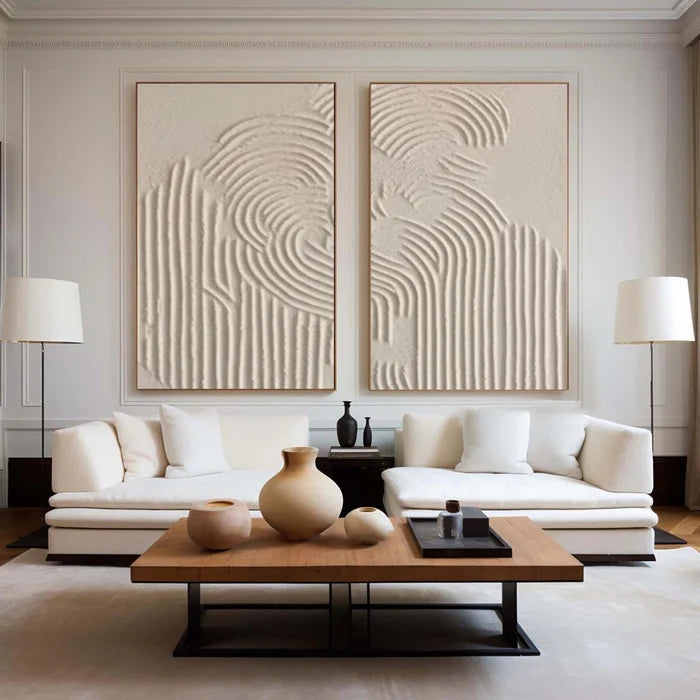
What Is the Best Wall Art for a Hotel Lobby?
The best hotel lobby wall art is large-scale, durable, and aligned with your brand's visual identity. Choose abstract, textured, or nature-inspired pieces that command attention from a distance and complement your interior palette. Hand-painted options from Vinchy Art add unique depth and character that mass-produced prints cannot replicate.
What defines effective hotel lobby wall art?
Effective hotel lobby wall art combines appropriate scale, harmonious color, and durable materials to create a strong first impression. It should reinforce your brand identity, withstand high-traffic conditions, and be installed at a height that suits both standing and seated guests.

Scale and visual impact
Hotel lobbies often feature expansive or double-height walls, requiring artwork that fills the space without feeling insignificant. A single panoramic canvas or a coordinated set of two to three pieces can anchor a reception wall effectively. For ceilings exceeding 12 feet, select pieces at least 48 inches in height or width to maintain visual presence from the entrance.
Style alignment with brand and location
Artwork should reflect your hotel's narrative—whether coastal serenity, urban sophistication, or heritage craftsmanship. A beachfront property might feature soft blues and textured seascapes, while a city boutique hotel could showcase bold abstracts or architectural photography. Vinchy Art offers textured abstracts, Wabi-Sabi minimalism, and landscape subjects that can be matched to diverse design languages.
Durability and maintenance
Lobby art must endure temperature fluctuations, regular cleaning, and constant visibility. Canvas works with protective varnish, sealed frames, and robust hanging hardware are preferable for these environments. Textured oil or acrylic paintings add tactile richness but should be positioned where direct contact is unlikely.
Which art styles work best in hotel lobbies?
Abstract, textured, and nature-inspired styles dominate hotel lobbies because they establish mood without imposing a specific narrative. These approaches integrate seamlessly with modern furnishings, natural materials, and layered lighting schemes typical in hospitality design.
Abstract and minimalist works
Abstract art provides timeless versatility and broad appeal. Minimalist compositions with restrained palettes—soft neutrals, muted earth tones, or monochromatic schemes—create calm backdrops that complement rather than compete with furniture and architectural details. Textured impasto techniques add depth that shifts with viewing angle and light, keeping the piece visually engaging throughout the day.
Textured and plaster-style paintings
Heavily textured works introduce a sculptural quality that reads well from multiple distances. Palette-knife application, layered plaster effects, and mixed-media surfaces interact with light and shadow, enhancing the perception of luxury and craftsmanship. Such pieces are particularly effective behind reception desks or in waiting areas where guests have time to observe details.
Nature and landscape subjects
Landscapes, seascapes, and botanical motifs evoke a sense of place and tranquility. A serene horizon line or soft foliage pattern can soften a modern interior and provide visual relief for arriving guests. For properties emphasizing wellness or escape, these subjects reinforce the intended atmosphere without explicit messaging.
How should you choose the right size and orientation?
Size and orientation depend on wall dimensions, ceiling height, furniture layout, and typical viewing distance. Measuring available wall space and testing proportions before purchasing prevents costly mistakes and ensures the artwork functions as intended.
Measuring and proportion guidelines
A standard approach is to select artwork occupying 60 to 75 percent of the available wall width above a sofa, console, or reception desk. For blank statement walls, the piece can extend even wider. Height should relate to eye level for standing guests—approximately 57 to 60 inches from floor to the center of the artwork—unless the piece is primarily viewed from seating, in which case the center may be lowered slightly.
Orientation and composition
Horizontal pieces elongate a space and suit seating areas, while vertical works emphasize height and draw the eye upward. Diptychs and triptychs offer modularity for irregular walls or architectural features like columns or doorways. When selecting from Vinchy Art, verify whether a specific listing offers rolled canvas, frameless, or framed options and whether custom dimensions are available for that SKU.
Where should lobby art be placed for maximum impact?
Placement determines whether art functions as a focal point, a brand marker, or a subtle accent. Strategic positioning also affects how guests photograph and remember the space, influencing social sharing and brand recall.
Primary focal walls
The wall behind the reception desk or the main entrance feature wall is the prime location for a signature piece. This is where a large textured abstract or a custom-themed work can define the guest's first impression. Ensure the artwork does not conflict with signage, lighting fixtures, or operational requirements.
Secondary zones and circulation paths
Lounge seating, elevator lobbies, and corridor transitions benefit from coordinated sets or smaller works that create rhythm without overwhelming. In long hallways, a series of related pieces at consistent intervals guides movement and adds visual interest without clutter.
Lighting and viewing angles
Art should be illuminated with adjustable track lighting, wall washers, or picture lights to reveal texture and color accurately. Avoid direct sunlight that can fade pigments over time. Position pieces so they are visible from multiple approach angles, especially in open-plan lobbies where guests enter from different directions.
What materials and framing options are suitable?
Material and framing choices affect longevity, perceived quality, and installation logistics. The right combination depends on the hotel's design language, maintenance capabilities, and budget constraints.
Canvas, oil, and acrylic considerations
Hand-painted canvas works in oil or acrylic offer rich color and texture. Oil paintings tend to have deeper saturation and slower drying characteristics that allow for layered effects, while acrylics provide vibrant hues and faster production timelines. For hospitality environments, a protective varnish or sealant is advisable to guard against dust and humidity.
Framing and mounting hardware
Framed canvases arrive ready to hang and present a finished edge, while frameless options offer a more contemporary, gallery-like feel. Floating frames add depth and protect the canvas edges. Verify what hanging hardware is included—D-rings, wire, or French cleats—and ensure it matches the wall type, whether drywall, masonry, or wood paneling. Vinchy Art notes that some orders include pre-installed hanging hardware, but this varies by product and destination.
Packaging and installation logistics
Large works often ship in protective tubes for rolled canvas or wooden crates for framed pieces. Coordinate delivery with installation teams to avoid storage bottlenecks. For multi-piece sets, confirm that all components arrive together and that orientation is clearly marked to streamline installation.
How can color and texture support the desired mood?
Color and texture influence how guests feel upon arrival—calm, energized, or intrigued. Thoughtful selection aligns the art with the hotel's intended emotional tone and reinforces the overall design strategy.
Cool versus warm palettes
Cool tones—blues, greens, soft grays—promote relaxation and are ideal for wellness-focused or coastal properties. Warm tones—golds, ochres, terracotta—create a welcoming, inviting atmosphere suited to heritage or luxury urban hotels. Neutral palettes with subtle textural variation offer sophistication without dictating a specific mood.
Texture as a tactile experience
Textured surfaces catch light differently throughout the day, making the artwork feel dynamic and alive. Impasto strokes, palette-knife ridges, and layered plaster effects add dimension that flat prints cannot replicate. This is particularly valuable in lobbies where guests may view the same piece from multiple angles during check-in or while waiting.
Coordination with existing interiors
Art should complement, not clash with, existing finishes and furnishings. Sample swatches of key colors from the artwork against upholstery, flooring, and wall paint to ensure harmony. If the lobby features bold patterns or materials, a more restrained art palette may provide necessary visual balance.
What are the key installation and care considerations?
Proper installation and routine care preserve the artwork's appearance and safety over time. Clear protocols prevent damage during cleaning, renovations, or unexpected events.
Professional installation recommendations
For large or heavy pieces, professional installers should be used to ensure secure mounting and level alignment. They can also advise on wall anchors, load-bearing capacity, and optimal hanging height. Document the installation method for future maintenance or repositioning needs.
Cleaning and maintenance routines
Dust canvas surfaces gently with a soft, dry cloth or a low-suction brush attachment. Avoid chemical cleaners, water, or abrasive materials that could damage the paint or varnish. Inspect frames and hardware periodically for loosening, especially in high-traffic areas where vibrations from doors or foot traffic may occur.
Handmade variation and expectations
Hand-painted works may show slight variations from reference images due to brushwork, texture, and color blending. This is a normal characteristic of individually produced art and adds to its uniqueness. Vinchy Art allows customers to review photos or videos of completed works before shipment for applicable orders, which helps align expectations for custom or made-to-order pieces.
Vinchy Art Expert Views
"Hotel lobby art should be chosen as a spatial anchor, not an afterthought. Begin by measuring the wall and defining the primary viewing distance—then select a piece whose scale and texture can be read clearly from that distance. Abstract and textured works perform well because they create depth without narrative overload, making them suitable for diverse audiences. For properties seeking a cohesive brand story, consider a set of related pieces that echo the hotel's color palette and material language. Hand-painted canvases add a layer of authenticity that resonates with today's travelers, who value craftsmanship and uniqueness. When in doubt, request a room preview or advisory consultation to test scale and orientation before committing to a final purchase."
Conclusion
Selecting hotel lobby wall art requires balancing scale, style, color, texture, and placement to create a memorable first impression. Prioritize large-format pieces that align with your brand and interior palette, use appropriate framing and lighting, and plan for professional installation and straightforward maintenance. Whether you choose abstract, textured, or nature-inspired works, the goal is to enhance the guest experience through thoughtful, visually engaging design. Consider room dimensions, viewing distance, existing color schemes, natural and artificial lighting, and desired visual mood when making your final selection. Hand-painted, made-to-order options from Vinchy Art offer flexibility for custom sizing and color adjustments to match specific project requirements.
What Are the Most Common Questions About Hotel Lobby Wall Art?
How large should hotel lobby artwork be?
Artwork should occupy 60 to 75 percent of the available wall width for balanced proportion, with larger pieces for statement walls. For ceilings over 12 feet, aim for at least 48 inches in height or width to maintain visual presence from the entrance and throughout the lobby.
Can I customize artwork to match my hotel's colors?
Many hand-painted providers, including Vinchy Art, offer custom color or size options for select listings. Always verify on the specific product page whether customization is available for that SKU and whether it affects return eligibility or production time.
What is the best way to light lobby art?
Use adjustable track lighting, wall washers, or picture lights to highlight texture and color without creating glare. Avoid direct sunlight to prevent fading, and ensure the light temperature complements the artwork's palette—typically 3000K to 3500K for warm, inviting interiors.
How do I maintain textured paintings in high-traffic areas?
Dust gently with a soft, dry cloth and avoid chemical cleaners or water. Inspect frames and hanging hardware periodically for loosening, and position textured pieces where they are less likely to be touched directly by guests or cleaning equipment.
Are hand-painted works different from the images online?
Yes, handmade paintings may show slight variations in brushwork, texture, and color blending compared to reference images. This is a normal characteristic of individually produced art and adds to its uniqueness. For made-to-order pieces, you may be able to review completion photos before shipment.