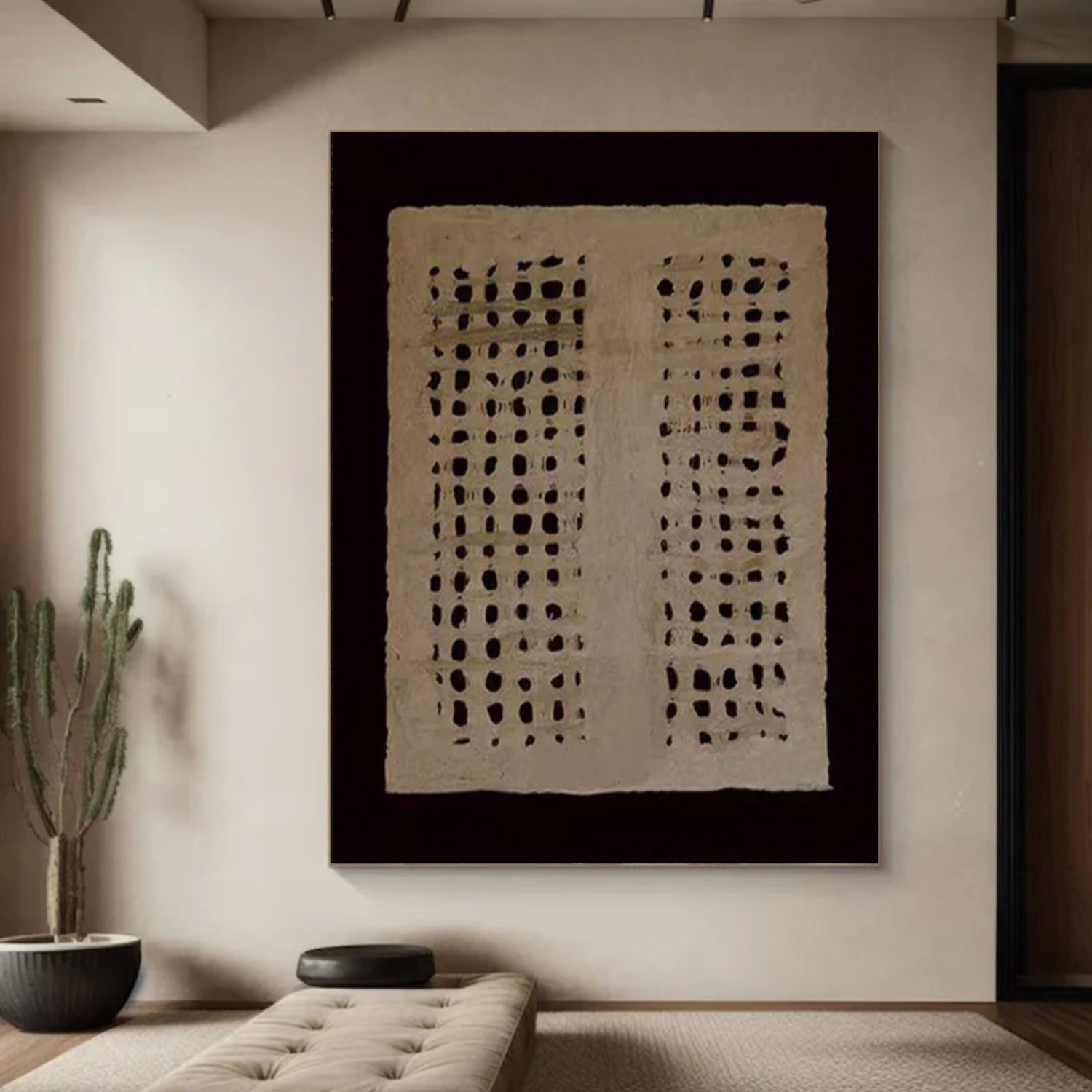
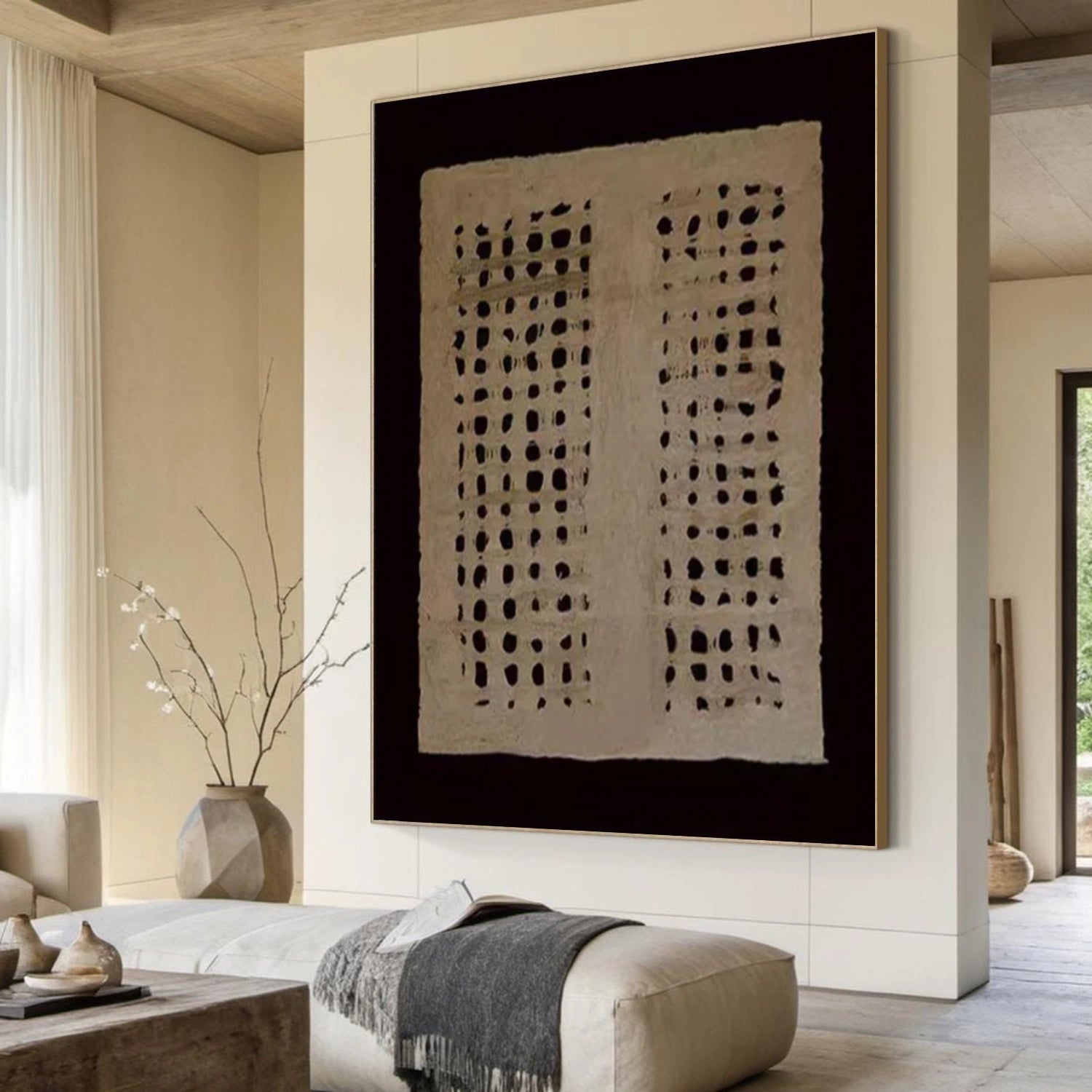
What Is Wabi-Sabi Art and Why Does It Matter Today?
Wabi-sabi art is a Japanese aesthetic that celebrates the beauty of imperfection, impermanence, and simplicity. It encourages finding joy in the natural process of aging, the passage of time, and the presence of imperfections in life. In today's fast-paced, perfection-obsessed world, wabi-sabi offers a refreshing way to reconnect with authenticity and mindfulness.
How Did Wabi-Sabi Art Originate?
Wabi-sabi art emerged from the Japanese tea ceremonies of the 15th century, deeply influenced by Zen Buddhist principles. The movement began as a response to the excessive ornamentation of the time, favoring simplicity, quietness, and a deep connection with nature. Wabi-sabi art rejected lavishness in favor of raw, imperfect beauty. It was originally seen in rustic tea bowls and humble homes and later influenced broader areas of Japanese art, including pottery, calligraphy, and architecture.
Over time, the movement grew to shape the direction of modern abstract art, where artists embraced irregular textures and muted tones, allowing each piece to evoke serenity and authenticity. Through wabi-sabi, artists shifted focus from perfection to emotional depth, creating works that connect with viewers on a deeper level.
What Are the Core Principles of Wabi-Sabi Art?
The core principles of wabi-sabi art are imperfection (wabi), impermanence (sabi), and incompleteness. These tenets reflect life’s natural cycles, emphasizing the beauty of aging, decay, and the ongoing process of transformation. Wabi-sabi art values raw textures, asymmetry, and muted colors to express these ideas visually.
| Principle | Meaning | Artistic Expression |
|---|---|---|
| Wabi | Rustic simplicity and modest beauty | Uneven forms, natural fibers, matte finishes |
| Sabi | The beauty of aging and decay | Patina, erosion, faded pigments |
| Incompleteness | Acceptance of evolution and change | Open space, visible brushwork, spontaneous composition |
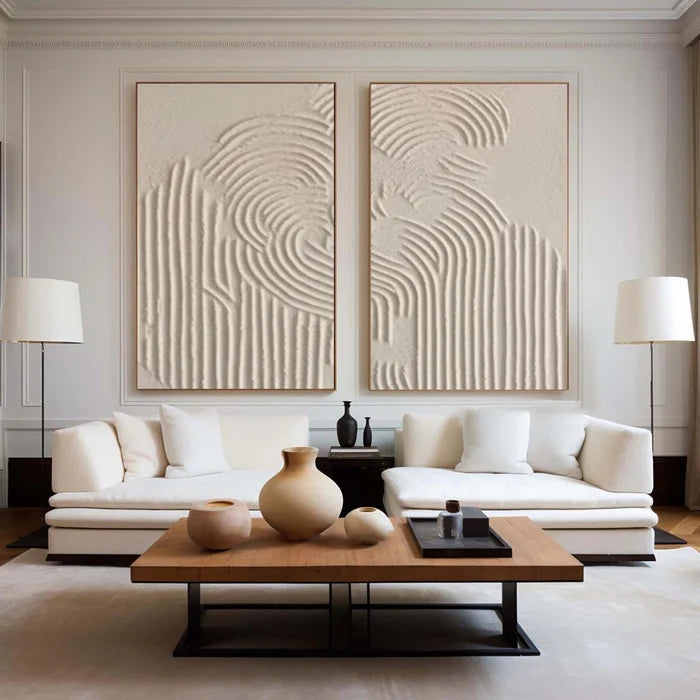
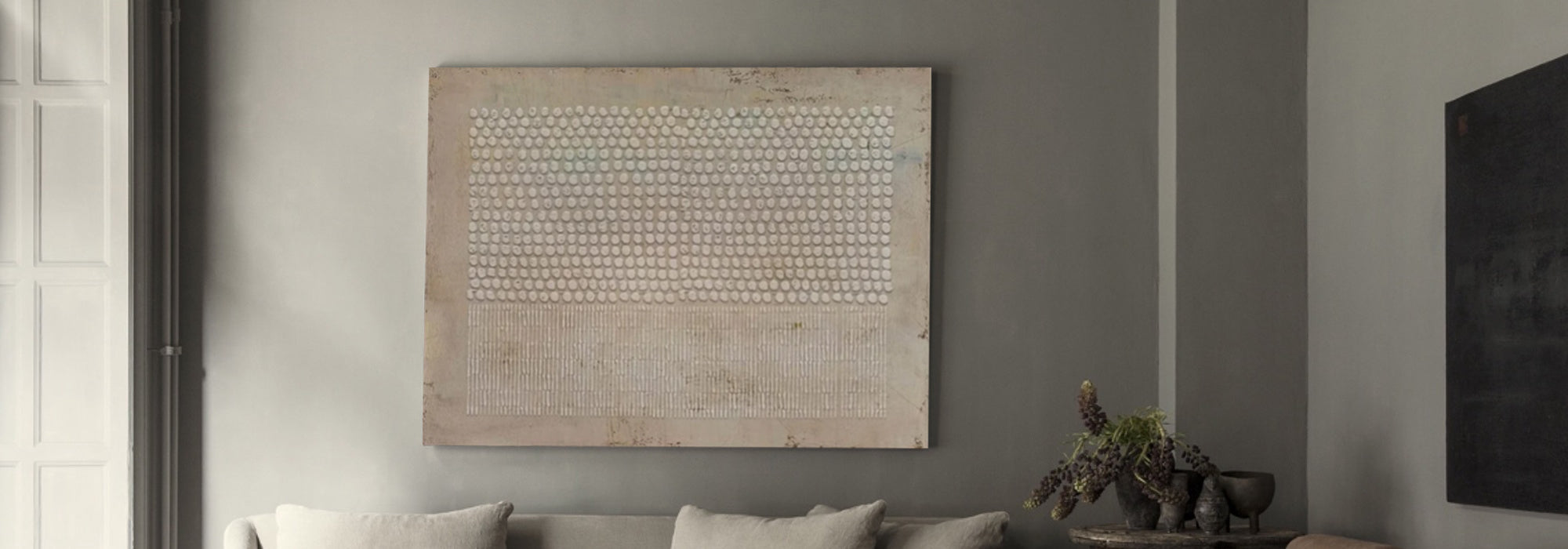
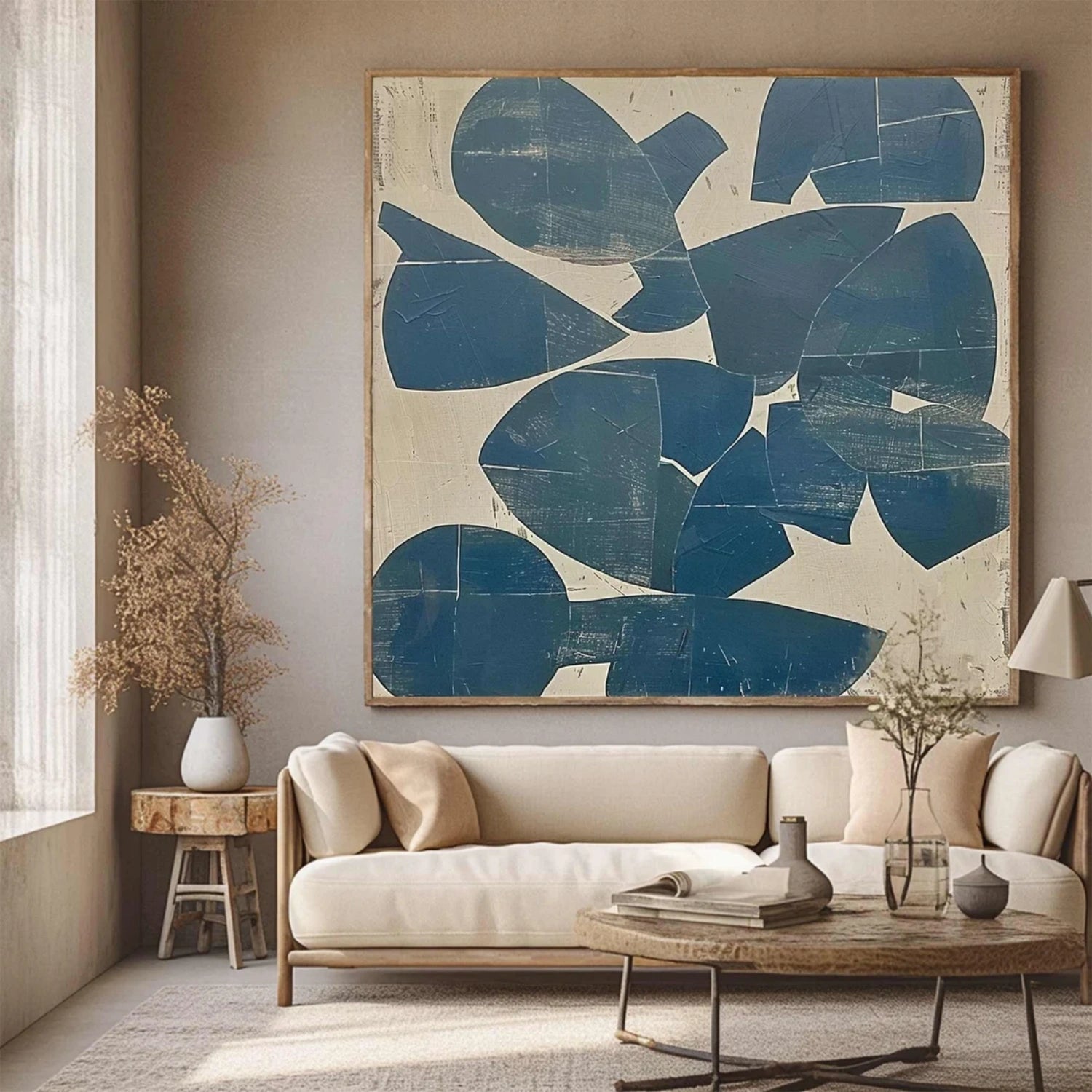
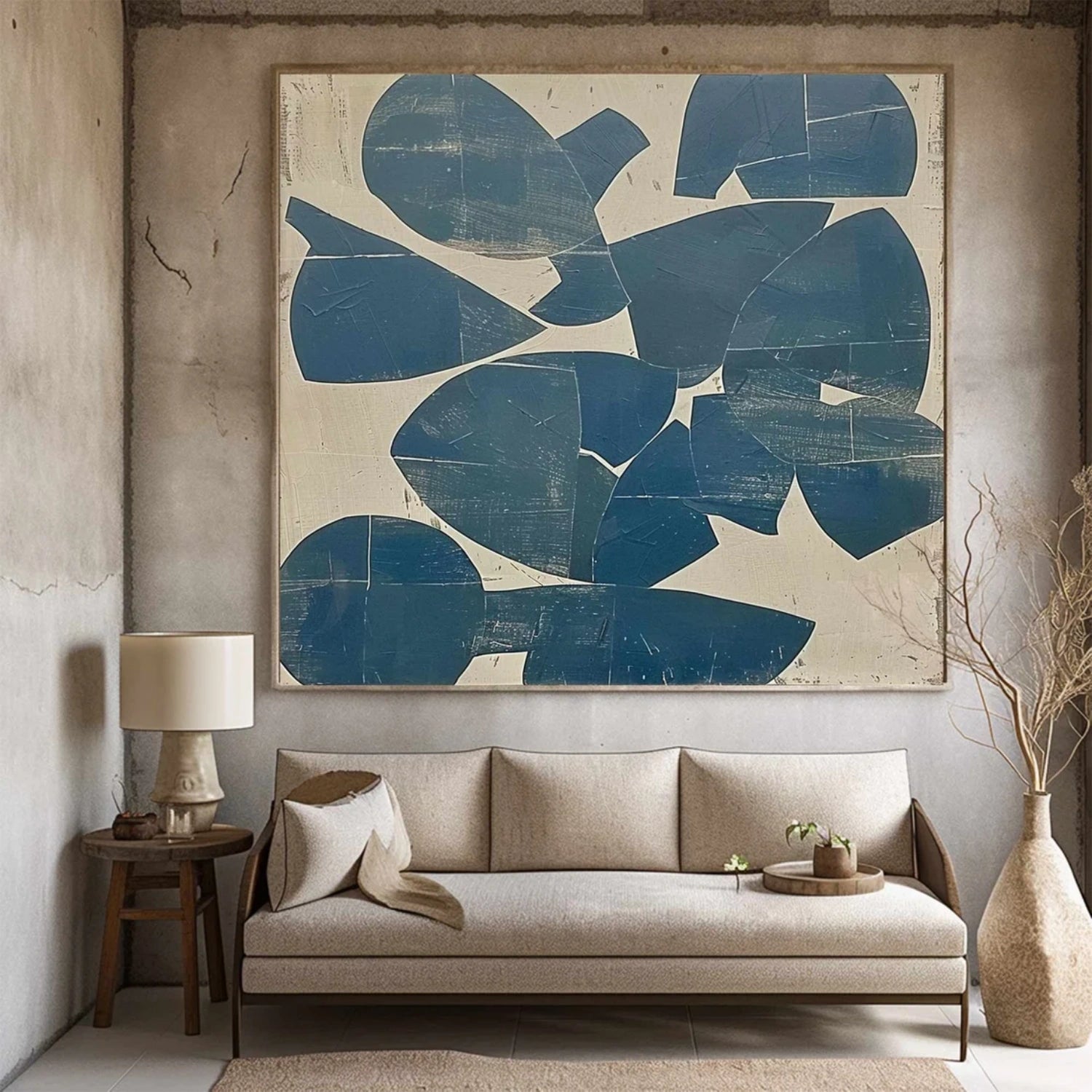
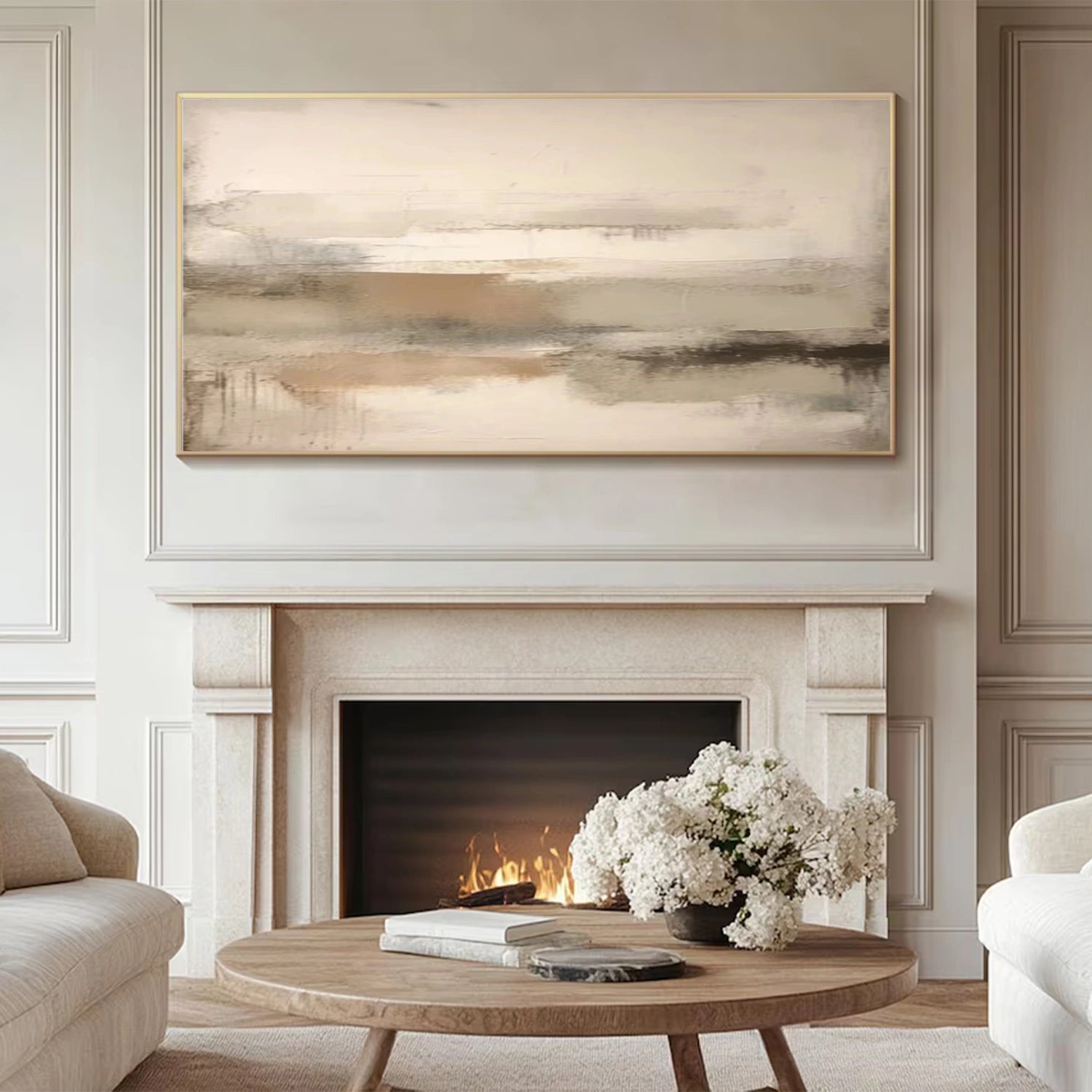
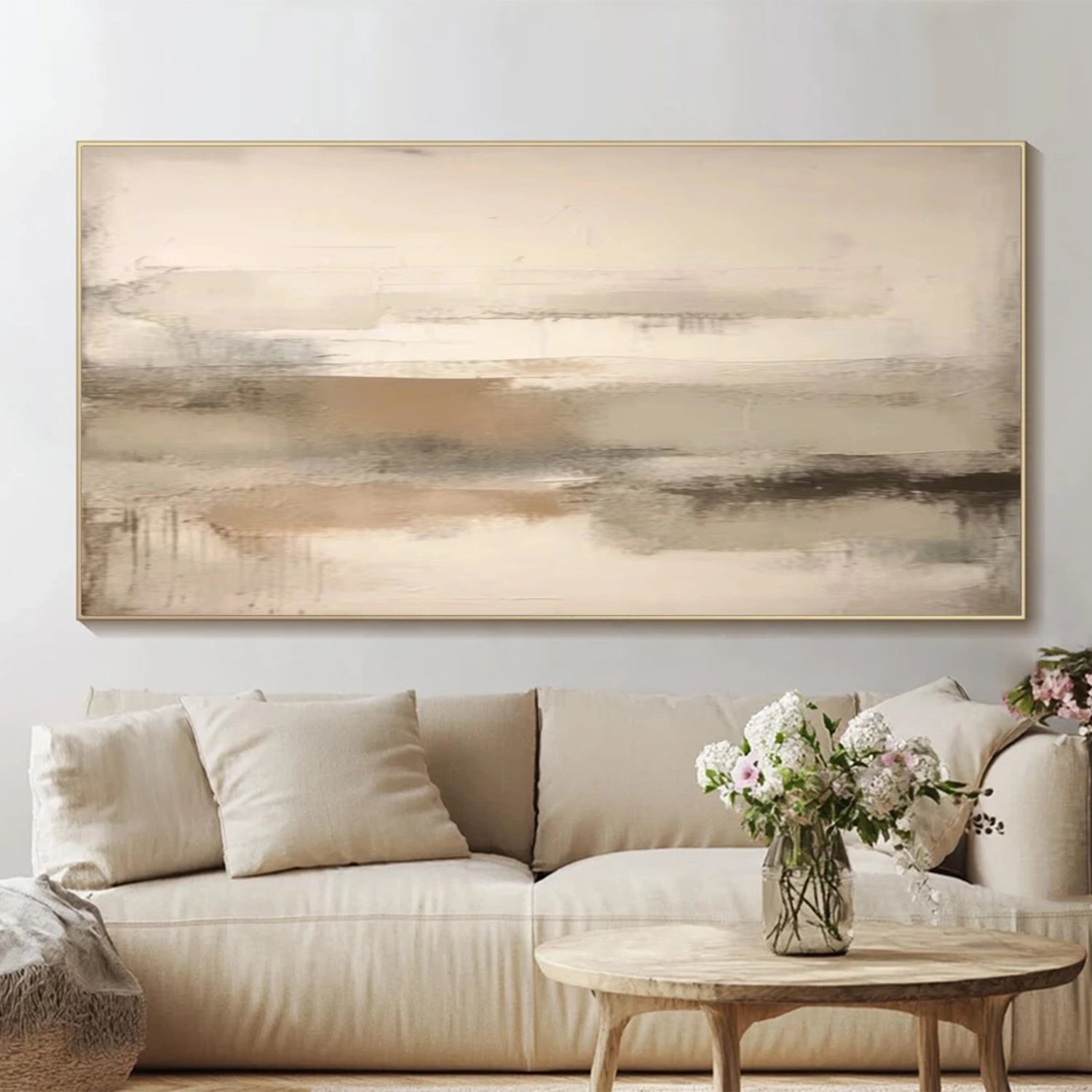
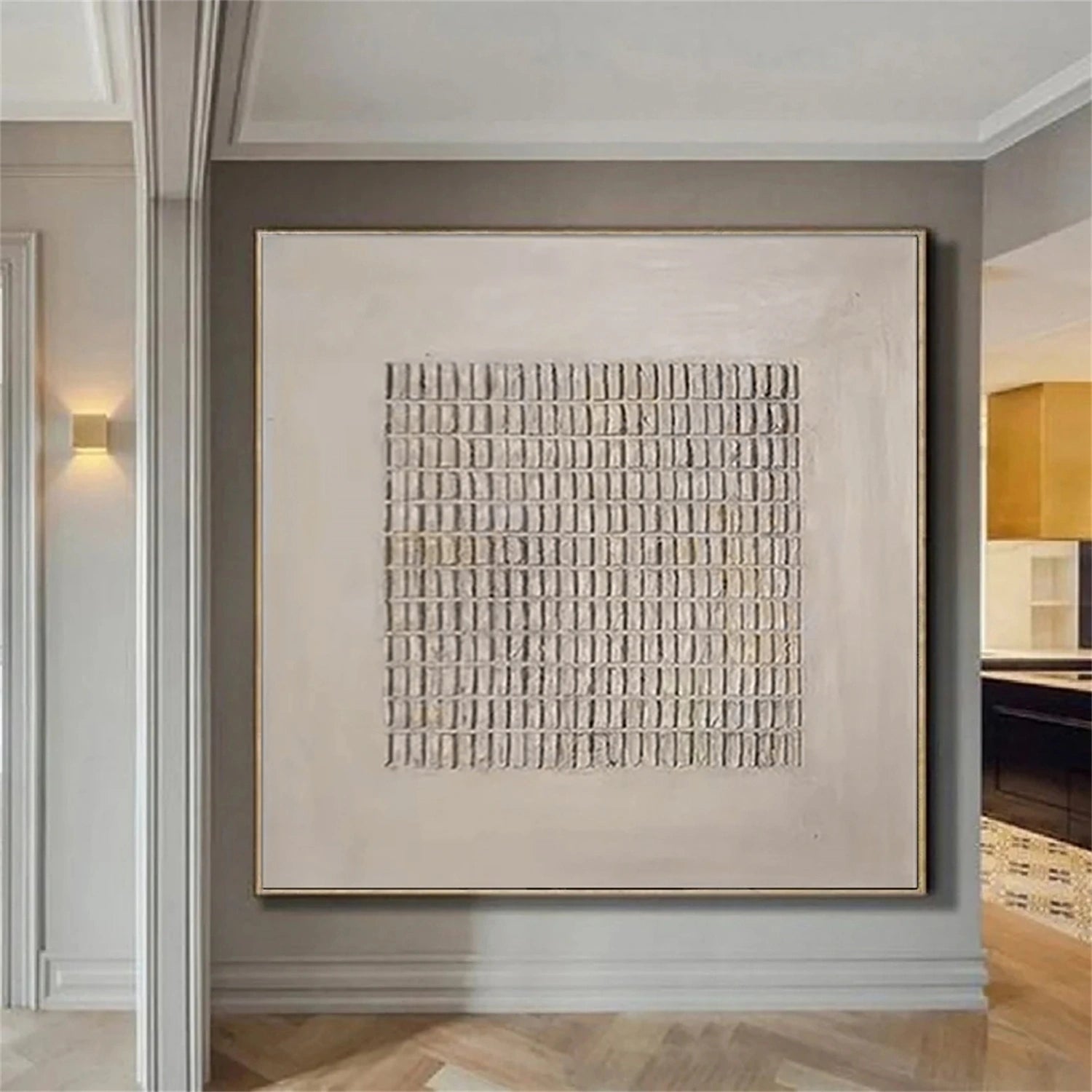
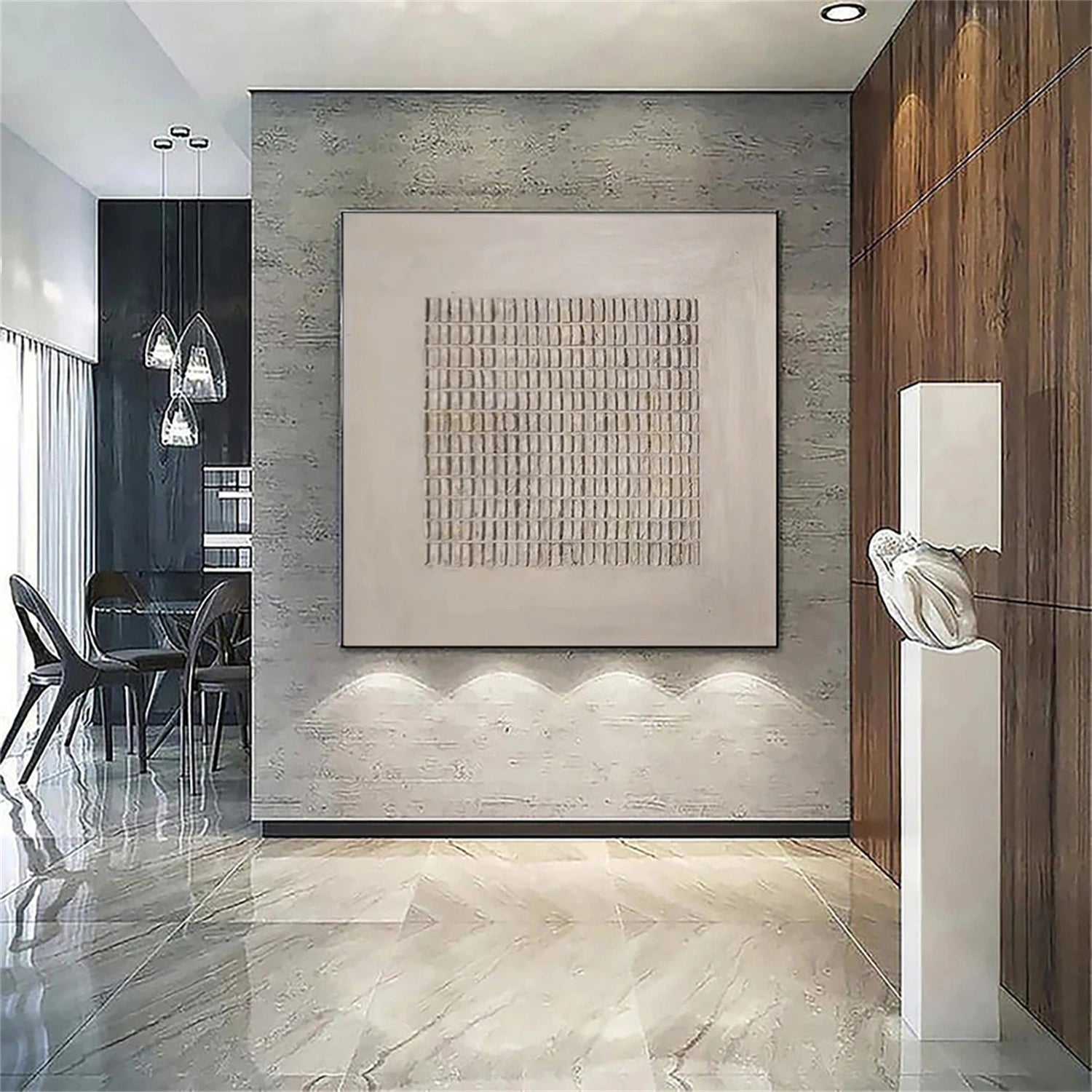
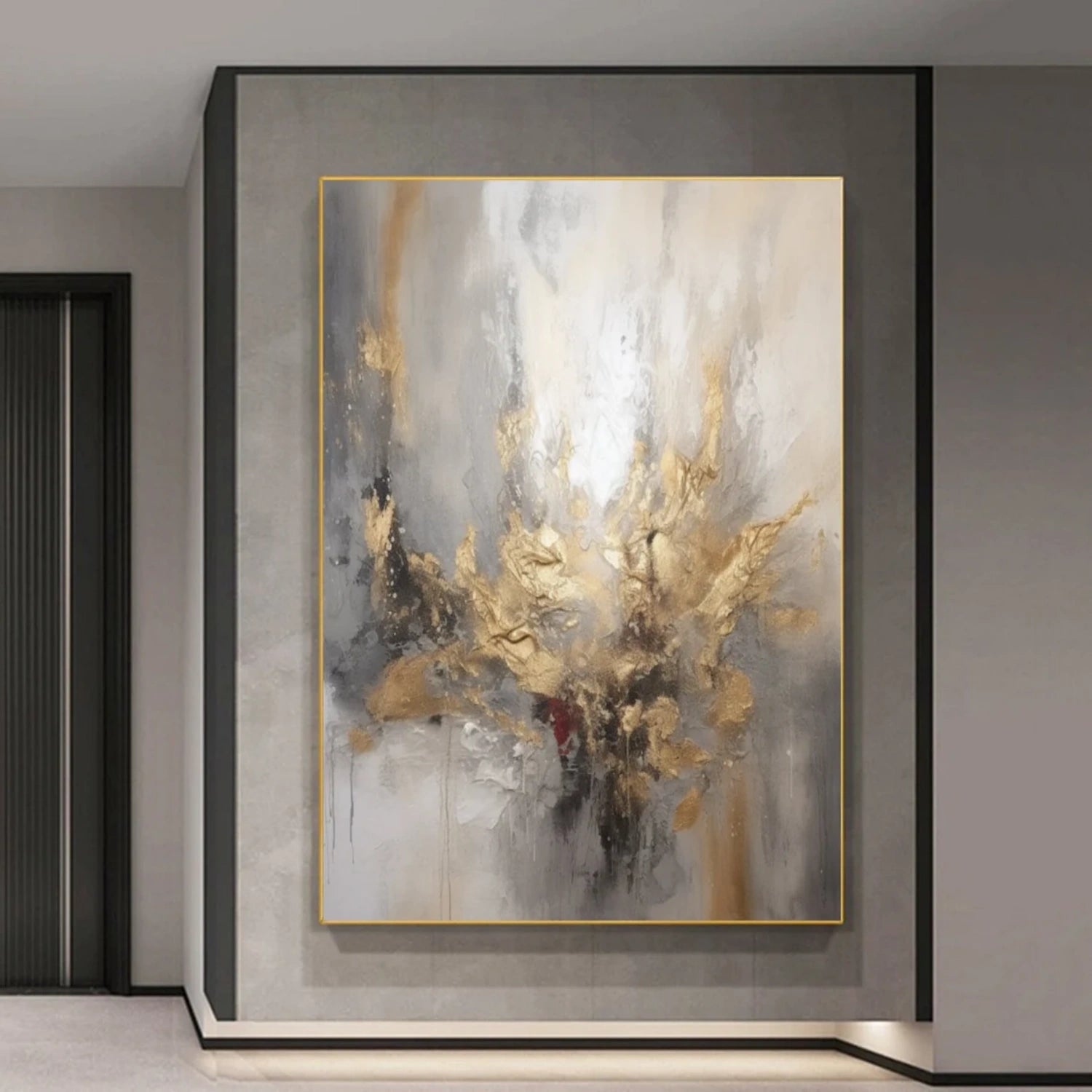
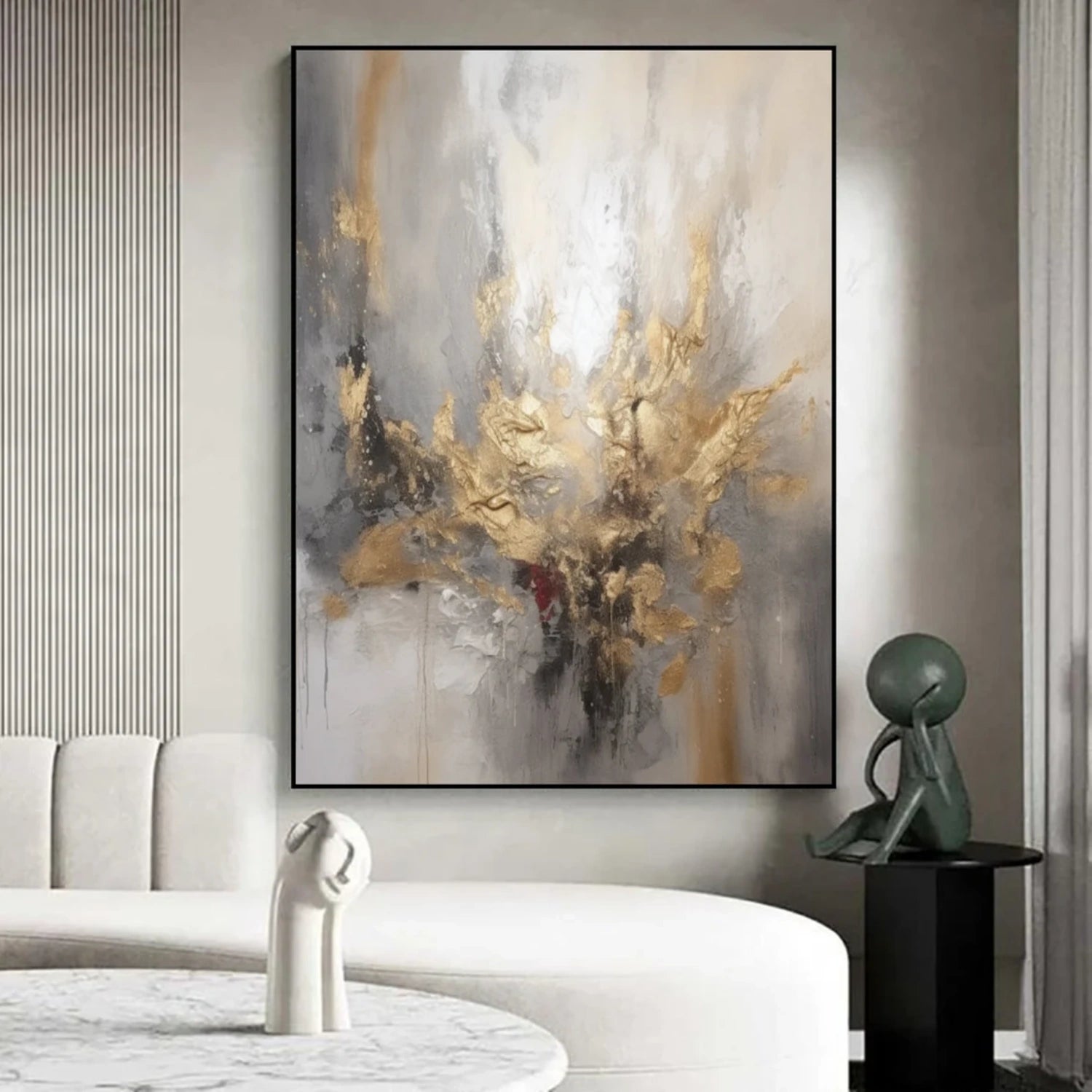
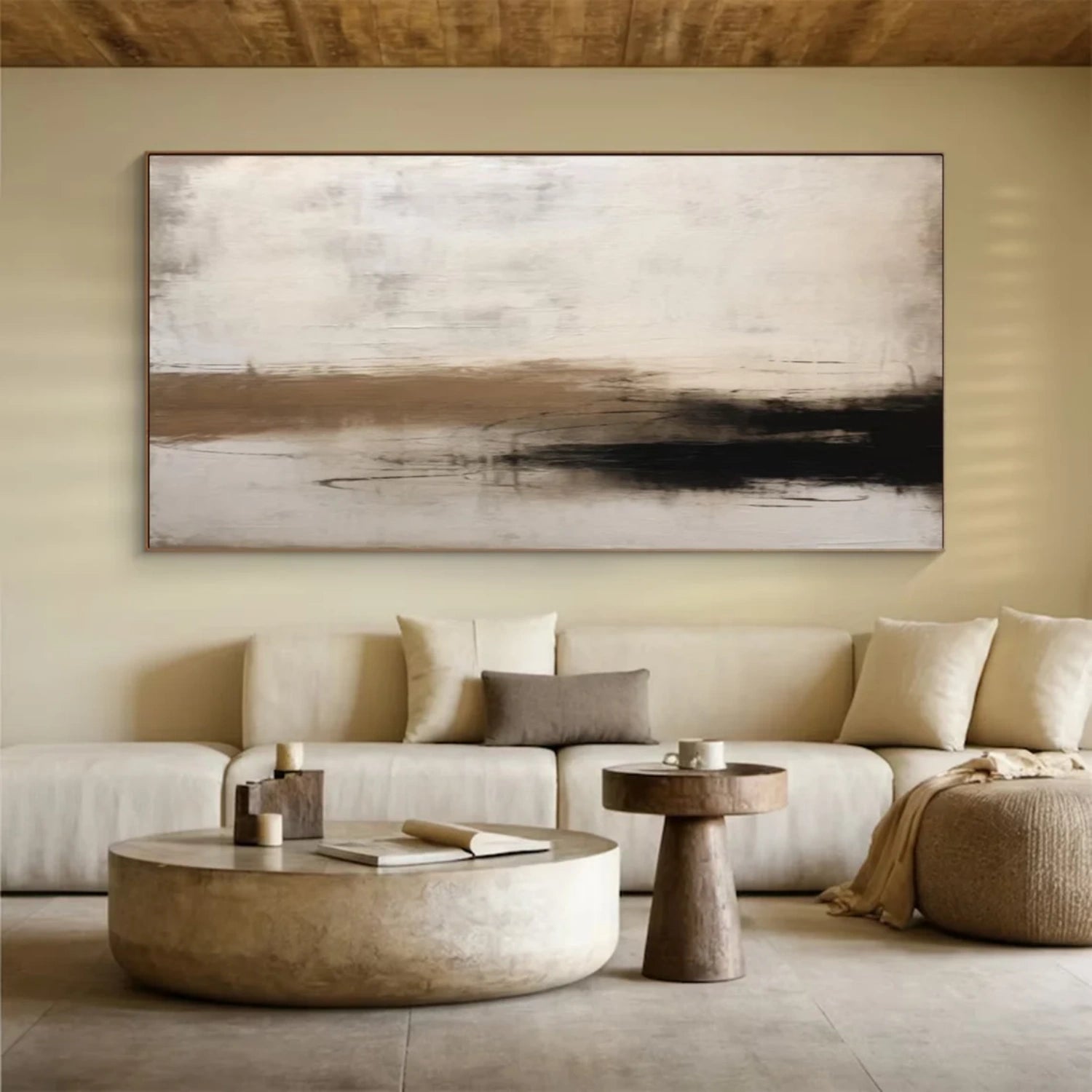
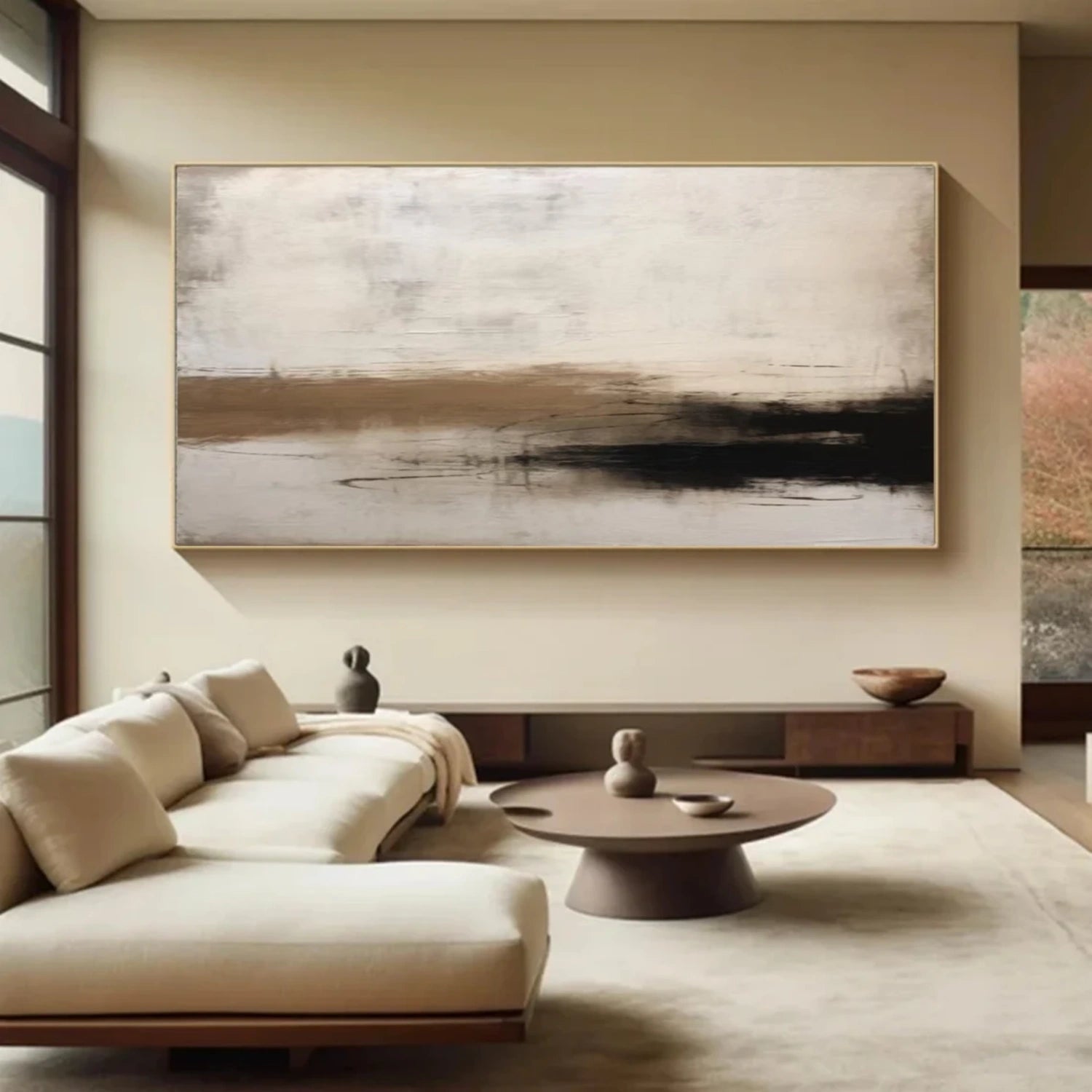
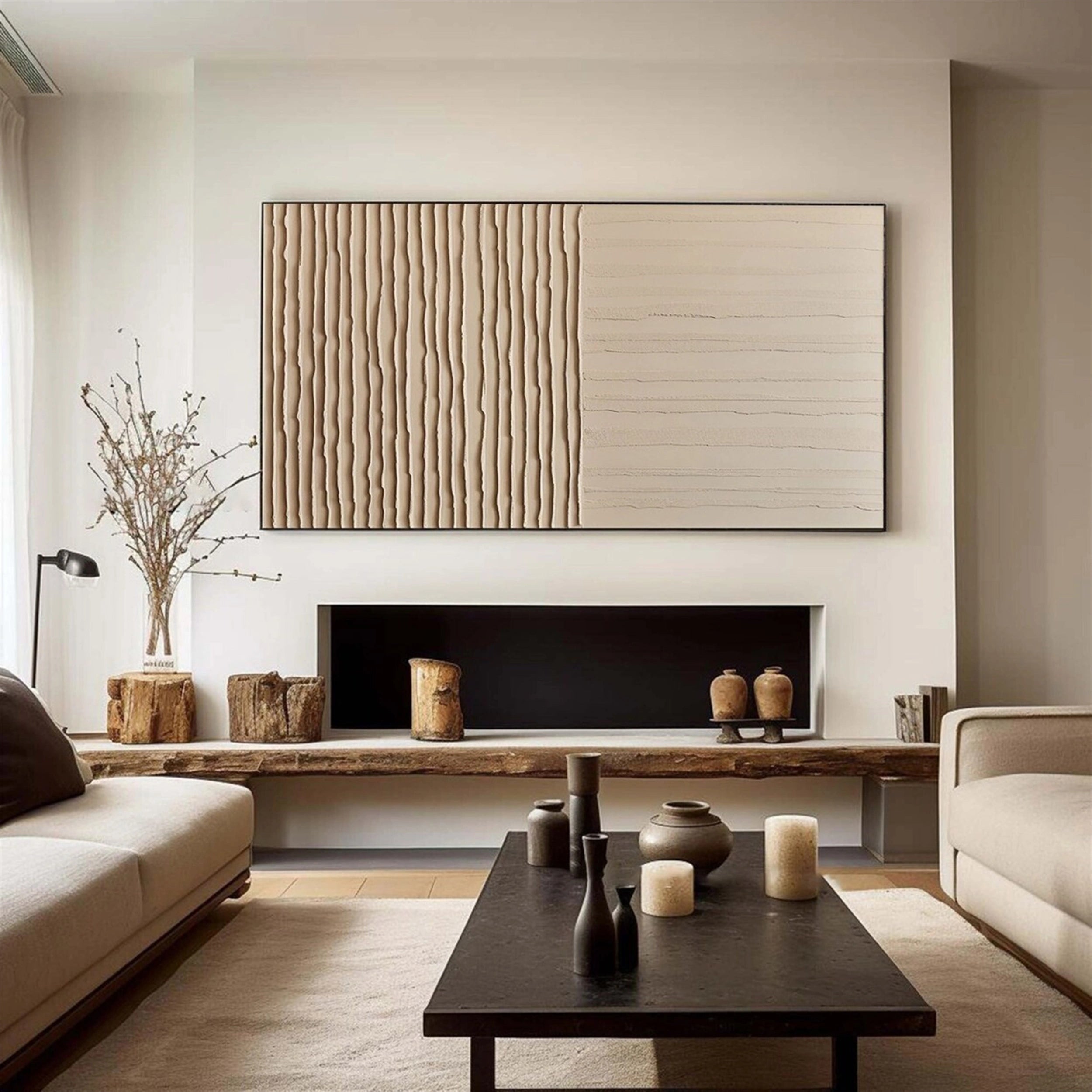
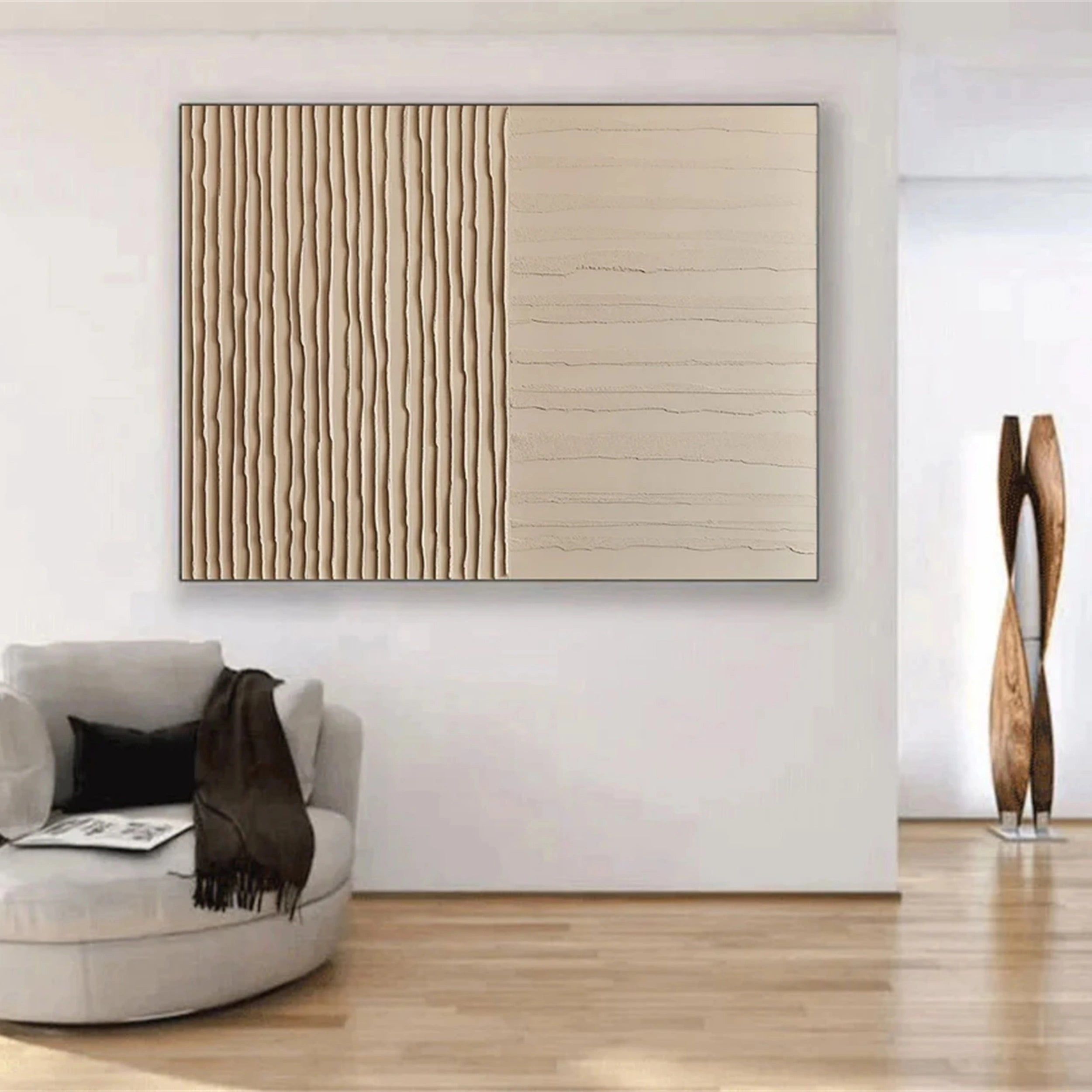
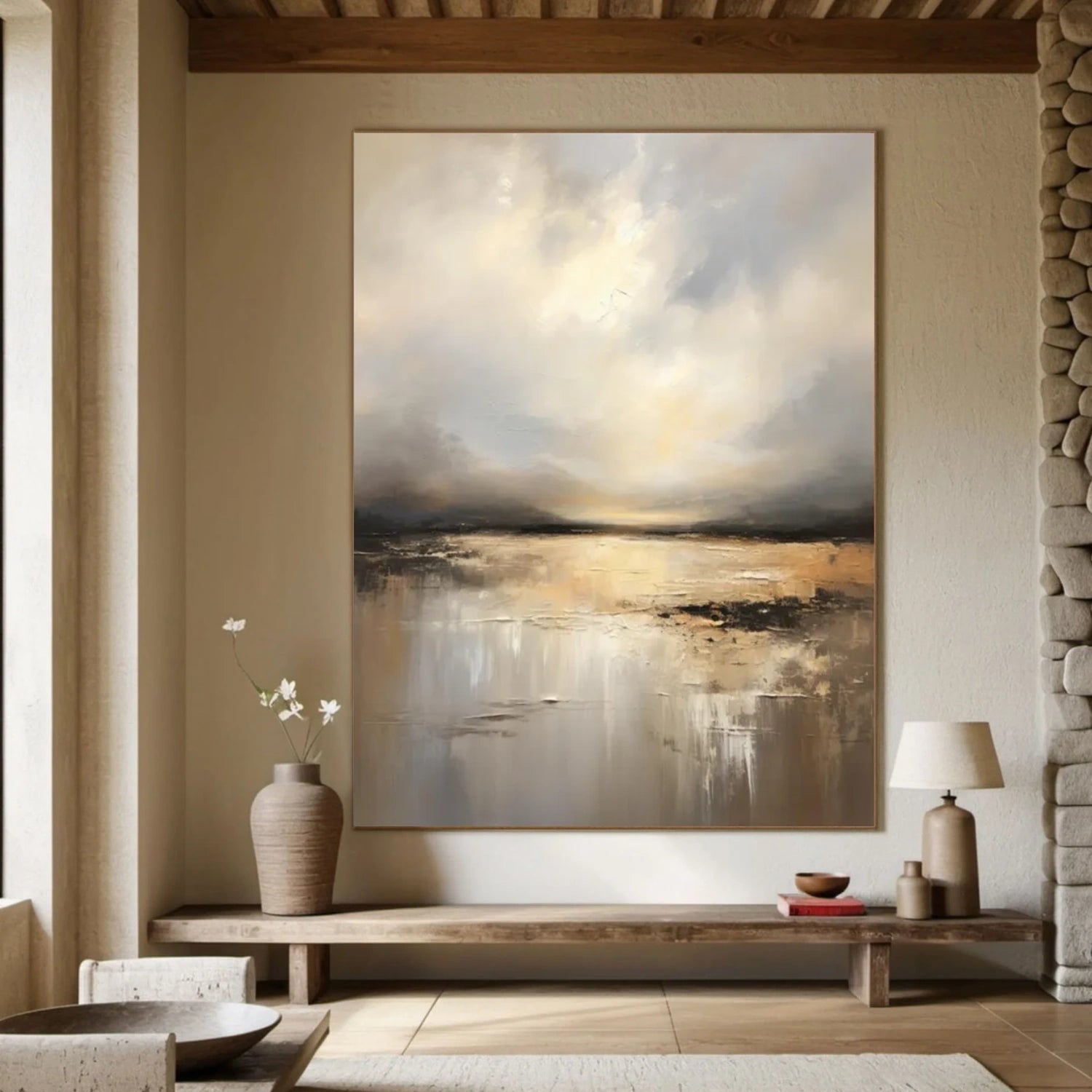
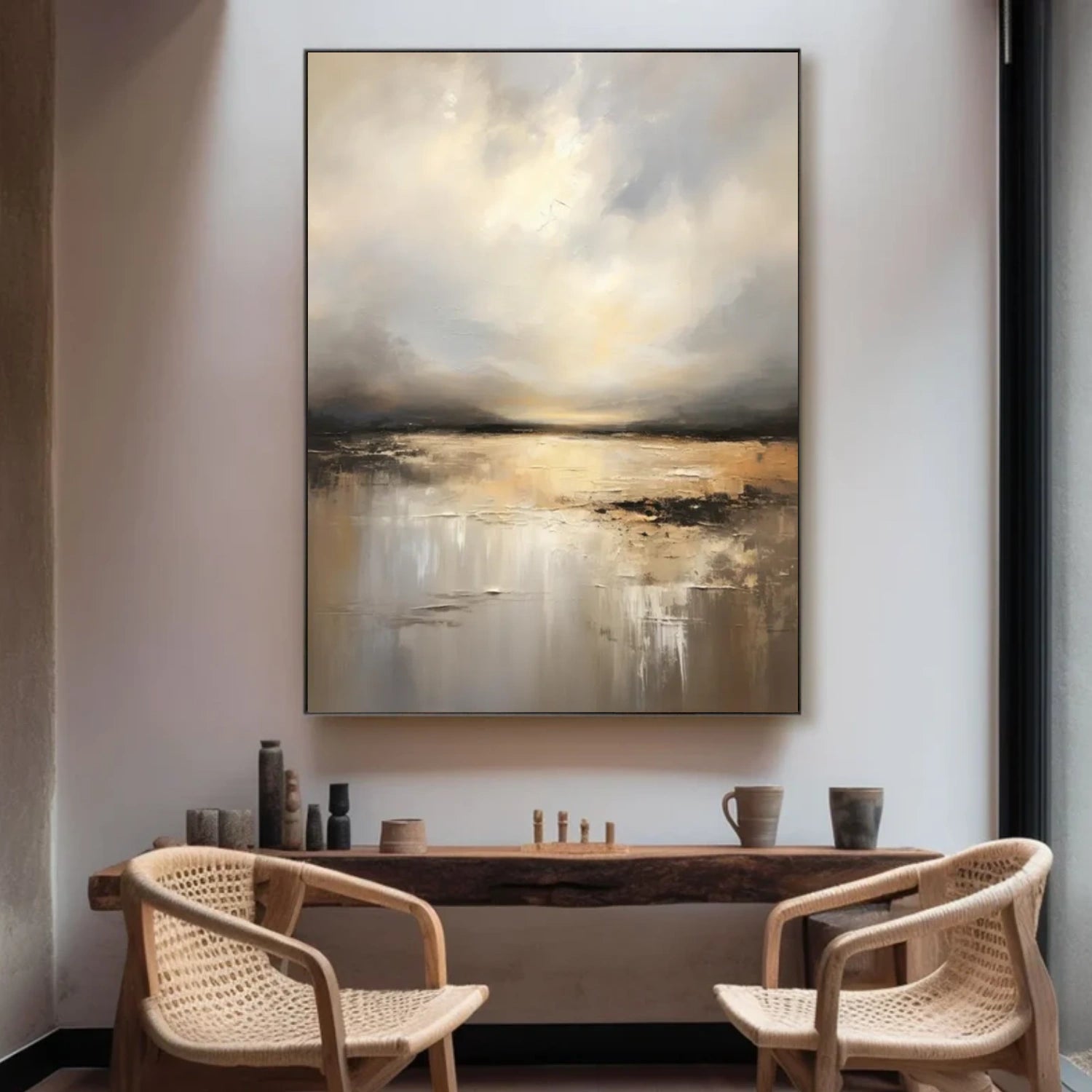
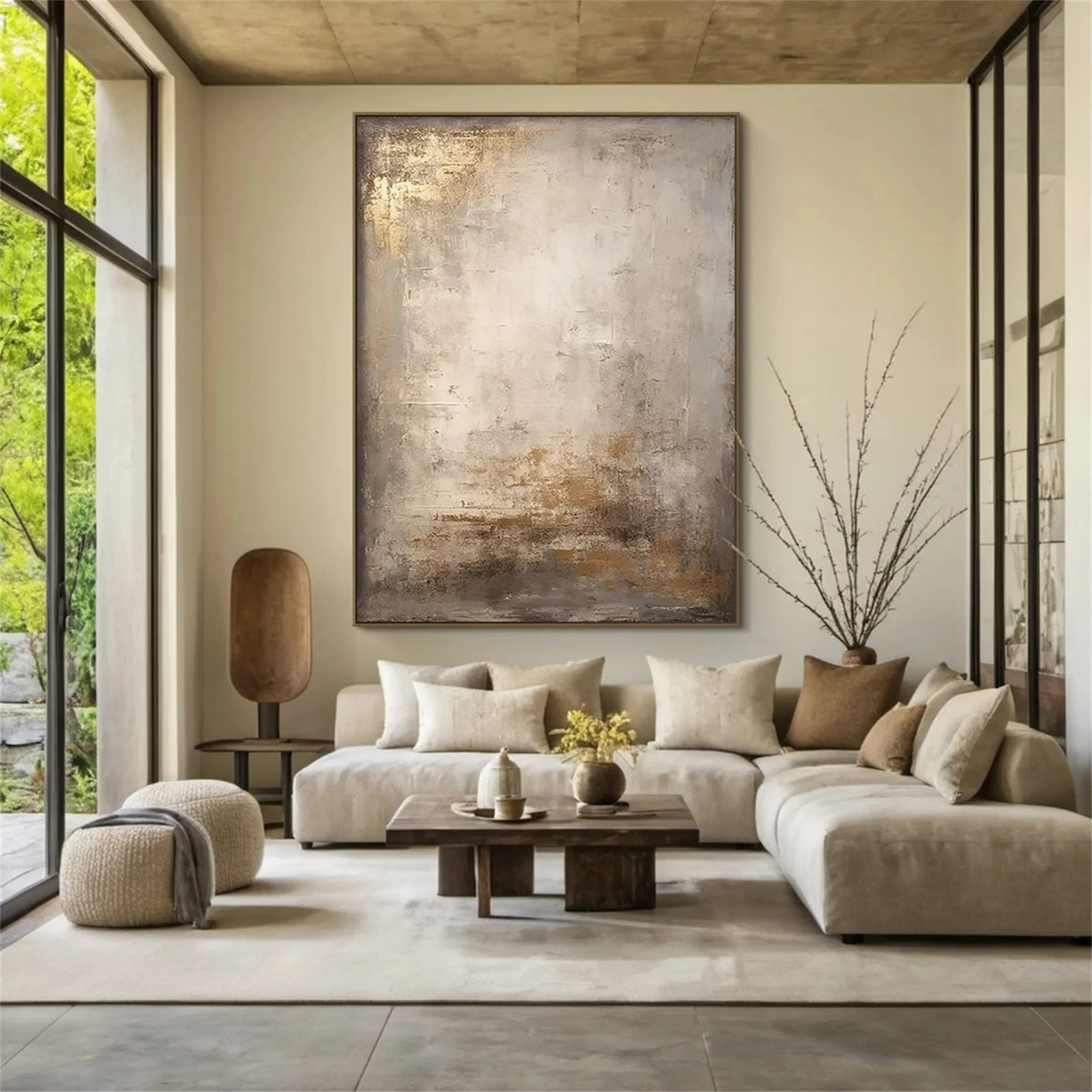
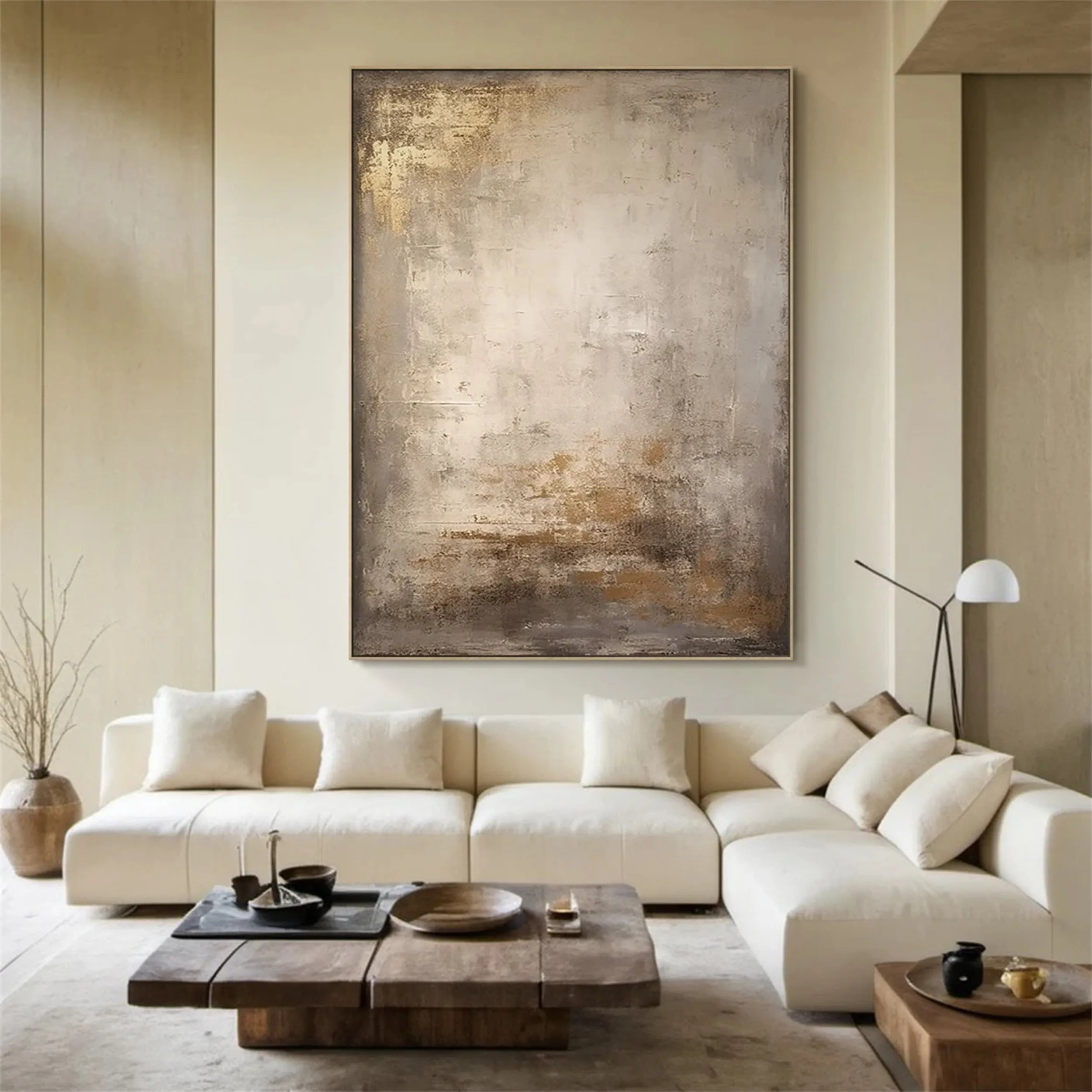
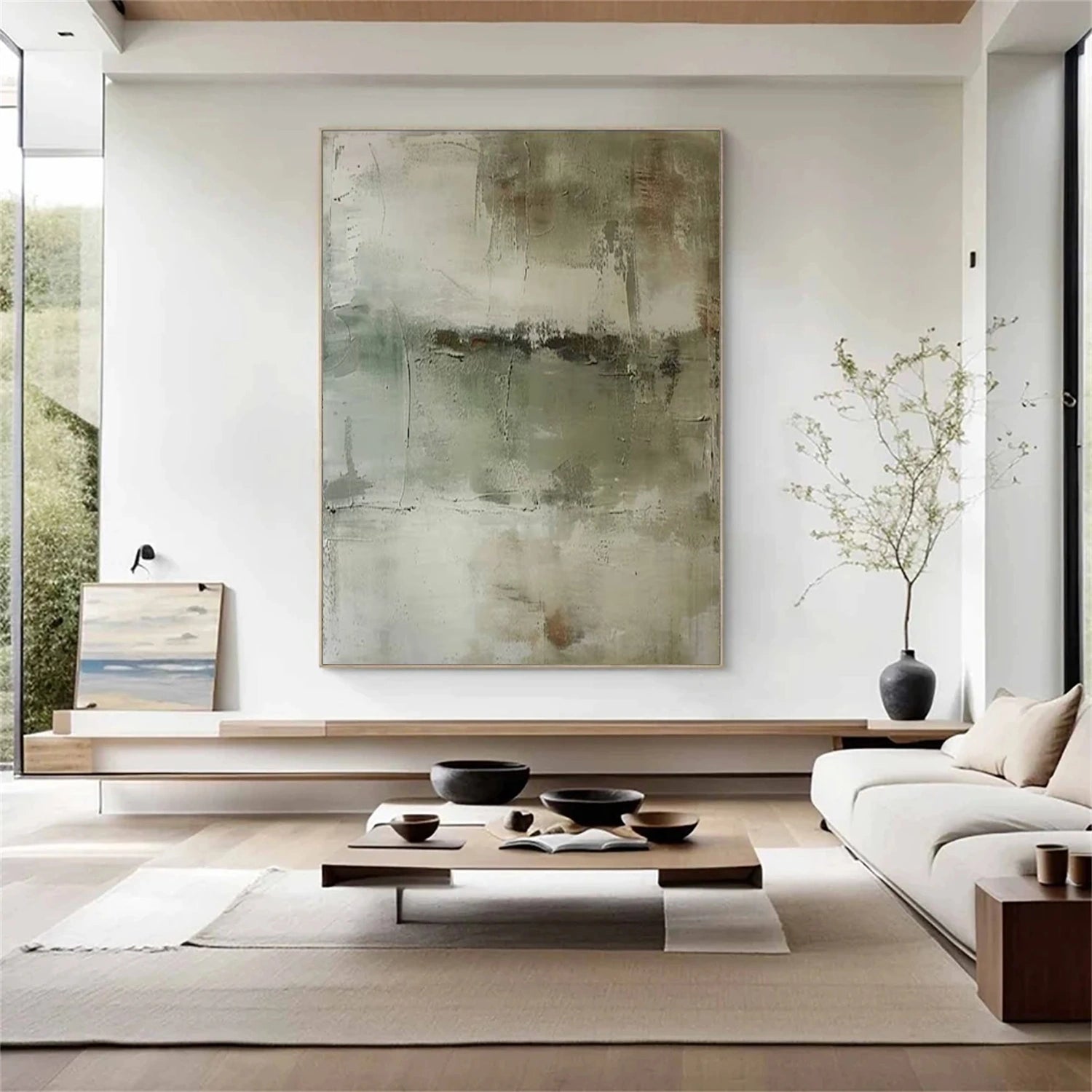
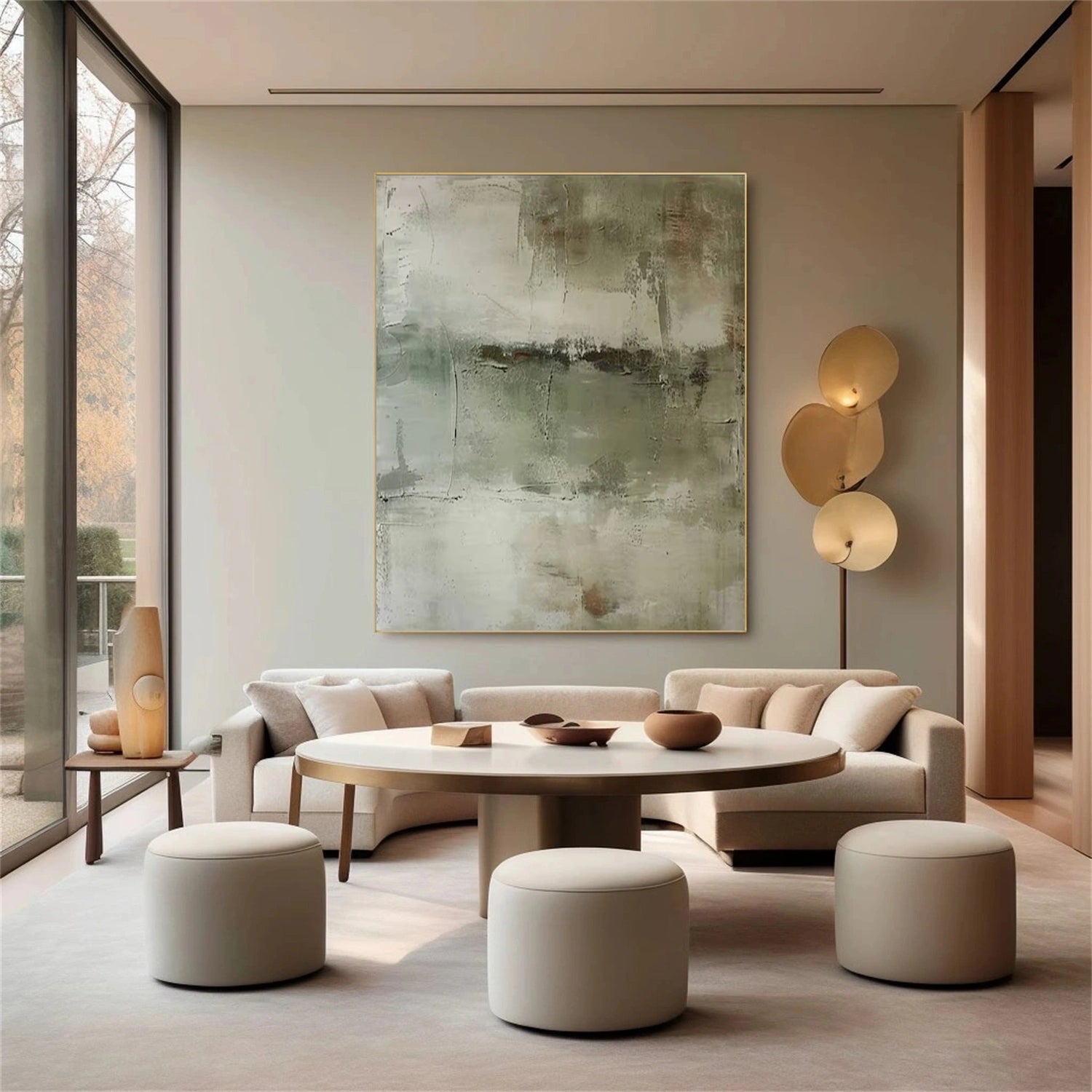
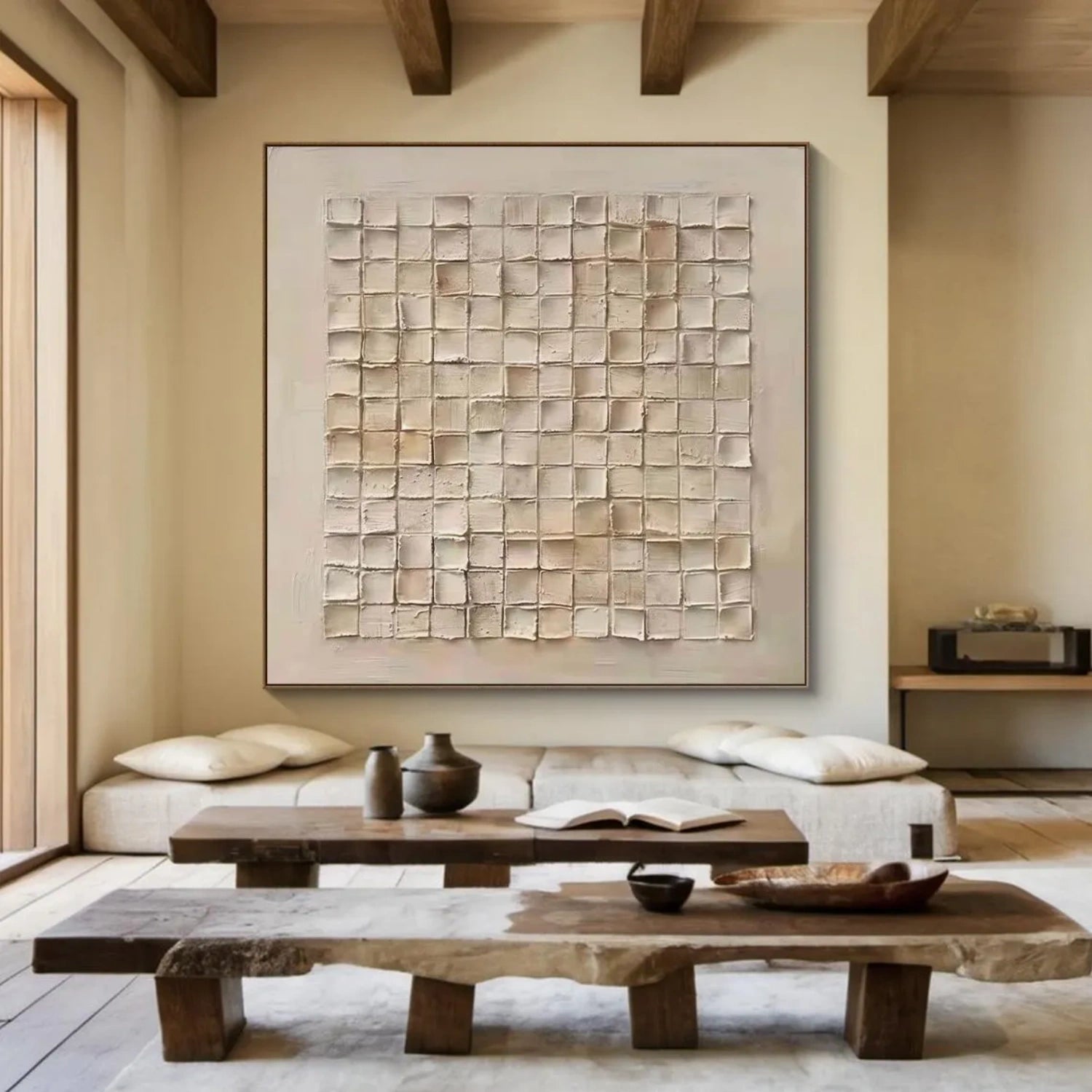
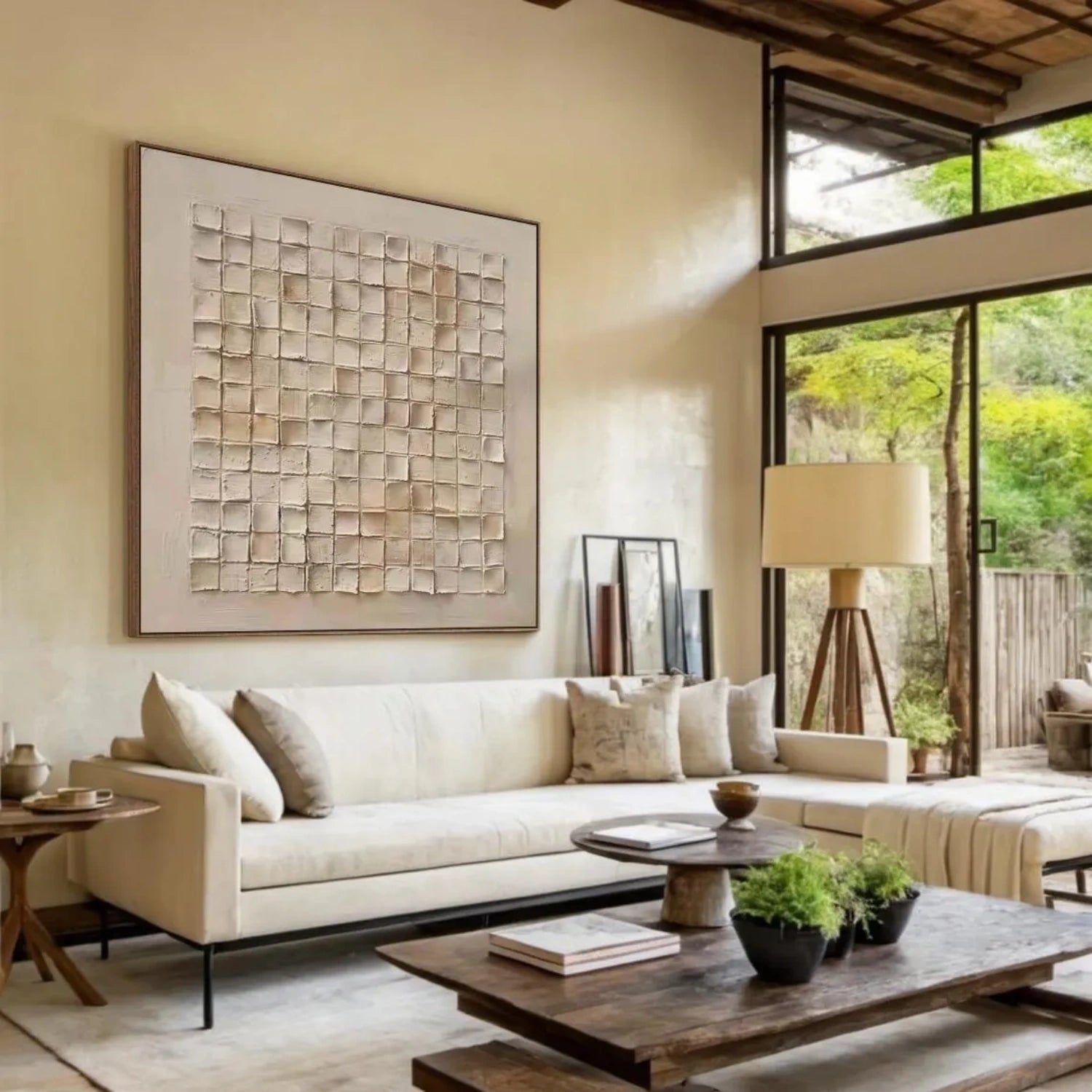
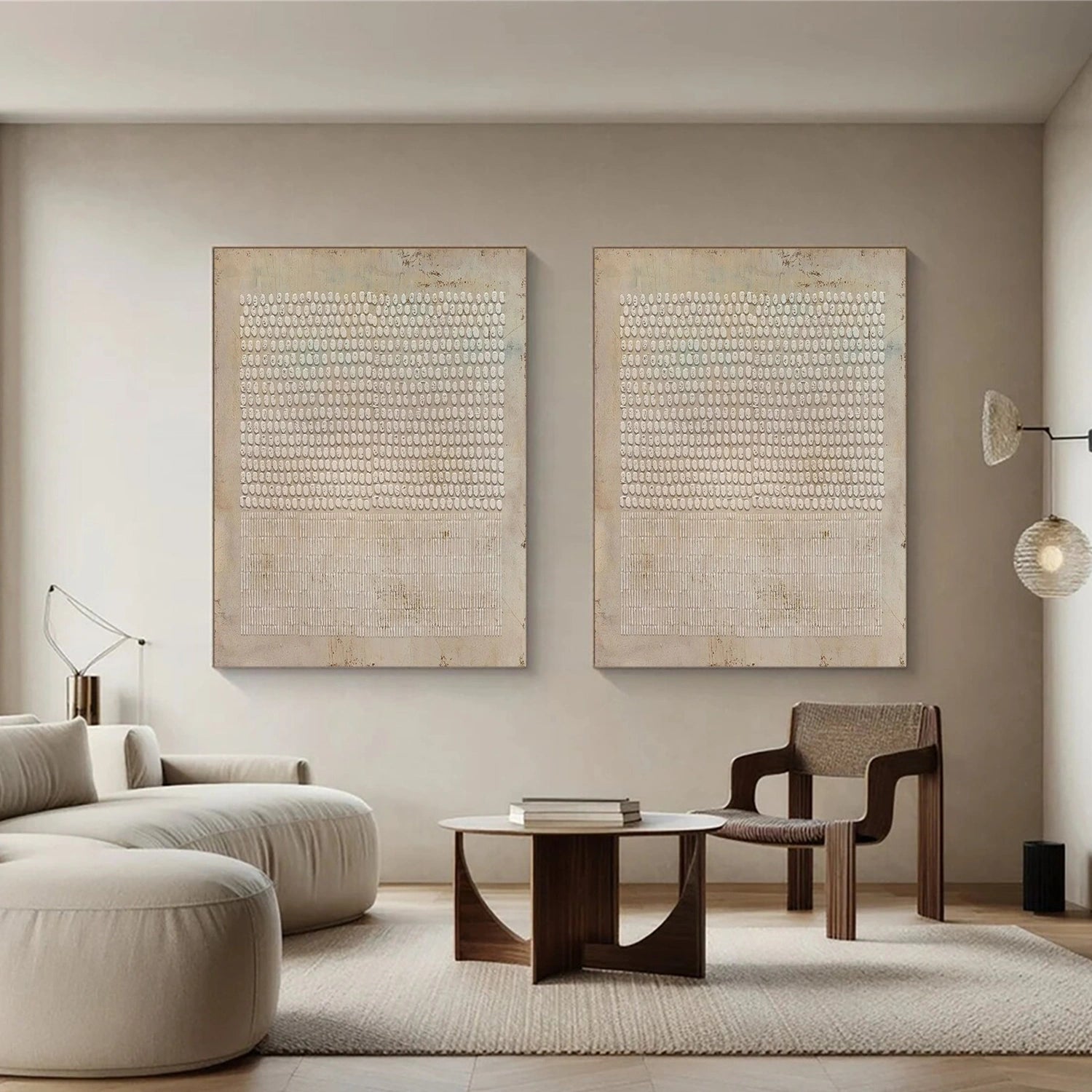
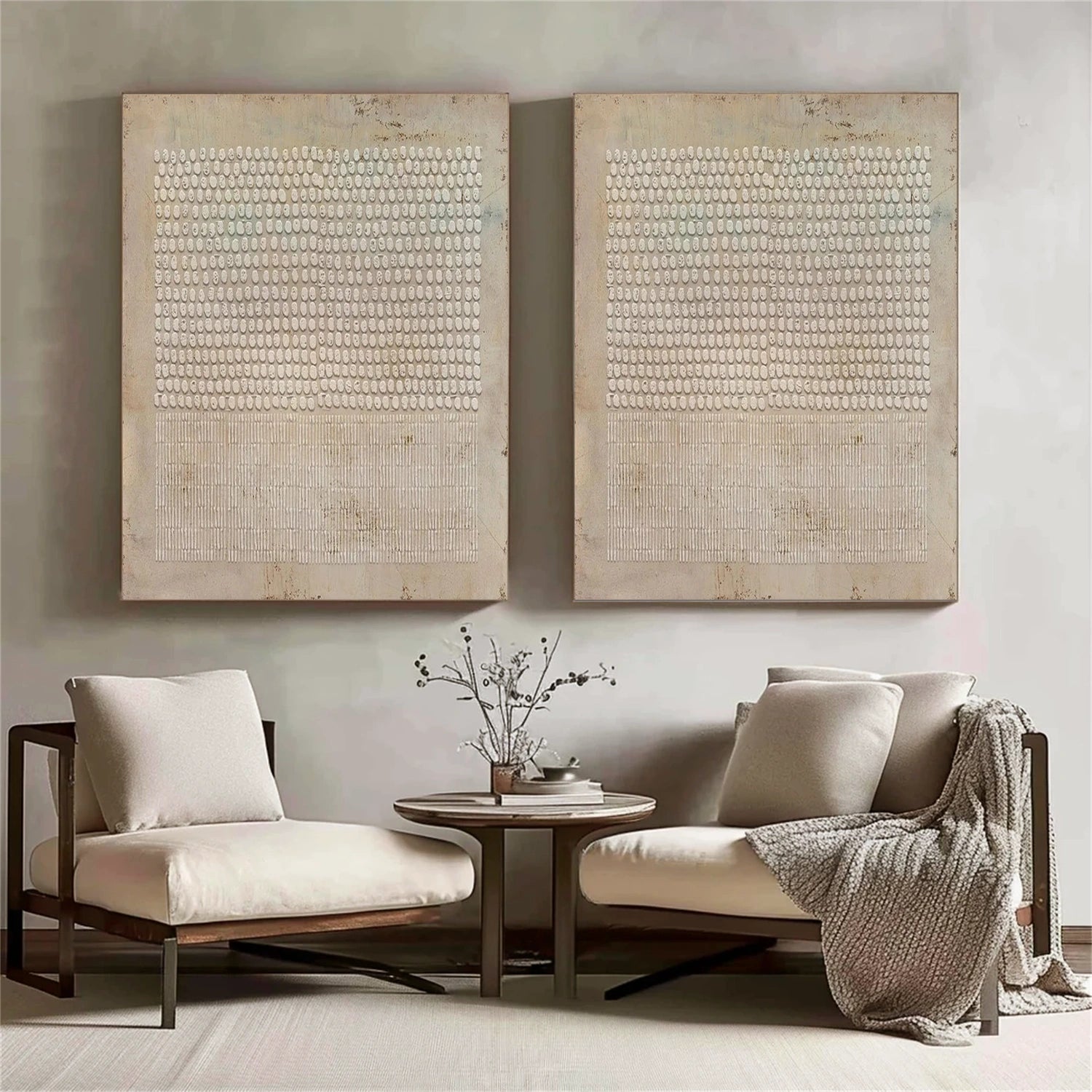
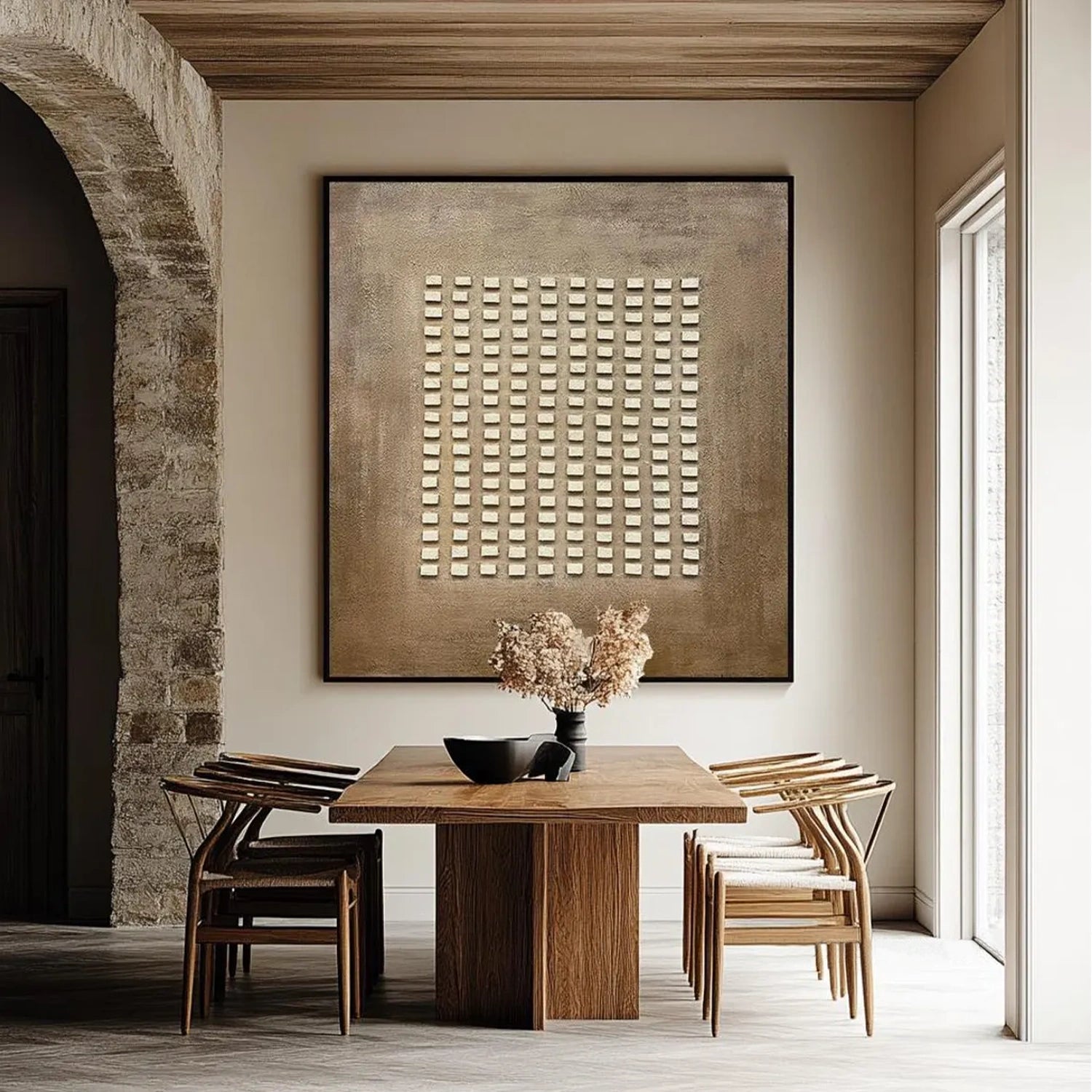
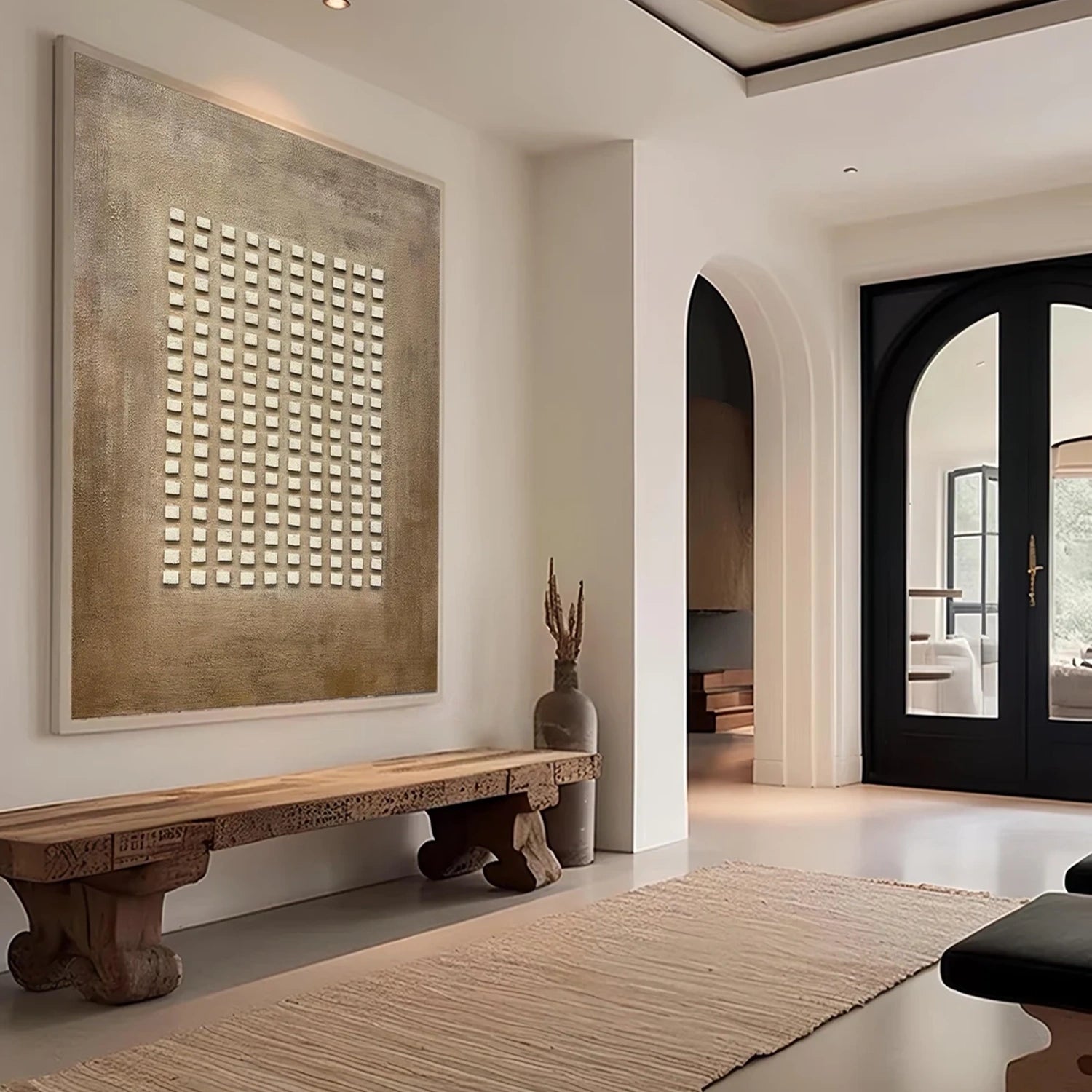
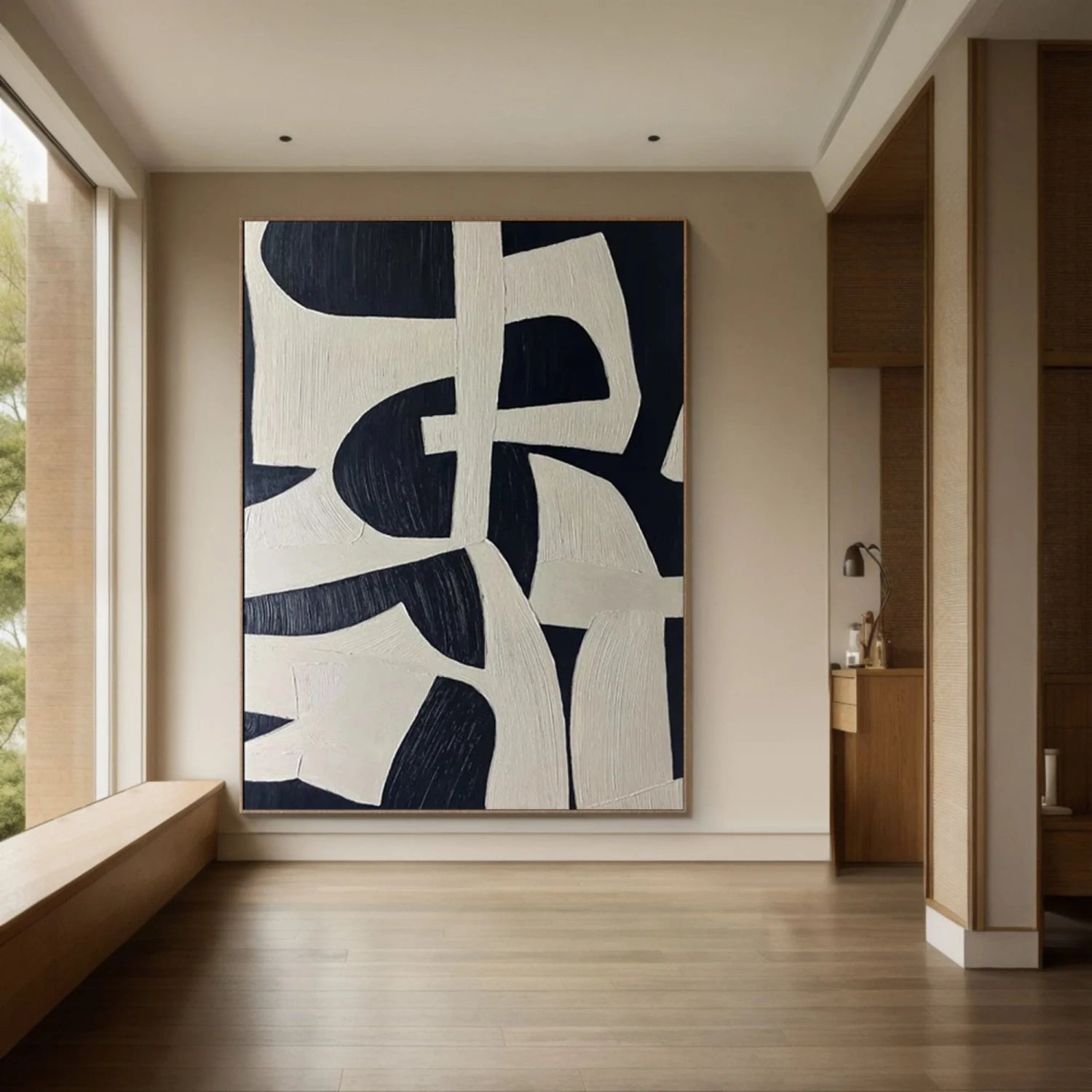
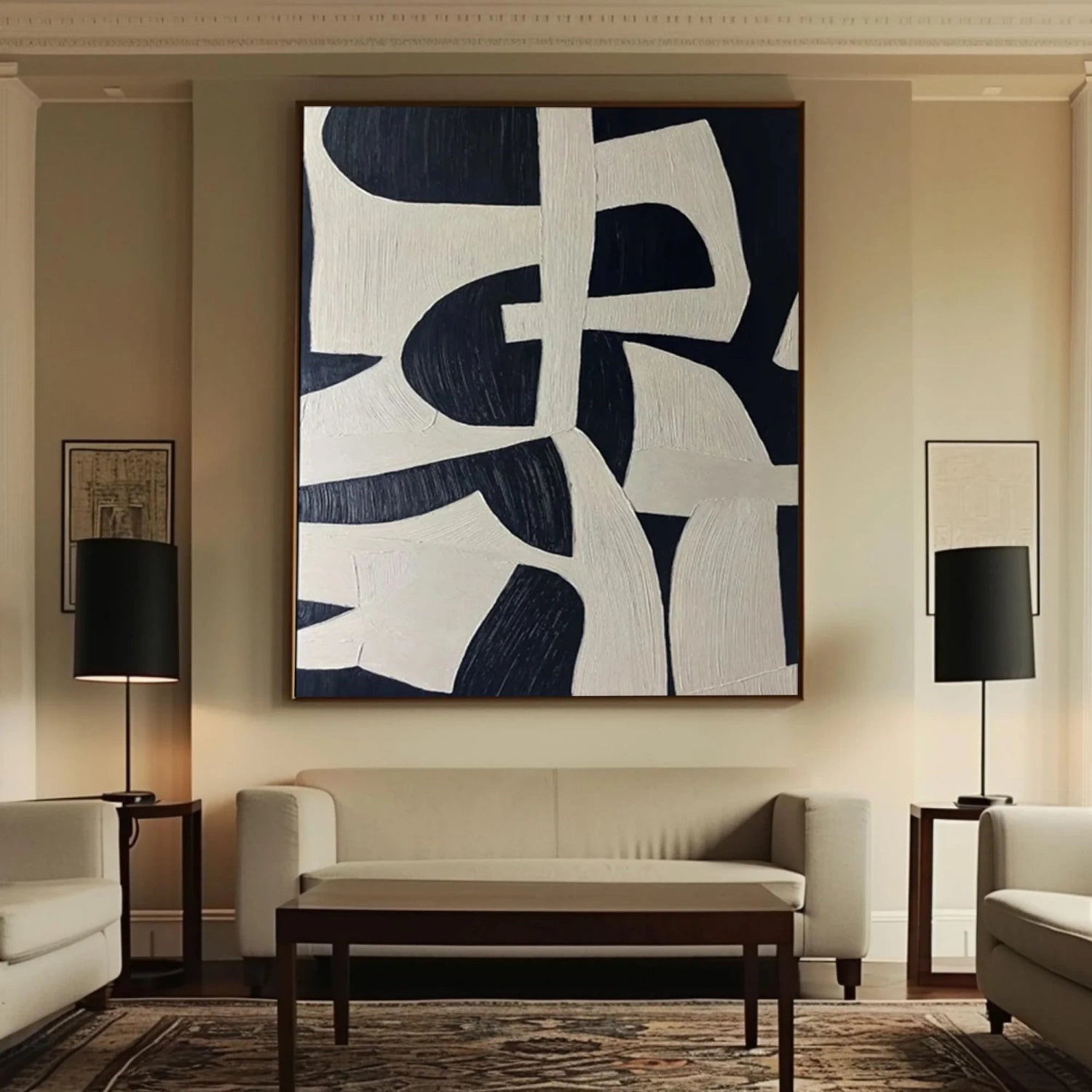
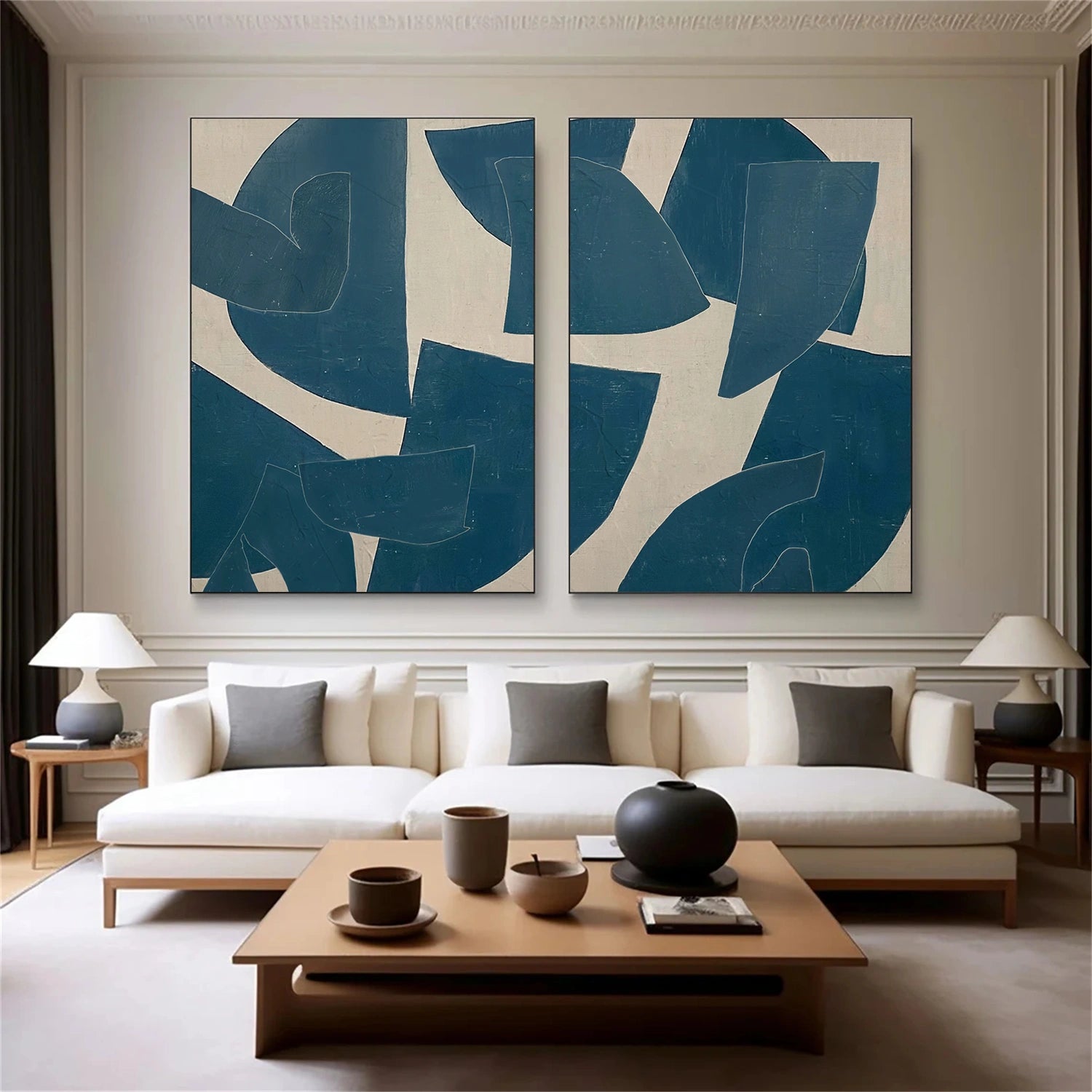
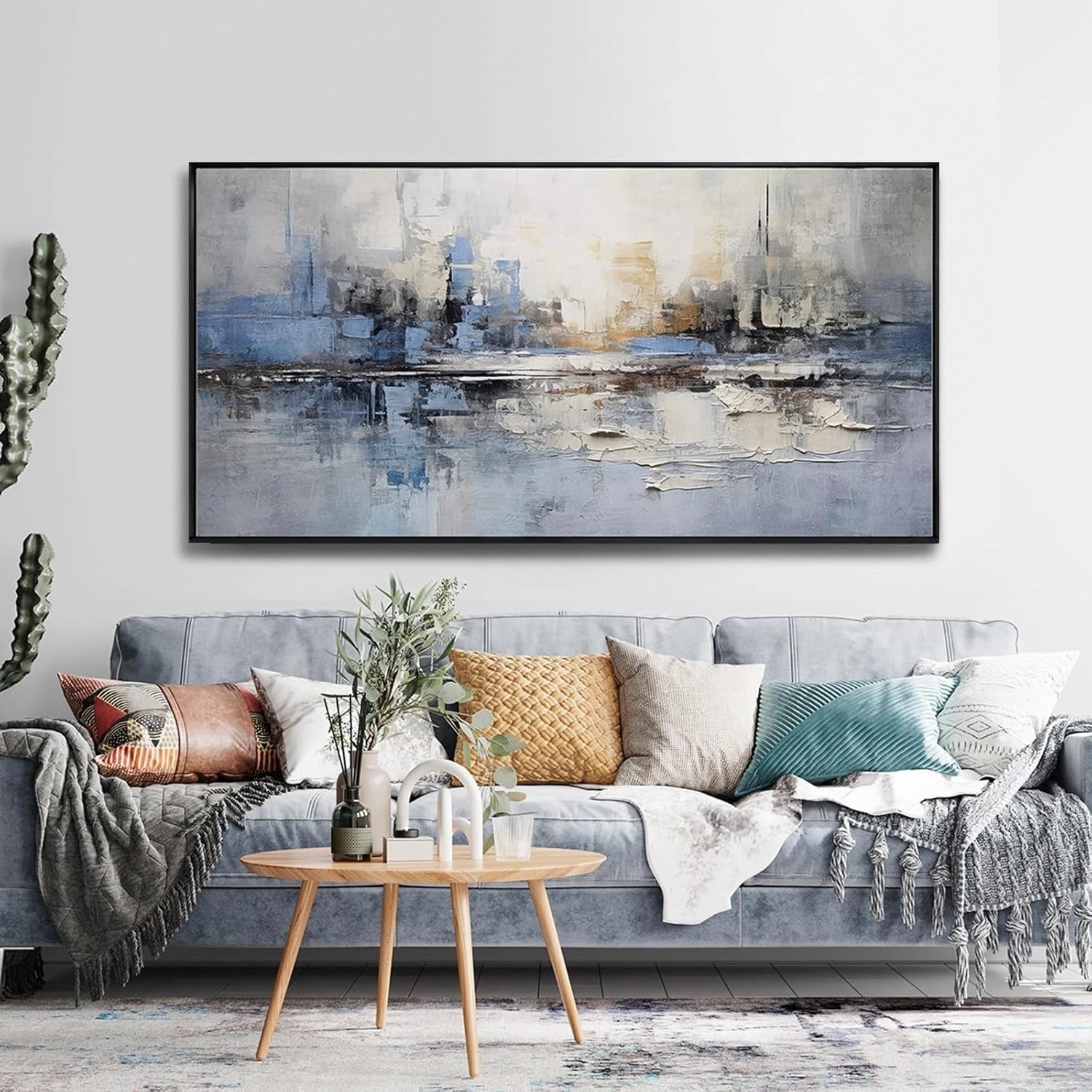
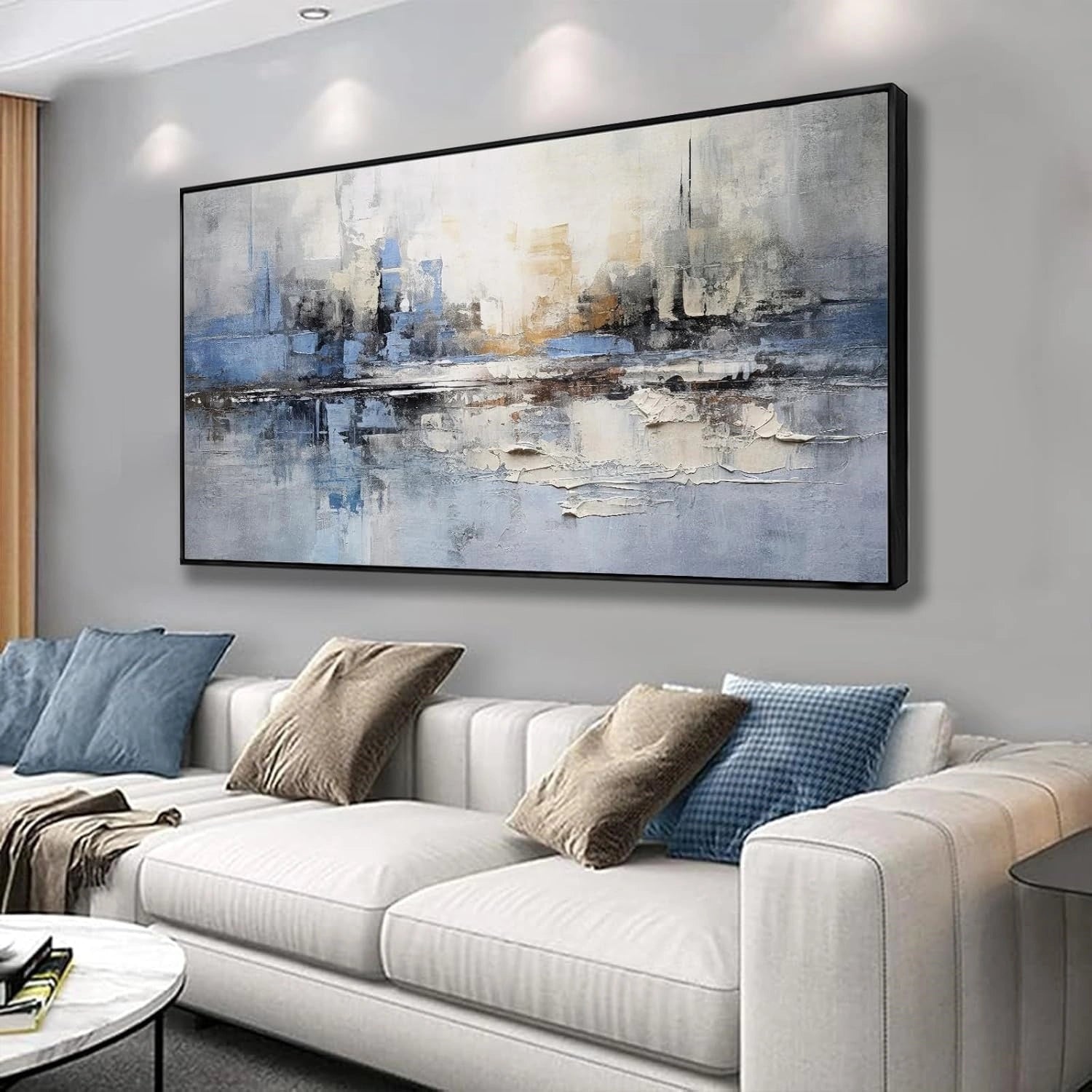
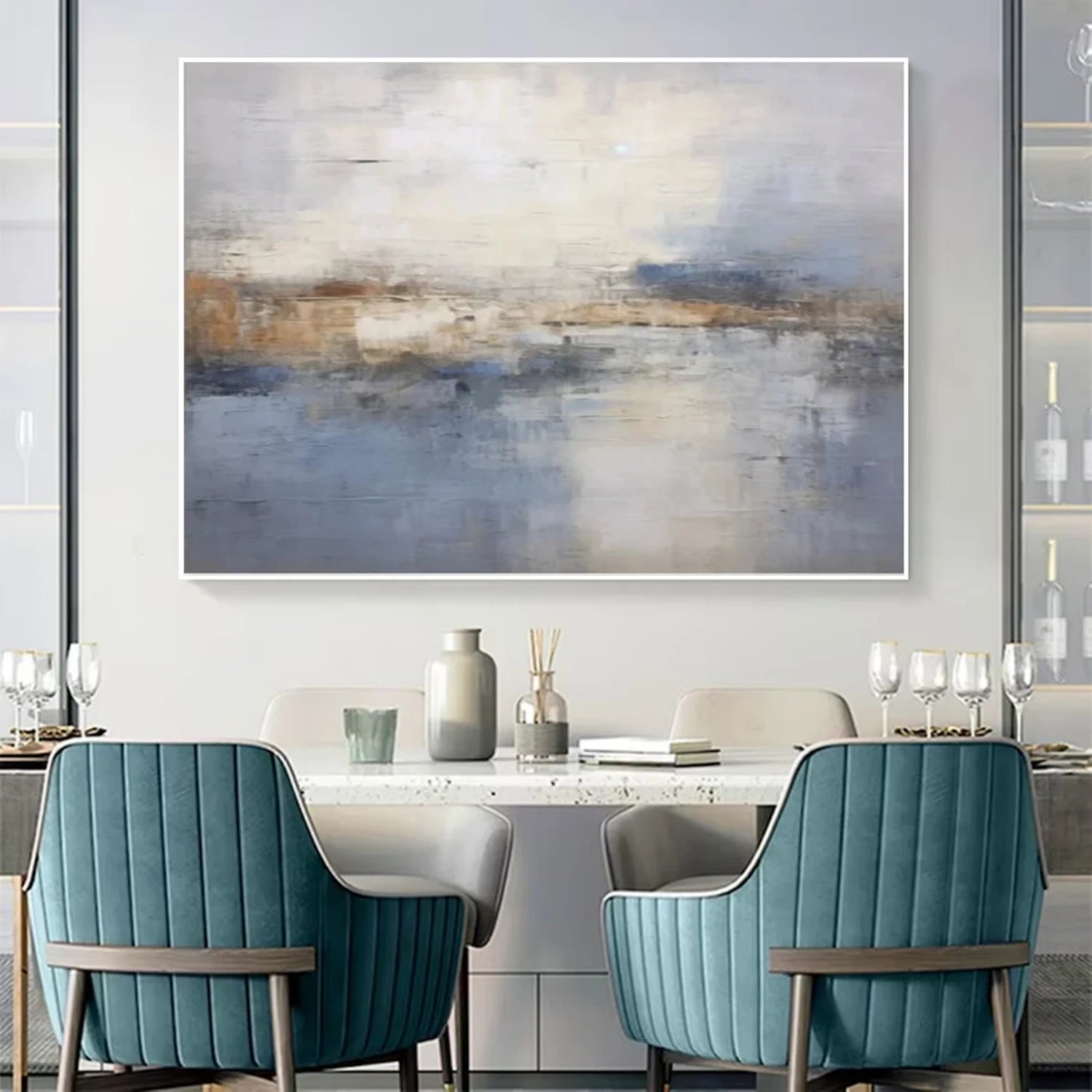
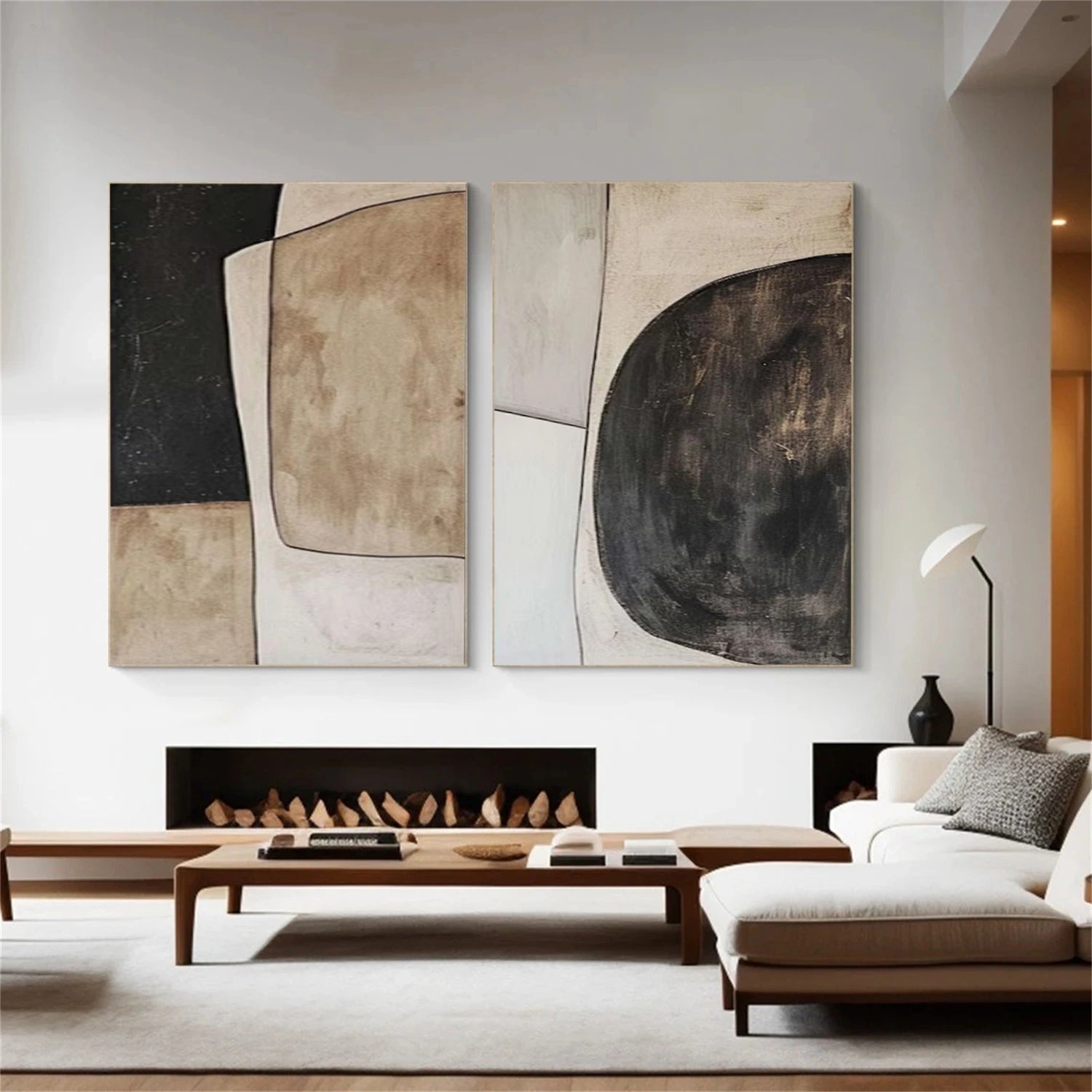
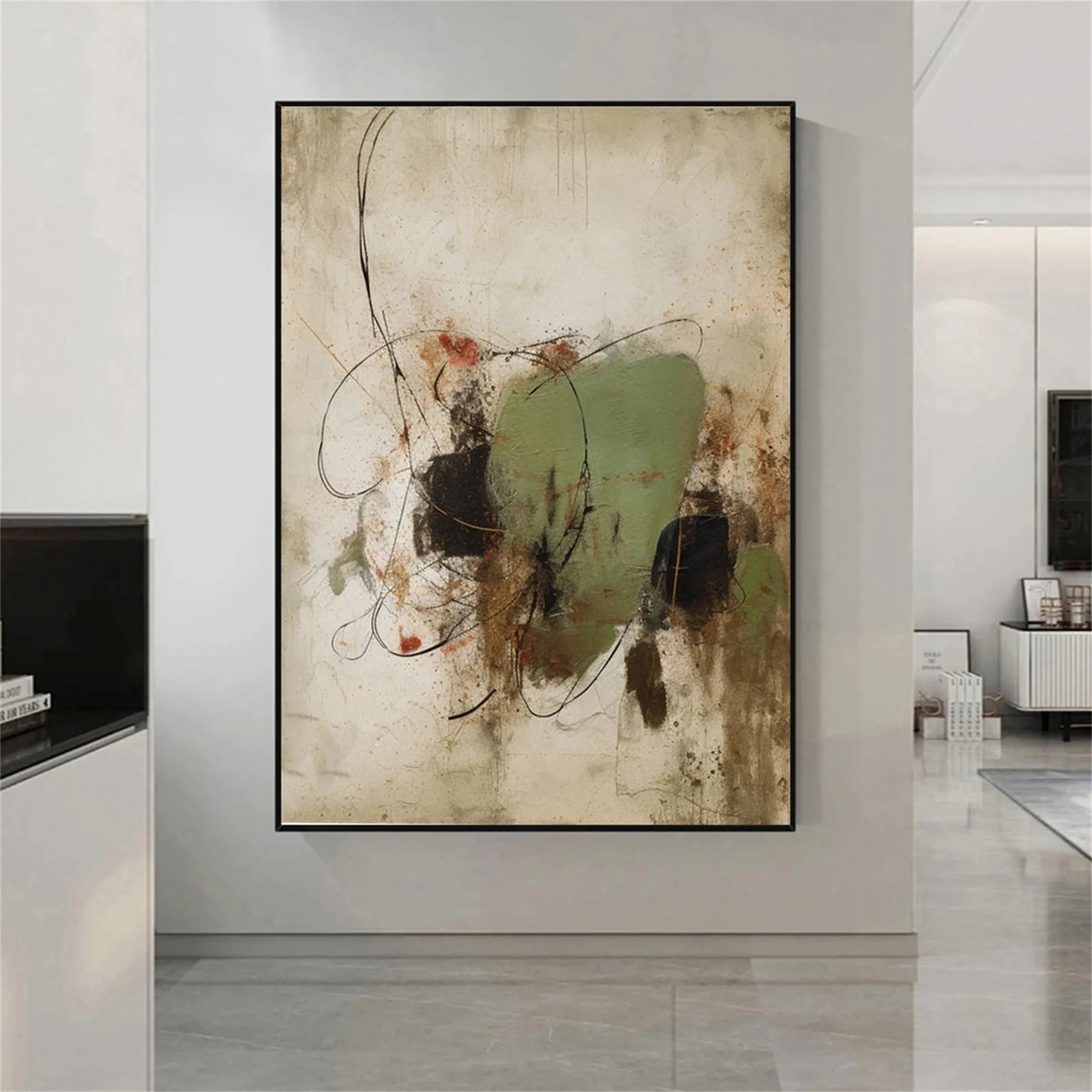
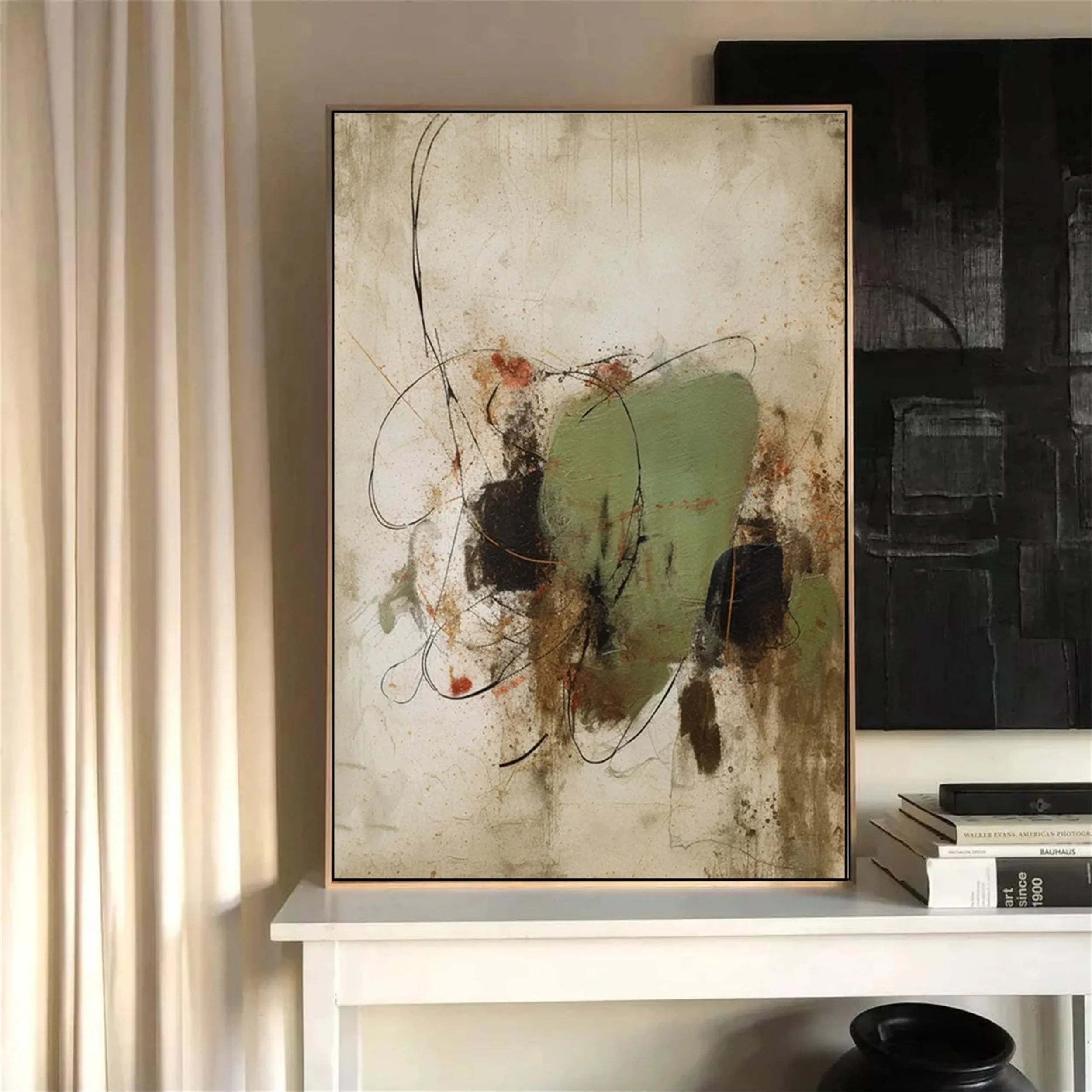
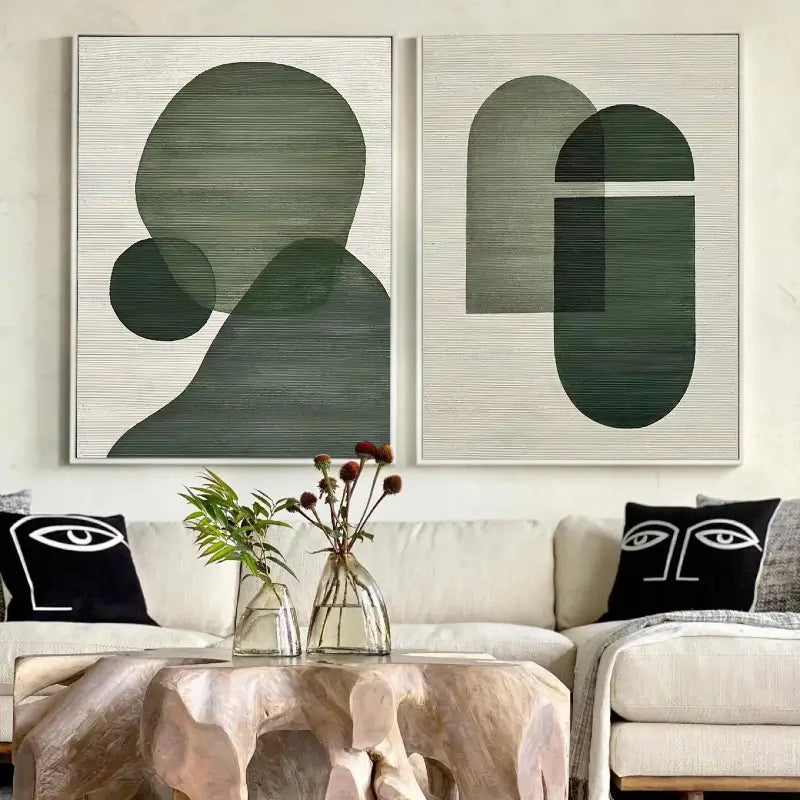
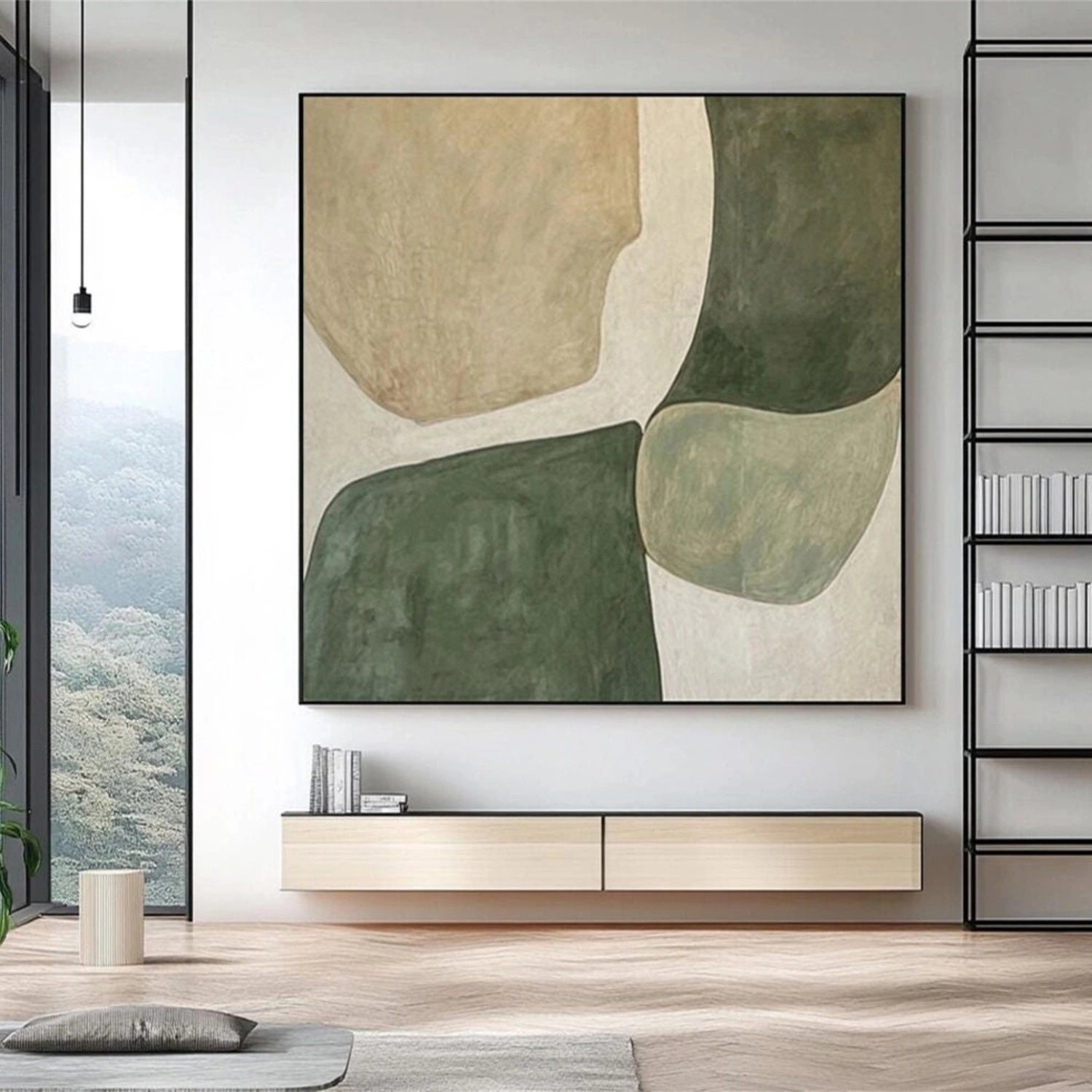
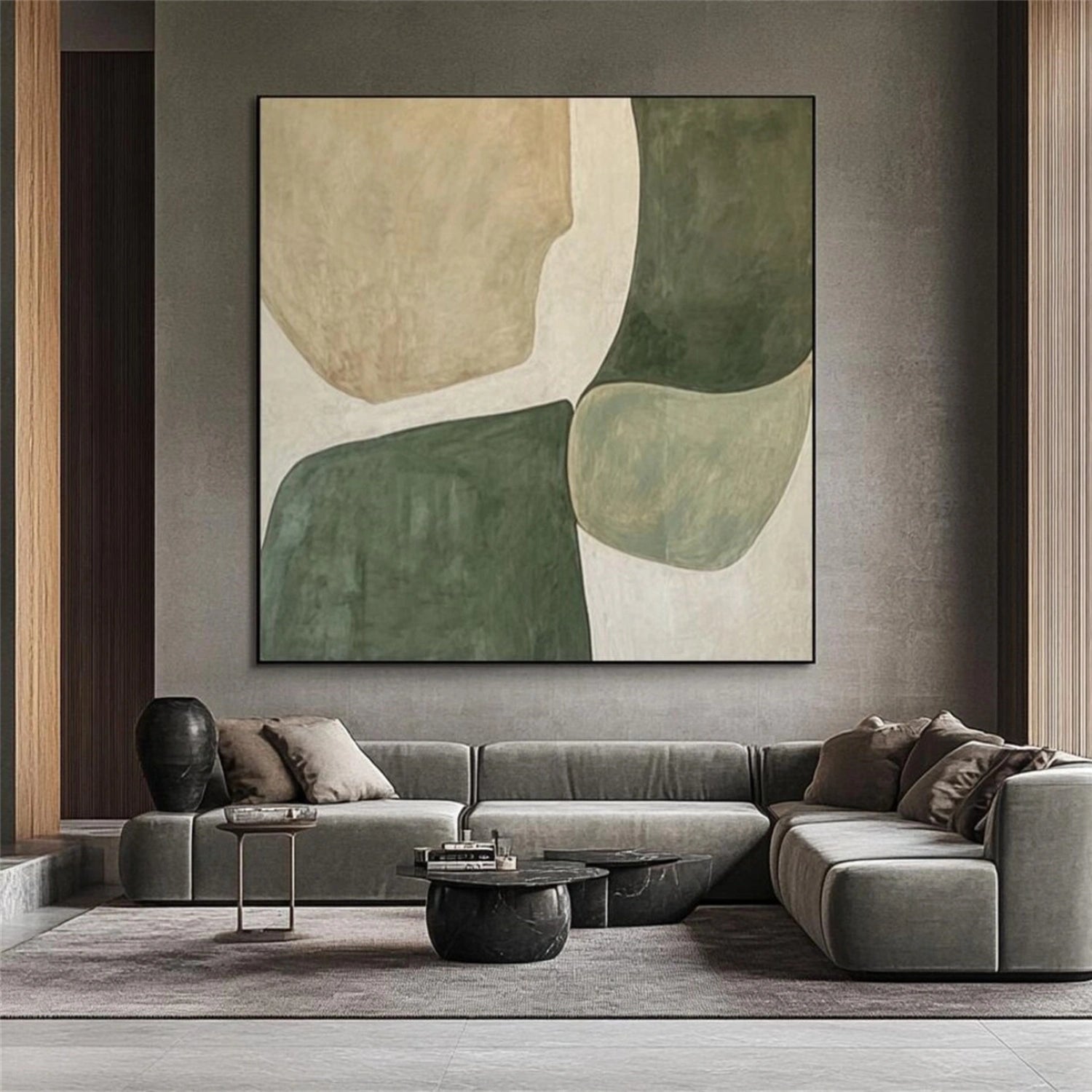
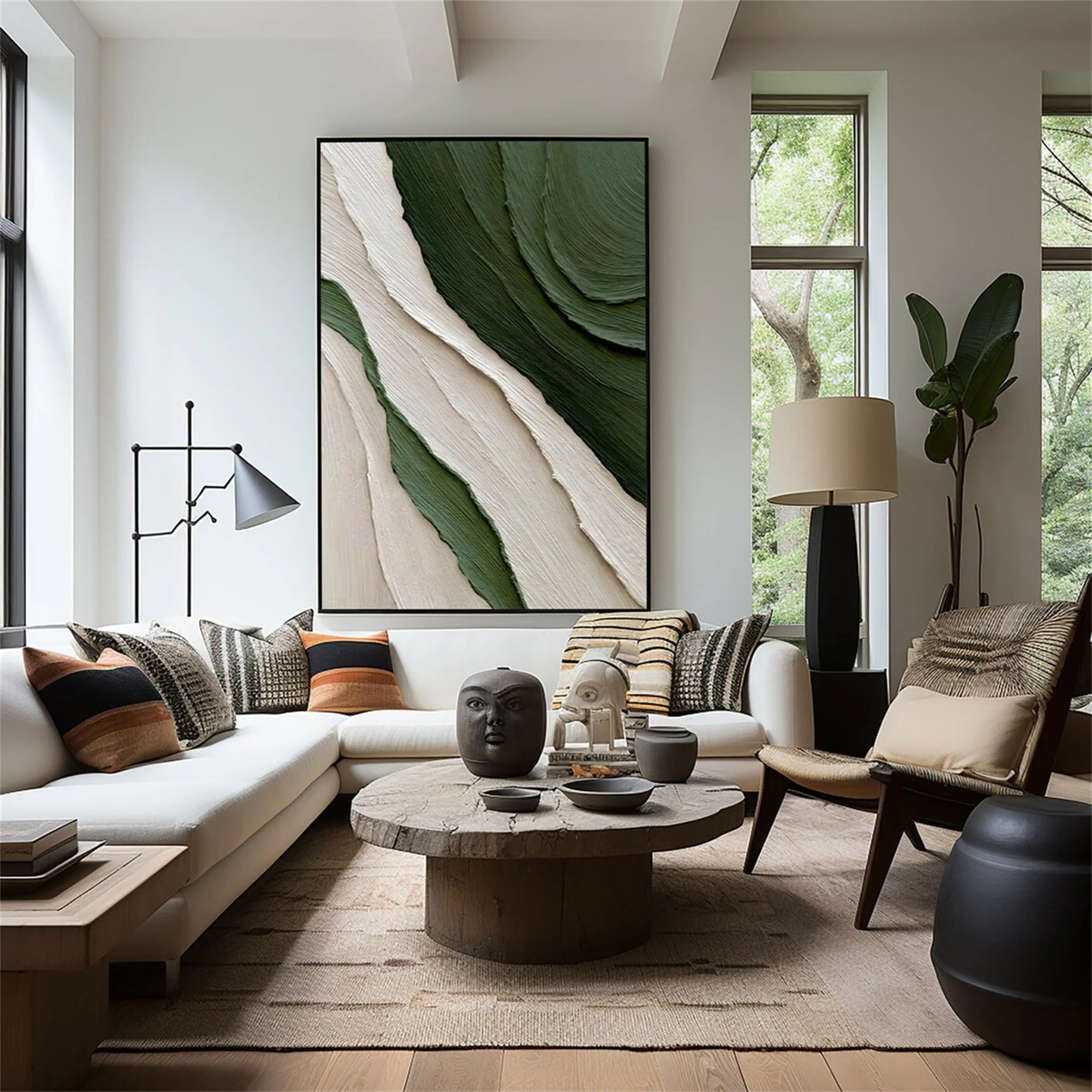
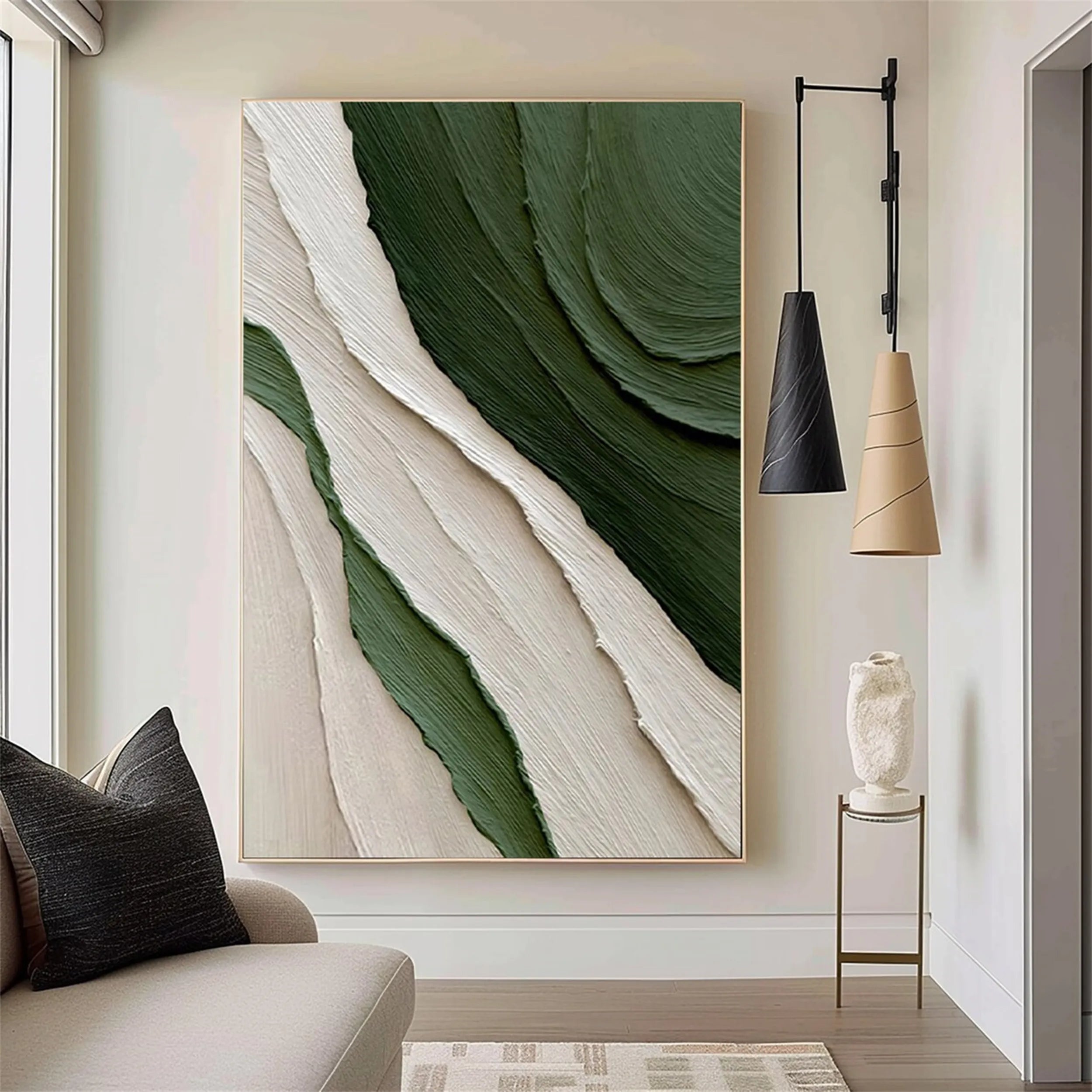
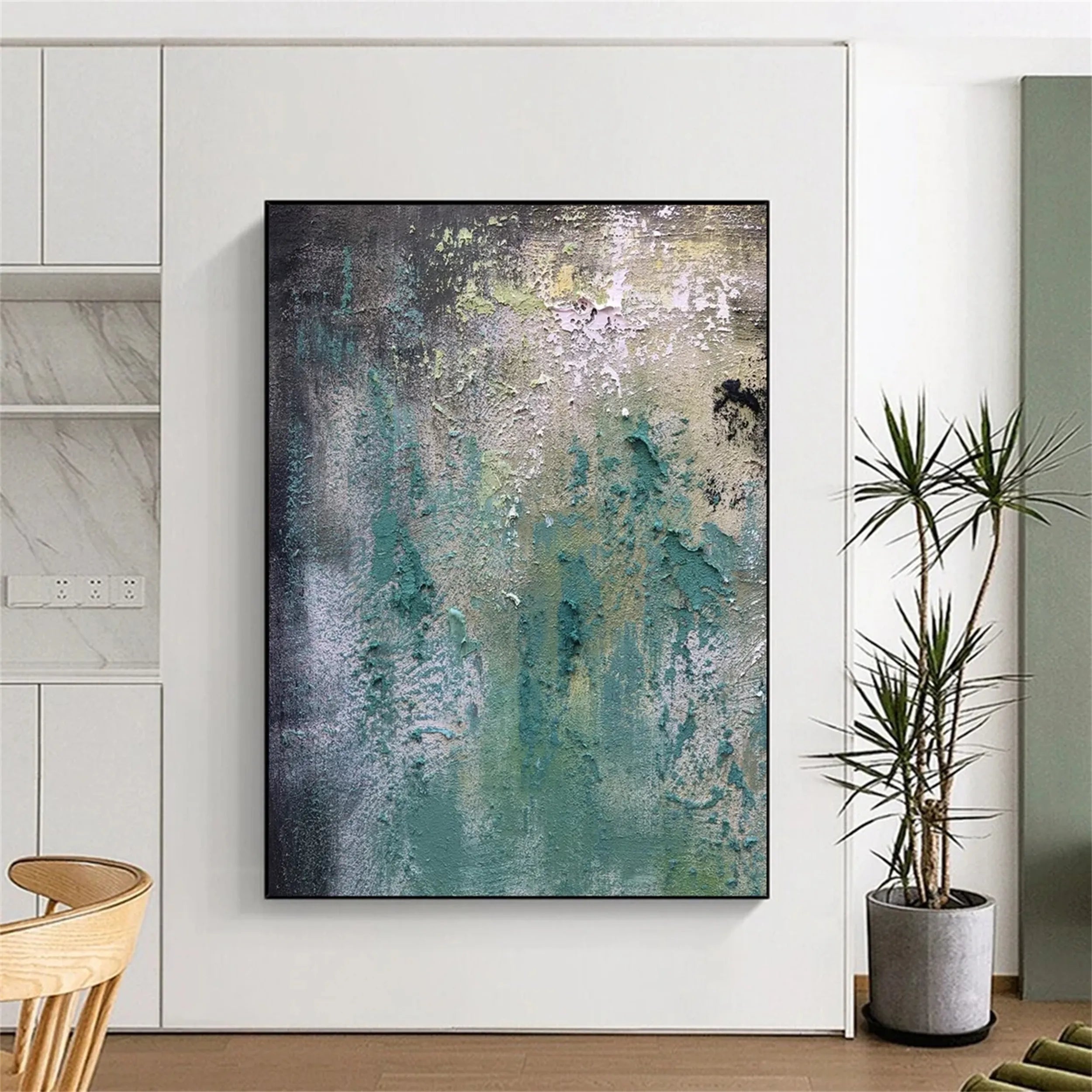
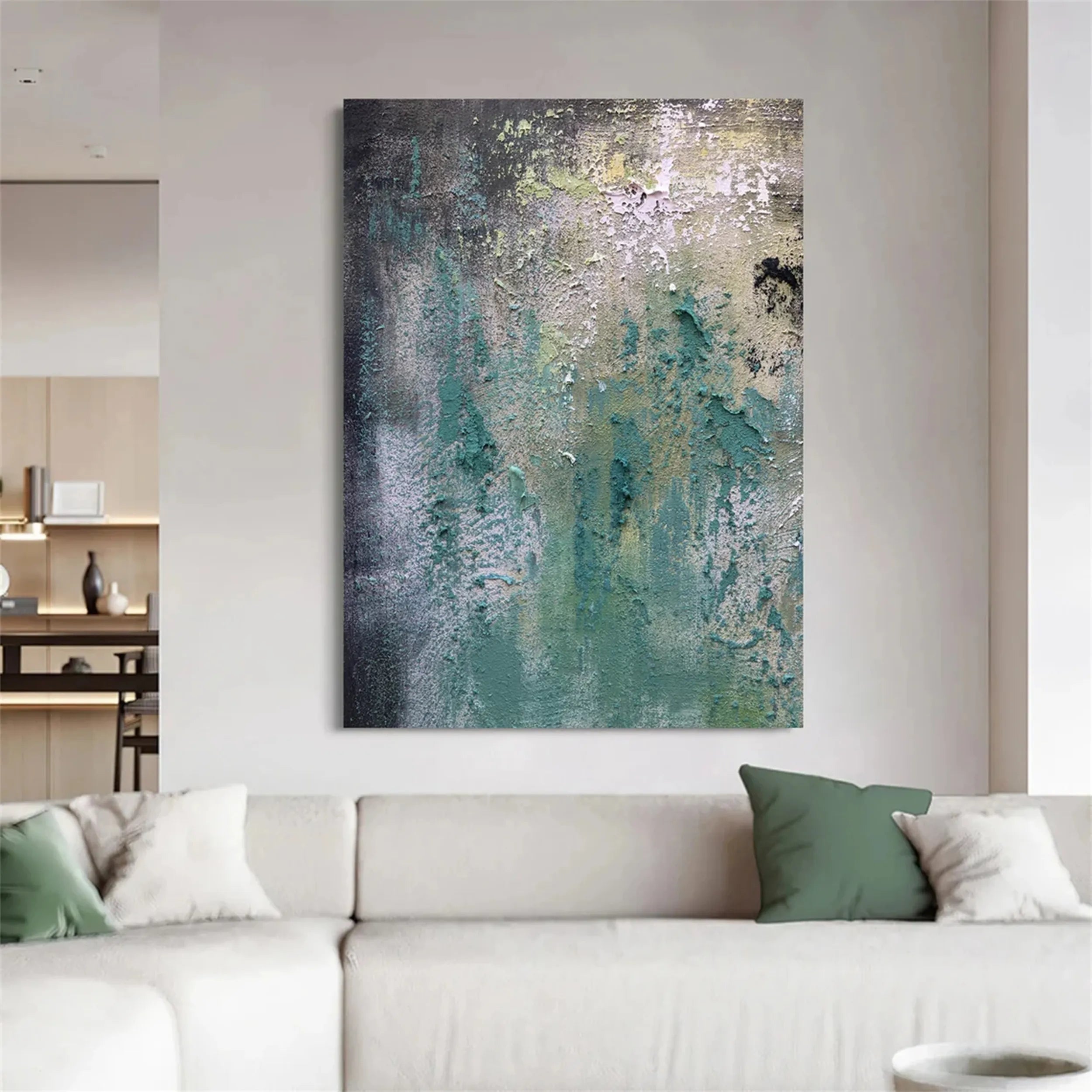
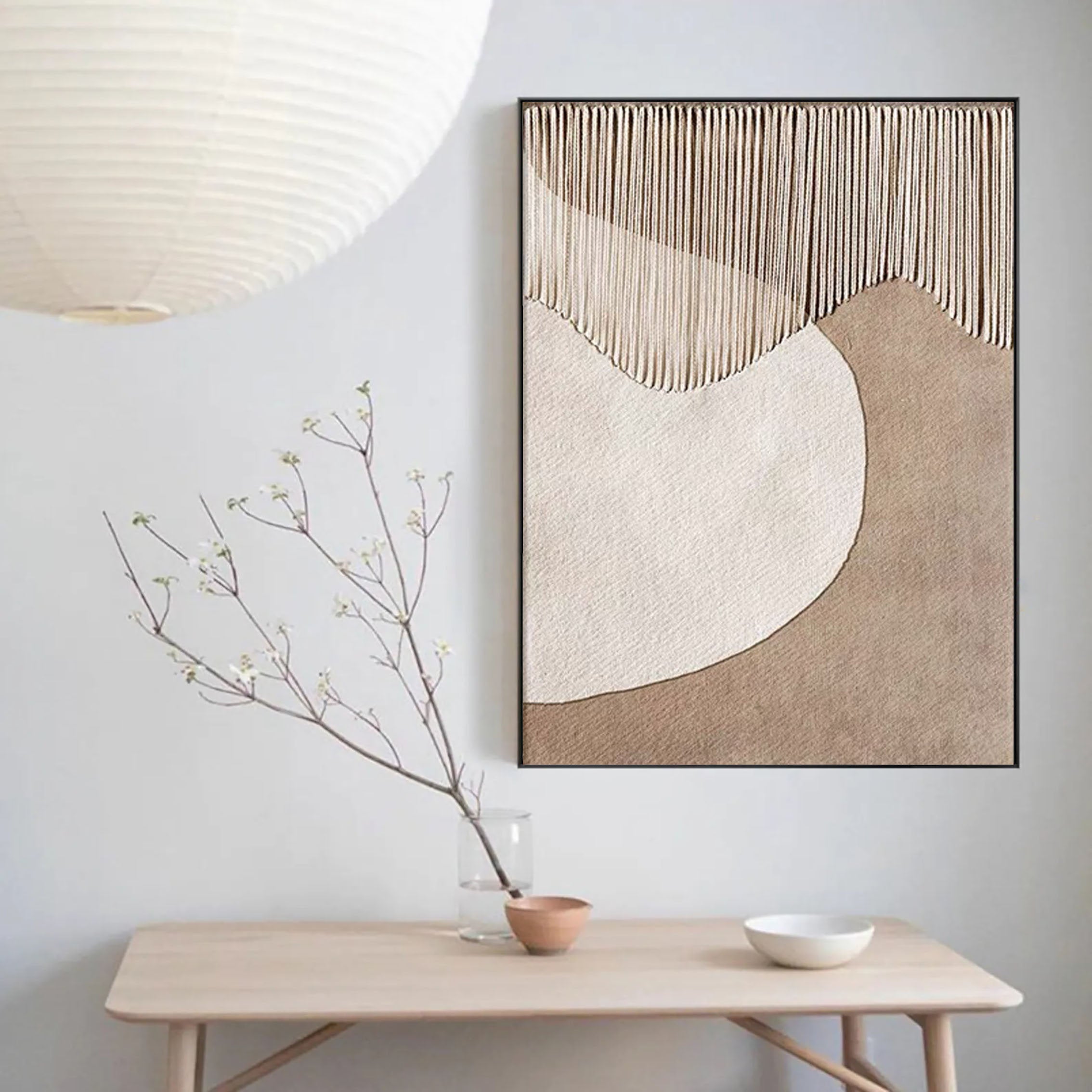
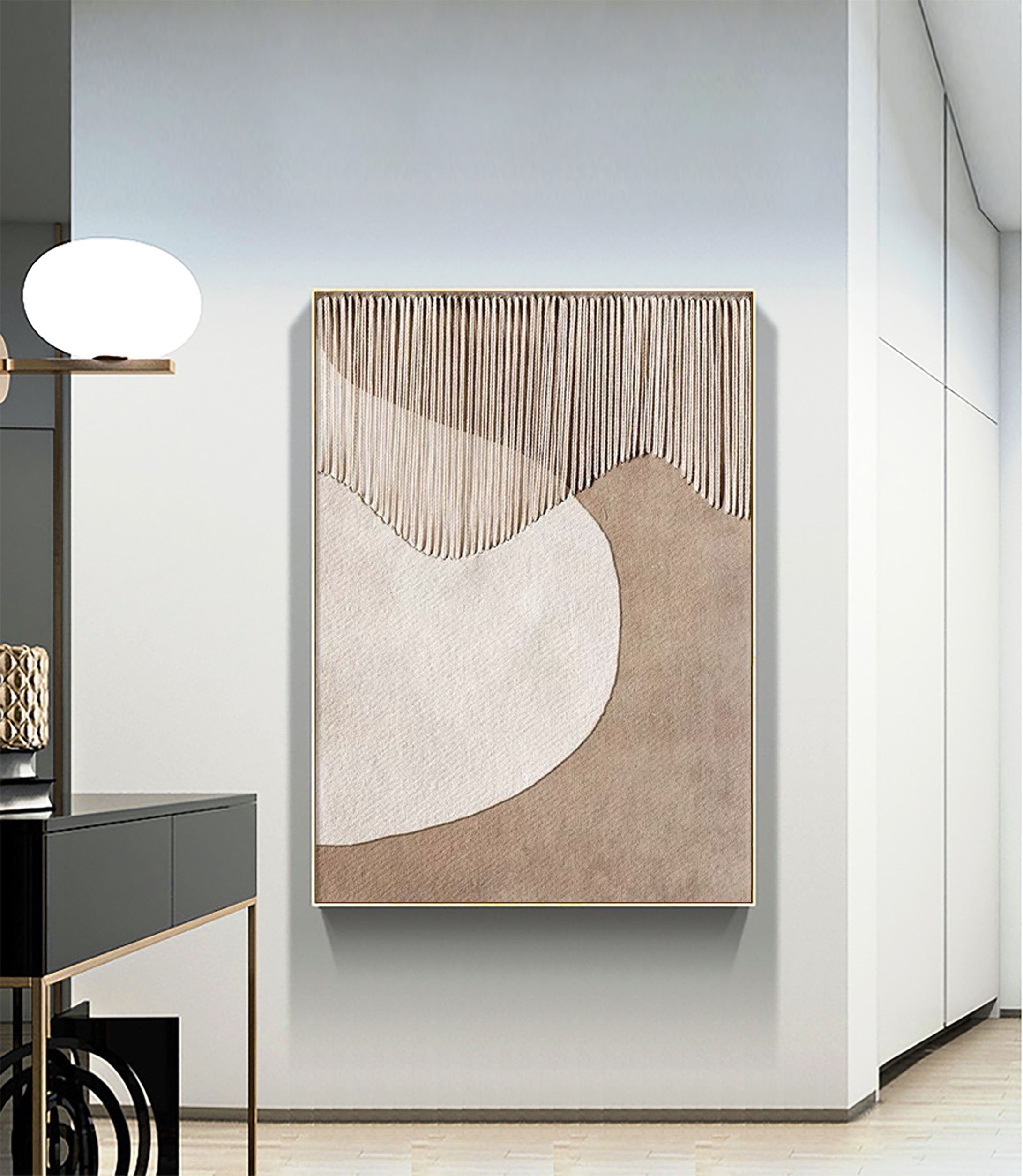
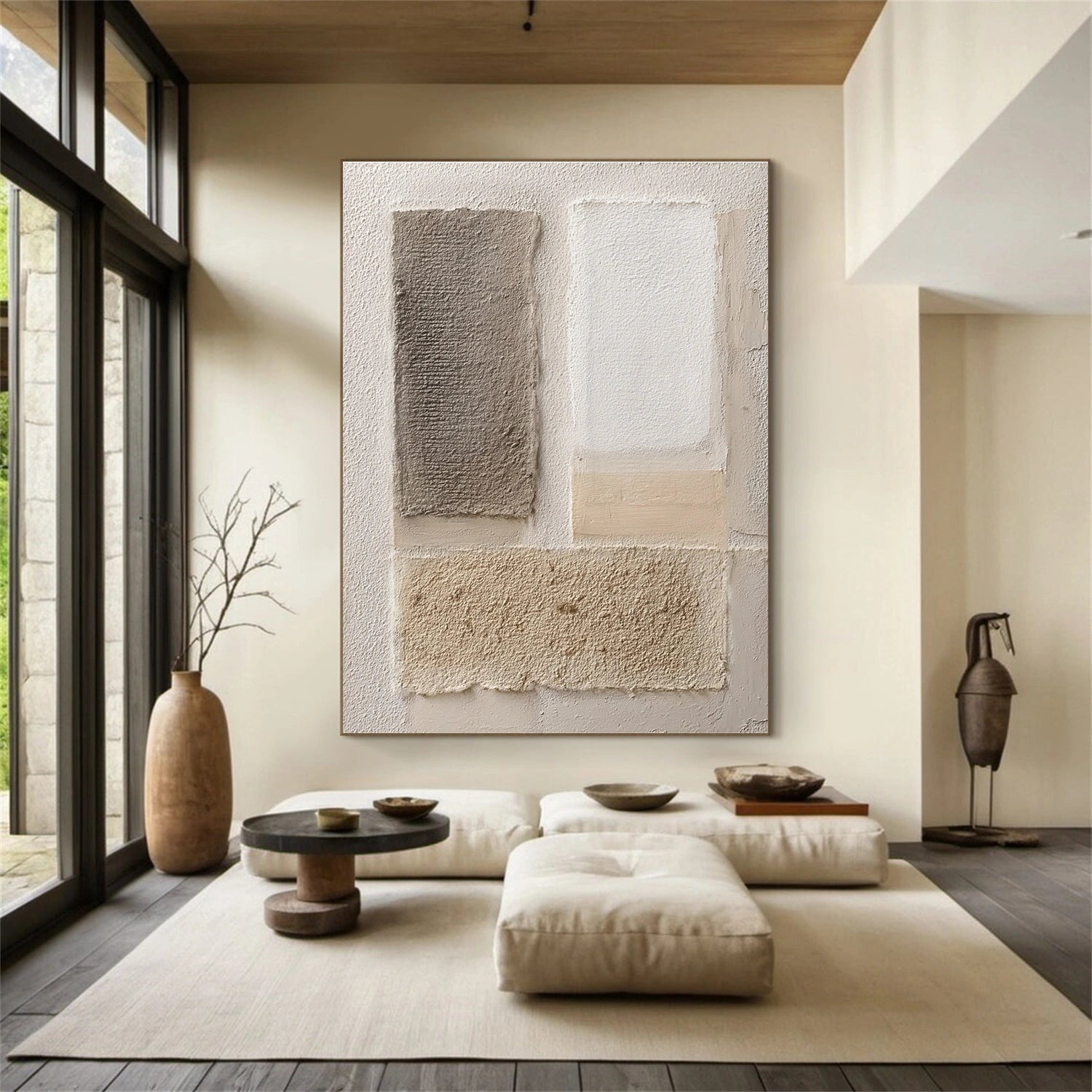
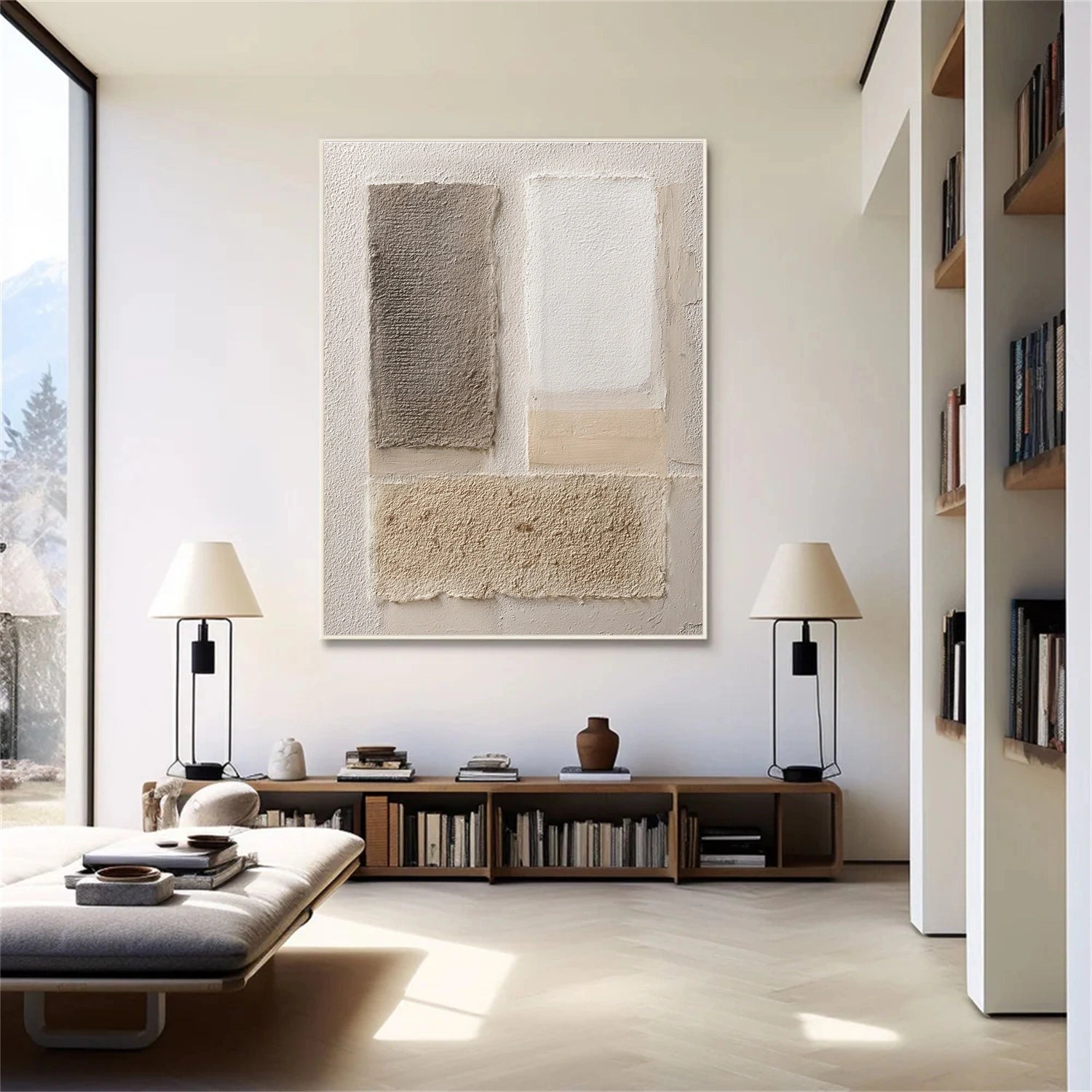
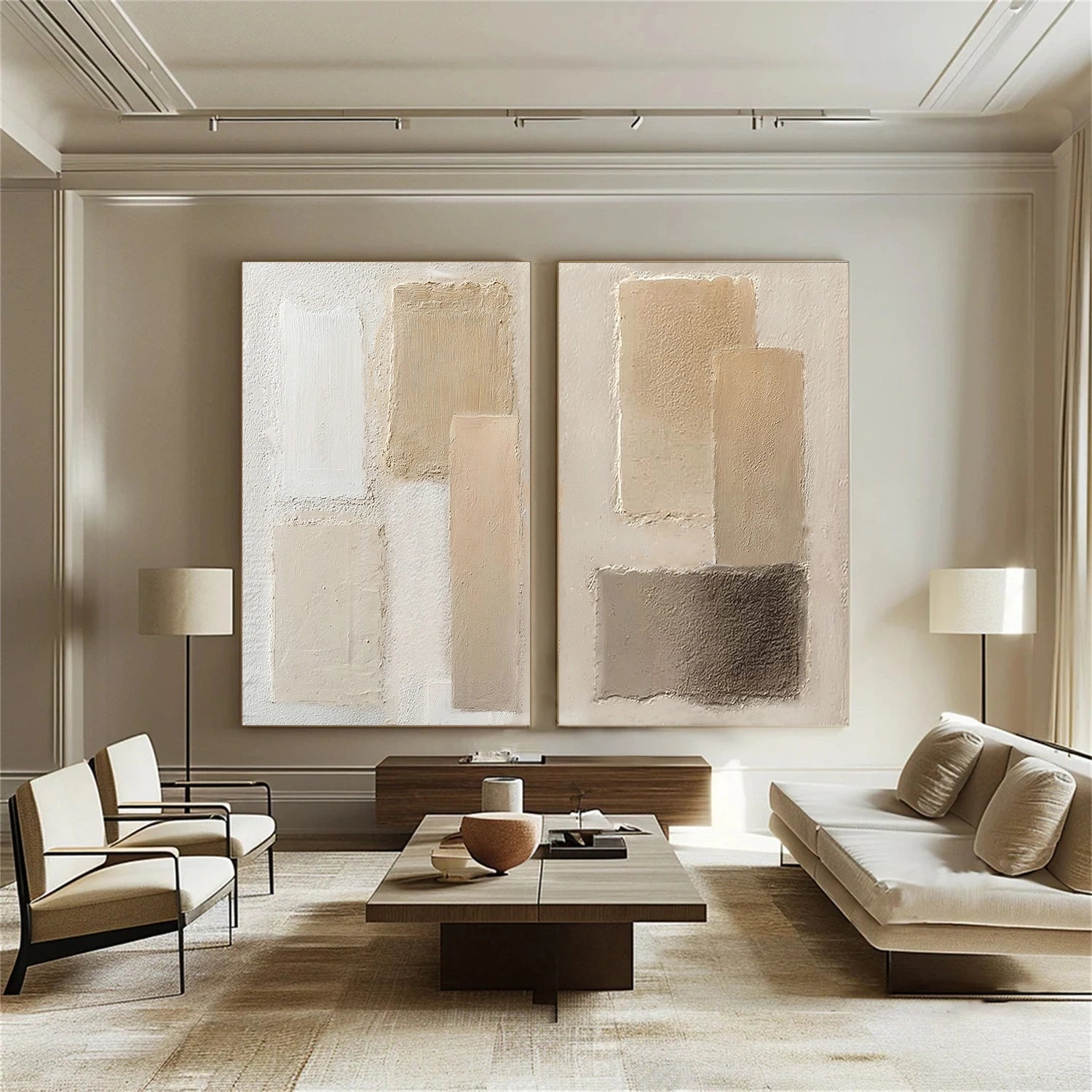
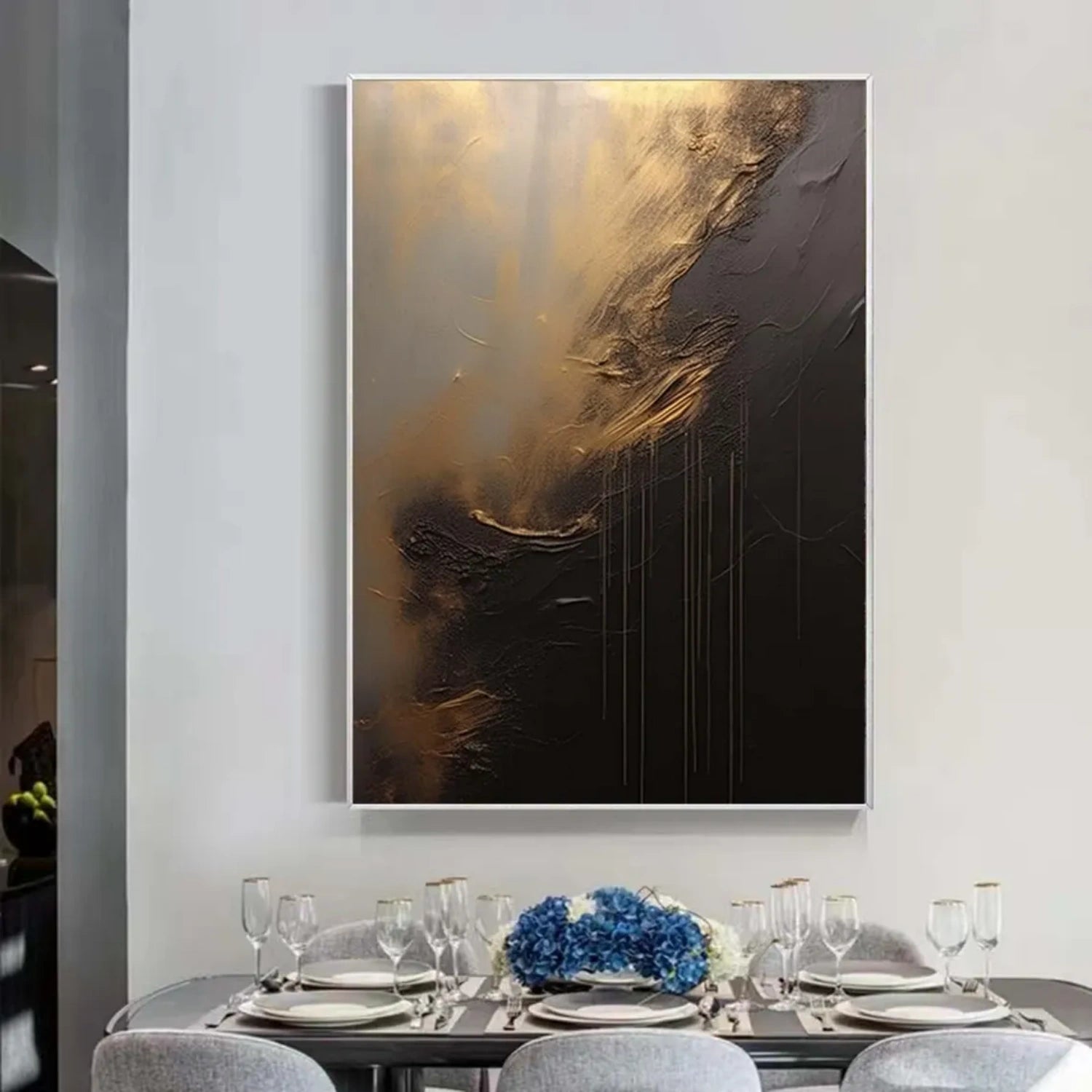
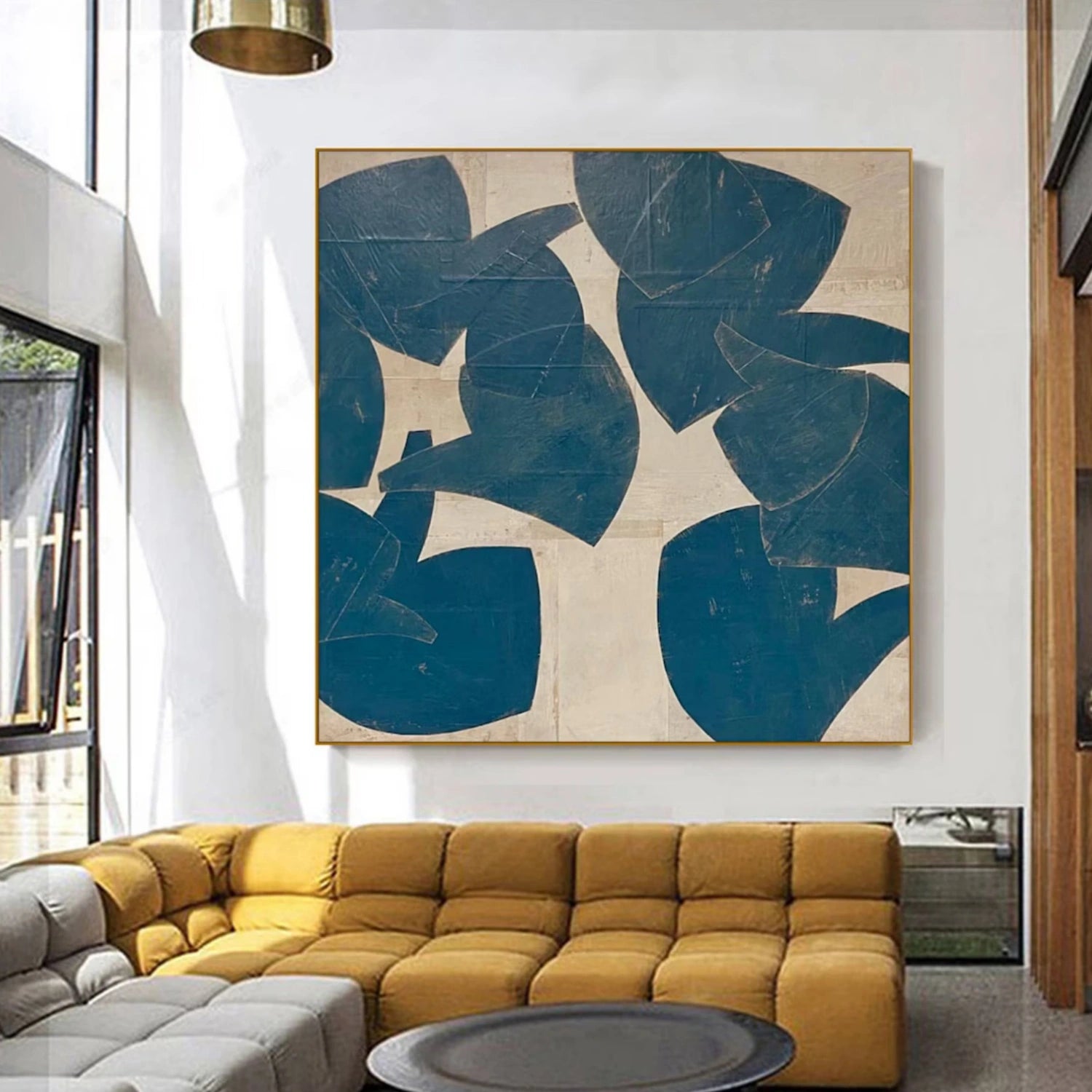
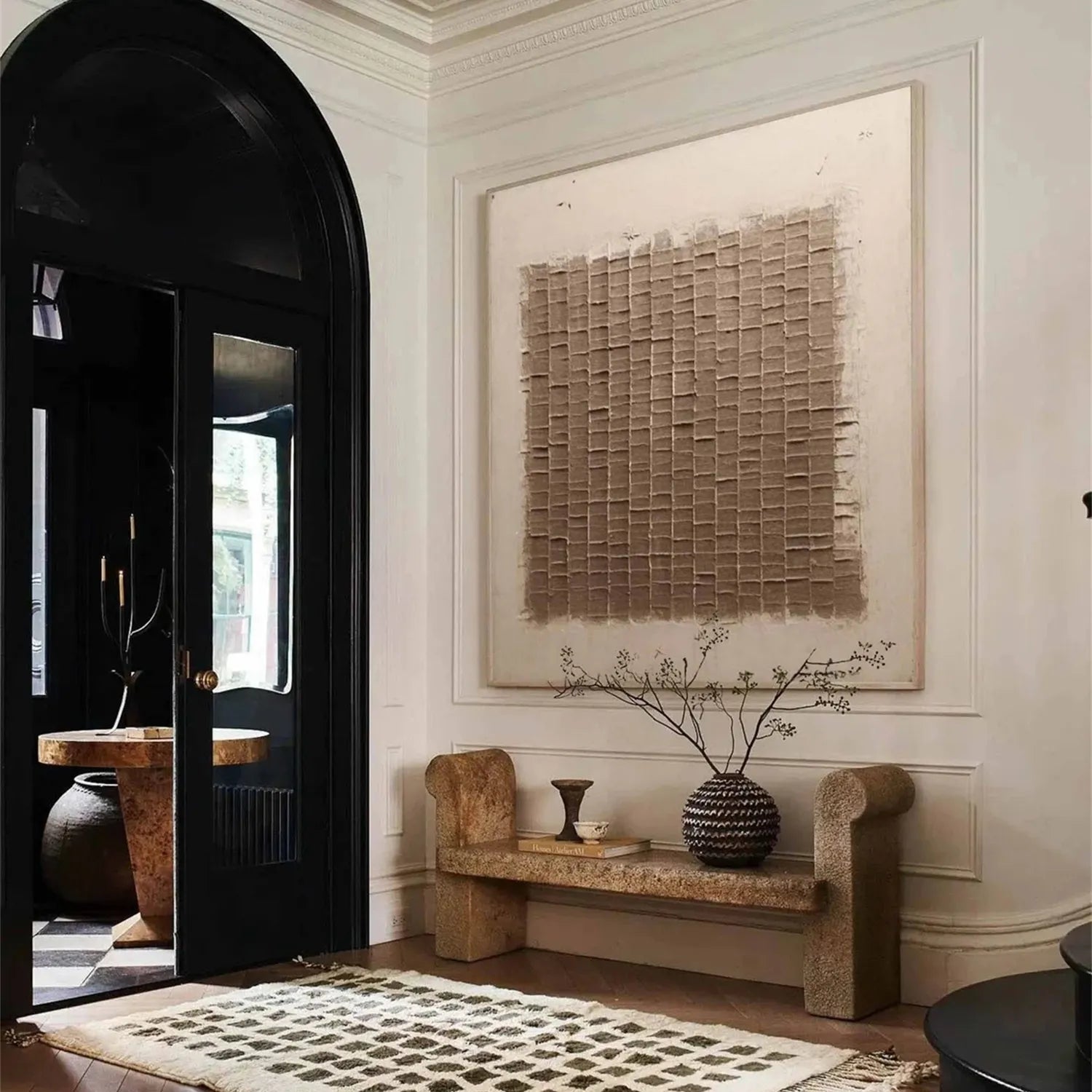
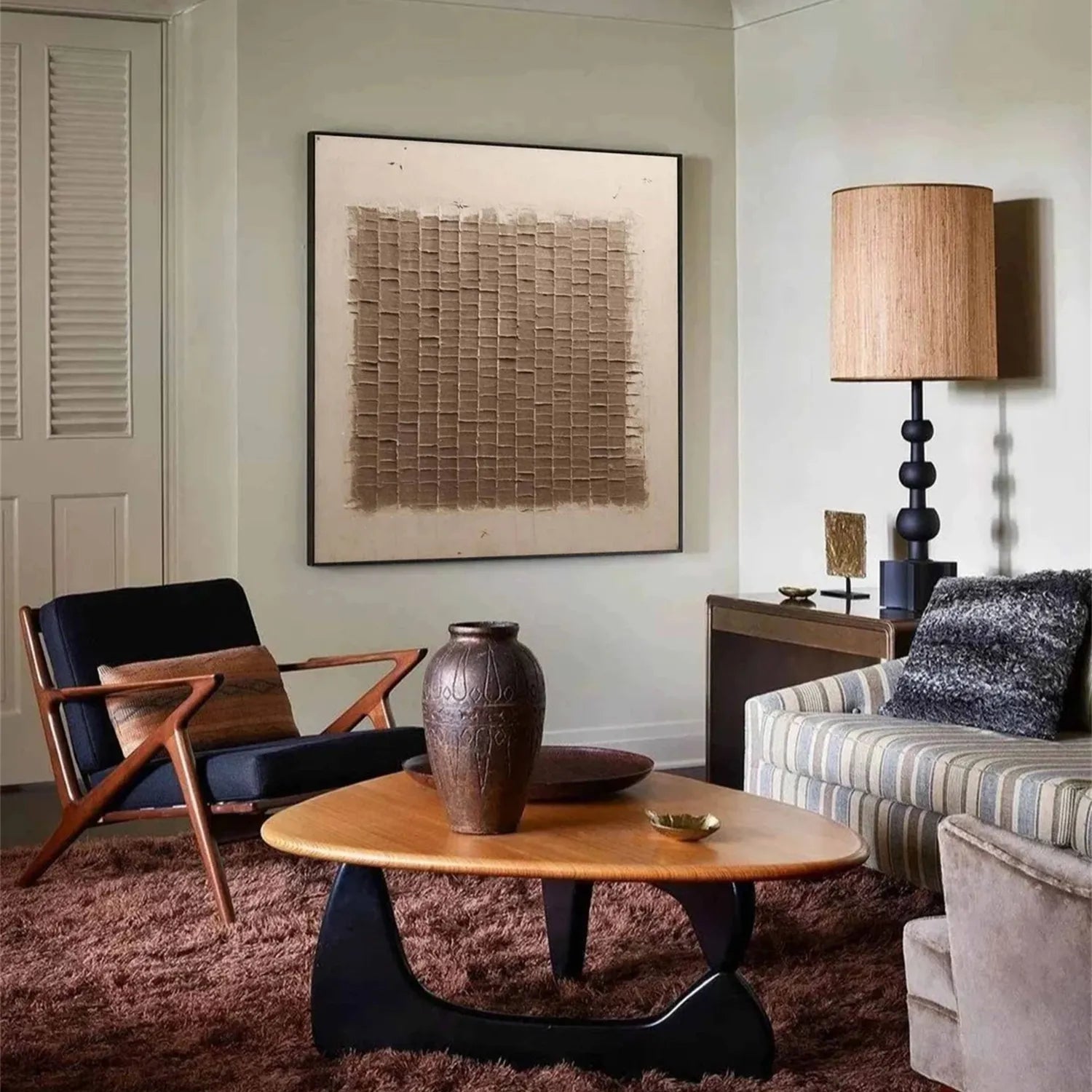
In abstract oil painting, these principles manifest as organic brush strokes, cracked textures, and earthy hues. Each imperfection, rather than being viewed as a flaw, becomes a testament to authenticity and natural beauty.
Why Is Wabi-Sabi Art Relevant in the Modern World?
In a world driven by digital perfection and mass production, wabi-sabi art offers a refreshing antidote. Its focus on imperfection and impermanence encourages mindfulness and authenticity. As people seek deeper emotional connections in an increasingly fast-paced world, wabi-sabi provides a way to slow down, appreciate the present, and embrace natural flaws.
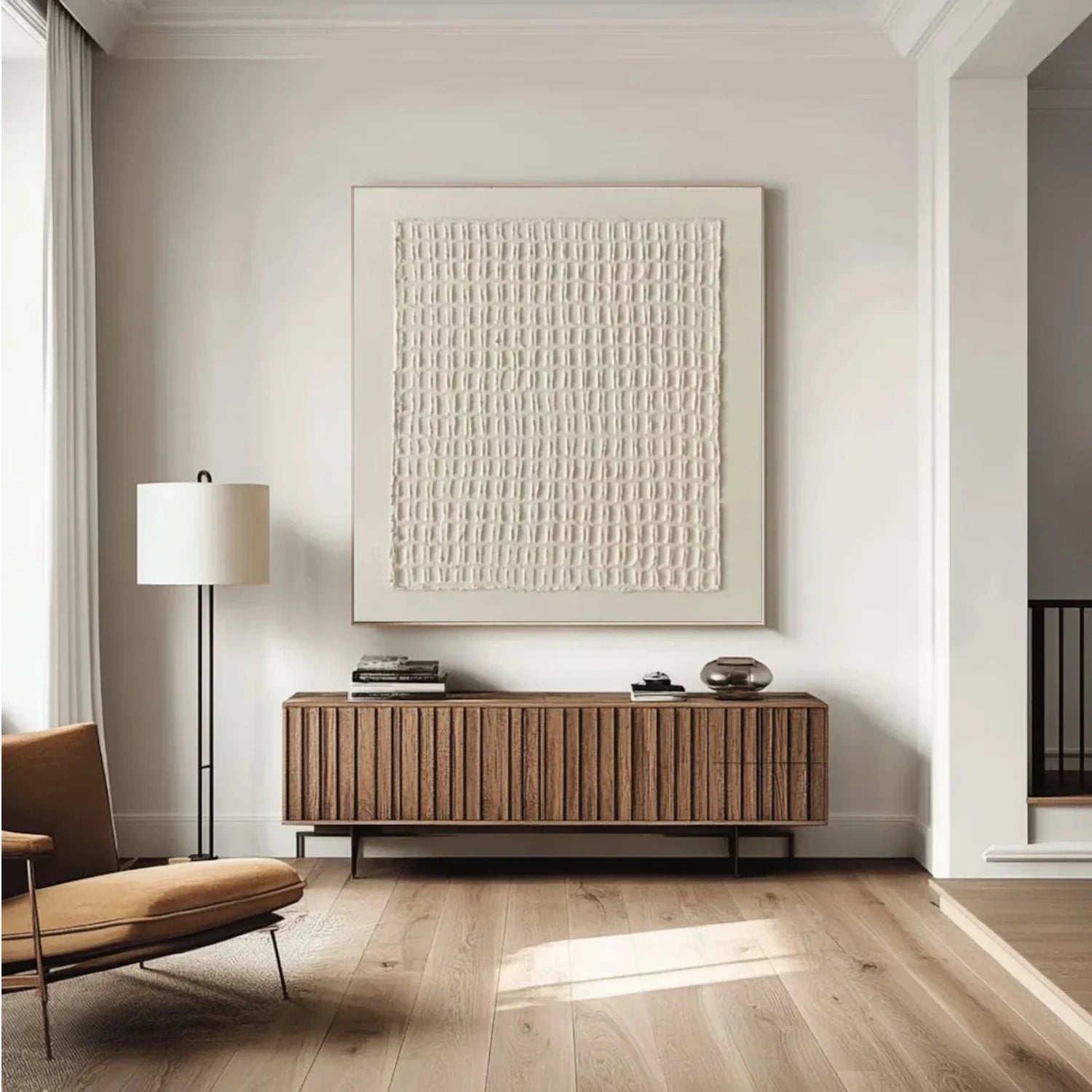
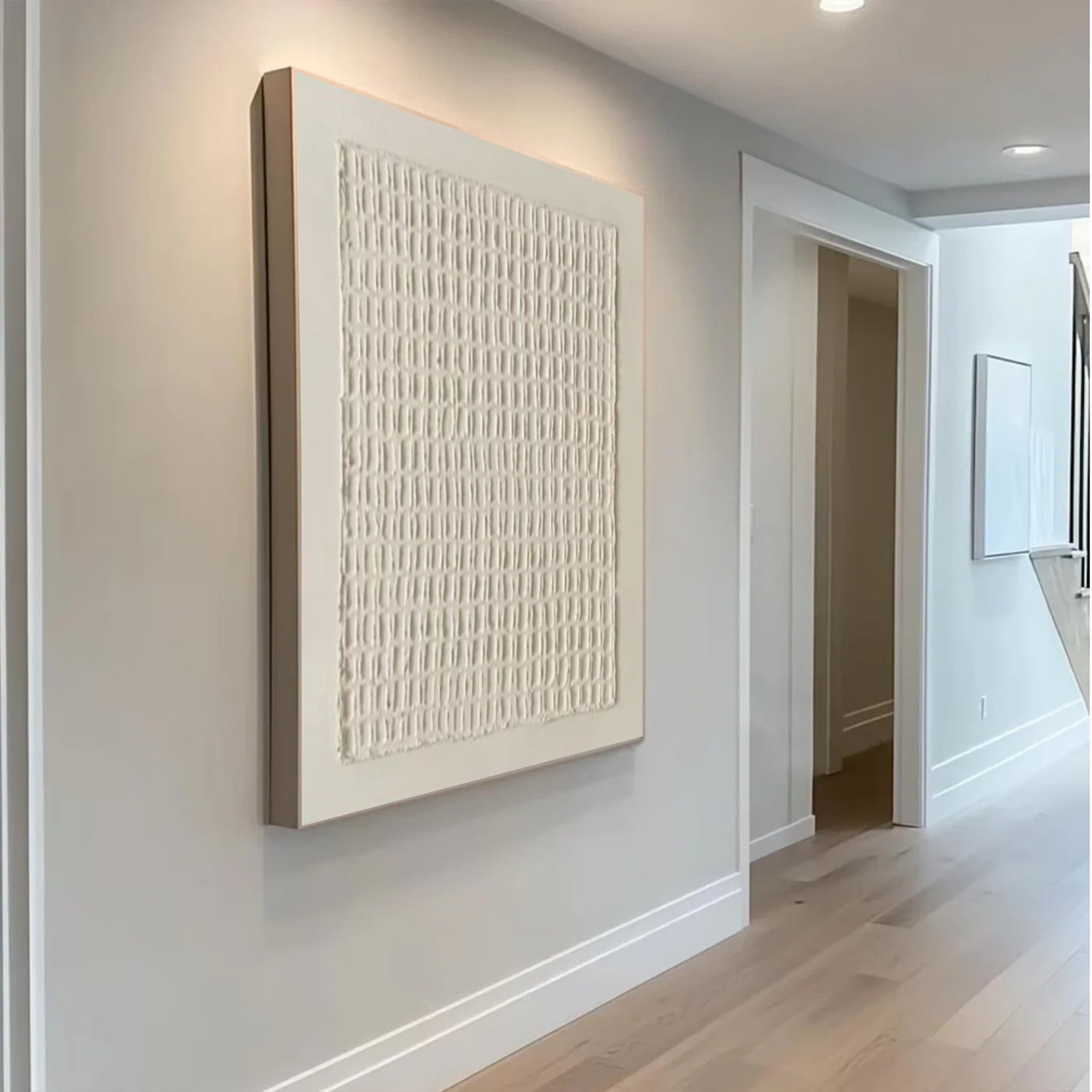
Vinchy Art incorporates wabi-sabi's calming principles into its abstract oil paintings, creating works that not only beautify spaces but also foster emotional well-being. Each painting invites viewers to pause and connect with the raw, imperfect beauty of life, aligning perfectly with the modern quest for peace and balance.
Which Materials and Techniques Define Wabi-Sabi Art?
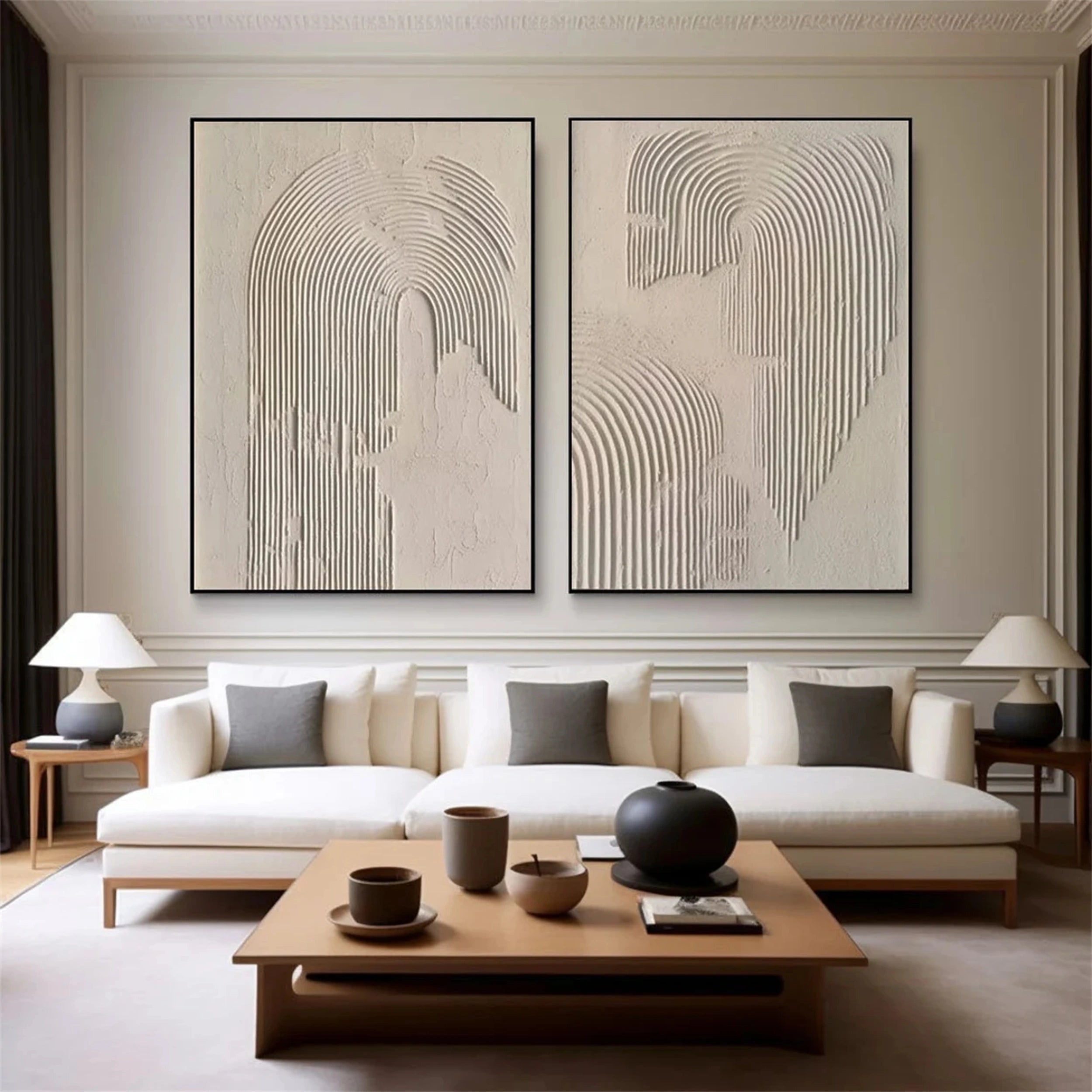
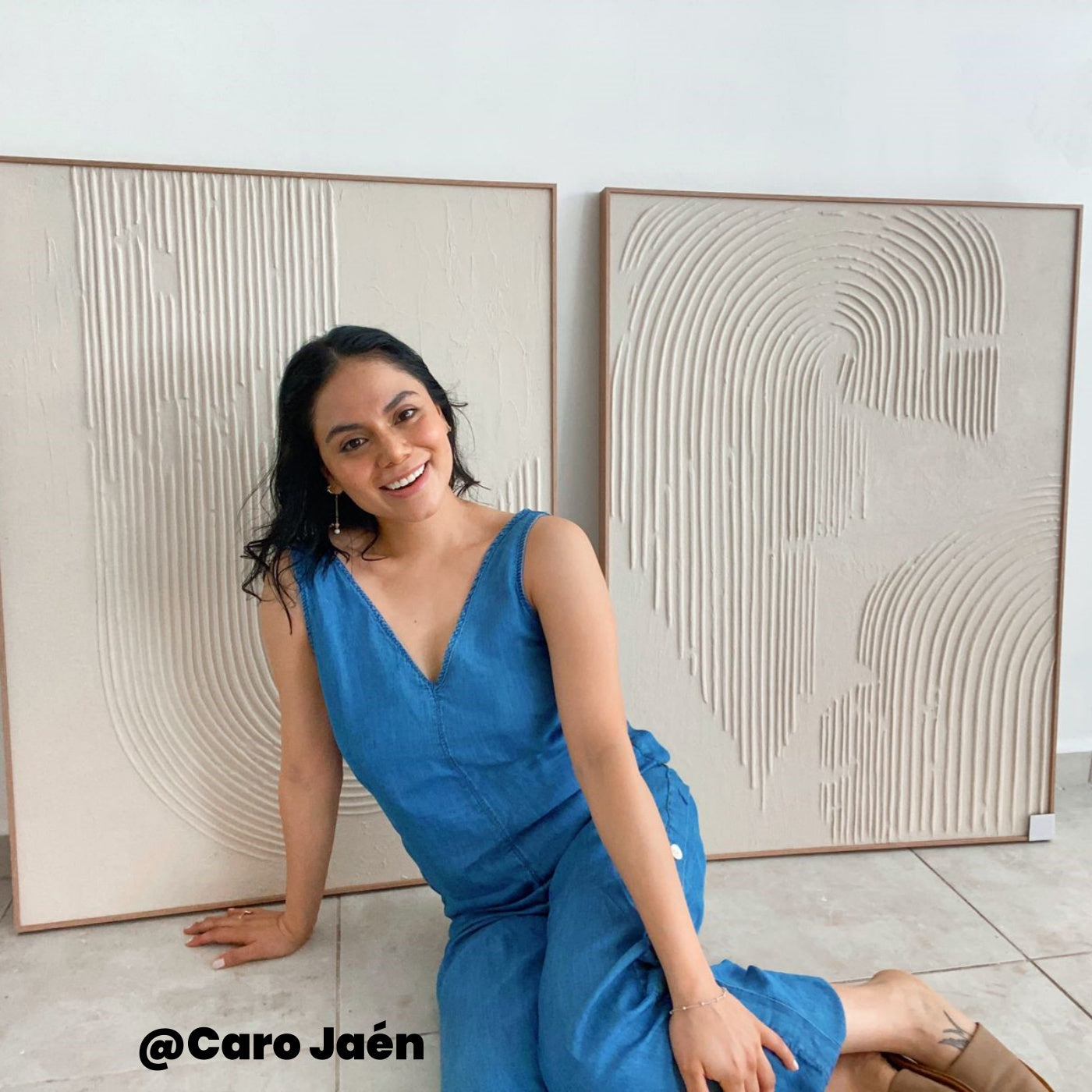
Traditional wabi-sabi art relies on natural materials such as clay, wood, paper, and organic pigments. These materials, often handmade, carry the unpredictability and rawness that define wabi-sabi’s charm. Visible brush strokes, cracks, and weathered edges all tell a story of time and transformation.
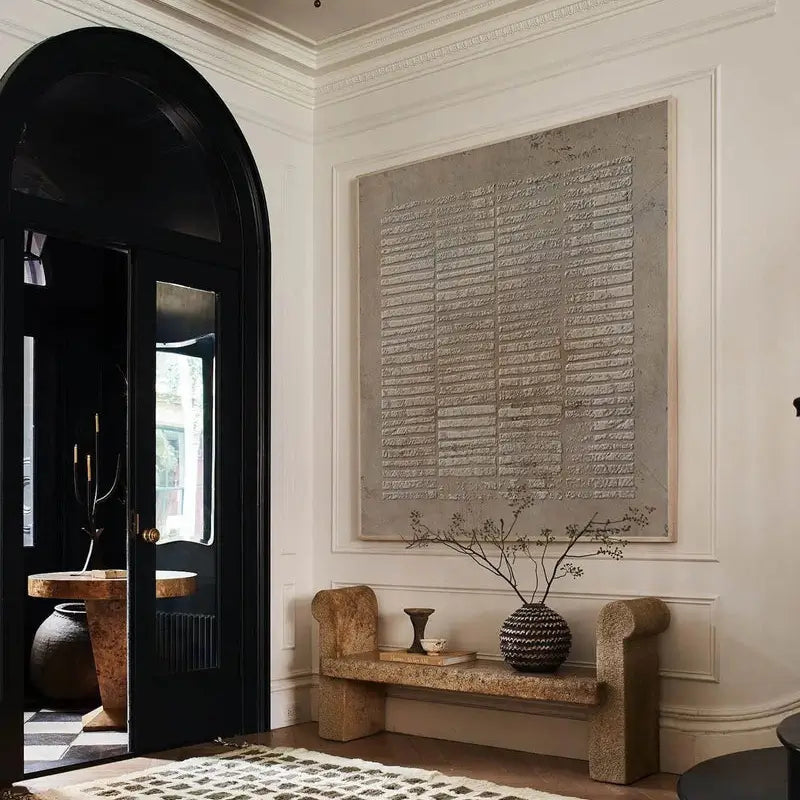
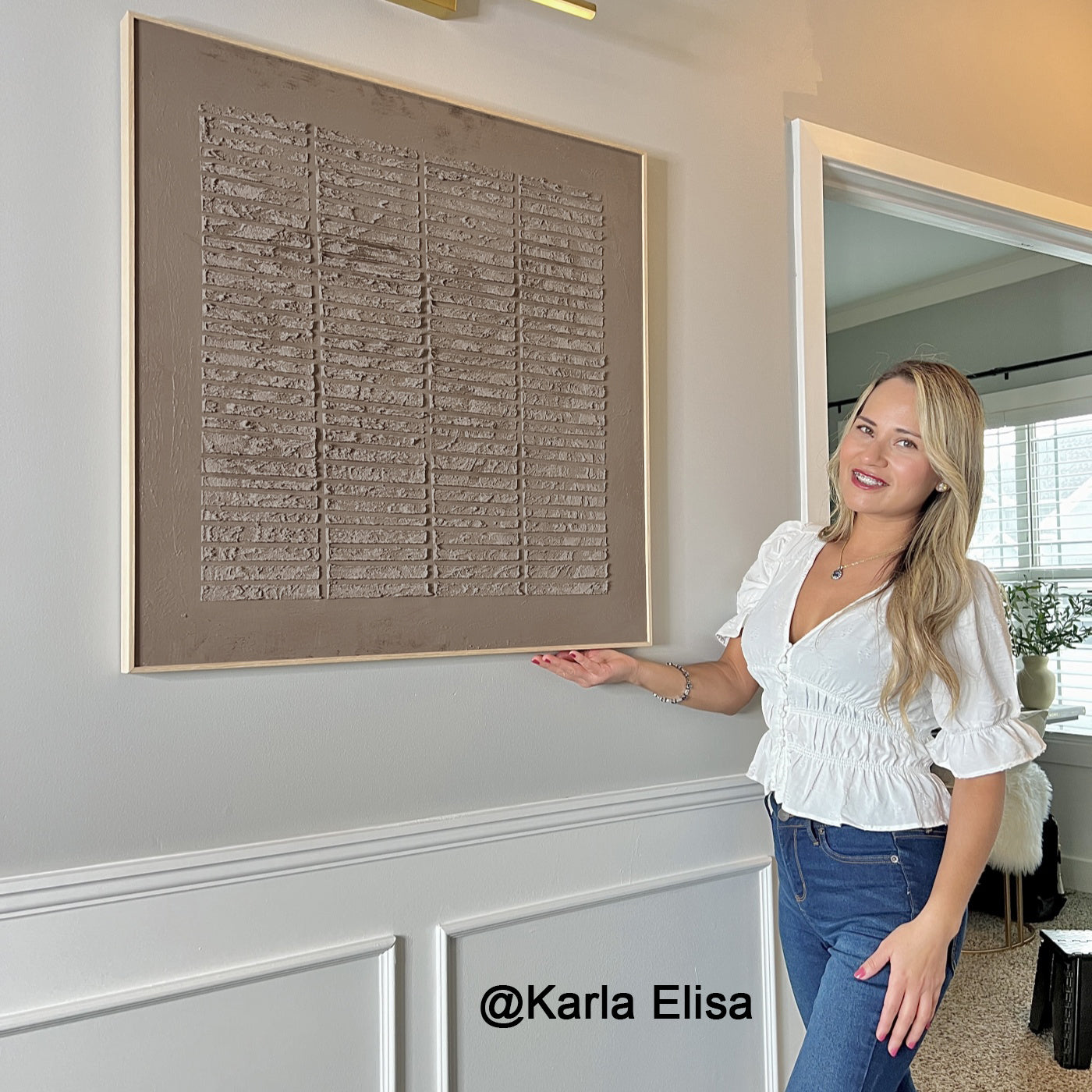
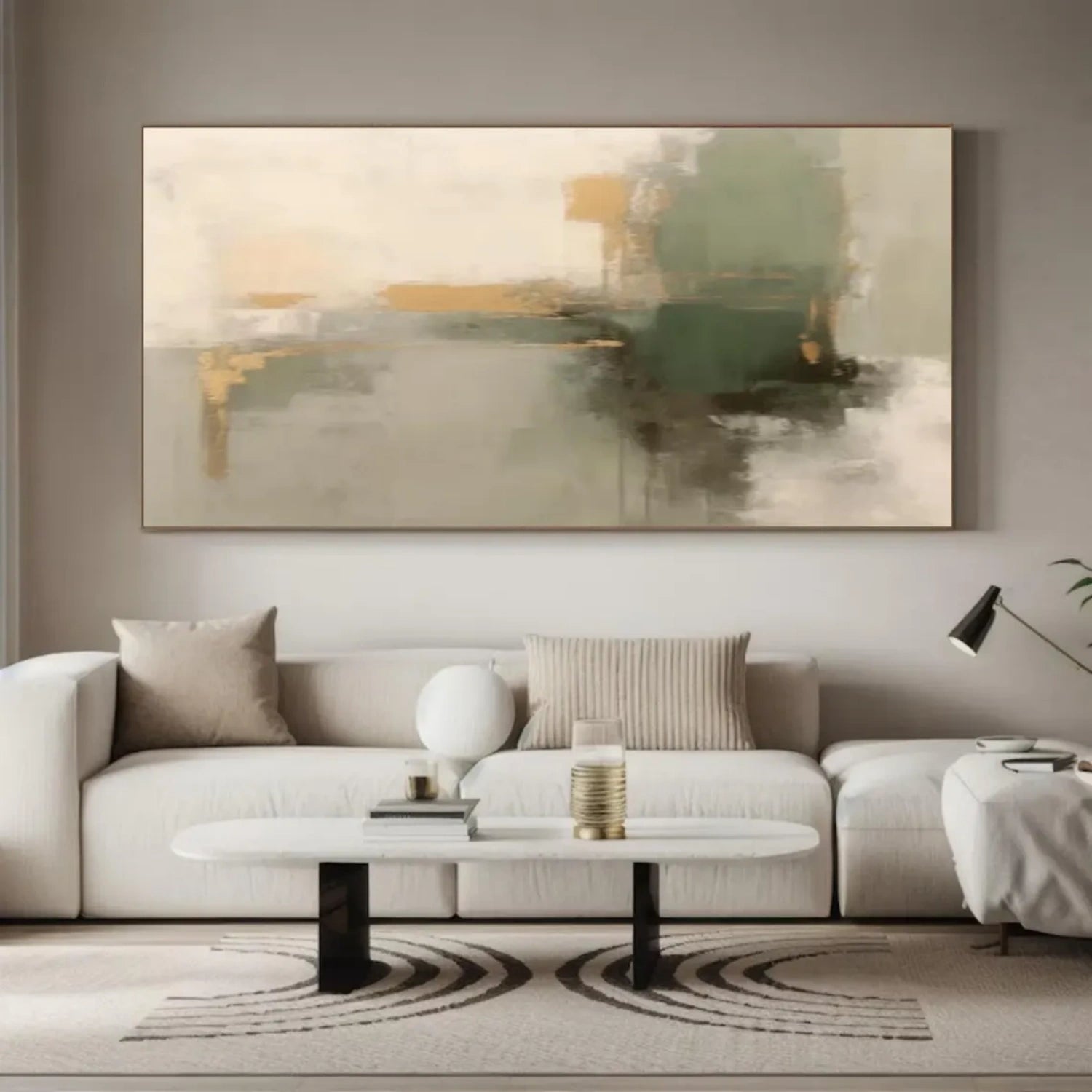
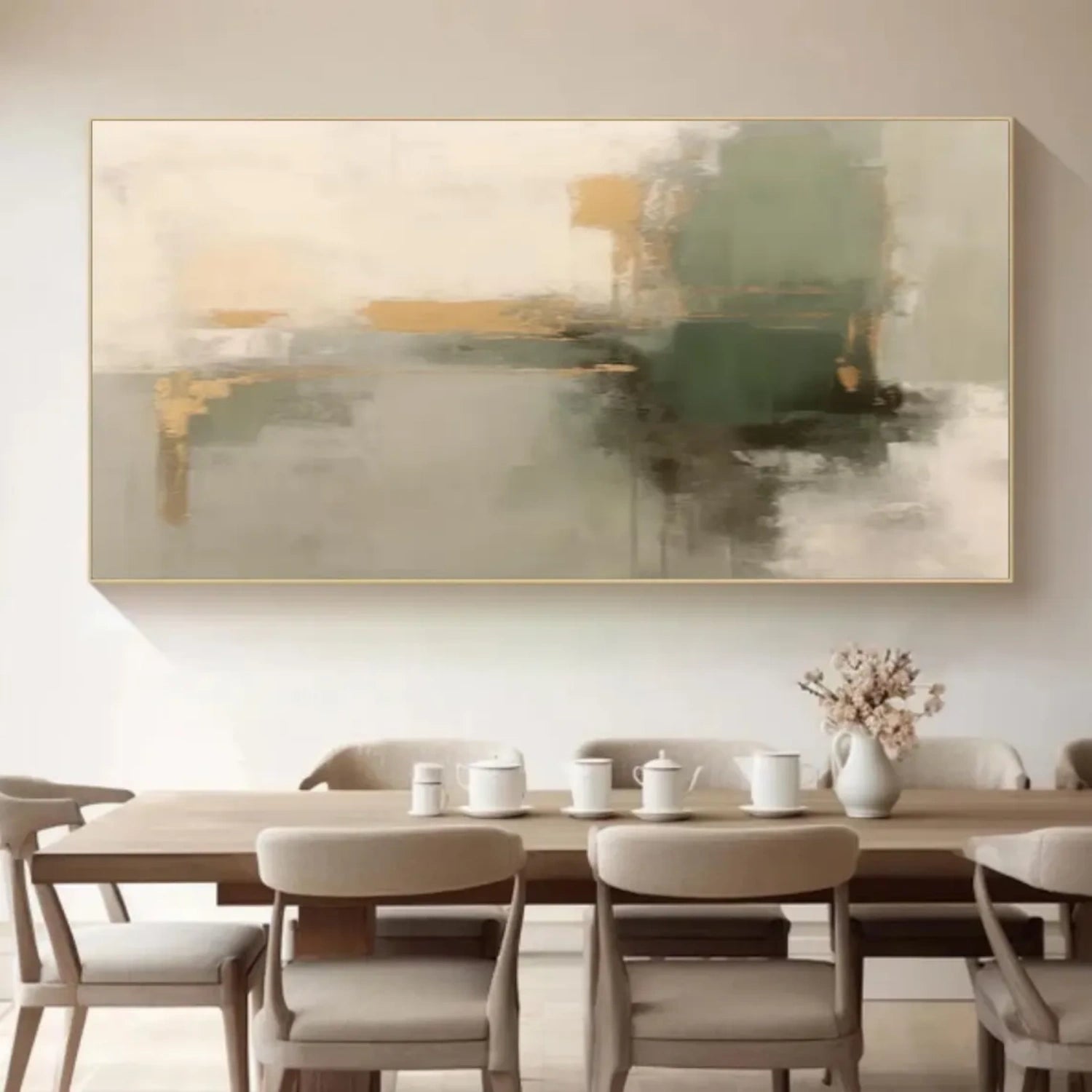
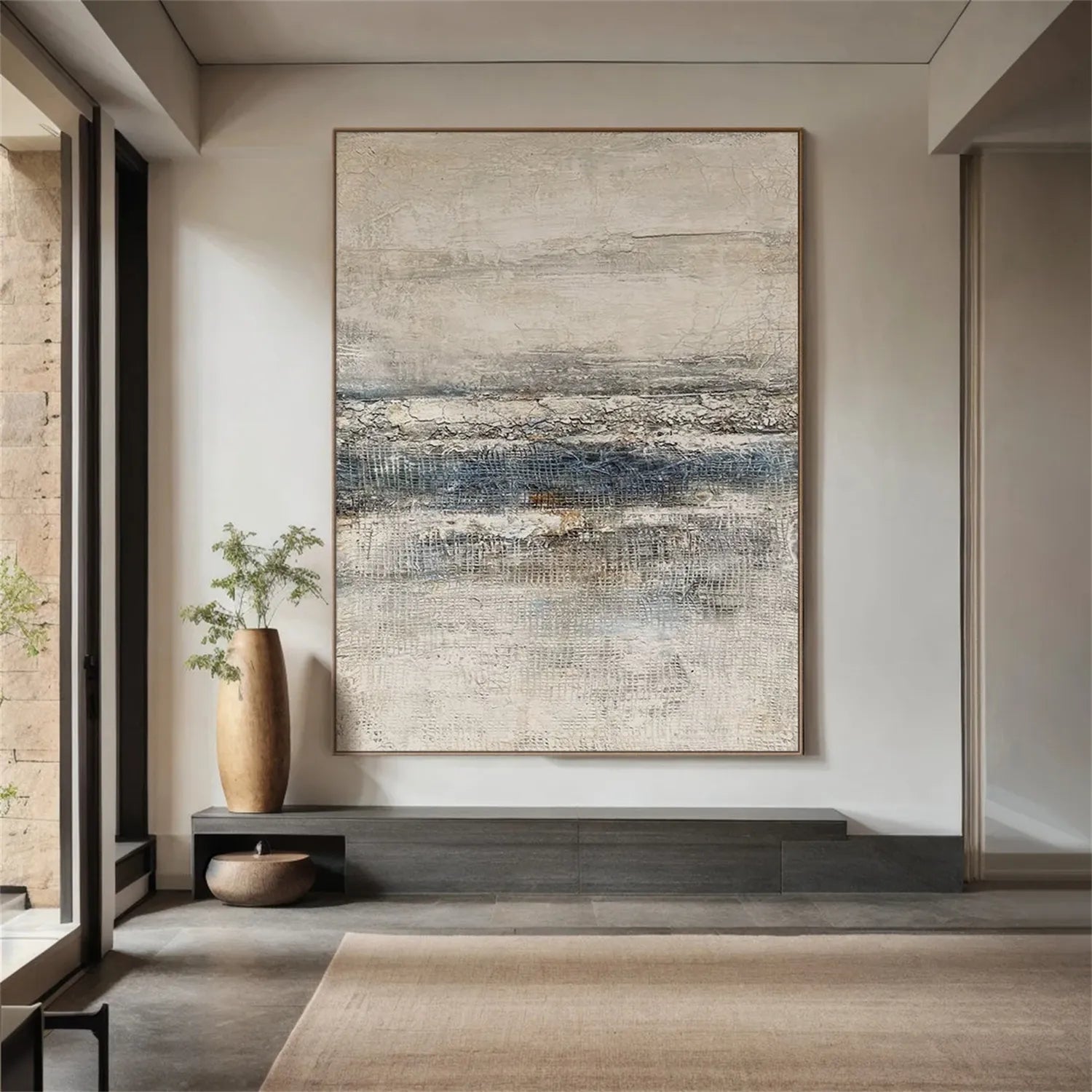
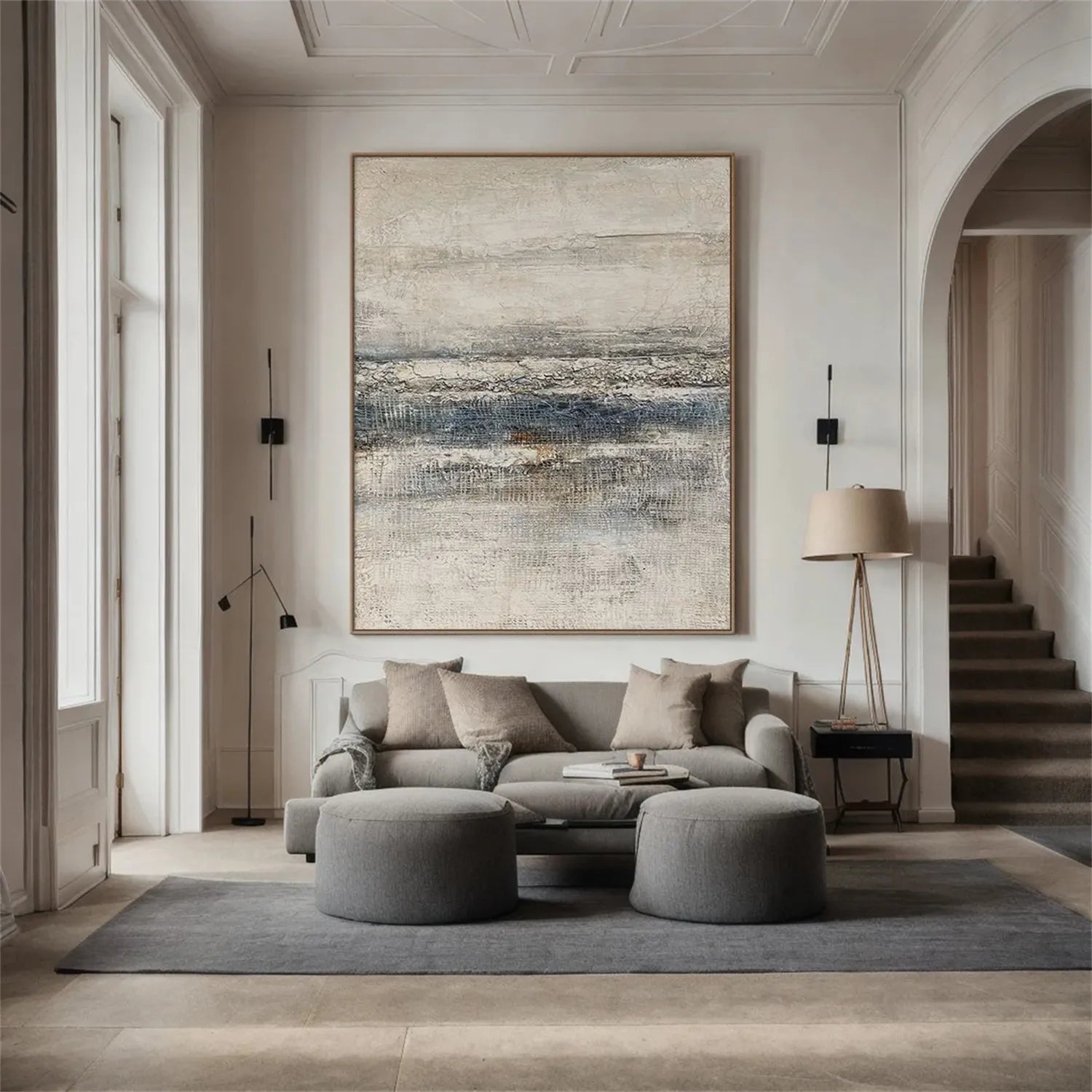
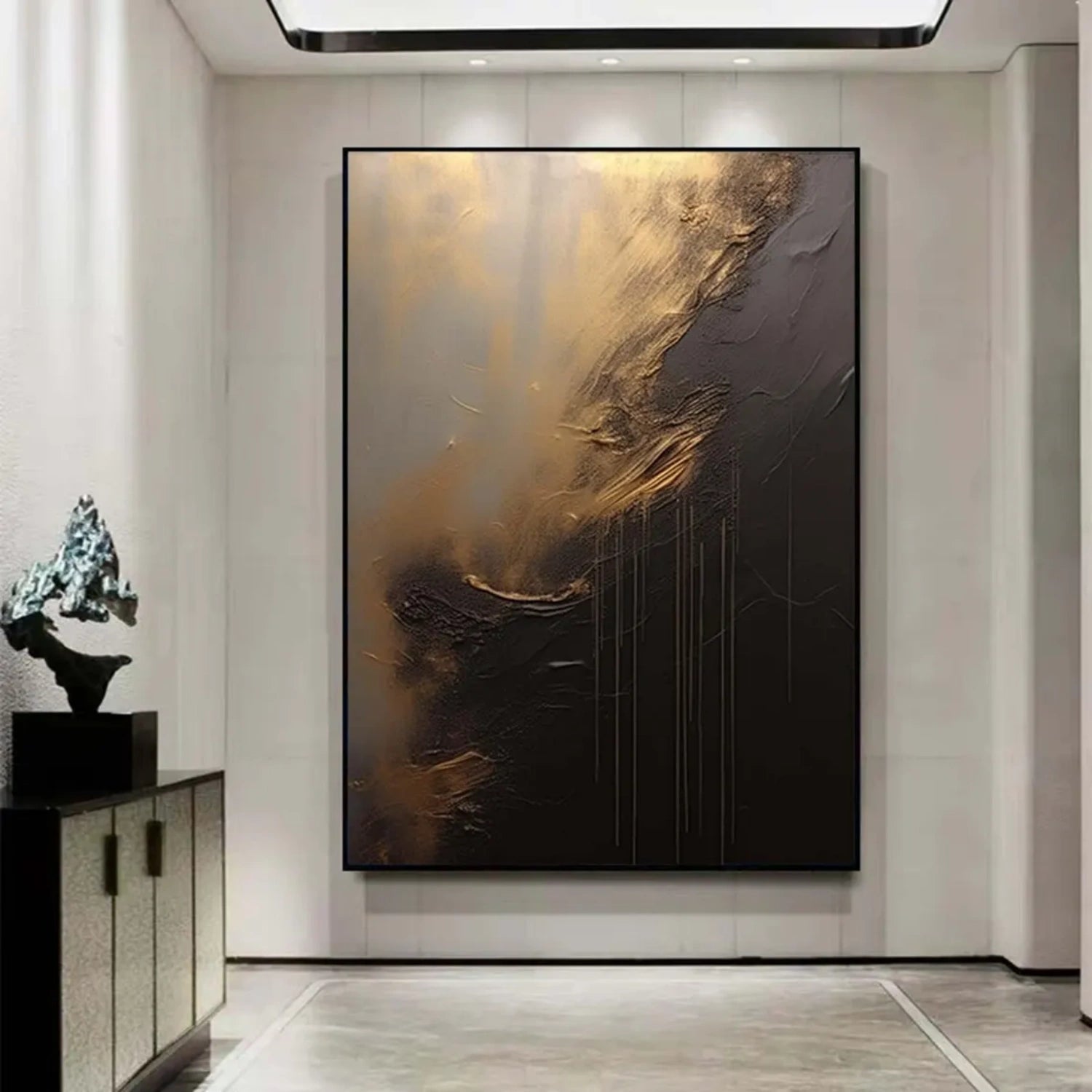
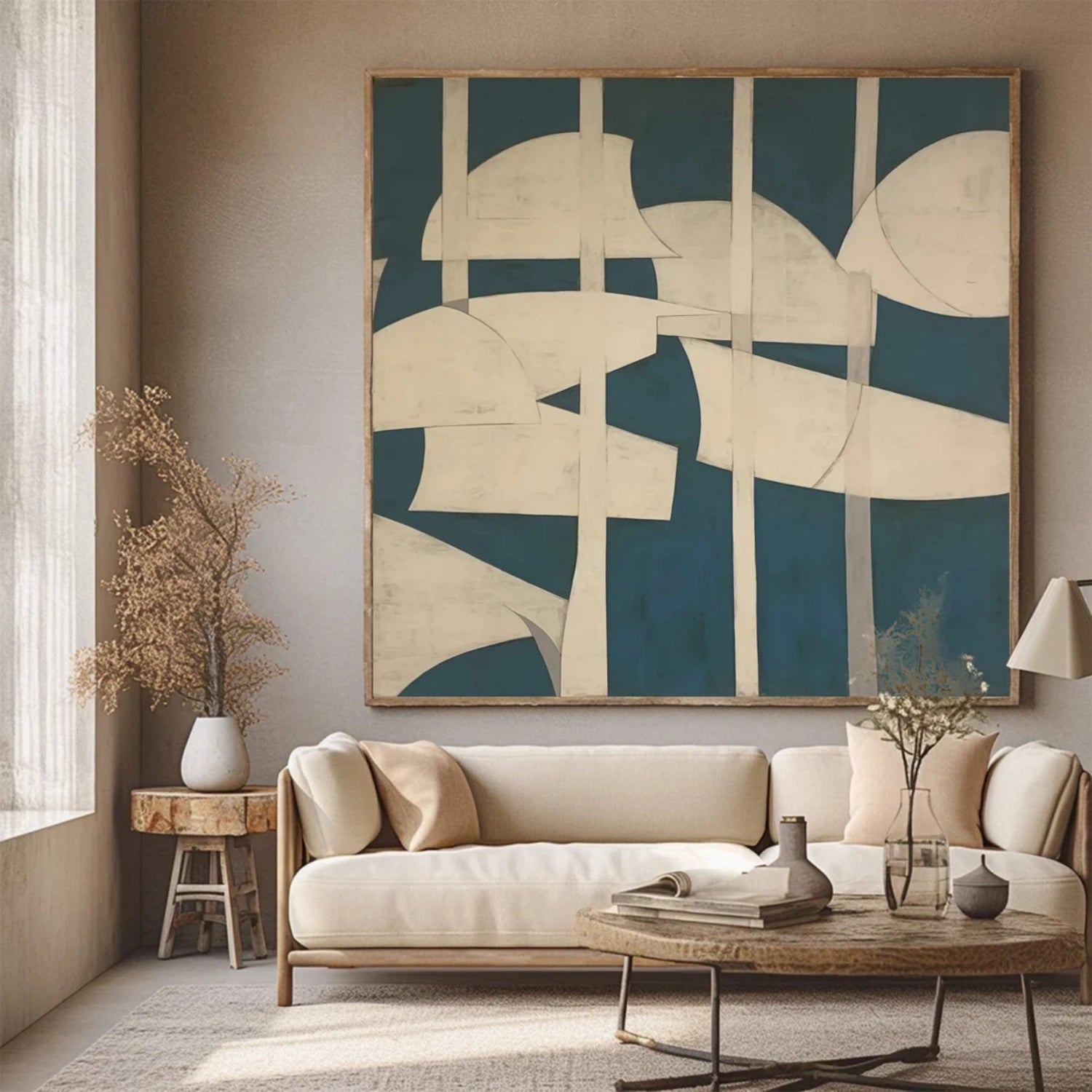
In abstract oil painting, modern techniques—such as palette knife layering and tonal blending—reflect wabi-sabi’s aesthetic. Vinchy Art embraces these approaches, using subdued color palettes, including ochres, blues, and grays, to evoke the balance between creation and decay.
How Does Wabi-Sabi Influence Modern Abstract Painting?
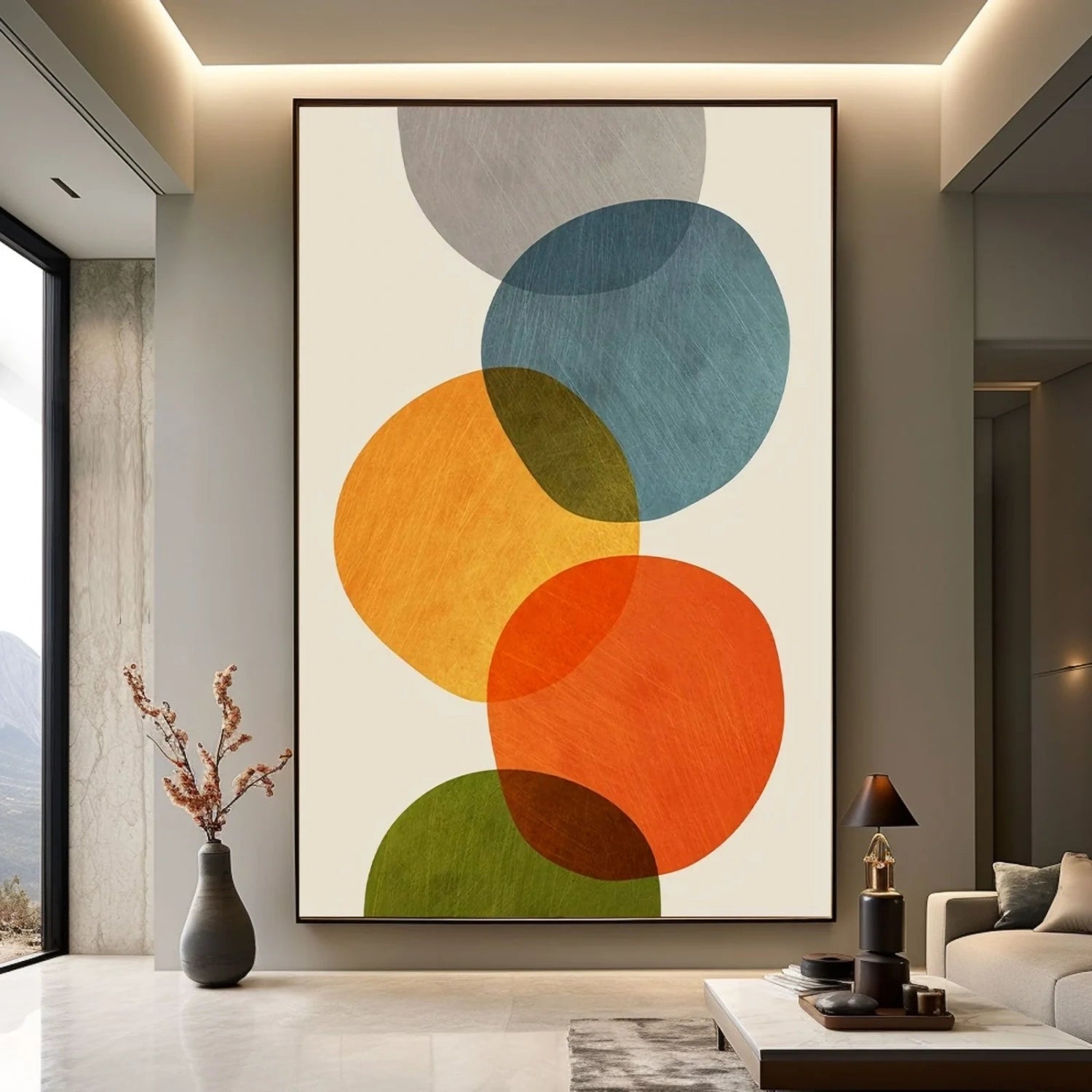
Wabi-sabi’s influence on contemporary abstract art is profound. It encourages artists to move beyond precision and instead focus on emotional expression. Abstraction in this context becomes a means to capture fleeting moments and the beauty found in life's natural decay.
For Vinchy Art, this influence results in works that embody human imperfection and meditative beauty. By using textured layers and subtle movements, each painting becomes a visual representation of tranquility, offering an emotional sanctuary for viewers.
What Emotions Does Wabi-Sabi Art Evoke?
Wabi-sabi art evokes a wide range of emotions, including serenity, nostalgia, melancholy, and quiet joy. It invites viewers to accept the impermanence of life and see beauty in every imperfection. The art’s gentle, introspective nature makes it particularly well-suited for environments that promote mindfulness and emotional balance.
Vinchy Art’s abstract paintings capture these emotions, creating pieces that resonate deeply with viewers. Their subdued tones and organic textures offer pathways to emotional clarity and grounding, making them ideal for spaces designed for reflection and peace.
Who Collects and Appreciates Wabi-Sabi Art?
Collectors of wabi-sabi art often seek authenticity, emotional depth, and craftsmanship rather than flawless execution. These collectors include minimalists, interior designers, contemporary art enthusiasts, and mindfulness practitioners who value the serenity wabi-sabi brings to their spaces.
Wabi-sabi art has become more than just a decorative choice—it’s an emotional statement. It transforms environments into sanctuaries, where tranquility and reflection can thrive.
Can Wabi-Sabi Art Enhance Mental Well-Being?
Yes, wabi-sabi art can have a positive impact on mental well-being. Its focus on imperfection and the acceptance of change promotes emotional acceptance, calmness, and mindfulness. Research in environmental design suggests that natural textures and asymmetry can reduce cognitive fatigue and enhance emotional clarity.
At Vinchy Art, each piece is created to evoke a sense of calm and mental clarity. Through the natural imperfections in our abstract oil paintings, we encourage viewers to embrace stillness and reflect on the beauty of the present moment.
When Did Wabi-Sabi Enter Global Art Movements?
Wabi-sabi began to influence global art movements in the mid-20th century, particularly through the minimalist and abstract expressionist movements. Western artists embraced wabi-sabi’s rejection of perfectionism and incorporated its raw textures, negative space, and temporal themes into their works.
Today, wabi-sabi continues to inspire artists and designers worldwide, blending with contemporary trends in sustainability, mindfulness, and minimalism.
Where Can Wabi-Sabi Art Be Displayed for Best Impact?
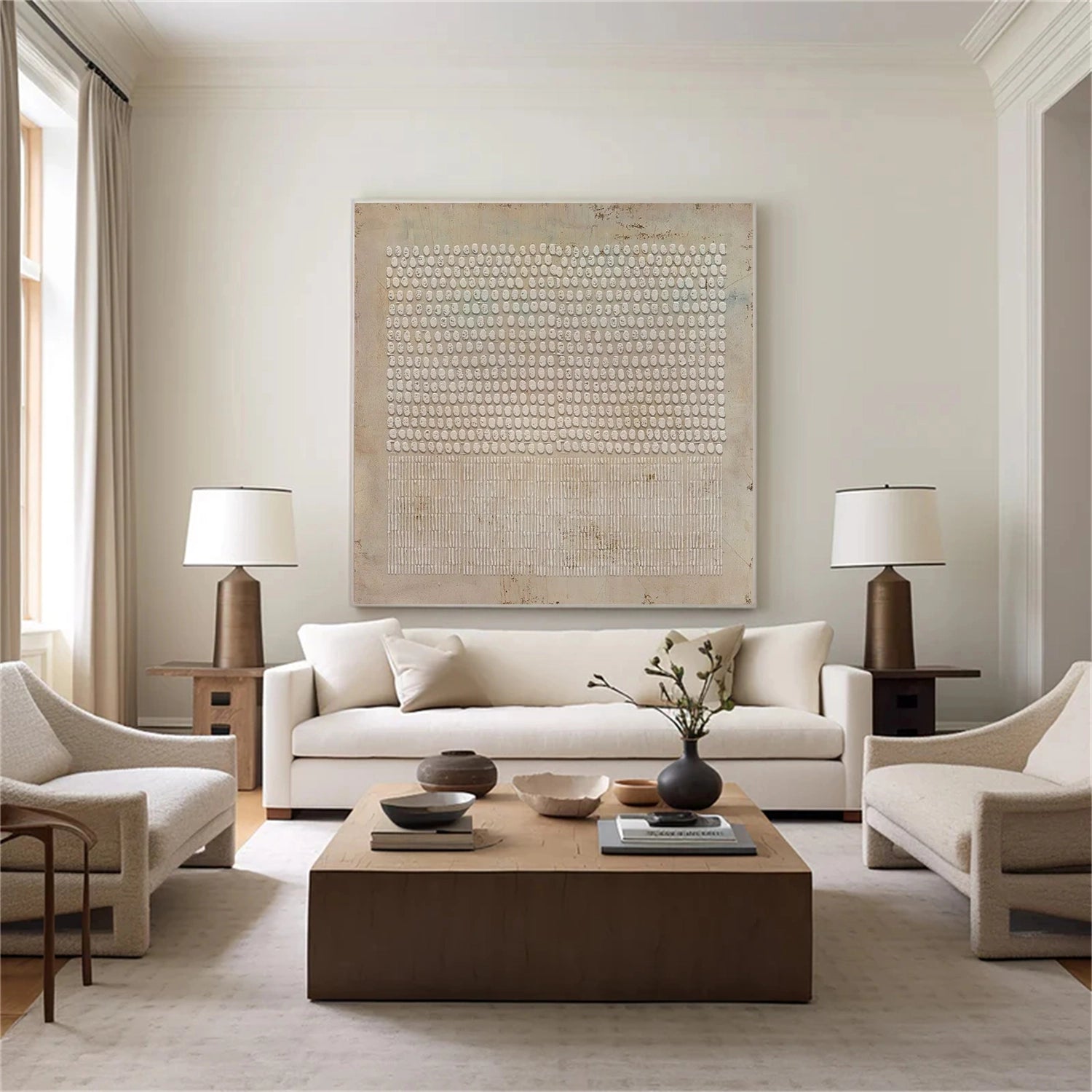
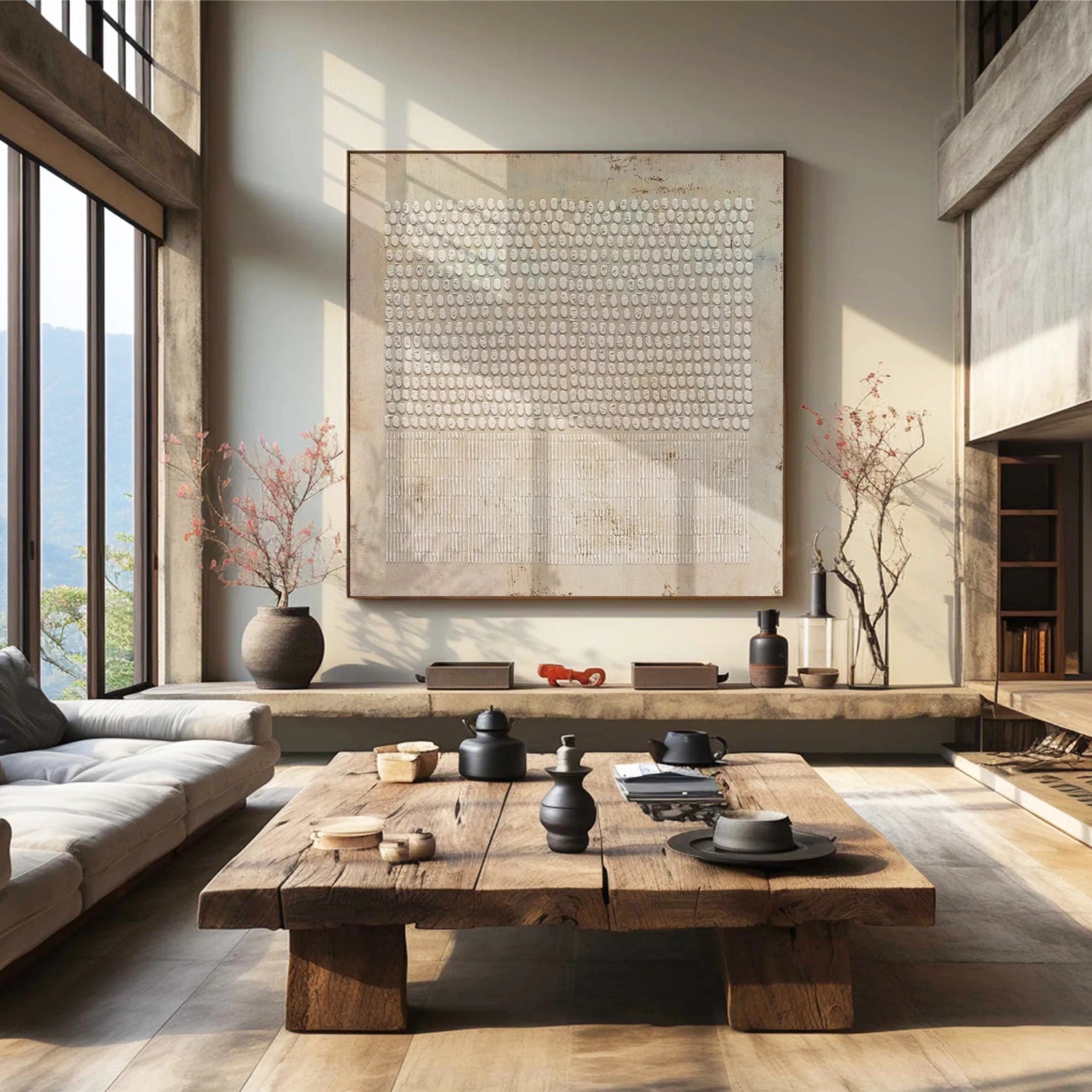
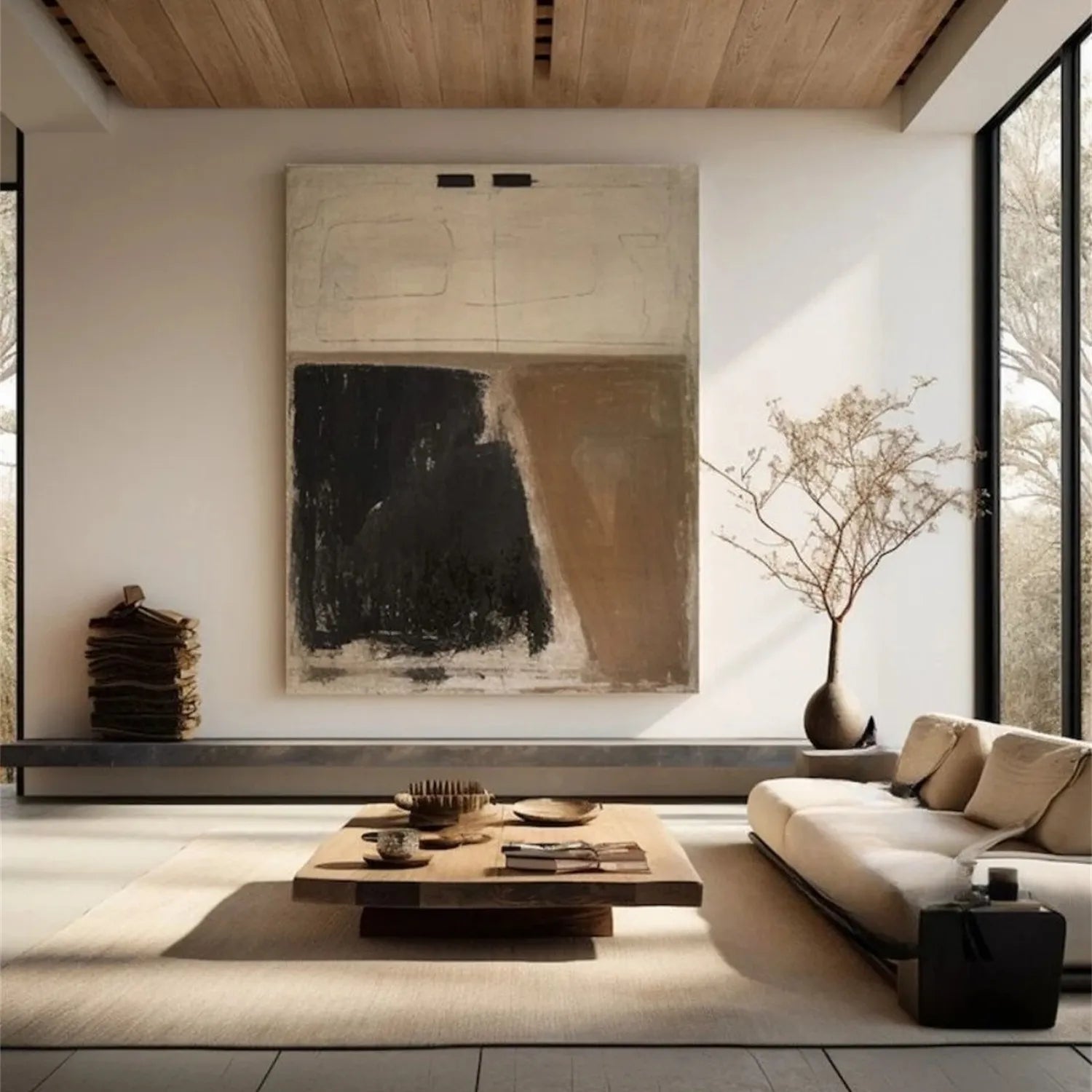
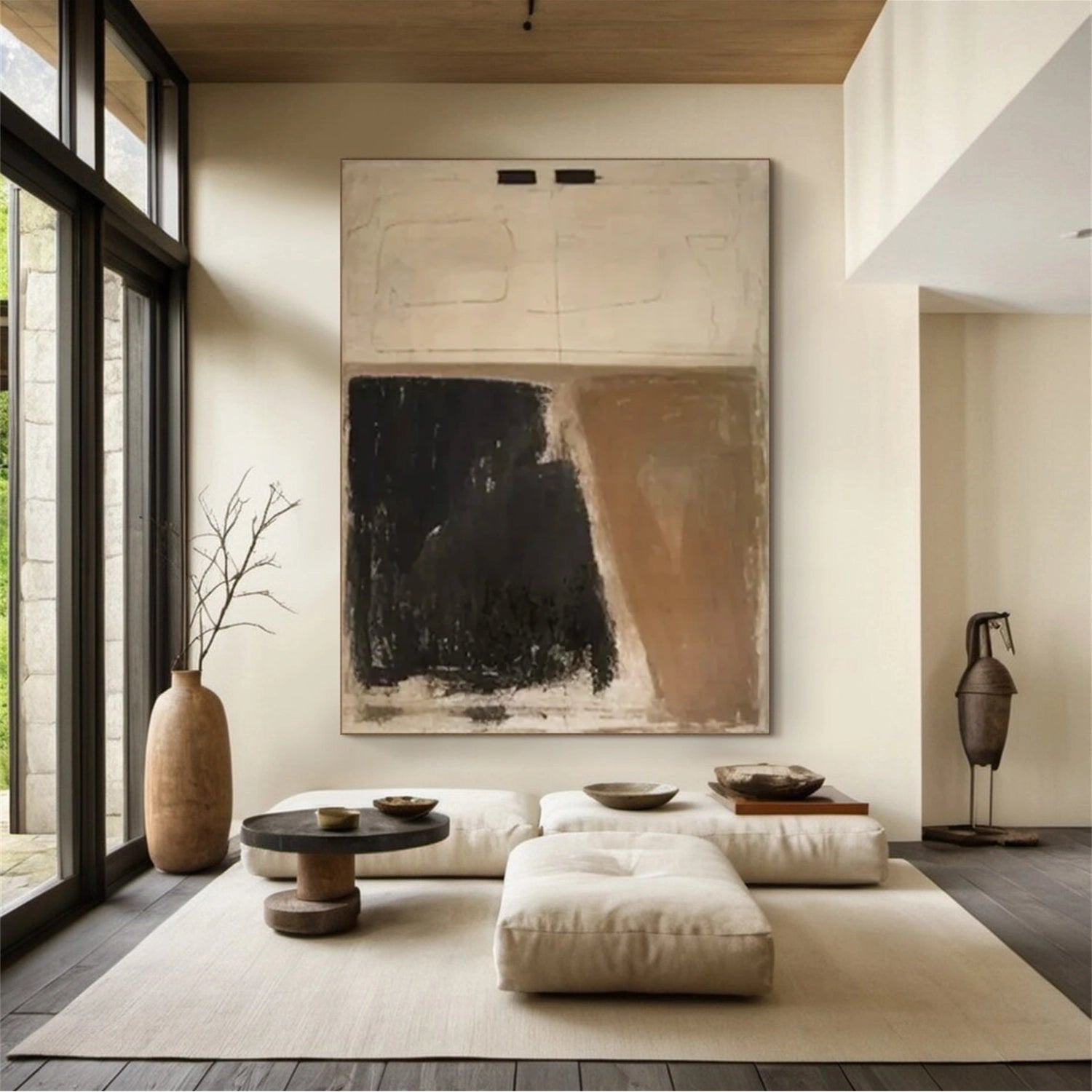
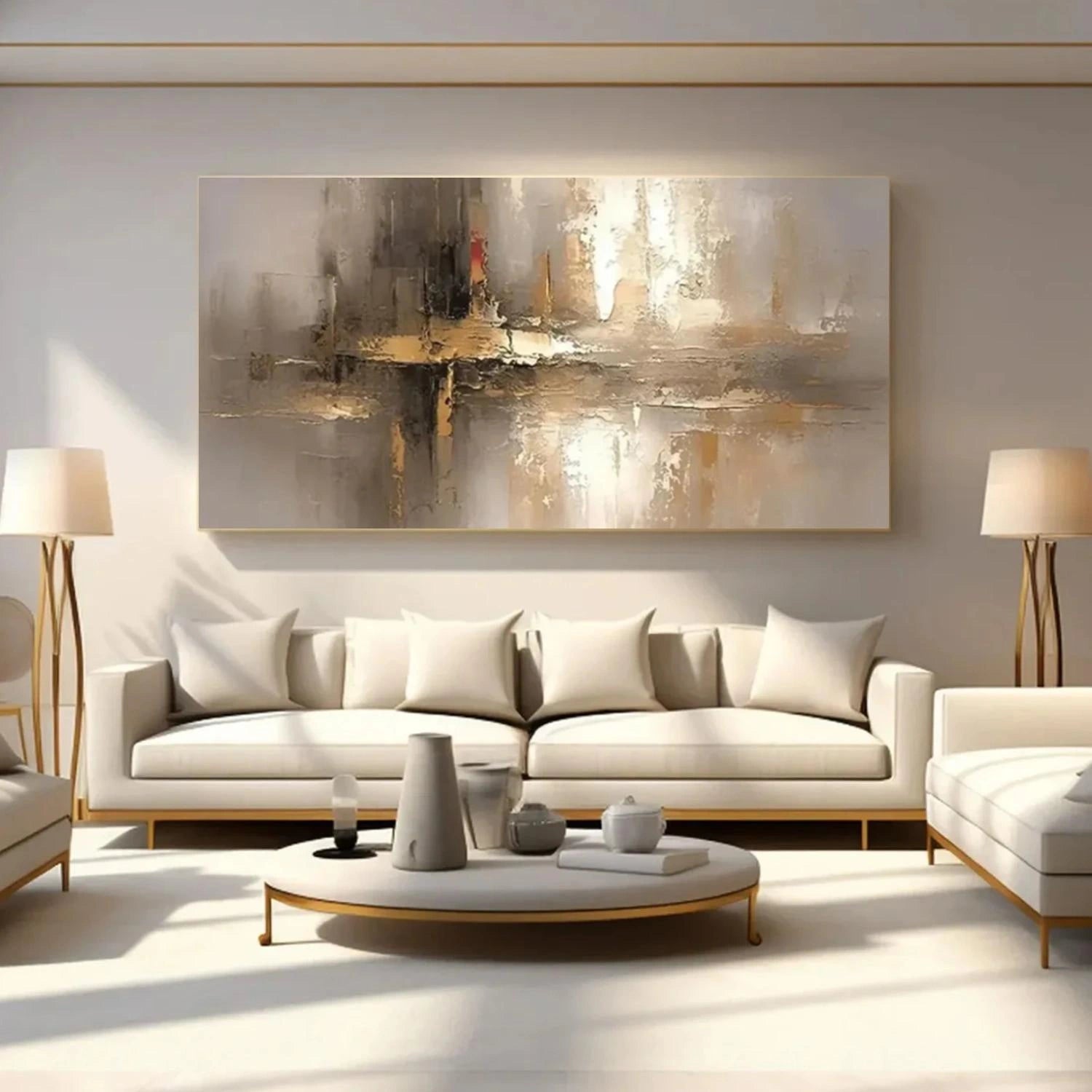
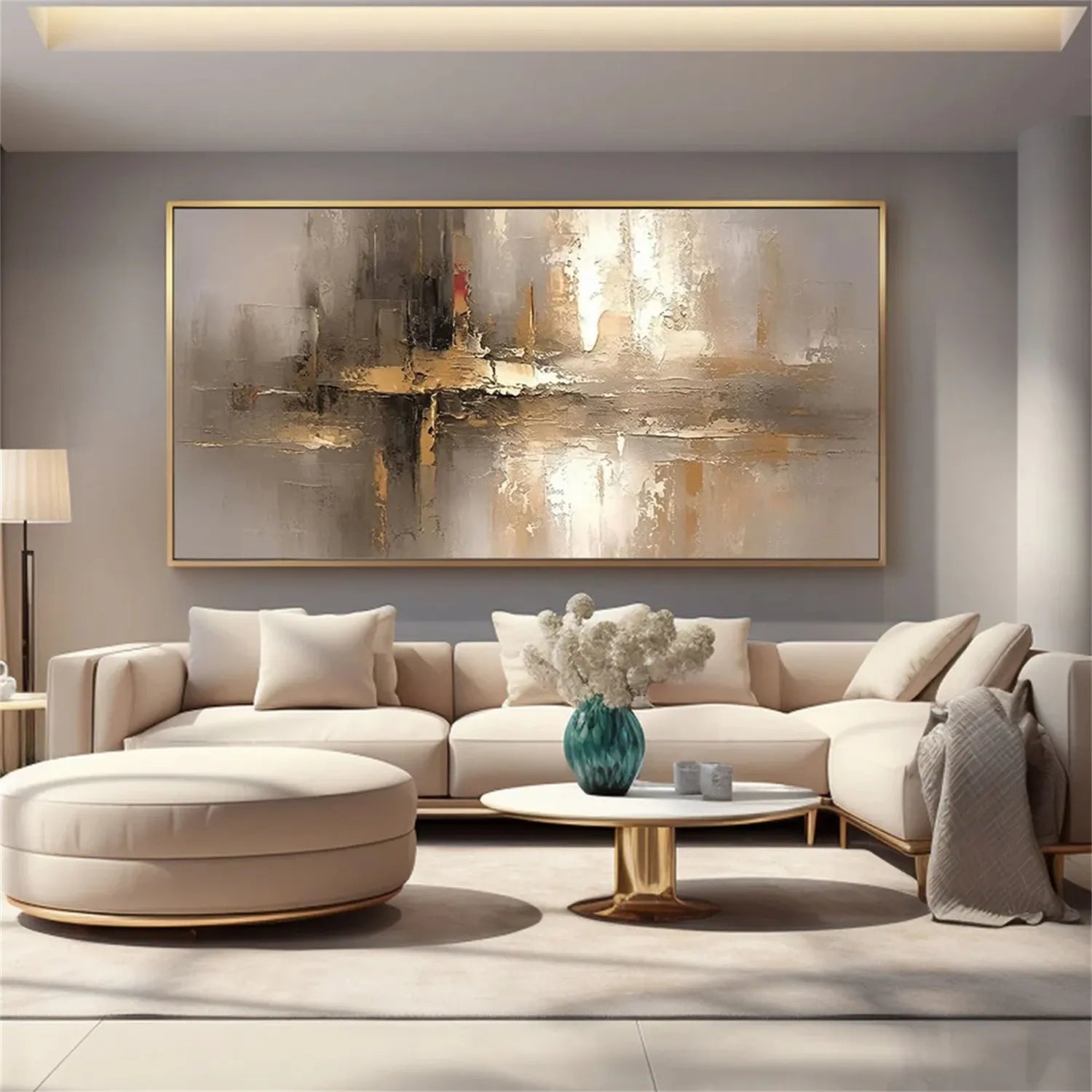
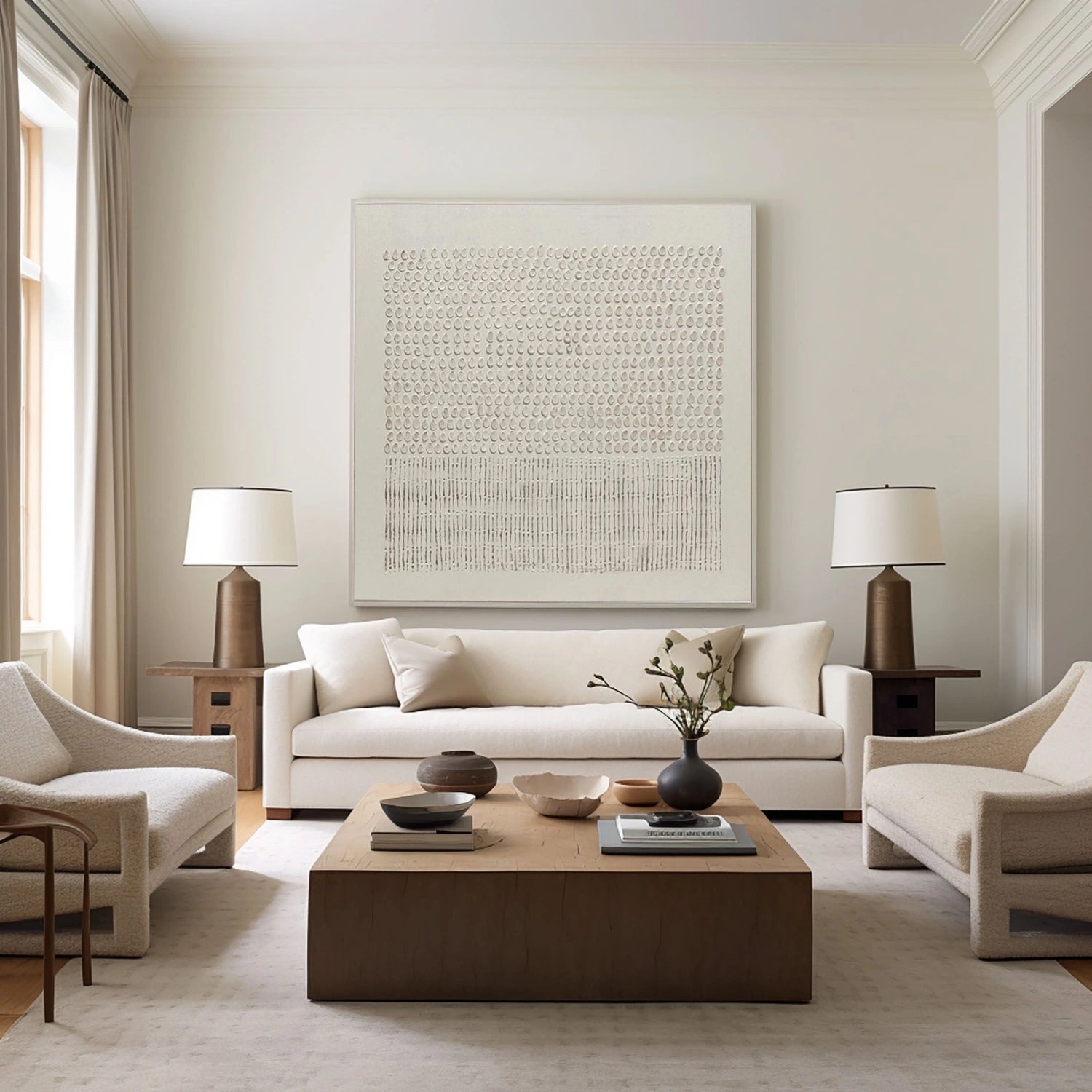
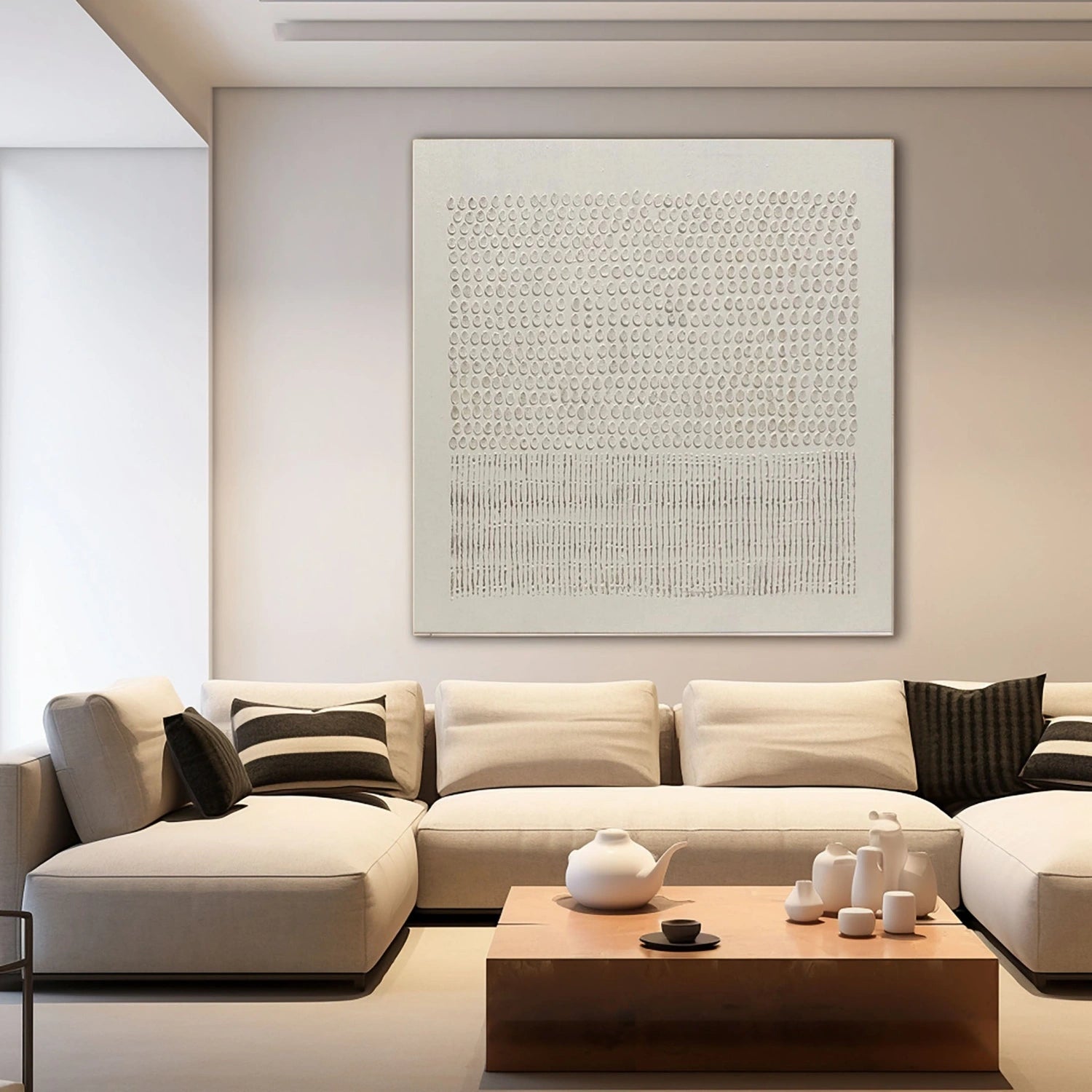
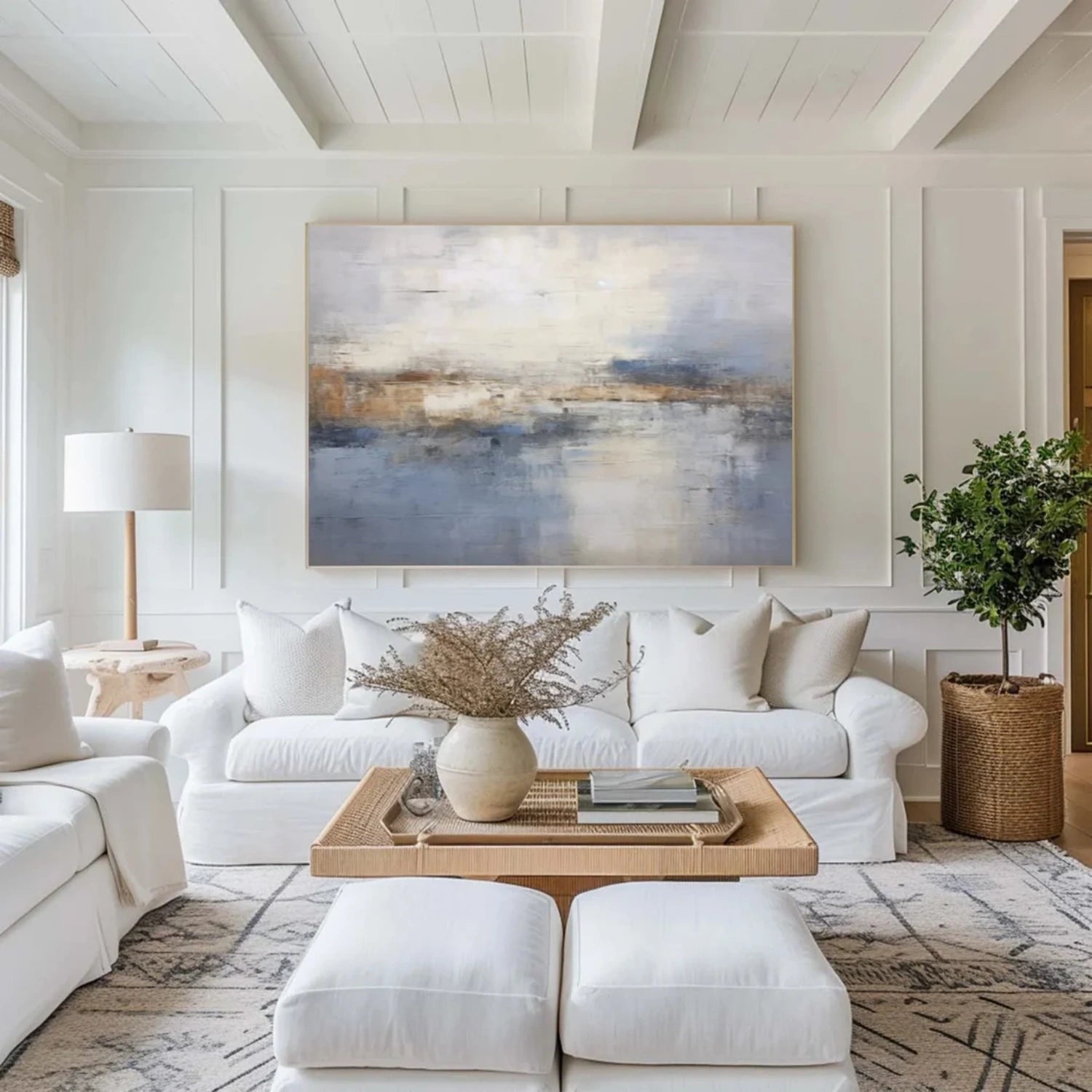
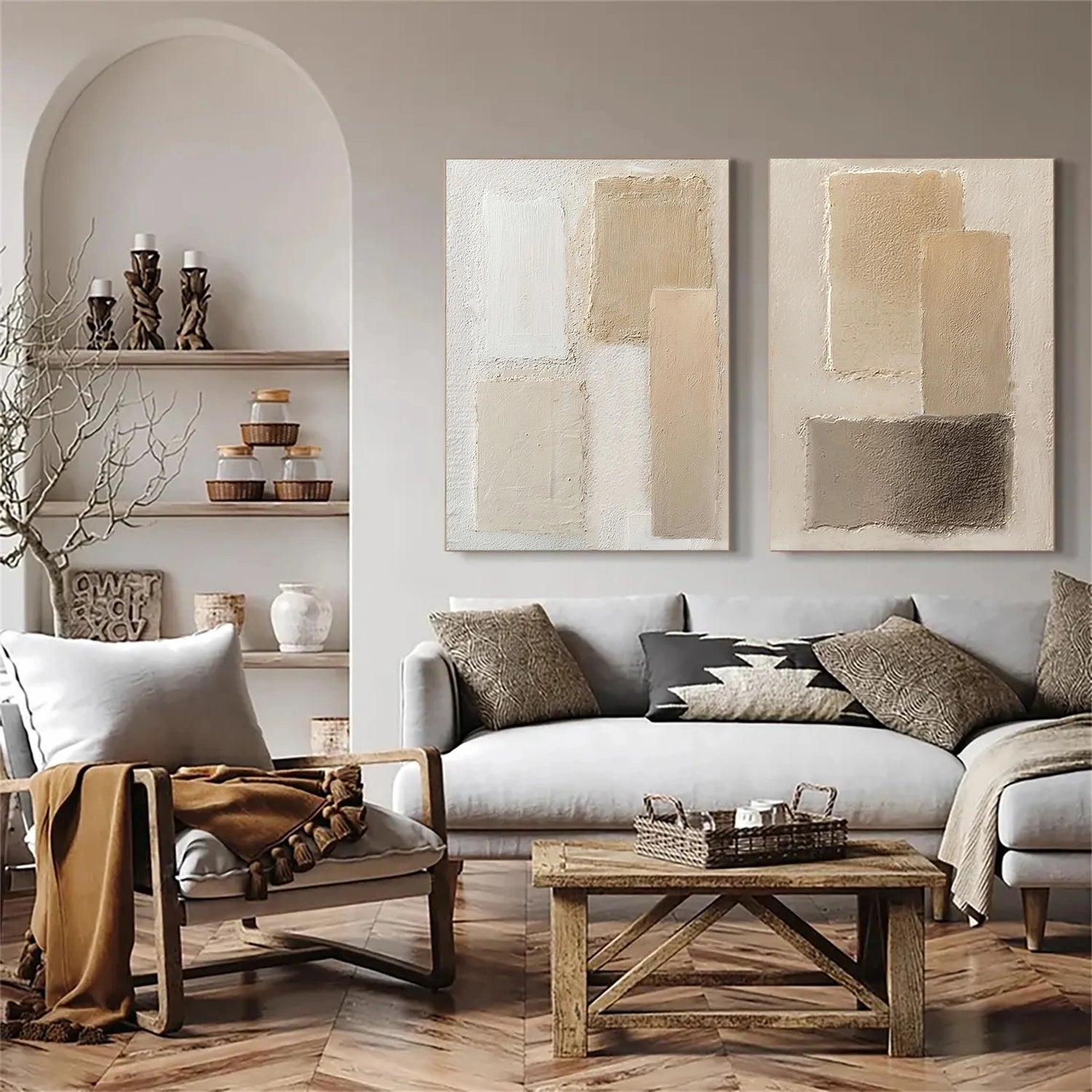
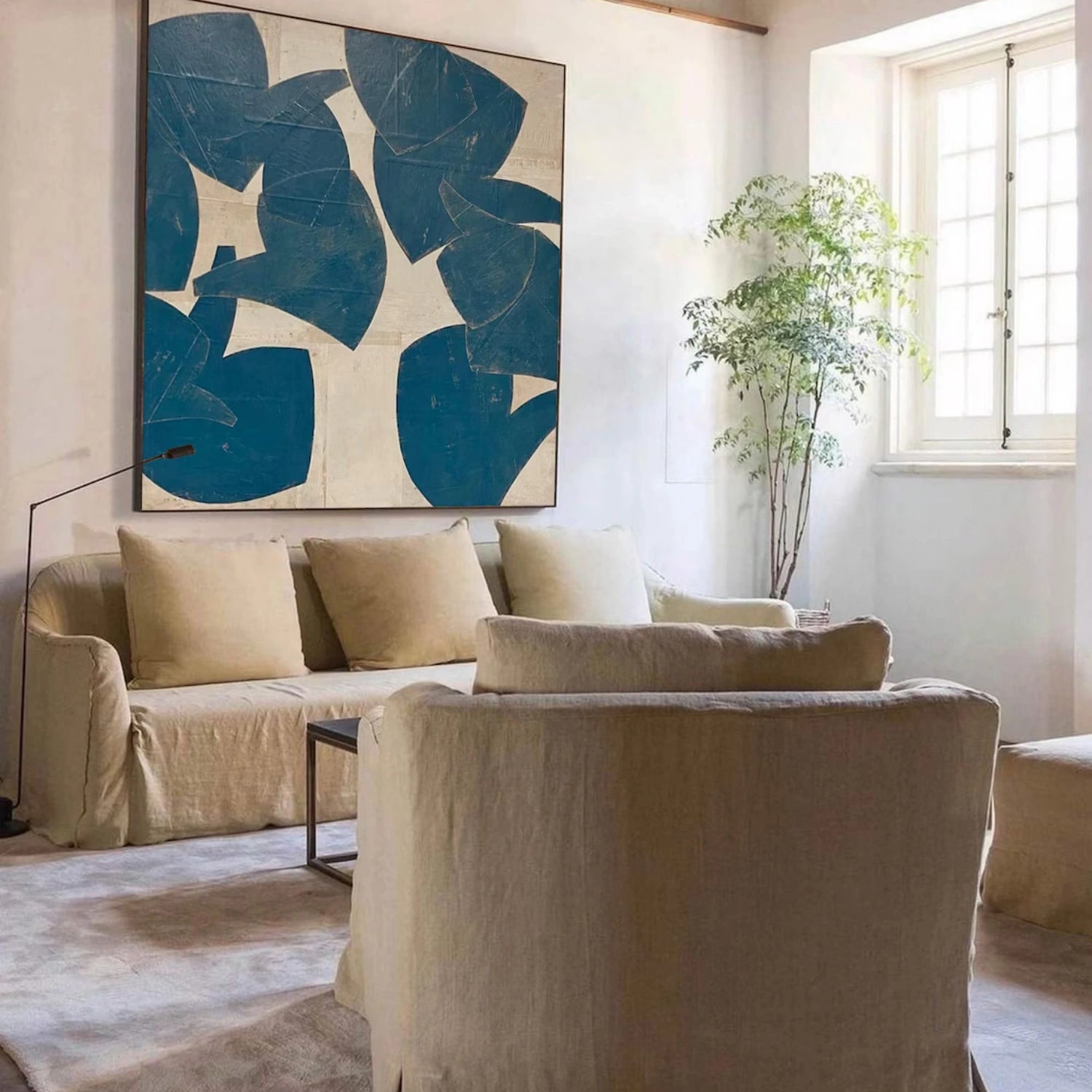
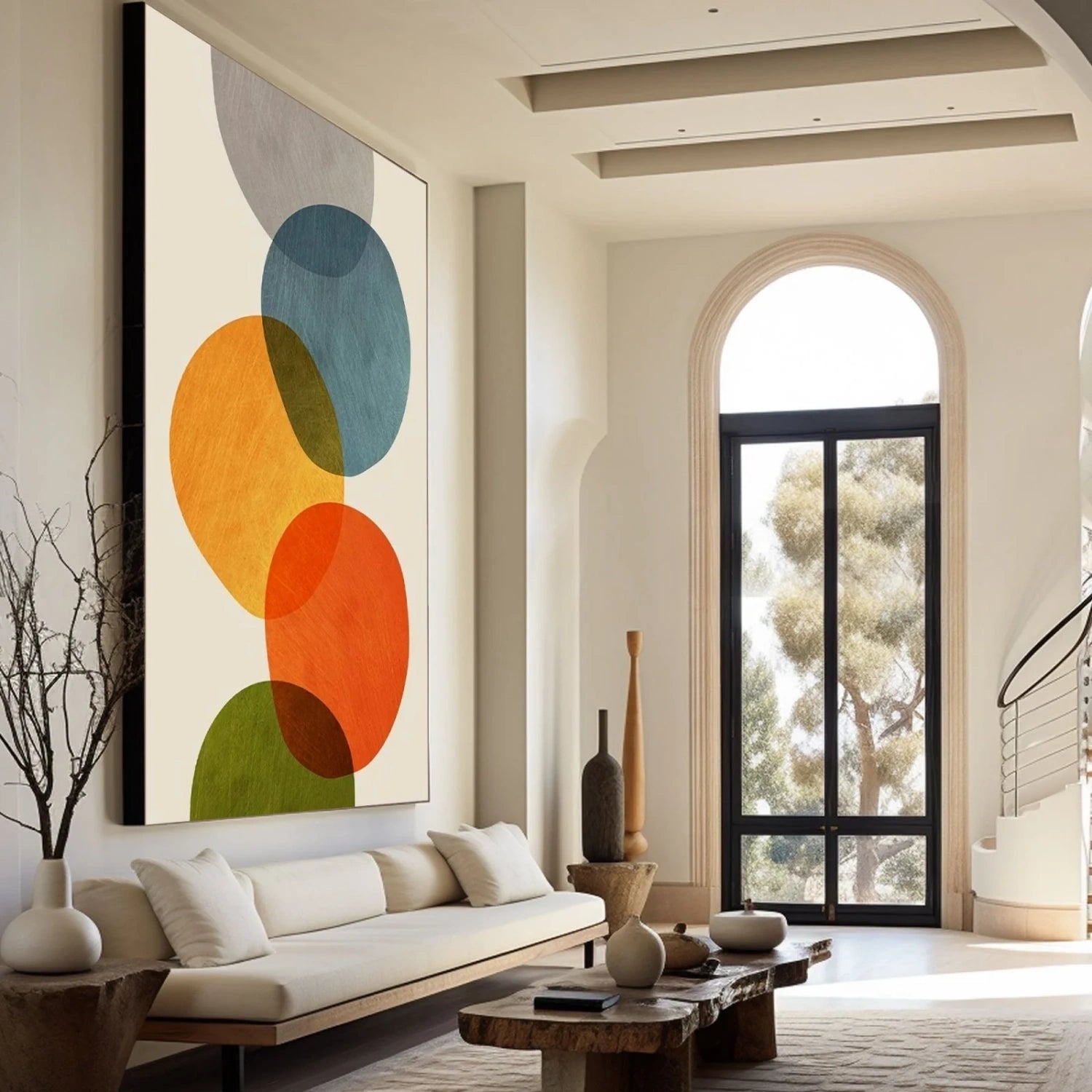
Wabi-sabi art thrives in spaces that promote calmness and reflection. It is particularly well-suited for bedrooms, meditation rooms, and minimalist living spaces. To maximize the effect, display wabi-sabi artworks in natural light, alongside organic materials like wood and linen, to foster a sense of grounding.
Vinchy Art recommends placing wabi-sabi-inspired abstract paintings in spaces where they can breathe, allowing the subtle textures and muted tones to enhance the overall atmosphere of tranquility.
Vinchy Art Expert Views
“Wabi-sabi is more than just an aesthetic; it’s a way of seeing the world. At Vinchy Art, we view each piece not just as a painting but as a journey through time. Our abstract oil paintings embody imperfection and transformation, offering not only beauty but also an emotional experience that encourages mindfulness and connection with the present moment.”
— The Vinchy Art Creative Team
Is Wabi-Sabi a Style or a State of Mind?
Wabi-sabi is both a style and a state of mind. While it manifests as a design aesthetic—characterized by simplicity, aged materials, and muted colors—its true essence is philosophical. Wabi-sabi encourages us to find peace within imperfection, teaching us to appreciate the beauty that exists in the present moment.
Vinchy Art embraces this philosophy, seeing wabi-sabi not just as decoration but as a meditative experience that transforms the way we perceive and engage with art.
How to Incorporate Wabi-Sabi in Modern Interiors?
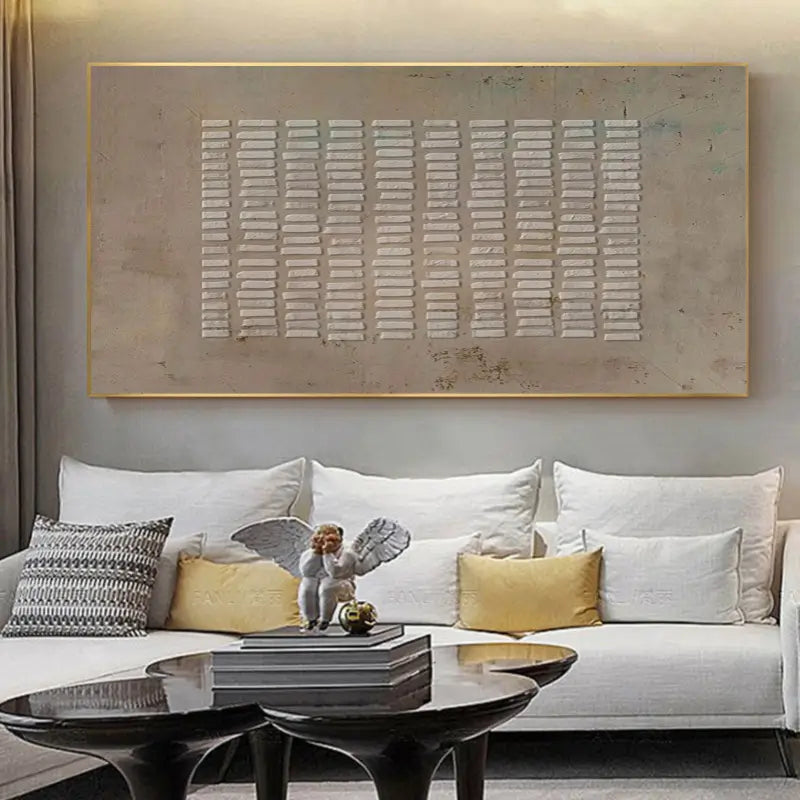
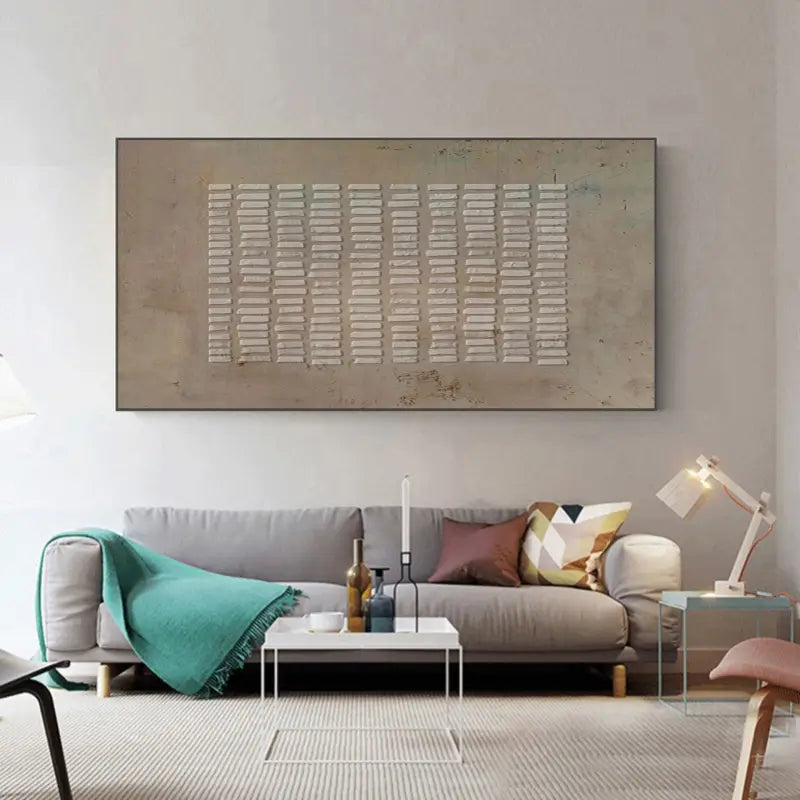
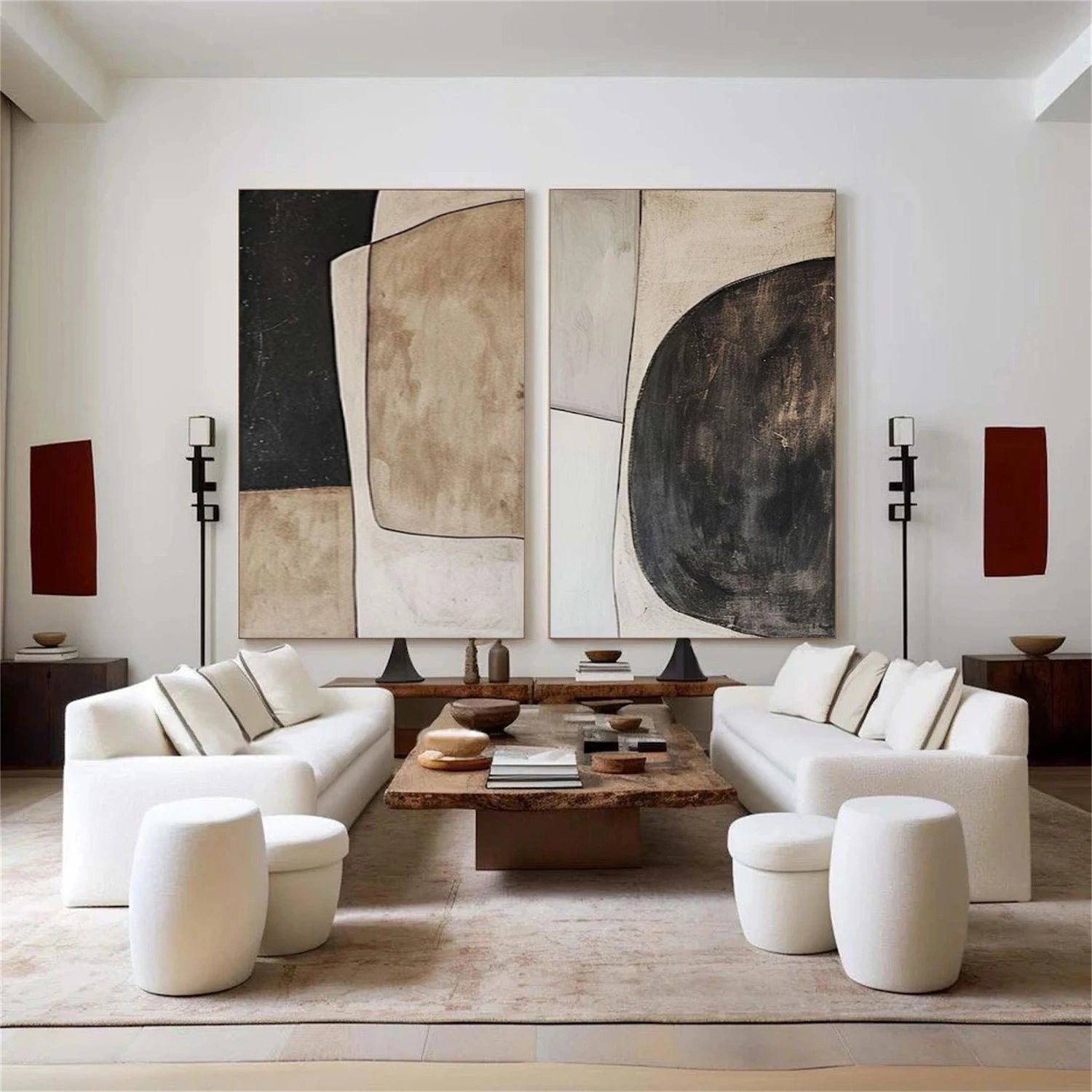
To incorporate wabi-sabi into modern interiors, start with simplicity. Focus on natural materials, uneven textures, and handmade details. Accept the beauty of imperfections and embrace the idea of open, unadorned space. Soft lighting and neutral palettes can help enhance the emotional depth of the artwork.
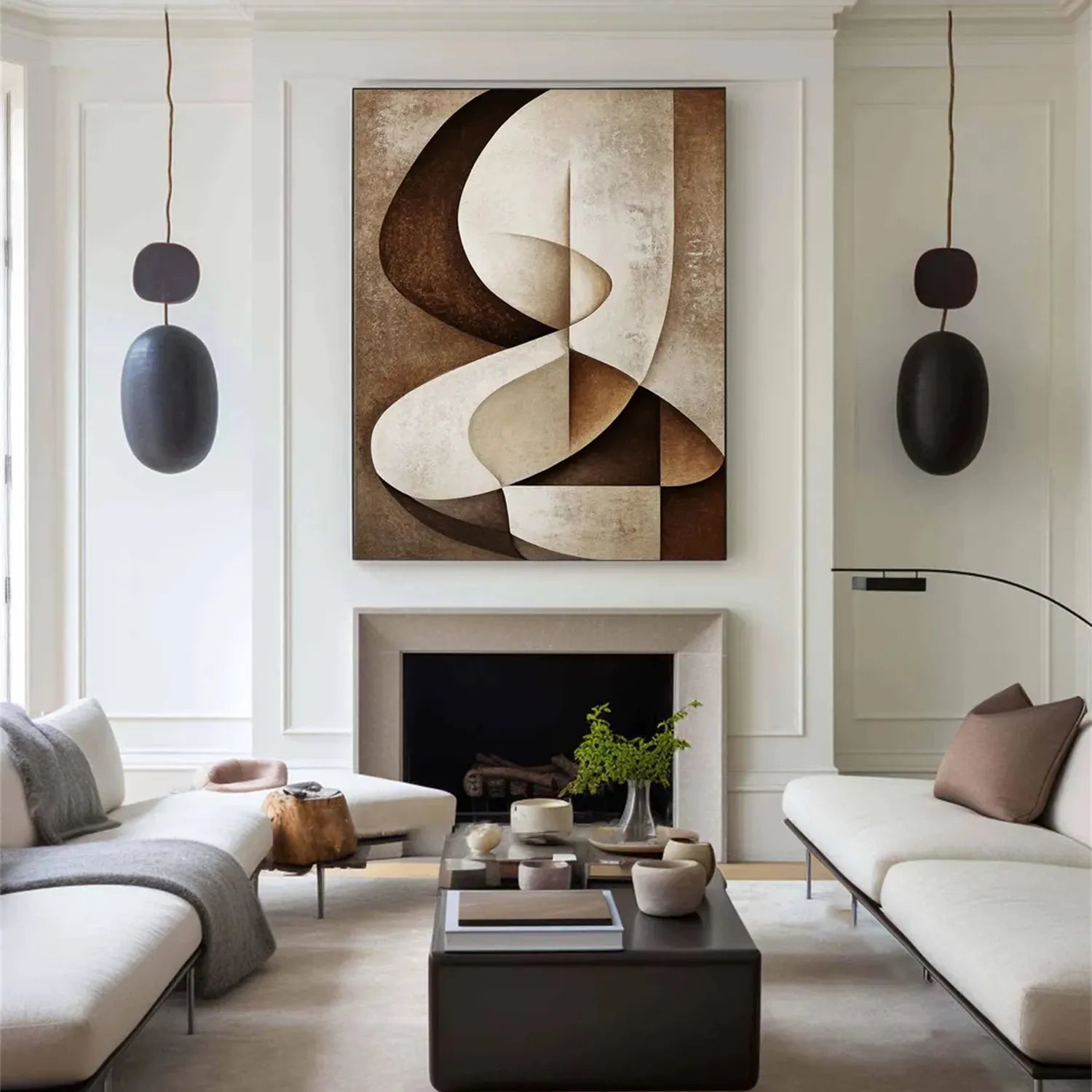
A wabi-sabi-inspired piece from Vinchy Art can serve as the perfect centerpiece in your space, offering timeless beauty and emotional serenity without overwhelming the senses.
Key Takeaways and Actionable Insights
-
Embrace imperfection: Let raw textures and natural elements define your aesthetic.
-
Cultivate mindfulness: Choose art that invites reflection and presence.
-
Balance simplicity with warmth: Wabi-sabi enhances interiors with emotional depth and tranquility.
-
Invest in authenticity: Select handcrafted pieces that evolve with time.
Vinchy Art’s abstract oil paintings exemplify these principles, transforming modern spaces into places of beauty, serenity, and personal wellness.
FAQs
1. Is wabi-sabi art minimalist?
Yes, wabi-sabi is minimalist in its approach, but it emphasizes emotion and imperfection over mere reduction.
2. What colors are used in wabi-sabi paintings?
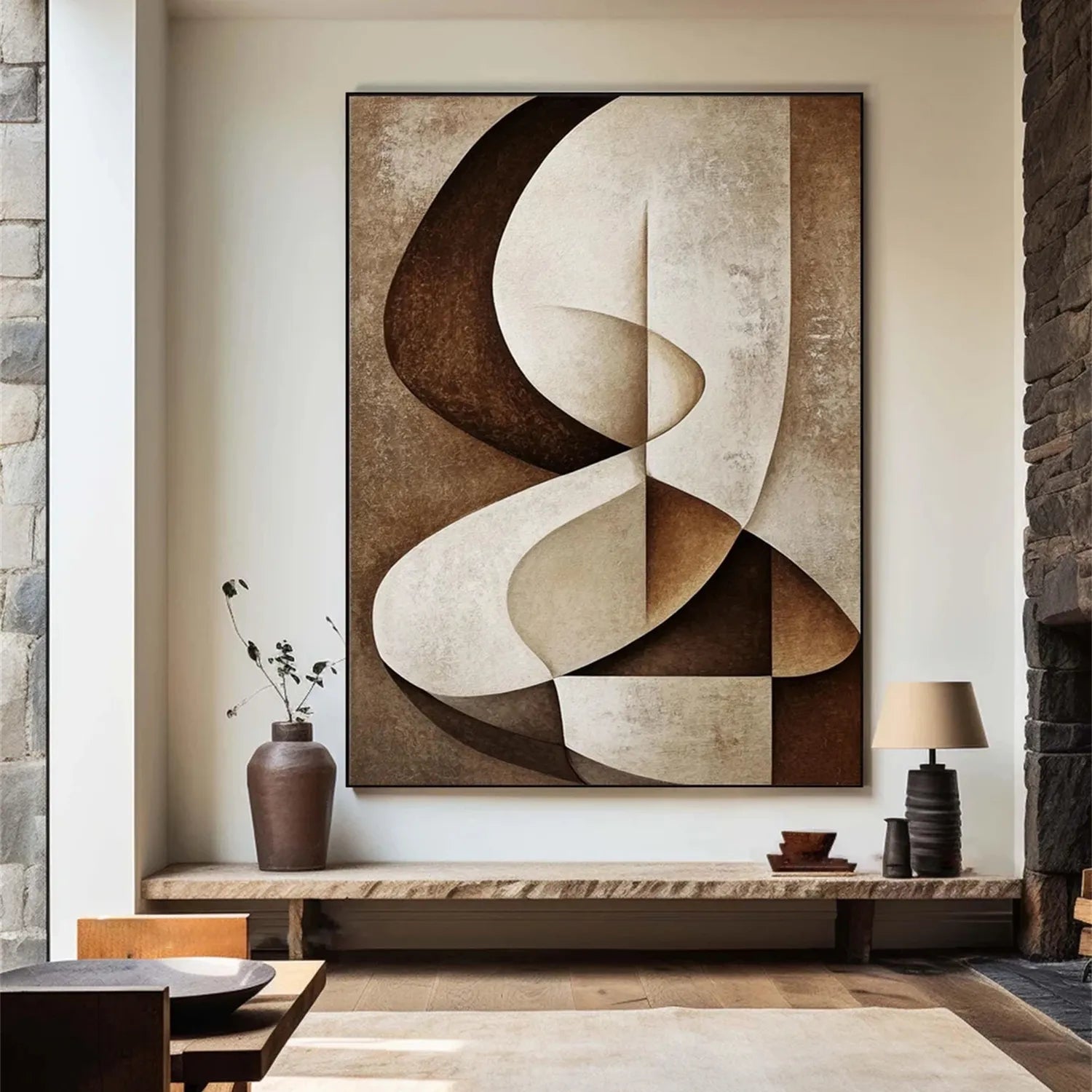
Muted earth tones such as beige, gray, brown, and off-white dominate wabi-sabi artwork.
3. Can modern spaces use wabi-sabi art?
Absolutely. Wabi-sabi fits seamlessly into contemporary interiors, offering warmth and a sense of peace.
4. Does wabi-sabi require Japanese décor?
No, wabi-sabi can be integrated into any décor style. Its focus is on authenticity and presence rather than cultural origin.
5. How long does it take to create a wabi-sabi abstract oil painting?
The creation process varies, but typically, the layered approach to texture and color means these paintings take weeks to develop fully.