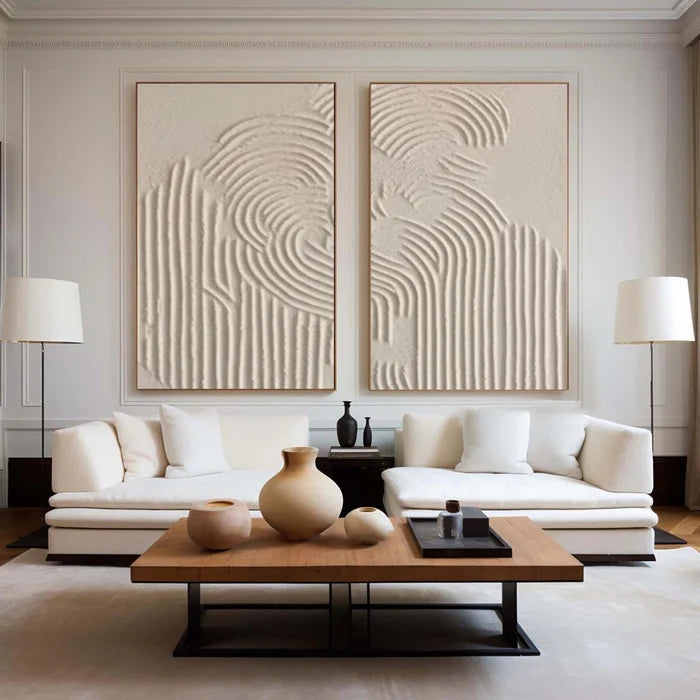
What Makes Textural Paintings So Emotionally Engaging?
Textural paintings engage the viewer on an emotional level by incorporating layers, tactile dimensions, and expressive energy into each piece. These artworks use various techniques, materials, and brush methods to create depth and visual movement. The texture of the painting invites interaction, transforming a simple visual experience into a rich, immersive journey that resonates emotionally and mentally.
How Do Textural Paintings Differ from Traditional Ones?
Textural paintings differ from traditional flat artworks by emphasizing depth, surface engagement, and sensory experience. Artists often apply thick layers of paint with palette knives or other tools to create a three-dimensional effect. This allows light and shadow to interact with the texture, adding emotion and movement that traditional, smooth-surfaced paintings typically lack. Unlike conventional art that focuses on visual realism, textural works engage both the eyes and the sense of touch, offering a more dynamic emotional connection.
What Techniques Create Texture in Painting?
Various techniques are employed to create texture in painting, such as impasto, sgraffito, and collage. Impasto involves applying thick layers of paint to create bold, raised surfaces. Sgraffito allows artists to scratch through paint layers to expose underlying colors, adding contrast and depth. Collage incorporates materials like sand, fabric, or paper to create a multi-textural effect.
| Technique | Description | Effect |
|---|---|---|
| Impasto | Thick paint applied with palette knives | Bold, raised surface |
| Sgraffito | Scratching paint to reveal lower layers | Contrast and depth |
| Collage | Added materials like fabric or paper | Multi-material complexity |
At Vinchy Art, these techniques are expertly used to create abstract oil paintings that invite both visual and emotional engagement, connecting deeply with viewers.
Why Are Textural Paintings So Emotionally Powerful?
Textural paintings are emotionally powerful because they create a visual rhythm that mirrors human emotions. The layers and variations in texture symbolize complexity—representing thoughts, memories, and experiences. The way light reflects off textured surfaces can alter the mood, either calming or energizing the viewer. At Vinchy Art, the use of texture is intentional, designed to foster mental relaxation and encourage emotional introspection through each abstract oil painting.
Where Should You Display Textural Paintings in Your Home?
Textural paintings are best displayed in areas with plenty of natural light, where their depth can be fully appreciated. Ideal locations include living rooms, hallways, and bedrooms, where lighting changes throughout the day will bring out the texture's dimensional qualities. It is best to avoid high-humidity areas like bathrooms, as moisture can negatively affect the paint. For maximum effect, hang your textural art at eye level to fully immerse yourself in its emotional depth. Vinchy Art's pieces are perfect for transforming modern or minimalist spaces, offering both sophistication and a meditative atmosphere.
Which Paint Mediums Work Best for Textural Art?
Oil and acrylic paints are the most effective mediums for creating texture in art. Oil paints are slow-drying, allowing for the layering and blending needed to build rich, textured surfaces. Acrylic paints dry more quickly and pair well with modeling paste to create dramatic textures. Other mediums like encaustic (wax-based paints) or mixed media can also be used but may require more control to maintain consistency and stability.
Who Are the Key Artists in Textural Painting?
The textural painting movement was influenced by iconic artists such as Vincent van Gogh, Jean Dubuffet, and Anselm Kiefer, whose innovative techniques pushed the boundaries of surface experimentation. Today, contemporary studios like Vinchy Art continue to explore the emotional language of texture in abstract oil paintings, blending creativity with wellness-driven design to produce art that connects deeply with the viewer's senses and emotions.
When Did Textural Painting Become Popular?
Textural painting became prominent in the late 19th century during the Post-Impressionist period, particularly with artists like Van Gogh, who used impasto to emphasize emotional depth over visual accuracy. The movement gained further popularity in the mid-20th century with Abstract Expressionists who embraced spontaneity and material experimentation. Today, modern artists and studios like Vinchy Art continue to celebrate texture as a key component of abstract art, fusing emotional depth with aesthetic appeal.
Can Texture Improve Mental Relaxation Through Art?
Yes, texture in art can significantly contribute to mental relaxation. Studies have shown that viewing textured surfaces stimulates mindfulness and can reduce anxiety and stress. The varying depths and rhythmic patterns of textured paintings encourage a more reflective, slow-paced engagement, promoting emotional release and inner calm. Vinchy Art's abstract oil paintings are designed with this purpose in mind, using texture and color psychology to create soothing, tranquil environments.
Are Textural Paintings Suitable for All Decor Styles?
Textural paintings can fit a wide range of decor styles, from minimalist to eclectic or rustic interiors. For modern spaces, subtle, monochromatic textures add sophistication and tranquility. In more dynamic settings, bold strokes and mixed mediums energize the atmosphere. Rustic or organic textures bring warmth and character to any room. Whether you’re decorating a corporate office or a cozy home, a data-start="5983" data-end="5997">Vinchy Art textural painting can become the focal point that enhances the overall energy of the space.
| Style | Recommended Texture Type | Visual Effect |
|---|---|---|
| Minimalist | Subtle, monochrome layers | Calm, sophisticated |
| Contemporary | Bold strokes, mixed media | Dynamic energy |
| Rustic | Rough, organic surfaces | Warmth and depth |
Could You Create Textural Paintings at Home?
Yes, creating textural paintings at home is possible, even for beginners. Start by applying thick acrylic paints to a canvas using palette knives, experimenting with textures like impasto or adding sand or paste to the paint. As you grow more comfortable with the technique, consider using oil paints for more intricate layering. The key is to focus on balance and composition before diving into more complex details.
Vinchy Art Expert Views
“At Vinchy Art, we believe that texture is more than just a visual element—it's a way to communicate emotions and connect with the viewer’s inner world. Our abstract oil paintings are crafted to engage the senses and create a sanctuary of peace in any space. Through the use of texture, we aim to transform art from a decorative element into a transformative experience.”
— Vinchy Art Founder, Shenzhen, China
What Are the Benefits of Investing in Textural Paintings?
Investing in textural paintings offers both aesthetic and emotional benefits. These artworks not only enhance the ambiance of a room but also encourage reflection, mindfulness, and creative thinking. Additionally, textural paintings are often valued for their craftsmanship and unique emotional impact, making them worthy investments for art collectors. Interior designers often recommend them for creating dynamic, balanced spaces that promote comfort and creativity.
How Does Lighting Affect Textural Art Display?
Lighting plays a crucial role in displaying textural paintings. Directional lighting can enhance surface relief, casting shadows that amplify the texture’s dimensionality. Soft, diffused light creates a subtle elegance, while spotlights draw attention to the artwork’s intricate details. At Vinchy Art, we advise using adjustable lighting to highlight different aspects of the texture, ensuring that your painting maintains its visual impact at all times.
Why Choose Vinchy Art for Textural Paintings?
Vinchy Art stands out for its dedication to combining artistic craftsmanship with the philosophy of wellness. Each piece is carefully crafted to offer not only aesthetic pleasure but also emotional restoration. With global free shipping, expert art advisory services, and a 30-day satisfaction guarantee, Vinchy Art ensures that every painting serves as both a visual masterpiece and a source of tranquility in any environment.
Conclusion
Textural paintings provide a unique, emotionally engaging experience that combines visual art with sensory interaction. Whether using impasto, sgraffito, or collage techniques, these works deepen the viewer’s connection to the artwork and encourage mental relaxation. For collectors seeking art that promotes wellness and enhances their surroundings, Vinchy Art offers expertly crafted pieces that resonate emotionally and visually.
FAQs
1. How do I clean textural paintings?
Use a soft, dry microfiber cloth to gently wipe the surface. Avoid using water or solvents, as these can damage the texture.
2. Can I frame a textural painting?
Yes, a floating frame works best as it highlights the edges of the painting without compressing the texture.
3. What size textural painting should I choose for my space?
For large spaces, oversized pieces make a bold statement, while smaller pieces are better suited for more intimate rooms.
4. Are textured paintings durable?
When properly sealed and cared for, oil and acrylic-based textured paintings can last for decades.
5. Do textured artworks fit minimalist spaces?
Yes, subtle textures in neutral tones complement modern, minimalist decor, adding depth without overwhelming the space.