

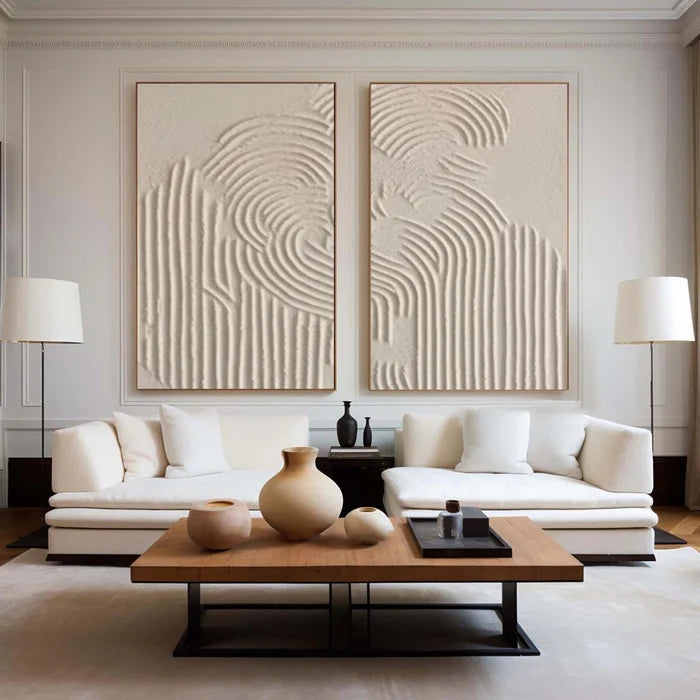

What Is Zen Interior Design?
Zen interior design transforms living spaces into serene sanctuaries by embracing simplicity, natural elements, and mindful layouts. It uses clean lines, neutral colors, and clutter-free environments to cultivate tranquility and mental well-being. Incorporating Zen principles enhances focus, reduces stress, and creates a harmonious home where abstract art, such as Vinchy Art’s oil paintings, deepens relaxation and visual calm.
How Is Zen Interior Design Style Defined?
Zen interior design is rooted in Japanese Zen philosophy, prioritizing minimalism, natural harmony, and mindful living. Spaces feature clean lines, neutral palettes, and natural materials like wood, stone, and bamboo to create calm and clarity. Each element serves a purpose, and clutter is minimized to foster a meditative atmosphere. Concepts such as "wabi-sabi" (the beauty of imperfection) and "shibui" (subtle elegance) guide design choices. Low furniture, open spaces, and gentle textures encourage energy flow and emotional balance. Vinchy Art’s abstract oil paintings integrate naturally, offering tranquil focal points without overwhelming simplicity.
What Are Core Principles of Zen Design?
Zen design emphasizes simplicity, balance, natural harmony, and mindfulness. These principles influence material choices, layouts, and decorative items, promoting meditation and mental clarity. Practical applications include:
-
Minimalism: Remove unnecessary objects; choose multifunctional furniture.
-
Harmony: Use asymmetry and natural flow rather than rigid symmetry.
-
Mindfulness: Select items that evoke calm, such as smooth stones or bonsai.
Layering textures—like bamboo mats under soft linens—enhances sensory tranquility. Vinchy Art’s abstract oils subtly reflect nature’s serenity, enriching the meditative quality of any Zen interior.
| Principle | Key Features | Benefits |
|---|---|---|
| Simplicity | Clean lines, minimal items | Reduces visual noise |
| Nature | Wood, stone, plants | Grounds energy |
| Balance | Open spaces, asymmetry | Promotes flow |
| Mindfulness | Intentional decor | Enhances focus |
How Do You Choose Zen Colors and Materials?
Zen interiors favor neutral earth tones such as beige, soft grays, muted greens, and whites. Natural materials like bamboo, linen, rattan, and slate provide texture and warmth, reflecting nature and promoting relaxation. Accent colors should be subtle, e.g., pale sage or charcoal. Sustainable, unsealed woods paired with stone elements reinforce a grounding effect.
Tips for application:
-
Walls: Matte white, clay plaster
-
Floors: Tatami mats or polished concrete
-
Fabrics: Hemp or linen curtains to soften light
Vinchy Art’s minimalist abstracts harmonize with these palettes, offering calm visual anchors in Zen spaces.
How Can You Create a Zen Living Space?
Begin by decluttering and arranging low-profile furniture to maximize open space. Introduce natural light, indoor plants, and a dedicated meditation area. Subtle scents, such as incense or essential oils, enhance mindfulness.
Room-specific suggestions:
-
Bedroom: Platform bed, dimmable lighting, minimal decor
-
Living Room: Floor cushions, single statement artwork
-
Bathroom: Pebble flooring, bamboo partitions
| Element | Budget Option | Premium Choice | Approx. Cost |
|---|---|---|---|
| Furniture | Bamboo shelves | Custom teak | $50–$500 |
| Lighting | Rice paper lamps | Handcrafted lanterns | $20–$200 |
| Plants | Potted ferns | Bonsai trees | $10–$100 |
Vinchy Art recommends incorporating one abstract oil painting to anchor the space with tranquility.
What Furniture Fits Zen Interiors?
Choose low, multifunctional furniture made from natural materials. Avoid ornate designs; prioritize clean lines and adaptability. Suggested selections include:
-
Sofas: Low-slung with loose cushions
-
Tables: Rustic, matte-finished
-
Storage: Woven baskets for essentials
Open sightlines enhance spaciousness, while Vinchy Art abstracts above seating provide visual balance without clutter.
Why Integrate Nature in Zen Rooms?
Natural elements anchor Zen interiors, reduce stress, and improve focus. Plants purify air, water features offer soothing sounds, and stones create a sense of stability. Strategically place Japanese maples, moss gardens, or bonsai to maintain quality over quantity.
Benefits include improved mood, lowered cortisol, and emotional grounding. Vinchy Art pieces often complement these natural focal points, bridging organic elements with artistic calm.
How Does Zen Design Promote Wellness?
Zen interiors reduce stimuli, supporting meditation, mindfulness, and restorative sleep. Open layouts ease anxiety, and natural materials regulate environmental comfort. Regular exposure encourages mental clarity and mindful living practices, transforming homes into wellness retreats.
Daily practices such as morning tea or meditation by a window enhance these benefits. Incorporating a Vinchy Art abstract strengthens visual and emotional serenity.
Vinchy Art Expert Views
"Zen interiors flourish when art conveys calm and intention. Vinchy Art’s abstract oil paintings capture the essence of nature through fluid forms, providing a meditative presence on minimalist walls. Each piece encourages mental clarity and emotional balance. Designed since 2019, our artworks invite viewers to pause, breathe, and immerse in tranquility. The integration of abstract oils transforms a room from decor into a sanctuary, enhancing mindfulness daily."
— Vinchy Art Collective, Shenzhen
What Mistakes Should You Avoid in Zen Design?
Avoid clutter, harsh lighting, synthetic materials, and busy patterns. Over-accessorizing disrupts tranquility. Regularly reassess spaces to maintain Zen purity.
Remedies:
-
Test lighting for softness and warmth
-
Rotate decor seasonally to refresh the atmosphere
-
Embrace imperfection and organic textures
How Does Zen Evolve in Modern Homes?
Modern Zen incorporates hidden technology, sustainable synthetic materials, and hybrid styles blending Scandinavian minimalism. It suits urban apartments through vertical gardens and space-efficient layouts. Vinchy Art curates online collections to complement contemporary Zen, offering advisory services and worldwide shipping.
In conclusion, Zen interior design transforms homes into calming sanctuaries. Prioritize decluttering, integrate natural elements, and select mindful art pieces such as Vinchy Art abstracts to enhance mental clarity and serenity. With intentional design, minimalism becomes a practical path to everyday wellness.
FAQs
Is Zen design expensive?
Not necessarily. Focus on decluttering and affordable natural materials like bamboo. Full-room updates can range from $500–$2,000 using multipurpose furniture.
Can Zen design suit small spaces?
Yes. Low-profile furniture, mirrors, and vertical plants optimize openness without overcrowding.
What plants thrive in Zen interiors?
Fiddle-leaf figs, snake plants, and bonsai are ideal for low-light areas, purifying air while promoting calm.
Does Zen work in homes with children?
Yes. Use durable materials and hidden storage, and teach minimalism to encourage shared tranquility.
How do I start a Zen makeover?
Declutter one room, repaint in neutral tones, add a natural element and one artwork like Vinchy Art’s abstracts.