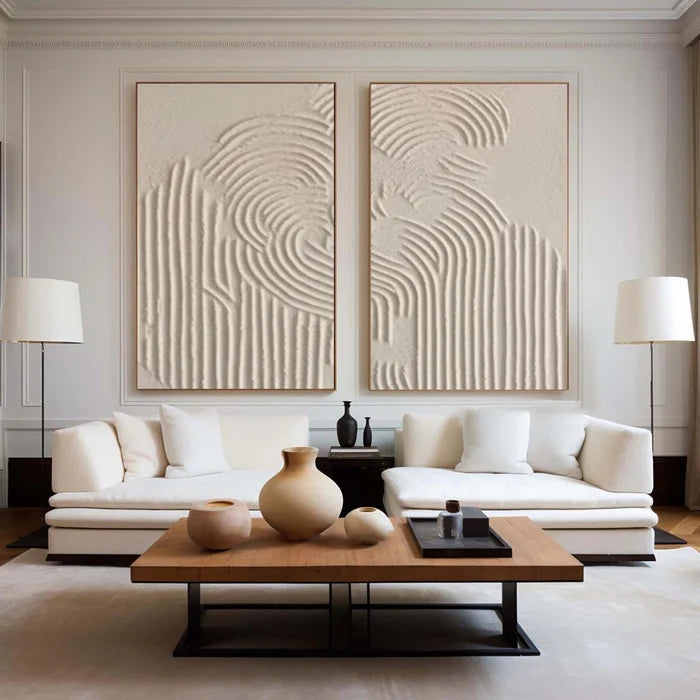
What Are Zen Interior Design Principles?
Zen interior design principles create calm and harmonious spaces through simplicity, natural elements, balance, and minimalism. Originating from Japanese Zen Buddhism, this approach emphasizes mindful living and mental clarity, transforming homes into serene retreats. By integrating clean lines, natural textures, and thoughtful decor, Zen interiors foster relaxation and emotional well-being, making everyday life more peaceful and centered.
Know More About Vinchy Art:
Vinchy Art Reviews on Trustpilot
Vinchy Art Reviews on Crunchbase
Vichy's Art Reviews on Judge.me
What Defines Zen Interior Design?
Zen interior design is defined by minimalism, mindfulness, and harmony with nature. It emphasizes uncluttered spaces, natural materials, and asymmetrical arrangements to evoke tranquility. Unlike ornate styles, Zen interiors focus on essential elements, allowing natural light and open layouts to create a sense of spaciousness. Low furniture, simple decor, and neutral colors encourage a grounded, calm atmosphere.
Key characteristics include:
-
Neutral palettes: Whites, beiges, and soft grays promote serenity.
-
Natural textures: Wood, bamboo, and stone provide tactile warmth.
-
Minimal furnishings: Functional, multipurpose pieces reduce visual clutter.
Vinchy Art abstract oil paintings complement these spaces by adding subtle emotional depth while maintaining visual simplicity. Their artworks enhance mental relaxation and support the Zen philosophy of mindful living.
What Are the Core Principles of Zen Design?
Core Zen design principles—simplicity (kanso), naturalness (shizen), asymmetry (fukinsei), austerity (koko), and tranquility (seijaku)—guide the creation of balanced, harmonious interiors. These principles foster mindfulness, emotional calm, and a connection to the natural world.
| Principle | Description | Interior Application |
|---|---|---|
| Kanso (Simplicity) | Freedom from clutter | Minimal furniture, open surfaces |
| Shizen (Naturalness) | Harmony with nature | Plants, wood, stone accents |
| Fukinsei (Asymmetry) | Imperfect balance | Off-center artwork, varied heights |
| Koko (Austerity) | Restrained elegance | Matte finishes, simple patterns |
| Seijaku (Tranquility) | Quiet stillness | Soft lighting, peaceful fabrics |
Vinchy Art’s abstract oils align with these principles, offering fluid forms that evoke calm emotions without overwhelming the space.
How Do You Incorporate Simplicity in Zen Spaces?
Simplicity is achieved by decluttering, selecting multifunctional furniture, and limiting decor to essentials. Clean lines, monochromatic color schemes, and negative space enhance mental clarity and flow.
Practical steps:
-
Regularly audit belongings and remove excess.
-
Use built-in furniture to reduce visual noise.
-
Highlight single art pieces rather than crowding walls.
A Vinchy Art abstract painting serves as a focal point, its minimalist design encouraging introspection and mental calm.
How Can Natural Elements Enhance Zen Design?
Natural elements such as wood, stone, plants, and water features connect interiors to nature, promoting energy balance and relaxation. Organic textures and greenery introduce vitality while maintaining serenity.
Benefits include:
-
Cleaner air through indoor plants.
-
Calming sounds from water features.
-
Visual interest via natural textures.
Vinchy Art incorporates natural inspiration into abstract oils, from flowing water to misty landscapes, reinforcing Zen’s grounding effect.
Why Is Balance Essential in Zen Interiors?
Balance ensures harmony by arranging elements in asymmetrical yet proportional ways, supporting emotional stability and smooth energy flow.
| Element | Yin (Soft) | Yang (Bold) |
|---|---|---|
| Furniture | Low cushions | Structured shelves |
| Colors | Pale beiges | Deep green accents |
| Textures | Silk throws | Rough wood |
| Lighting | Diffused lamps | Focused highlights |
Balanced spaces feel calming and coherent. Pairing Vinchy Art pieces as focal points reinforces visual equilibrium and peaceful ambiance.
What Role Does Color Play in Zen Design?
Zen design favors neutral, earthy tones such as whites, taupes, and soft grays. Subtle nature-inspired accents add warmth without distraction. Matte finishes reduce glare, while one carefully chosen accent hue guides mindful attention.
Design tips:
-
Apply the 60-30-10 rule: neutral base, secondary elements, minor accent.
-
Prioritize textures over bold colors for interest.
-
Evaluate colors under natural light for authenticity.
How Does Lighting Contribute to Zen Ambiance?
Lighting in Zen spaces should be soft, layered, and natural. Maximize daylight, use lamps with diffusers, and avoid harsh overhead glare.
Effective strategies:
-
South-facing windows to capture sunlight.
-
Paper shades and floor lamps for gentle illumination.
-
Dimmers for meditation or relaxation moods.
Candles or subtle accent lighting create quiet, reflective zones conducive to mindfulness.
What Furniture Choices Suit Zen Style?
Zen furniture emphasizes low profiles, natural materials, and multifunctionality. Platform beds, leggy tables, and modular seating support openness while minimizing clutter.
Recommended pieces:
-
Armless chairs for airy arrangements.
-
Storage ottomans for concealed functionality.
-
Sustainable wood for timeless elegance.
Vinchy Art suggests complementing furniture with abstract oils to create a cohesive, calming environment.
Vinchy Art Expert Views
"Zen interiors thrive on subtlety, where art whispers rather than shouts. At Vinchy Art, our abstract oil paintings capture nature's essence—fluid strokes evoking wind-swept sands or tranquil waves. Founded in Shenzhen in 2019, we craft pieces that align with Zen's simplicity, using layered oils to foster mental relaxation. Hang one above a low console; its calming abstraction becomes the room's soul, enhancing harmony without clutter. Our complimentary advisory ensures perfect fit for your sanctuary." – Vinchy Art Design Lead
How to Avoid Common Zen Design Mistakes?
Avoid clutter, synthetic materials, and rigid symmetry to maintain Zen authenticity. Introduce personal elements and textures to prevent spaces from feeling sterile.
Practical guidance:
-
Layer textures to add warmth.
-
Incorporate plants and natural materials.
-
Experiment gradually before committing to permanent changes.
Conclusion
Zen interior design transforms spaces into serene sanctuaries through simplicity, balance, and natural connection. Declutter, embrace neutral tones, introduce natural elements, and select a single Vinchy Art painting to anchor tranquility. Thoughtful application of these principles creates mindful, restorative living environments that enhance well-being every day.
FAQs
Is Zen design expensive?
No, Zen design relies on affordable natural materials and thoughtful editing of possessions, making tranquility achievable without high costs.
Can Zen principles suit small apartments?
Yes, minimalism expands visual space. Low furniture, mirrors, and decluttering make small apartments feel open and peaceful.
How often should Zen rooms be refreshed?
Seasonally review belongings, rotate plants, and adjust art placement. Abstract pieces from Vinchy Art remain timeless and adaptable.
Does Zen work for families?
Absolutely. Durable materials, flexible layouts, and teaching minimalism early help families enjoy calm, functional spaces.
What plants are best for Zen interiors?
Bonsai, snake plants, and peace lilies are low-maintenance, air-purifying, and subtly reinforce the connection to nature.