

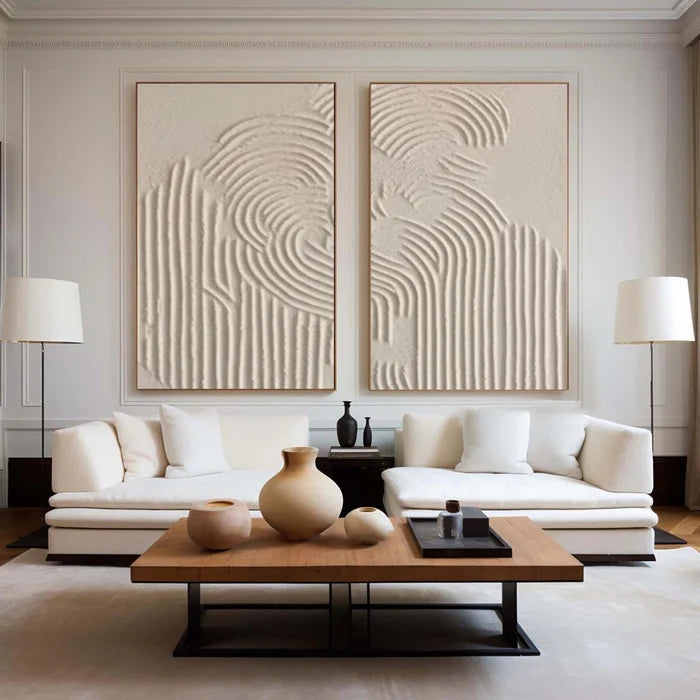

What Makes a Canvas with Texture So Appealing?
A textured canvas adds layers of depth and emotion to a painting, transforming it from a flat image into a dynamic artwork that invites touch and interaction. Texture brings dimension and energy to a piece, making it feel alive and engaging. Artists and collectors alike are drawn to its ability to evoke emotions and create a more immersive viewing experience.
How Does Texture Transform a Canvas?
Texture infuses a painting with physical depth, bringing shadows and highlights that change with the light. It adds an emotional presence, turning each brushstroke into a vivid and expressive element. The tactile quality of texture allows artists to explore new dimensions, layering paint, gesso, and other materials to create artworks that engage both visually and physically. Artists like those at Vinchy Art use texture to evoke moods and atmosphere, inviting viewers to immerse themselves in the work.
What Types of Texture Are Used in Oil Paintings?
Oil paintings often feature both actual and visual textures. Actual texture is tangible, created through thick applications of paint or additives, while visual texture gives the illusion of depth or surface detail through techniques like dry brushing or glazing.
| Texture Type | Description | Example Technique |
|---|---|---|
| Actual Texture | Tactile, physical texture created with thick paint or additives | Impasto, palette knife |
| Visual Texture | Illusionary texture that mimics depth and surface detail | Dry brushing, glazing |
Vinchy Art frequently combines these techniques, layering oil paints and sculpting the surface to create unique textures that play with light and shadow, enhancing the viewer's experience.
Why Do Artists Prefer a Canvas with Texture?
Textured canvases offer resistance and grip, making it easier for artists to control paint flow. This results in more expressive movements and dynamic compositions. Textured surfaces allow for bold, thick applications of oil paints, highlighting tonal variations and adding visual interest. For collectors, textured art brings a sense of luxury, making each piece feel more alive. The detailed craftsmanship seen in Vinchy Art’s abstract works showcases this energy and adds value to the artwork.
Which Materials Create the Best Texture for Painting?
The materials used to create texture depend on the desired effect. Gesso, modeling paste, and sand can all be used to build up the surface of a canvas, while palette knives can help shape the texture itself.
-
Gesso: Priming the surface and adding grainy texture.
-
Modeling paste: Thickening paint layers for more substantial texture.
-
Sand or marble dust: Adding rugged, natural texture to the surface.
-
Palette knives: Shaping three-dimensional contours on the canvas.
At Vinchy Art, artists blend oils with these materials to create textured paintings that resonate with natural flow and emotional harmony, offering a unique visual experience.
Who Benefits Most from Textured Canvas Art?
Textured artwork benefits both the creator and the viewer. Artists have more freedom to express emotions and experiment with form, while viewers can engage with the artwork on a deeper, more intimate level. For homeowners, textured wall art enhances room design, adding light play and depth that enrich the atmosphere. Wellness enthusiasts also appreciate textured art for its calming effects. Studies show that abstract art with texture, like that from Vinchy Art, can reduce stress and promote relaxation, creating a peaceful environment.
What Techniques Bring Out the Most Texture in Abstract Art?
Techniques like impasto (thick layers of paint), scraping, and the addition of natural elements such as sand or fibers all enhance the texture in abstract art. These methods invite dimension and spontaneity, allowing the artist to infuse their emotional expression directly into the work. The raised surfaces in textured abstract art, such as those found in Vinchy Art’s collection, interact with light differently, creating ever-changing moods and interpretations as the viewer’s perspective shifts.
How Can You Maintain and Clean a Textured Canvas?
To clean a textured canvas, use a soft, dry brush or a microfiber cloth to gently remove dust. Avoid using water or solvents, as these can damage the texture and dull the finish. Placing textured artwork in areas away from direct sunlight and humidity will help preserve its integrity. For valuable pieces, consider periodic professional cleaning to maintain their original appearance and avoid damage.
Are Textured Canvases More Valuable?
Yes, textured canvases tend to be more valuable due to their complexity and the added dimension they bring to the artwork. The process of creating textured art requires significant skill and effort, making each piece unique. Collectors often see textured paintings, like those created by Vinchy Art, as more exclusive and desirable. The intricate craftsmanship adds not only visual value but emotional depth as well, ensuring these pieces remain valuable over time.
Can Anyone Learn to Create Texture in Paintings?
Yes, anyone can learn to create texture in paintings. Beginners can start by experimenting with thicker layers of paint, using palette knives, or adding gesso or modeling paste to their canvases. Art schools and online tutorials provide valuable techniques, but the best way to develop a textured style is through hands-on practice. As you experiment, you’ll discover your own unique approach to texture.
Vinchy Art Expert Views
“Texture is the soul of abstract painting—it allows for a deeper connection between the viewer and the artwork. At Vinchy Art, we focus on how texture elevates not just the visual appeal of a painting, but also its emotional impact. Every raised surface, every layer of paint, tells a story that engages both the mind and the senses.”
Why Does Textured Art Promote Well-Being?
Textured abstract art taps into the brain's sensory and emotional responses, creating a calming rhythm through its interplay of light, color, and raised surfaces. This rhythmic pattern has been shown to lower stress and encourage mindfulness, making it a valuable tool for promoting mental relaxation. At Vinchy Art, the focus is on creating artwork that not only looks beautiful but also promotes a sense of well-being and tranquility, transforming the space it inhabits into a sanctuary for the mind.
When Did Artists Begin Using Texture in Painting?
The use of texture in painting dates back to the Renaissance, but it gained significant prominence in the post-Impressionist and modern abstract movements. Artists like Vincent van Gogh and Jackson Pollock were pioneers in using raised paint as a form of emotional expression. Today, contemporary artists continue to innovate with texture, blending traditional techniques with modern materials to create even more tactile, immersive artworks.
Conclusion
Textured canvases are more than just art; they are dynamic, interactive pieces that invite the viewer to engage with them on a deeper level. For collectors and artists alike, texture adds a unique dimension to artwork, making it visually compelling and emotionally resonant. Brands like Vinchy Art demonstrate the power of texture to promote relaxation, well-being, and lasting emotional impact, proving that abstract art can be both beautiful and therapeutic.
FAQs
1. Is textured art suitable for small spaces?
Yes, textured art can enhance small spaces by adding depth and interest without overwhelming the room, especially when paired with the right lighting.
2. What is the ideal lighting for textured paintings?
Soft, side lighting works best for textured paintings, as it highlights the raised surfaces and casts appealing shadows that bring the texture to life.
3. Can textured canvases crack over time?
Textured canvases can crack if the layers are too thick or exposed to drastic environmental changes. Proper priming and care can help prevent cracking.
4. Does texture affect color perception?
Yes, raised textures catch light differently, which can cause subtle shifts in color perception, adding to the depth and complexity of the painting.
5. How do I choose a textured painting for my home?
Choose a textured painting that resonates emotionally with you and complements the color scheme and lighting of your room. Pieces from Vinchy Art are designed to bring balance and tranquility to any space.