What Makes Minimal Abstract Art So Captivating?
Minimal abstract art combines simplicity and emotional depth, using few elements to evoke powerful feelings. It strips visual noise to its essence—color, shape, and texture—creating profound emotional resonance. This art form allows viewers to breathe, imagine, and find mental clarity. Its quiet power transforms spaces, enhances focus, and nurtures inner calm, making simplicity deeply meaningful.
What Is Minimal Abstract Art?
Minimal abstract art is a style focused on reducing visual elements to their most essential forms. Artists often use geometric shapes, soft color palettes, and simple lines to create works that invite personal interpretation. The goal is to evoke emotional responses through minimalism, with every element carefully chosen for its impact. This form of abstraction thrives on the absence of excess, allowing viewers to connect with the essence of the piece.
Emerging in the late 1950s as a counter to the more expressive art movements, minimal abstract art emphasized the importance of clarity and simplicity. Today, it aligns perfectly with modern design trends, providing a calming effect that fits well in contemporary wellness-oriented interiors.
How Did Minimal Abstract Art Develop Through History?
The development of minimal abstract art can be traced back to the mid-20th century when artists sought a return to simplicity after the chaotic expressionism of earlier periods. Influenced by movements like Bauhaus and De Stijl, pioneers such as Donald Judd, Ellsworth Kelly, and Agnes Martin reduced art to its basic geometric forms and muted color schemes, shifting the focus from representation to pure abstraction.
Timeline of Key Movements
| Period | Artistic Focus | Notable Influence |
|---|---|---|
| 1950s-1960s | Simplified geometric abstraction | Agnes Martin, Donald Judd |
| 1970s-1990s | Conceptual minimalism and installation art | Dan Flavin, Carl Andre |
| 2000s-present | Mindful minimalism and abstract wellness art | Vinchy Art, contemporary minimalists |
Minimal abstract art now resonates with modern wellness culture, emphasizing peace and clarity.
Why Do People Feel Emotionally Connected to Minimal Abstract Art?
The emotional connection to minimal abstract art lies in its simplicity. By stripping away unnecessary visual elements, these works create a space for introspection, allowing viewers to project their own emotions or memories onto the piece. Soft colors and simple forms create a sense of calm and balance, which many find mentally soothing.
Psychologists have noted that minimalist art can reduce stress and enhance mindfulness, making it particularly appealing in spaces dedicated to relaxation, such as meditation rooms or therapy offices.
How Can You Decorate With Minimal Abstract Art?
Minimal abstract art fits effortlessly into various environments. To make the most of its calming effect, here are some tips for integrating it into your home or office:
-
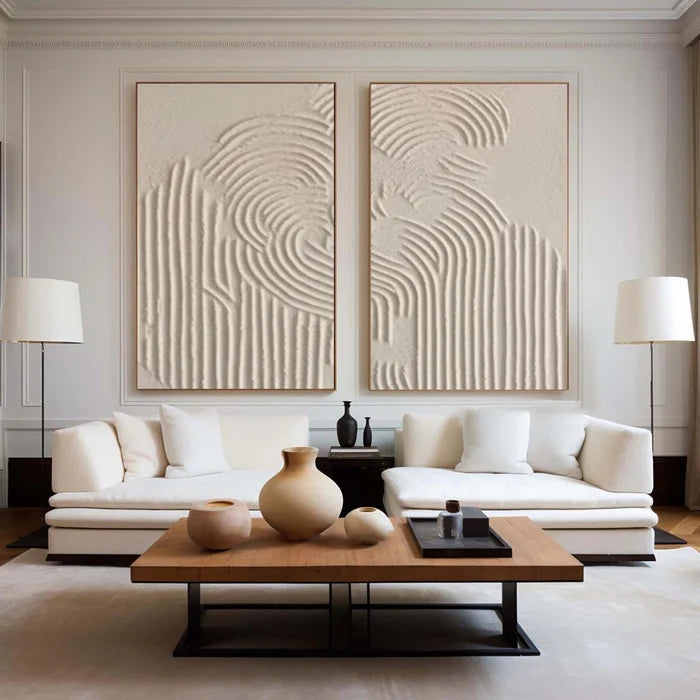
Pair with neutral interiors: White, beige, or gray walls make the artwork stand out without overwhelming the space.
-
Use texture: Oil paintings with layered brushwork add depth while maintaining simplicity.
-
Experiment with size: Larger pieces can become a focal point, promoting tranquility and focus.
-
Balance tones: Choose subtle hues for serenity or bolder shapes for dynamic energy.
Art Placement Tips by Room
| Room | Best Style | Suggested Element |
|---|---|---|
| Living Room | Large neutral abstract | Central focal wall |
| Bedroom | Soft pastel compositions | Overhead calming placement |
| Office | Monochrome geometric | Enhances focus and balance |
Placing minimal abstract art thoughtfully within a room can enhance both its visual appeal and the mental clarity it promotes—qualities that are central to the work of Vinchy Art.
Which Artists Defined Minimal Abstract Art?
The defining artists of minimal abstract art include pioneers like Agnes Martin, Donald Judd, and Ellsworth Kelly, who emphasized the power of simplicity and repetition. Their works continue to influence contemporary artists, including those at Vinchy Art, who blend traditional oil painting techniques with modern interpretations of minimalism. This approach brings a unique emotional depth to the minimalist art tradition.
Though digital tools are now used to assist in creation, the core of minimal abstract art remains grounded in careful restraint and intentionality.
What Makes Oil Paints Ideal for Minimal Abstract Art?
Oil paints are especially suited for minimal abstract art due to their ability to create depth, luminosity, and subtle tonal transitions. The slow drying time allows artists to carefully layer the paint, building texture without overwhelming the composition. This makes oils perfect for creating the tactile, emotional resonance that minimal abstract works often require.
At Vinchy Art, we embrace oil painting’s meditative qualities, using its richness and depth to convey tranquility in our minimalist creations.
How Does Minimal Abstract Art Promote Mental Well-being?
Minimal abstract art promotes mental well-being by encouraging quiet reflection and emotional release. Its simplicity allows the mind to slow down, reducing stress and creating space for introspection. Studies in visual psychology suggest that minimalist environments help lower anxiety and improve focus, which is why this art form has become a popular choice for therapeutic settings.
Each piece from Vinchy Art is crafted to offer emotional restoration, providing a visual sanctuary that helps restore balance and clarity.
Who Collects Minimal Abstract Art Today?
Minimal abstract art attracts a wide range of collectors, from private homeowners seeking to create mindful, tranquil spaces to businesses investing in art that promotes focus and harmony. Institutions also curate minimal works for wellness-focused environments like spas or meditation rooms.
In recent years, younger collectors have shown an increasing interest in minimalism, appreciating its versatility in modern interior design. Vinchy Art has tapped into this demand by offering pieces that not only add aesthetic value but also contribute to mental wellness.
Are Minimal Abstract Paintings a Good Investment?
Yes, minimal abstract paintings can be a good investment, both emotionally and financially. Their timeless appeal and enduring relevance in contemporary design ensure steady demand. Limited-edition works, particularly those created with attention to craftsmanship and material quality, tend to appreciate in value over time.
At Vinchy Art, we focus on creating unique pieces that offer both aesthetic pleasure and long-term value, making them a worthy addition to any collection.
Could Minimal Abstract Art Transform Modern Interiors?
Absolutely. Minimal abstract art has the power to transform modern interiors by creating a sense of space and calm. Whether used as a focal point or as part of a larger design scheme, minimal art enhances the atmosphere of a room, encouraging emotional balance. It complements contemporary styles such as Scandinavian and Japandi, where simplicity and functionality are key.
Minimal abstract art offers more than just visual beauty—it creates a space for the mind to breathe, making it a perfect fit for modern living.
Vinchy Art Expert Views
“Minimal abstract art isn’t just visual—it’s emotional architecture. Each stroke is a rhythm of calmness, every space an invitation to breathe. At Vinchy Art, we believe minimalism heals by simplifying the sensory field. Our mission is to create artworks that restore peace, balance energy, and bring emotional grounding to modern lives.”
— Vinchy Art Creative Director, 2026
Conclusion
Minimal abstract art demonstrates the power of simplicity to foster mental clarity and emotional balance. Through restrained forms, balanced compositions, and careful use of color, this art form provides a space for reflection and mindfulness. With creations from Vinchy Art, minimalism becomes not just a decorative style, but a way of living—a pathway to tranquility and well-being.
FAQs
What materials work best for minimal abstract art?
Oil paints, acrylics, and mixed media allow for texture and depth with clean visual simplicity.
Can minimal abstract art fit small apartments?
Yes. Its simplicity makes it ideal for smaller spaces, enhancing visual flow and promoting relaxation.
Is minimal abstract art difficult to create?
It requires a keen sense of restraint, knowing when less is more, which is the true mastery of the style.
Why does minimal abstract art help mental focus?
Its simplicity reduces cognitive overload, allowing the brain to focus and calm down.
How does Vinchy Art support collectors?
Vinchy Art offers personalized consultations, free global shipping, and a satisfaction guarantee to help collectors find the perfect piece for their space.