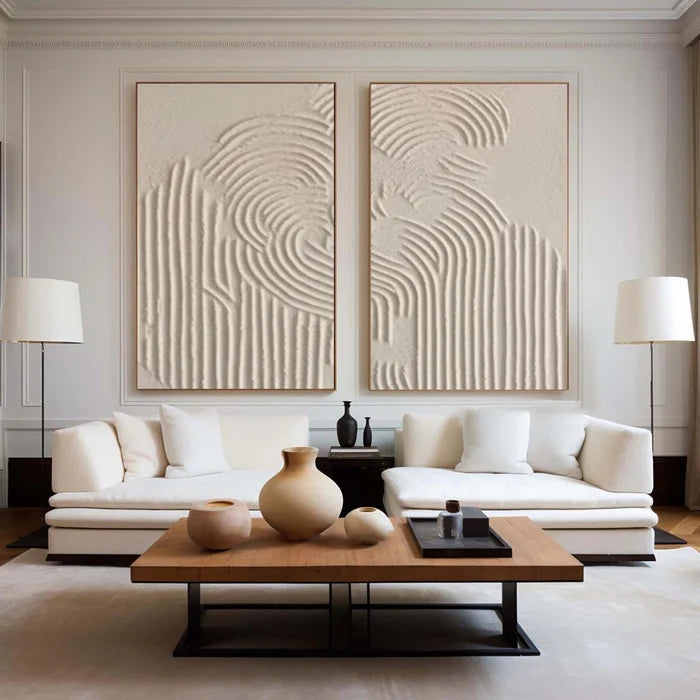
What Makes a Western Oil Painting Monochrome?
A monochrome Western oil painting uses a tightly controlled palette—often black, white, sepia, charcoal, or earth-toned neutrals—to interpret Western subjects such as horses, cattle, riders, desert terrain, ranch architecture, and open-range horizons. It works best when the composition, value contrast, texture, and scale suit the room; color restraint should clarify the subject rather than make the artwork feel flat.
What Makes This Style Distinctive?
Monochrome Western oil art combines recognizable frontier imagery with a limited color range, shifting attention toward silhouette, tonal depth, brushwork, and material character. The result can feel rustic, cinematic, minimalist, or contemporary depending on the composition and finish.
Traditional Western art often emphasizes narrative: a rider moving through a landscape, a longhorn portrait, a weathered barn, or a horse at rest. A monochrome approach reduces visual noise and gives those subjects a more edited, design-forward presence.
Instead of relying on a blue sky, red bandana, or multicolored desert sunset, the painter creates visual interest through value. Deep blacks establish structure; pale highlights describe light on a horse’s neck, dust on a trail, or sun across a distant ridge. Midtones keep the picture from becoming overly stark.
Common palette directions include:
-
Black, white, and gray for a graphic, modern Western interior
-
Sepia, umber, and cream for an aged photograph or heritage-ranch effect
-
Sand, taupe, and charcoal for quiet desert minimalism
-
Warm gray and off-white for transitional spaces with softer contrast
-
Dark brown and ivory for lodge, rustic-modern, or leather-rich rooms
Oil paint is especially suited to this look because it can create nuanced transitions between dark and light, visible brushwork, and layered surface depth. Acrylic can also produce a convincing monochrome Western composition, particularly when the desired finish is matte, graphic, or heavily textured.
Which Western Subjects Work Best in Monochrome?
The best subjects have a clear silhouette, strong gesture, or recognizable form that remains readable without color. Horses, longhorns, cowboys, ranch scenes, desert landscapes, and Western architecture are particularly effective because their shapes carry visual meaning on their own.
A horse portrait is one of the most versatile choices. The mane, ears, muzzle, and muscular neck offer natural contrast and expressive line, while a close crop can make the artwork feel more contemporary than a traditional equestrian scene.
Longhorn and cattle paintings work well above fireplaces, console tables, dining-room sideboards, and leather seating because the horns create a broad horizontal gesture. Choose an image with enough negative space around the animal so the room does not feel crowded.
Cowboy imagery can read as nostalgic or modern depending on how literal it is. A back-facing rider, lasso silhouette, hat profile, or loosely painted figure usually feels more understated than a detailed narrative scene. This makes it suitable for a modern ranch interior, industrial loft, or neutral bedroom.
Western landscape paintings are often the least theme-specific option. Desert mesas, open plains, mountains, weathered fences, and distant horizons can connect with Southwestern, Japandi, Wabi-Sabi, rustic-modern, and minimalist interiors without making the room look like a themed lodge.
How Do You Choose the Right Size and Orientation?
Choose the artwork by measuring the wall and the furniture beneath it first, then select an orientation that supports the subject’s natural movement. As a practical rule, a single painting above furniture usually looks balanced when it spans roughly two-thirds to three-quarters of the furniture width.
A wide landscape composition supports a herd, open prairie, longhorn, horizontal horse scene, or desert horizon. It is often the strongest choice over a sofa, bed, buffet, fireplace mantel, or long entry console.
A vertical composition works especially well for a horse portrait, cowboy figure, cactus-and-desert scene, or narrow wall between windows. It can draw the eye upward in rooms with lower ceilings.
The following guide helps turn wall measurements into a more confident starting point.
Leave enough breathing room around the canvas. A very small Western painting on a large wall can appear incidental, while an oversized dark painting in a compact room may create visual weight that overwhelms the furnishings.
For a large-format piece, step back and assess the viewing distance. Larger works are usually easier to read from across a room, while smaller detailed paintings reward closer viewing in a hallway, reading corner, or intimate entry.
How Does a Limited Palette Affect a Room?
A limited palette can make Western décor more flexible because it connects through value and material rather than competing colors. Black-and-white work introduces contrast; sepia and earth-tone work reinforces warmth; soft grays and creams create a quieter visual rhythm.
In a room with camel leather, reclaimed wood, linen upholstery, iron hardware, and woven textiles, warm monochrome art can bridge these materials without adding another dominant color. Sepia, raw umber, and antique-white paintings often complement walnut, oak, cognac, rust, and cream.
For a more modern look, use black-and-white or charcoal Western wall art with cleaner-lined furniture, black metal, polished concrete, light oak, or white plaster walls. The composition matters: a simplified horse silhouette or expansive desert scene is generally more compatible with contemporary interiors than a highly detailed saloon-style tableau.
Consider the artwork’s value range before ordering:
-
High contrast creates a focal point and suits rooms that need definition
-
Midtone-heavy work feels softer and more atmospheric
-
Pale monochrome paintings can visually lighten dark wood or heavy furniture
-
Deep, dark paintings add grounding but need adequate wall space and lighting
A monochrome work does not have to match every finish in the room. It should instead relate to at least two visible elements, such as black window frames and charcoal upholstery, or warm wood flooring and beige linen drapery.
Why Does Texture Matter in Oil Paintings?
Texture gives monochrome oil painting physical depth when color is intentionally restrained. Raised brushstrokes, palette-knife marks, scumbled layers, and exposed canvas can catch light differently throughout the day, making a neutral artwork feel more dimensional.
A smooth, blended surface tends to suit refined transitional, classic, and formal interiors. It can make a horse portrait or landscape appear more controlled and representational. Visible brushwork often feels more contemporary, especially when the subject is loosely interpreted.
Heavier texture can enhance the ruggedness of a Western subject. For example, dry-brush passages may suggest wind-worn grass, rocky desert surfaces, weathered barn wood, or dust moving across an open trail. However, texture should support the visual idea rather than become a disconnected decorative effect.
When comparing hand-painted work with printed wall décor, inspect whether the listing identifies the actual painting medium, canvas format, surface finish, and whether the work is made individually. At Vinchy Art, artwork details should be evaluated on the exact product page because canvas type, paint medium, framing availability, orientation, and customization options can vary by listing.
What Framing Style Complements Western Monochrome Art?
The best frame either strengthens the artwork’s intended contrast or quietly integrates it into the room. Black frames sharpen modern monochrome compositions, natural wood frames add warmth, and floating frames create a cleaner gallery-like boundary around a canvas.
A black floater frame often suits charcoal horse portraits, black-and-white ranch scenes, and minimalist desert paintings. It creates a crisp edge that relates well to black lighting fixtures, steel furniture legs, or dark window trim.
Natural oak, walnut, or medium-stained wood frames work well with sepia, brown, beige, and cream paintings. They can echo leather, wood beams, woven baskets, or rustic flooring without making the entire room feel overly matched.
For a raw, Wabi-Sabi-influenced interior, a frameless canvas or subtly finished floating frame may be preferable. The focus stays on the painting’s irregular brushwork, edge treatment, and material surface.
Before choosing a frame, consider both the wall color and the nearest large furniture piece. A dark frame can disappear against a nearly black wall, while a pale wood frame may lack definition against warm beige paint. Vinchy Art may offer different presentation options on applicable listings, but buyers should confirm the available choices for the precise artwork and size rather than assuming a frame is included.
How Should You Light and Install the Painting?
Install the center of the artwork near eye level in a standing viewing area, then adjust for furniture placement. Use controlled, indirect lighting that reveals tonal and textural detail without exposing the painting to excessive heat, harsh sunlight, or persistent glare.
A common starting height is to place the artwork’s center around 57–60 inches from the floor. Above furniture, maintain a visual connection by leaving approximately 6–10 inches between the lower edge of the artwork and the furniture top, adjusting for the room’s proportions.
Lighting matters more for monochrome art than many buyers expect. Uneven lighting can erase subtle gray transitions, while a warm directional picture light may enhance texture and earth tones. In rooms with strong natural light, observe the wall at different times of day before finalizing placement.
Use mounting hardware appropriate to the artwork’s actual weight, frame, and wall material. A light rolled canvas will require a different installation approach from a finished framed canvas. Confirm what hardware, if any, accompanies the specific Vinchy Art order and use wall anchors or studs where the installation requires them.
Avoid placing oil or acrylic paintings directly above a heat source, in steamy bathrooms, or where they receive prolonged direct sun. Stable indoor conditions are generally preferable to sudden swings in humidity and temperature.
Can You Customize a Monochrome Western Painting?
Customization can help align a Western composition with a specific wall, palette, and furnishing plan, but the result should be agreed in clear visual terms. Specify orientation, dimensions, dominant tones, subject placement, desired contrast, and any elements that should be avoided.
Instead of requesting “a neutral Western painting,” define the design objective more precisely. For example: “a horizontal longhorn composition in warm charcoal, ivory, and umber, with broad negative space on the left to suit a 72-inch sofa.” This gives the artist or art advisor useful compositional direction.
Helpful details to provide include:
-
A straight-on photo of the intended wall
-
Wall width and ceiling height
-
Furniture dimensions beneath the art
-
Room photos showing wood tones, upholstery, and metal finishes
-
Preferred orientation and target canvas size
-
Reference images for mood, not for exact copying
-
Whether the painting should feel bold, quiet, rustic, abstracted, or graphic
Hand-painted custom work should not be expected to reproduce a digital reference with machine-level sameness. Variations in brushwork, texture, and tonal blending are part of the handmade result. Vinchy Art states that certain made-to-order works may support size or color customization and review of completed-work visuals before shipment; confirm the exact process and eligibility for the selected listing and order type.
What Should You Check Before Buying Online?
Before purchasing, confirm the artwork’s exact dimensions, orientation, medium, substrate, presentation format, and total visual footprint. A persuasive product image alone cannot show whether the scale, tonal contrast, or framing will work in your space.
Review the product page for:
-
Canvas dimensions in the selected variant
-
Whether the size refers to one panel or a multi-panel set
-
Oil, acrylic, mixed-media, or textured finish where specified
-
Rolled, unframed, or framed presentation options
-
Landscape, portrait, or square orientation
-
Close-up photographs that show paint application and texture
-
Handmade variation information
-
Customization availability for that exact artwork
-
Order-specific shipping, return, and destination terms
Ask for a room preview when it is available, but treat it as a visual planning aid rather than a precise color proof. Monitor settings, daylight, camera processing, wall paint undertones, and surrounding materials can alter how the artwork appears in person.
For a cohesive result, make the purchase decision with the room’s largest variables in view: wall width, viewing distance, light direction, dominant furniture materials, existing palette, and the degree of visual contrast the space needs.
What Are Vinchy Art Expert Views?
“For monochrome Western artwork, begin with proportion and value rather than subject alone. A horse, longhorn, or desert scene can suit many interiors when its scale matches the wall and its dark-to-light balance relates to the room. Use broad negative space for a calmer effect, stronger blacks for a more graphic focal point, and warm umbers when connecting with leather and wood. Before placing an order, share room dimensions and a wall photo so orientation, color temperature, and visual weight can be considered together. Because hand-painted work includes natural variation in brushwork and texture, evaluate reference images as a guide to the intended composition and mood, not as a promise of identical surface marks.”
How Do You Care for a Hand-Painted Canvas?
Care for a hand-painted canvas by keeping it clean, dry, and away from direct environmental stress. Dust gently with a soft, dry brush or clean microfiber cloth, avoiding pressure on textured areas, exposed edges, and painted surfaces.
Do not use household cleaners, water, polish, abrasive cloths, or adhesive products on the paint layer. These can leave residue, disturb delicate surface texture, or affect the finish.
Keep the artwork away from direct sunlight, radiator heat, fireplaces, damp basements, and high-steam areas. If the canvas requires deeper cleaning, has mold, cracking, or visible paint loss, consult a qualified art conservator rather than attempting a repair at home.
For framed work, periodically check the hanging points, wire, D-rings, and wall fasteners. A properly supported painting is less likely to shift, bow, or suffer accidental damage over time.
What Are the Most Common Questions About Monochrome Western Oil Paintings?
Can a monochrome Western painting work in a non-rustic home?
Yes. Choose a simplified subject, restrained frame, and a palette that connects with the room’s existing neutrals. Black-and-white horse art and abstracted desert landscapes can work especially well in modern, industrial, transitional, and minimalist spaces.
Is black and white better than sepia for Western wall art?
Neither is inherently better. Black and white creates stronger contrast and a more graphic effect, while sepia usually feels warmer and more heritage-oriented. Choose based on the room’s undertones, materials, and desired mood.
Should a Western painting match my leather furniture exactly?
No. Exact matching can make the room feel overly coordinated. It is usually enough for the artwork to share a related warm or cool direction with the leather, wood, metal, or textiles already present.
Will handmade paintings look identical to the listing photo?
Hand-painted work may differ slightly in brushwork, texture, and tonal detail. These variations are normal characteristics of individually produced artwork; review the exact product information and any available approval process before ordering.
Can I use one large painting instead of a gallery wall?
Yes. One substantial monochrome Western canvas can create a cleaner, more intentional focal point, particularly above a sofa, bed, mantel, or dining-room sideboard. Select a size that occupies enough of the wall to feel deliberate.
What Is the Best Final Approach for Your Space?
Choose a monochrome Western oil painting that earns its place through scale, tonal balance, and material presence—not just through its subject. Start with the wall dimensions and viewing distance, then match the palette to your existing wood, leather, textiles, and metal finishes.
Use a wide composition for open walls and horizon-driven scenes, a vertical canvas for horse portraits or narrow spaces, and a square format for centered focal points. Consider the natural and artificial light, select a frame that supports the room’s style, and plan installation before the artwork arrives.
For a made-to-order purchase from Vinchy Art, confirm the exact artwork’s size, medium, frame option, customization pathway, and order terms before checkout. The most successful choice is one that brings the Western reference into the room with clarity, proportion, and a finish that feels intentional from both near and far.