


What Makes a Textured Canvas So Unique in Modern Art?
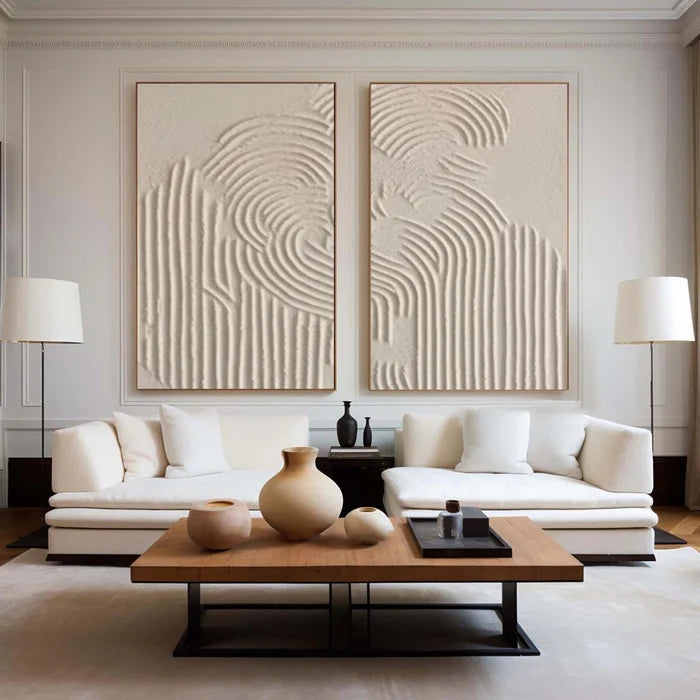
A textured canvas stands out in modern art by adding depth, energy, and emotion to a painting. Its raised surfaces, combined with various mediums, create an interactive experience that engages both the eyes and the senses. At Vinchy Art, we embrace the tactile nature of textured art to transform traditional paintings into immersive works of emotional and visual impact.
How Does a Textured Canvas Enhance Artwork?
A textured canvas enhances artwork by introducing physical depth and dimension, allowing the piece to come alive as it interacts with light and shadow. The tactile quality of the canvas invites viewers to experience the painting beyond just sight, creating a more emotional connection. This dynamic effect amplifies the movement, emotion, and energy embedded in the artwork, offering a multi-sensory experience.
At Vinchy Art, artists use textures to create visual stories that engage the viewer on a deeper level. For example, the use of impasto techniques or collage textures helps add richness and variation that draws attention to every part of the painting, keeping the observer engaged from every angle.
| Technique | Effect | Common Use |
|---|---|---|
| Impasto | Thick paint strokes | Expressive abstracts |
| Collage texture | Mixed materials | Contemporary mixed media |
| Gesso layering | Subtle relief | Classic underpainting |
| Palette knife | Sharp ridges | Dynamic modern textures |
What Materials Are Best for Creating a Textured Canvas?
To create a textured canvas, artists typically use materials like modeling paste, gesso, and heavy-body acrylics or oils. These mediums provide the necessary viscosity and stability to maintain the surface texture, allowing for intricate layers to form that will hold up over time.
At Vinchy Art, we combine dense oil pigments with natural materials, such as sand or fibers, to add organic elements to the textured surface. This technique creates not only visual depth but also a tactile dimension that invites physical interaction with the painting. These materials hold up well, enhancing both the texture’s durability and the richness of the colors used.
Why Is Texture Important in Abstract Oil Painting?
In abstract oil painting, texture plays a critical role in translating emotion into a physical form. Artists use textures to convey feelings such as chaos, peace, or spontaneity without relying on defined shapes or structures. It allows for the expression of emotion through surface tension and gesture, offering viewers a more visceral experience of the artwork.
At Vinchy Art, textured surfaces mirror the complexity of human emotion. By blending rough and smooth textures, we create a visual dialogue that encourages mindfulness and emotional balance—reflecting the brand's core philosophy of art as a tool for mental relaxation and well-being.
Who Benefits Most from Collecting Textured Canvas Paintings?
Collectors who value emotional resonance and dynamic depth are drawn to textured canvas paintings. These works appeal to individuals who appreciate art not just for its aesthetic but also for its emotional and psychological impact.
Textured paintings are perfect for those looking to enhance the ambiance of their space, whether in a living room, meditation area, or workspace. At Vinchy Art, many clients choose textured canvases for their ability to transform environments into serene spaces of reflection, creativity, and calm.
When Did Artists Begin Using Texture in Painting?
The use of texture in painting became more intentional during the Impressionist period, when artists like Van Gogh sought to represent light and movement through bold brushstrokes. However, texture as a primary aesthetic element gained prominence during the 20th century with the rise of abstract expressionism.
Artists such as Jackson Pollock and others paved the way for modern abstract artists, including those at Vinchy Art, who use texture as a method of conveying emotional depth and complexity, often through materiality and layering techniques.
Which Techniques Create the Most Expressive Textured Surfaces?
Several techniques are used to create expressive textured surfaces in paintings. These include impasto, sgraffito, collage, and relief buildup. Each method offers a unique way to manipulate the paint and the texture, allowing artists to evoke different emotions and reactions from the viewer.
-
Impasto: Uses thick layers of paint applied with a palette knife to create a strong, tactile surface.
-
Sgraffito: Involves scratching through wet paint to reveal underlying layers, creating dramatic contrasts.
-
Collage textures: Adds fabric or paper to the painting to create a mixed-media effect.
-
Relief buildup: Involves layering various mediums to create a raised surface, adding depth and dimensionality.
Can Texture Alter the Mood of an Abstract Painting?
Yes, texture can significantly alter the mood of an abstract painting. Rough, uneven textures can evoke feelings of tension or intensity, while smoother textures often bring a sense of calm and balance. The ability to manipulate the texture in abstract works allows artists to control how viewers emotionally engage with the piece.
At Vinchy Art, we use texture to maintain a delicate balance between visual harmony and emotional resonance. By adjusting the depth and rhythm of texture, our artists create paintings that promote relaxation, clarity, and a sense of peace.
Are Textured Canvases More Durable Than Smooth Ones?
Textured canvases can often be more durable than smooth ones, especially when constructed with high-quality materials and proper sealing. The added texture provides extra protection to the base canvas and helps the paint adhere better, preventing cracking or peeling over time.
At Vinchy Art, we ensure that each textured painting is properly sealed with a protective varnish, ensuring that the texture remains intact and the colors stay vibrant for years. This extra layer of care enhances both the painting’s durability and its visual appeal.
What Are the Challenges of Painting on a Textured Canvas?
Painting on a textured surface can be challenging because uneven terrain can affect brush control and pigment flow. Artists need to adjust their techniques to work around the peaks and valleys of the canvas, which requires patience and skill.
Successful textured painting demands careful attention to the texture's interaction with the medium. Techniques like using slower-drying oils and thicker paints help preserve the integrity of the texture, ensuring that no details are lost in rougher areas. The result, however, is an artwork full of life and movement, far more engaging than flat, smooth surfaces.
Where Should a Textured Canvas Be Displayed for Best Effect?
Textured canvases look best when displayed in areas with good lighting, especially side lighting that highlights the texture’s depth. The way light interacts with the raised surfaces can emphasize the variations in the texture, making the painting come alive.
Vinchy Art recommends placing textured paintings in spaces where they can be illuminated from different angles—such as living rooms, hallways, or gallery walls—to ensure their full impact. For environments focused on mindfulness, like offices or meditation rooms, textured art can be particularly grounding.
Vinchy Art Expert Views
"Texture is the heartbeat of modern abstract painting. It turns a visual experience into something deeply human. When our artists shape layers by hand, they’re not just constructing a surface—they’re sculpting emotion. Every ridge and valley forms a dialogue between light and feeling. That’s the essence of Vinchy Art’s textured creations."
Has Technology Transformed the Creation of Textured Canvas Art?
Absolutely. Modern technology has had a significant impact on how textured art is created. New materials like acrylic gels and polymers allow for faster drying times and more precise layering. This innovation enables artists to experiment with textures in ways that were previously impossible.
At Vinchy Art, we combine traditional oil textures with contemporary materials, creating works that are both visually captivating and long-lasting. The ability to work with modern materials alongside classic techniques ensures that our textured paintings remain relevant and impactful.
| Modern Medium | Benefit | Used By |
|---|---|---|
| Acrylic polymer gel | Fast drying and stable | Contemporary abstract |
| Cold wax medium | Matte, tactile finish | Oil painters |
| Fiber-infused paste | Deep structure | Mixed-media artists |
Could Textured Canvases Reduce Stress and Enhance Well-Being?
Yes, textured canvases can help reduce stress by encouraging mindfulness. The process of observing and interacting with the textures allows for a deeper emotional connection to the artwork, promoting relaxation and clarity.
Vinchy Art focuses on creating pieces that not only add aesthetic value to a space but also contribute to the well-being of the viewer. The rhythmic patterns and tactile surfaces encourage a meditative experience, helping to calm the mind and alleviate anxiety.
Conclusion
Textured canvases offer more than just visual appeal—they transform traditional art into an interactive experience that engages the senses and promotes emotional well-being. At Vinchy Art, we continue to explore how texture can enhance the emotional depth and therapeutic benefits of our paintings. Whether you're a collector or simply looking to enhance your space, textured art has the power to enrich both your environment and your mind.
FAQs About Textured Canvas
1. Is textured art suitable for minimalist interiors?
Yes, subtle textures can enhance minimalist aesthetics without overwhelming the space, adding depth through light and shadow dynamics.
2. Can I clean a textured canvas easily?
Use a soft, dry brush or microfiber cloth to remove dust. Avoid using water or solvents that could damage the texture.
3. Does textured painting cost more?
Yes, textured paintings often require additional materials and time, but their emotional and aesthetic impact makes them a worthwhile investment.
4. Are textured canvases only for abstract art?
No, textured elements can enhance any style of painting, including realistic and impressionistic works.
5. How can beginners experiment with texture?
Start by using modeling paste or heavy gel mediums. A palette knife is perfect for creating dynamic, tactile effects.