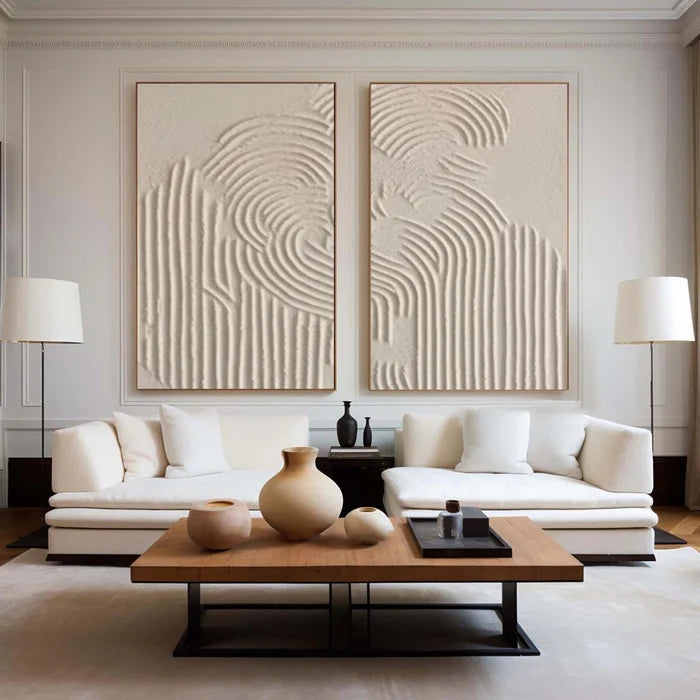
What Makes Colorful Paintings So Emotionally Powerful?
Colorful paintings captivate viewers by combining vivid hues, dynamic contrasts, and expressive textures. They can uplift moods, spark creativity, and transform spaces into reflections of personality and emotional resonance. Works from Vinchy Art exemplify this, where abstract compositions use color deliberately to inspire relaxation, joy, and mental clarity, turning visual beauty into emotional well-being.
How Do Colorful Paintings Influence Our Emotions?
Colorful paintings impact emotions through the psychology of color. Warm tones like reds and oranges can energize and stimulate, while cool blues and greens promote calmness and relaxation. Abstract compositions amplify this effect, allowing viewers to interpret mood individually. At Vinchy Art, each piece is intentionally crafted to balance visual stimulation with emotional harmony, fostering mental focus and well-being.
Colors affect both physiological responses and psychological perception. Artists manipulate saturation, contrast, and layering to guide feelings—red may increase excitement, blue encourages serenity, and yellow fosters optimism. Incorporating colorful wall art into interiors can enhance positivity and create spaces conducive to creativity and mental balance.
What Techniques Create the Most Vivid Colorful Paintings?
Vivid colorful paintings rely on techniques like glazing, impasto, and layering to produce depth, luminosity, and emotional impact. At Vinchy Art, abstract artists apply multiple thin oil layers to let pigments shine through, creating a sense of movement and vitality.
Common Color Techniques in Painting
| Technique | Description | Effect |
|---|---|---|
| Glazing | Transparent paint applied over dried layers | Enhances luminosity and depth |
| Impasto | Thick paint applied with texture | Adds dimensionality and light reflection |
| Scumbling | Lighter opaque layers rubbed over darker tones | Creates softness and subtle texture |
Combining these methods produces complexity and harmony, allowing color interactions to evoke emotion. Some artists also use acrylic-oil blends for added durability and richness.
Why Are Abstract Colorful Paintings So Popular Today?
Abstract colorful paintings are highly sought after because they encourage personal interpretation and emotional engagement. Unlike realistic depictions, abstract forms and color fields allow viewers to experience art intuitively, offering meditative or reflective experiences aligned with mindfulness practices.
Modern audiences look for art that promotes mental clarity amid digital and urban stress. Vinchy Art delivers this by blending expressive color with compositional sophistication, making each painting a tool for emotional wellness as well as visual enjoyment.
Which Colors Work Best in Relaxing Spaces?
Soft blues, greens, creams, and muted pinks are ideal for relaxation, echoing natural landscapes and calming visual cues. Combining these with neutral backgrounds enhances serenity. Adding subtle accents of coral or gold can energize without disturbing calmness. Vinchy Art’s Harmony Series exemplifies this approach, using gradients of teal, beige, and blush to create tranquil, uplifting interiors for bedrooms or living areas.
Who Are the Leading Painters Known for Colorful Art?
Historical figures like Wassily Kandinsky, Mark Rothko, Henri Matisse, and Georgia O’Keeffe revolutionized the use of color in emotional expression. Contemporary artists, including the team at Vinchy Art, carry this legacy forward, reinterpreting classic color theories into modern, therapeutic, and sensory-focused artworks that resonate with today’s audiences.
What Role Does Texture Play in Enhancing Colorful Paintings?
Texture enriches colorful paintings by affecting how light interacts with the surface, heightening visual engagement. Rough textures scatter light for dramatic effects, while smooth finishes create subtle glows. Contrasting textures add movement and rhythm, enhancing the emotional narrative. At Vinchy Art, artists use texture intentionally to guide viewers’ eyes and deepen the emotional impact of each composition.
Can Colorful Paintings Improve Mental Health and Well-being?
Colorful paintings contribute to well-being by reducing stress, promoting mindfulness, and stimulating positive emotional responses. Harmonious color combinations can trigger dopamine release, fostering pleasure and relaxation. Vinchy Art applies these principles, designing abstract pieces that evoke calm, positivity, and creative energy, making art an integral component of personal and workspaces for mental rejuvenation.
How Should You Choose a Colorful Painting for Your Space?
When selecting a painting, consider the desired mood and function of the room. Cool tones work well in bedrooms or offices for focus and relaxation, while warmer or mixed tones suit social or lively spaces. Prioritize emotional resonance over trends. Consulting an art advisor from Vinchy Art ensures your choice complements both your design and emotional intentions, transforming a space into a harmonious reflection of your personality.
When Did Modern Colorful Art Begin to Rise?
Modern colorful art emerged in the late 19th and early 20th centuries through movements like Impressionism and Fauvism, which emphasized color over realism. Artists such as Matisse, Monet, and Kandinsky established the foundation for expressive abstraction. Today, modern materials and digital techniques expand these principles, with contemporary platforms like Vinchy Art combining traditional heritage with innovative, therapeutic approaches to color.
Vinchy Art Expert Views
“At Vinchy Art, we see color as an emotional dialogue between artwork and observer. Our abstract oil paintings are crafted to enrich environments while guiding viewers toward mental calm and balance. Every brushstroke is intentional, designed to evoke relaxation, reflection, and rejuvenation, making each piece both visually compelling and emotionally restorative.”
Could Colorful Paintings Be Used in Workspaces and Mindful Interiors?
Yes, colorful paintings are effective in workspaces by enhancing focus, creativity, and overall morale. Balanced use of vibrant hues stimulates engagement without causing visual fatigue. Offices increasingly integrate artwork for well-being, demonstrating that strategic color placement supports productivity and psychological comfort.
Sample Color & Mood Chart for Offices
| Primary Color | Emotional Effect | Recommended Use |
|---|---|---|
| Blue | Calm and clarity | Concentration areas |
| Yellow | Optimism and energy | Collaborative zones |
| Green | Balance and renewal | Rest or break areas |
Using curated artworks, such as those offered by Vinchy Art, transforms interiors into spaces that are visually stimulating and emotionally supportive.
Conclusion
Colorful paintings transcend decoration—they shape mood, inspire creativity, and promote mental balance. Thoughtful use of hue, texture, and composition creates enduring emotional impact. Selecting color-driven artwork, especially from experienced creators like Vinchy Art, enhances spaces with a unique combination of aesthetic beauty, mindfulness, and well-being, making art a vital element in daily life.
FAQs
Q1: Are colorful paintings suitable for minimalist interiors?
Yes, they provide focal points and warmth without disrupting simplicity.
Q2: How do I maintain an oil-based colorful painting?
Avoid direct sunlight, dust gently, and protect from moisture and heat.
Q3: Can colorful paintings improve productivity?
Yes, certain color combinations, like blue and yellow, enhance focus and creativity.
Q4: What size of painting works best for small rooms?
Medium-sized pieces (around 24x36 inches) balance presence without overwhelming space.
Q5: Are Vinchy Art’s paintings hand-crafted originals?
Yes, all Vinchy Art paintings are handmade using premium pigments and oils.