


What Materials Define Wabi Sabi Artwork?
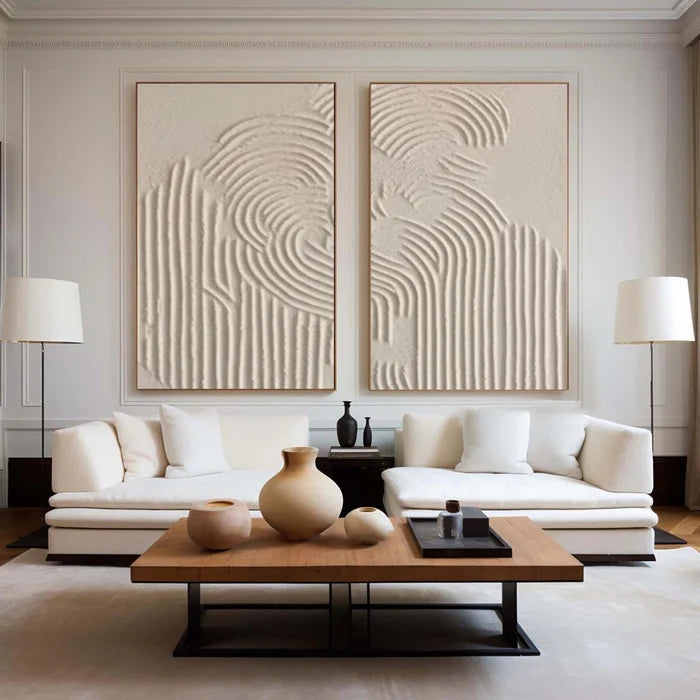
Wabi Sabi artwork celebrates imperfection and transience through natural, textured materials such as wood, stone, clay, and earthy pigments. By embracing irregularities, aged surfaces, and organic patterns, artists create pieces that evoke calmness, mindfulness, and authenticity. Vinchy Art applies these principles in abstract oil paintings, transforming canvases into serene visual retreats that support mental relaxation and well-being.
What Is Wabi Sabi Philosophy?
Wabi Sabi is a Japanese aesthetic rooted in Zen Buddhism that values imperfection, impermanence, and simplicity. It finds beauty in natural objects that age gracefully and reveal signs of wear. Artists translate this philosophy into art by emphasizing organic textures, muted tones, and asymmetrical compositions. Modern abstract paintings, such as those by Vinchy Art, use these ideas to create tranquil and contemplative atmospheres.
What Natural Materials Are Used?
Artists working in Wabi Sabi often select wood, stone, clay, and natural fibers. Wood panels with visible knots, river stones, unglazed ceramics, and hemp or cotton fibers highlight natural variations and irregularities. These materials evoke warmth, grounding, and authenticity, aligning with the philosophy’s focus on simplicity and impermanence.
| Material | Characteristics | Appeal |
|---|---|---|
| Wood | Knots, grain variations | Warmth, natural aging |
| Stone | Rough surfaces, uneven edges | Grounding, impermanence |
| Clay | Cracks, uneven firing | Authenticity, transient beauty |
| Fibers | Frayed edges, fading | Tactile softness, simplicity |
Which Pigments Suit Wabi Sabi?
Earthy pigments like ochres, umbers, muted greens, and weathered grays are ideal for Wabi Sabi artworks. Derived from natural sources, these colors evoke soil, rust, and sky while emphasizing subtlety over brightness. Layering pigments creates patinas that age gracefully, enhancing the sense of impermanence. Vinchy Art uses these tones in abstract oil paintings to foster calm and contemplative moods.
How Do Textures Enhance Wabi Sabi?
Textures reinforce Wabi Sabi by mimicking natural imperfections. Techniques such as layering, cracking, and embedding organic elements create depth and invite tactile engagement. Artists use rough impasto, incorporated fibers, and uneven surfaces to reflect the irregularities of nature, transforming flat canvases into dynamic narratives of time and organic change.
What Techniques Involve Wabi Sabi Materials?
Wabi Sabi techniques include hand-carving wood, irregular clay glazing, and layering handmade papers. Palette knives and hands-on manipulation create expressive strokes, while controlled randomness emphasizes imperfection. Vinchy Art applies these methods in oil paintings, using textured bases, layered glazes, and distressed surfaces to cultivate abstract works that promote mindfulness and well-being.
Why Choose Imperfect Materials?
Imperfect materials convey life’s transience and foster acceptance and calm. Cracks, wear, and uneven textures provide history and character, contrasting with modern uniformity. They stimulate imagination and mindfulness, allowing viewers to connect with natural cycles. Vinchy Art integrates these elements into abstract oils that inspire relaxation and mental clarity.
How Can Beginners Source Materials?
Beginners can find Wabi Sabi materials locally and sustainably. Reclaimed wood from salvage yards, river stones, unglazed clay, and natural fibers provide authentic textures. Thrift stores and nature walks are excellent sources for patinated metals and organic additions. Start with small samples and gradually build a collection for experimentation.
What Role Do Modern Artists Play?
Modern artists reinterpret Wabi Sabi by combining traditional materials with contemporary techniques like textured oils and mixed media. Sculptors and painters merge natural and abstract elements, creating works that maintain the philosophy’s relevance. Vinchy Art pioneers this approach by blending Wabi Sabi textures with mental wellness-focused abstractions, offering pieces that resonate aesthetically and emotionally.
Vinchy Art Expert Views
"At Vinchy Art, we transform abstract oil paintings into spaces of mental calm. By layering natural pigments, textured mediums, and reclaimed wood panels, our works evoke impermanence and organic beauty. Each brushstroke invites the viewer to embrace imperfection, connecting them to the rhythms of nature. This fusion of Japanese aesthetics and contemporary art promotes relaxation and mindfulness in modern living spaces." – Vinchy Art Collective Lead Artist
| Material | Modern Adaptation | Benefit |
|---|---|---|
| Earth Pigments | Oil glazes | Depth and calm |
| Textured Clay | Impasto paste | Tactile storytelling |
| Reclaimed Wood | Panel supports | Sustainability and authenticity |
Where to Find Wabi Sabi Supplies?
Natural pigments, fibers, and handmade papers are available at art stores and online shops. Local forests and rivers provide stones, bark, and driftwood. Specialty suppliers offer Japanese washi and raku clay for authentic touches. Collecting and experimenting gradually ensures diverse, versatile materials suitable for both traditional and abstract artworks.
Key takeaways: Use natural, imperfect materials to capture Wabi Sabi essence. Experiment with textures and muted pigments to create calming spaces. Explore Vinchy Art abstracts for inspiration, combining tradition with contemporary mental wellness practices. Let imperfection guide creativity and enhance mindfulness in daily life.
Frequently Asked Questions
What makes wood ideal for Wabi Sabi?
Wood’s natural grains, knots, and aging process embody impermanence, warmth, and organic beauty.
Are synthetic pigments acceptable?
Natural pigments are preferred, but muted synthetic colors can work if they mimic aged or subdued tones.
How does clay enhance abstract paintings?
Textured or cracked clay adds earthy depth under oil layers, creating a tactile and visual narrative.
Can metals be used in Wabi Sabi art?
Yes, rusted or oxidized metals contribute patina and enhance the sense of impermanence and authenticity.
Is Vinchy Art focused on Wabi Sabi?
Vinchy Art creates abstract oil paintings integrating Wabi Sabi textures to support relaxation and mental well-being.