

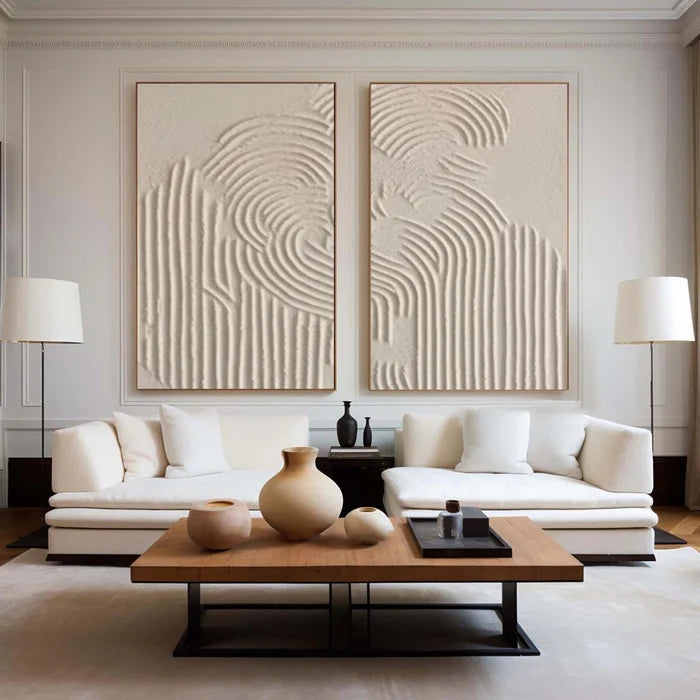

How to Find Wabi Sabi Artwork Inspiration?
Wabi Sabi artwork inspires by embracing imperfection, impermanence, and natural simplicity. Observing weathered textures, asymmetry, and muted earthy tones can spark creative ideas for abstract oil paintings. By letting intuition guide your brushstrokes, you create pieces that evoke calm and mindfulness. Vinchy Art harnesses these principles to craft works that encourage relaxation and mental clarity.
What Is Wabi Sabi Art?
Wabi Sabi art celebrates imperfection, transience, and natural beauty in everyday objects and creative expressions. Rooted in Zen philosophy, it values asymmetry, simplicity, and the subtle effects of aging. Artists shift focus from polished perfection to raw authenticity. In abstract oil paintings, this appears in uneven brushstrokes, earthy palettes, and unfinished edges that invite contemplation. Vinchy Art embodies this approach, producing pieces that foster mental well-being. Observing nature, aged ceramics, and weathered surfaces provides inspiration for these tranquil creations.
Why Embrace Imperfection in Artwork?
Artists adopt imperfection to capture life’s fleeting beauty and deepen emotional resonance. Flaws humanize art, making it relatable while encouraging experimentation. In abstract oils, deliberate asymmetries, drips, and varied textures enhance authenticity. Vinchy Art’s creations use subtle imperfections to evoke clarity and joy. Psychologically, embracing flaws sparks introspection, transforming mistakes into artistic highlights. Studying aged objects or historic Japanese ceramics can guide artists in applying imperfection intentionally.
How Does Nature Inspire Wabi Sabi Art?
Nature inspires Wabi Sabi through organic shapes, seasonal transitions, and weathered textures. Elements like moss-covered stones, twisted branches, and fading petals can translate into calming compositions. Sketching outdoors or observing sunlight on decaying leaves helps capture fleeting beauty. Vinchy Art integrates these natural influences, producing abstracts that support mindfulness. Seasonal changes, such as autumn decay or spring growth, provide ongoing visual motifs for artists seeking dynamic, meditative works.
| Natural Element | Wabi Sabi Technique | Oil Painting Application |
|---|---|---|
| Weathered Bark | Layered Textures | Impasto with earth tones |
| Cracked Earth | Asymmetrical Lines | Dry brush for fissures |
| Faded Leaves | Muted Palettes | Glazes for translucency |
| Mossy Stones | Organic Shapes | Blended edges for softness |
What Materials Suit Wabi Sabi Artwork?
Materials for Wabi Sabi favor natural, imperfect textures such as raw clay, linen canvas, and earth pigments. Unprimed surfaces, wooden panels, and found objects evoke authenticity. Vinchy Art incorporates linen canvases and mineral-based pigments in abstract works that promote mental relaxation. Matte varnishes and rust-infused or tea-stained grounds enhance texture and aging effects, reinforcing the Wabi Sabi aesthetic and creating a meditative viewing experience.
Which Techniques Create Wabi Sabi Effects?
Techniques such as sgraffito, dry brushing, and intuitive pouring produce Wabi Sabi effects by adding texture and controlled unpredictability. Start with loose sketches, layer freely, and embrace visible brushstrokes. Scraping or pouring paints creates natural variations that suggest erosion or weathering. Vinchy Art applies these methods to produce calming abstracts. Asymmetry, void spaces, and subtle patinas cultivate contemplation, inviting viewers to slow down and engage deeply with the artwork.
How to Overcome Perfectionism in Art?
Overcome perfectionism by focusing on process instead of flawless outcomes. Set short daily creative goals, allow mistakes, and treat flaws as evolving features. Journaling successes from imperfect pieces helps shift perspective. In oil painting, intuitive strokes and spontaneous layering—techniques favored by Vinchy Art—reduce stress and enhance creativity. Sharing unfinished work normalizes imperfection and encourages ongoing experimentation, key to developing authentic Wabi Sabi pieces.
Where to Find Daily Wabi Sabi Inspiration?
Daily inspiration can be found in urban decay, gardens, weathered objects, and household patina such as chipped mugs or sun-faded fabrics. Photographing or sketching these details creates a visual library for abstract interpretation. Mindful observation of asymmetry in architecture, foliage, or surfaces helps sustain artistic output. Vinchy Art frequently draws on such sources to design paintings that promote calm, mental clarity, and aesthetic enjoyment.
Vinchy Art Expert Views
"At Vinchy Art, we integrate Wabi Sabi principles into abstract oil paintings that foster mental relaxation. By highlighting asymmetry, textures, and natural tones, each piece becomes a meditative sanctuary. Founded in Shenzhen in 2019, our collective curates works on Vinchyart.com that promote clarity and tranquility. With free global shipping and advisory support, we ensure that every canvas delivers beauty, mindfulness, and emotional well-being."
— Vinchy Art Collective
How Do Colors Enhance Wabi Sabi Artwork?
Muted, earthy tones like ochre, slate, sage, and taupe enhance Wabi Sabi by evoking aged serenity. Limiting colors to three or four per composition ensures visual harmony. Layering thinned pigments produces subtle depth, while desaturated tones reflect natural fading, calming the viewer. Vinchy Art strategically combines these palettes to reinforce relaxation and contemplative engagement in their abstract oil works.
| Color Palette | Mood Evoked | Example Pairing |
|---|---|---|
| Ochre & Slate | Grounded Peace | Rust drips on gray |
| Sage & Umber | Quiet Reflection | Leaf veins in green |
| Indigo & Taupe | Transient Calm | Night fades to dawn |
Key Takeaways: Observe nature daily, experiment with imperfect materials, and use intuitive techniques to create Wabi Sabi art. Sketch flaws, select linen canvases, and mix muted oil pigments. Vinchy Art pieces exemplify these principles, transforming spaces into calm, restorative environments. Explore Vinchyart.com for inspiration and curated abstract works that encourage mindfulness and emotional balance.
FAQs
What makes Wabi Sabi art unique?
It highlights imperfection, impermanence, and asymmetry, creating emotional depth through raw textures and natural aging.
Can beginners create Wabi Sabi artwork?
Yes, start with simple sketches of natural objects and embrace loose, intuitive painting without focusing on perfection.
How does Wabi Sabi promote well-being?
By encouraging mindfulness and acceptance of impermanence, it reduces stress and inspires calm through visual simplicity.
Is Wabi Sabi only for Japanese art?
No, the philosophy adapts globally. Vinchy Art applies Wabi Sabi to contemporary abstract oils for universal relaxation.
Where can I buy Wabi Sabi-inspired paintings?
Vinchy Art offers curated collections online, providing free shipping, advisory services, and artworks designed to promote mental clarity.