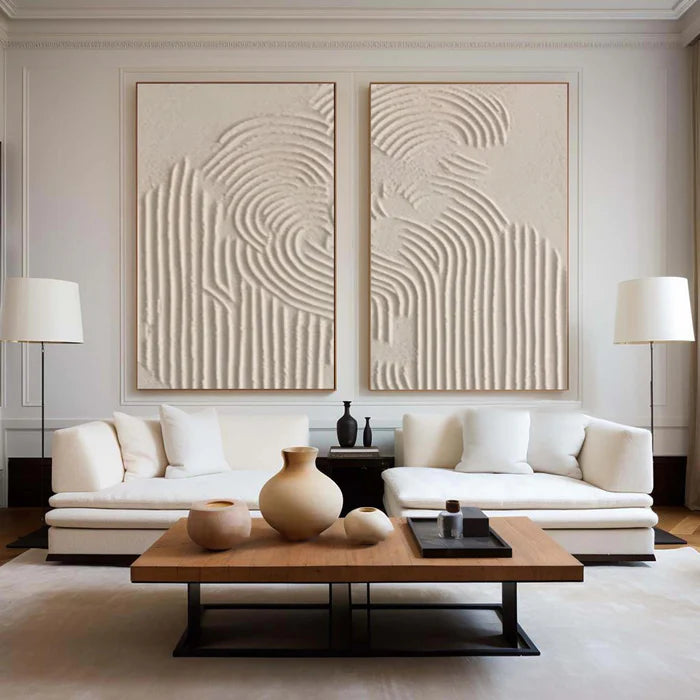
What “Original” Means in Vinchy Art Product Descriptions
Clarify the Meaning That Matters to Your Purchase
The word original can sound simple, but an online art listing may use it alongside hand-painted, handmade, made to order, unique, and custom. Those terms describe different aspects of a purchase.
A painting can be physically made by hand without the listing establishing that its composition is offered only once. A custom size can change the dimensions without creating an exclusive design. A signature can identify an attribution without answering every question about production.
For a Vinchy Art purchase, start with your priority: direct hand painting, a single exclusive composition, a named maker, or a defined custom brief. Each needs a specific answer. This guide explains how to connect the wording in a description with the work you intend to receive.
Hand-Painted Describes a Making Claim
A hand-painted description concerns how the surface is made. Buyers should ask whether the selected work is painted directly, printed, hand-finished over a print, or produced using another stated process.
The retrieved AB267 listing describes hand-painted, made-to-order production. The retrieved copy is older, so use it as an example of the wording and confirm the current arrangement for the selected order. It is a company description, not an observed production record.
If the making method is central to your choice, ask what documentation relates to the actual painting. A close view can illustrate a surface feature. An identified sequence showing preparation and painting can address the process more directly. Check what is available before assuming that every order includes such a record.
A Unique Physical Piece Is Not Necessarily an Exclusive Composition
Individual hand-painted versions may differ in marks or surface detail. That does not automatically establish that the underlying composition will never be offered to another buyer.
If exclusivity is central to your interest, ask whether the pictured work is the actual piece for sale, whether the design is repeated, and whether other sizes or versions are available.
An illustrative exclusivity question is: Will this composition be offered in other versions, or is the agreement for a single exclusive design? Keep the reply with the order details. Small differences in brush marks do not answer that separate question.
Made to Order Describes Timing and Selection
A made-to-order listing indicates that a work is prepared following an order rather than necessarily dispatched as an existing finished piece. The actual arrangement should be confirmed for the selected product.
It can allow a choice of dimensions or format, but it does not alone establish an entirely new composition, direct artist collaboration, or exclusive rights. Those features need their own agreement.
Ask which images are design examples and which show your completed piece. When the preview arrives, compare it with the accepted configuration and brief. That connects the selected design with the particular work prepared for delivery.
Customization Needs a Defined Scope
A buyer may request a different size, palette, orientation, or personal detail. The order should identify exactly what changes are agreed and how they affect the composition or process.
For an illustrative warmer-palette request, specify which tones should change and which features should remain. If you want an entirely new composition, say that separately. The agreed brief should explain what is being prepared rather than rely on the word custom alone.
The refund policy contains restrictions for custom artwork. Understand those conditions before agreeing to personal specifications rather than treating custom as only a creative benefit.
Artist Attribution Is a Separate Part of the Description
A listing or profile may associate a work with a named artist. Buyers interested in that attribution should ask about the relationship between the design, the person making the selected version, and any signature.
The artist pages provide published context for the collection. They should not be used to infer the maker of every order or a business-ownership role.
If attribution affects your choice, request an order-level answer before production. Record the role being confirmed and any signature arrangement. This gives the artistic association a precise meaning without using it to establish materials or exclusivity.
A Signature or Certificate Needs an Explanation
If a signature or accompanying document is important to you, ask what is provided, who issues it, and which claims it supports. Confirm whether it is standard or requires a request.
Do not assume that any certificate is an independent authentication. A brand-issued record may provide useful information while remaining a statement from the brand.
Ask what information the document records: model, dimensions, maker, date, or another stated detail. Its usefulness comes from that content and the issuer's role. Broader conclusions about technical performance or future value need evidence that addresses those subjects.
Materials Should Be Confirmed Independently of the Word Original
Original does not specify whether a piece uses oil, acrylic, a texture medium, cotton, linen, or another support. Those details belong in the selected work’s material description.
If the accessible listing uses inconsistent terms, request clarification. Do not let a favorable artistic label replace the information needed to understand what you are buying.
For textured work, ask what forms the relief, what paint is used, and what support carries the surface. Obtain model-specific care information where needed. A visible ridge can show depth while leaving the construction materials unresolved.
Be Precise About Images and Rights
A room visualization is a planning tool. A product image may show an example, and a finished-work preview may show the object prepared for your order. Label those images accurately when discussing the purchase.
If you plan uses beyond owning and displaying the physical painting, such as reproducing the image commercially, ask about the agreed permissions and seek appropriate guidance where needed. Do not assume the product label establishes the scope of those permissions.
Where a use beyond display matters to your plans, make it part of a separate written inquiry. State what you want to do and ask what permission is offered. Keep the response with the purchase record rather than interpreting original as a complete description of permitted uses.
Ask the Question That Matches Your Priority
Choose the question that would change your decision. If process matters, ask how the surface is made. If exclusivity matters, ask whether the composition is repeated. If attribution matters, ask who designs and makes the selected version.
Include the model reference, size, format, and proposed changes. The FAQ provides practical background, while the order-specific reply should resolve the detail you need confirmed.
Save that answer with the accepted brief and finished-work preview. A useful description connects the making method, design, attribution, and agreed conditions with the actual painting. Those details give original a clearer meaning in the purchase.