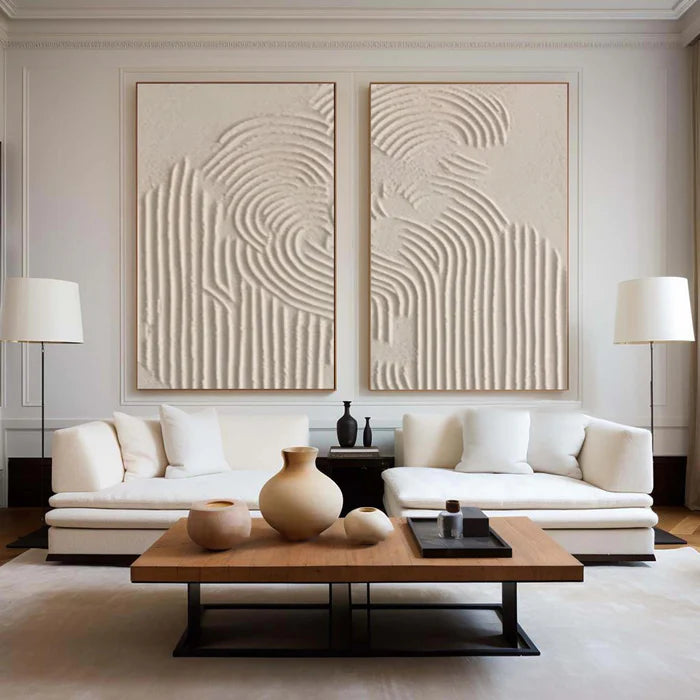
Reading Vinchy Art Painting Images: Composition, Texture, and Previews
Give each image a purpose
A painting image can help you choose a composition, explore a surface, or plan placement. Before comparing Vinchy Art images, identify which question you want answered. A room photograph and a close-up may both be attractive, but they supply different information about the artwork you are considering.
Related reading: how texture and lighting change photos, telling room mockups from real artwork photos and what happens after you order.
Start with a named model and keep the image reference with your notes. If several paintings appear together, identify which one you are viewing. This makes a later enquiry about color, size, texture, or frame more precise than a request based on an unidentified screenshot.
Begin with the complete composition
Use a full view to compare the arrangement of forms, visual movement, and the areas that first attract your attention. Consider whether you enjoy that composition from the distance at which it will normally be seen. A detail image can introduce an appealing mark while leaving the overall arrangement unclear.
Record what you prefer before adding practical requirements. You might like the balance of open space, the direction of a line, or a particular region of color. Naming the feature helps explain your selection and any question about retaining that feature in the ordered work.
Connect close-ups with the whole painting
A close view can show a visible ridge, brush mark, edge, or frame detail. Locate that area in the overall image so you understand its role in the composition. A cropped surface photograph should not be treated as a complete picture of how the painting fills the wall.
If surface detail matters to you, ask for a view of the relevant area and an overall image of the same selected work. Keep those images connected by model or preview reference. A useful pair lets you examine both the feature that interests you and the composition it belongs to.
Read angled views with lighting in mind
An angled image can make shadows, reflections, and raised features easier to notice. Compare it with the front view rather than assuming the strongest shadow describes the appearance from every position. The light direction and camera viewpoint affect which details become prominent.
Ask which view most closely represents the information you need, such as frame depth or an area of relief. A photograph can illustrate visible form without supplying a measured relief height or identifying the material that created it. Use a specification or direct clarification for those questions.
Keep materials and scale in the specification
A product title or image may suggest a visual style, but it does not answer every construction question. Confirm the materials, support, format, and frame information for your selected configuration. Do not identify an unnamed surface compound from its appearance alone.
For scale, retain the painted dimensions and confirmed outside dimensions separately. A styled room can suggest proportions while leaving exact measurements unresolved. Compare the outside footprint with your actual wall and furniture before choosing, and include gaps when planning more than one panel.
Use artist pages for creative context
The artist pages introduce creative interests and link to parts of the collection. They can help you explore expressive abstraction, minimalism, or nature-inspired directions. Use the profile to understand that presentation, then return to the identified painting for purchase details.
A profile does not identify an unnamed person in a production photograph or establish who made an individual order. If attribution or a signature matters to you, ask about the exact work. Keeping creative background and order-specific authorship distinct makes both sources more useful.
Separate room renderings from artwork previews
The room-preview page describes sending a room photograph, reference measurement, and desired configuration. A returned visualization can help compare placement. Confirm current service terms and keep the proposed model, size, and frame attached to the image.
A room rendering shows a planning arrangement. A finished-artwork preview relates to the painting prepared for the order. Label them separately in your own records so an appealing wall visualization does not replace the information you need about the actual work before dispatch.
Review the finished-work images deliberately
The FAQ describes emailed finished-work photographs or videos before shipping. Confirm the review and dispatch arrangement for your order. Check the preview against the accepted model, orientation, configuration, and personal requests, rather than judging only its general resemblance to a room image.
If a detail is unclear, identify the area and ask a specific question. Keep any requested adjustment and the response with the latest preview version. A clear decision record helps connect the images you reviewed with the configuration you expect to receive.
Turn images into a useful enquiry
Shortlist a few identifiable works and note the features you want clarified. Include the reference image, selected configuration, and purpose of your question. Ask for a full view, detail, angled view, or specification according to the information missing, instead of requesting more photographs without a clear aim.
The strongest image-based decision connects the composition you enjoy with confirmed dimensions, construction, and ordering arrangements. Pictures can guide your selection and make your questions more precise. Keep their limits visible while using the accepted specification and actual preview record to understand the painting you are purchasing.