Skip to content

Cart

Your cart is empty

Article: Who Are the Most Influential Wabi Sabi Artists and Why Do They Matter?

Who Are the Most Influential Wabi Sabi Artists and Why Do They Matter?

Wabi-sabi art celebrates imperfection, impermanence, and natural beauty, offering a pathway to mindfulness and emotional balance. Artists from traditional Japanese masters to contemporary abstract painters like those at Vinchy Art create works that inspire introspection, serenity, and appreciation for life’s fleeting moments. These artists remind us that beauty often lies in simplicity and the authenticity of the imperfect.

What Is the Essence of Wabi-Sabi in Art?

Wabi-sabi emphasizes imperfection, impermanence, and the beauty found in natural decay. Originating from Japanese philosophy, it values simplicity, authenticity, and emotional honesty. In visual art, this translates to earthy textures, muted colors, organic forms, and intentional asymmetry. Wabi-sabi encourages artists and viewers to embrace the incomplete and transient as a reflection of life’s inherent beauty.

Artists often leave brushstrokes visible, surfaces unfinished, or edges irregular, highlighting intuition over perfection. This approach fosters emotional resonance and mindfulness, making wabi-sabi both an aesthetic principle and a mindful life practice.

Who Are the Most Influential Wabi-Sabi Artists in History?

Several artists have profoundly shaped the wabi-sabi aesthetic through pottery, painting, and craft.

Artist Art Form Contribution
Sen no Rikyū Tea Ceremony Introduced rustic simplicity and mindfulness to tea culture.
Soetsu Yanagi Folk Crafts Founded the Mingei movement, celebrating humble craftsmanship.
Shōji Hamada Pottery Merged wabi-sabi philosophy with modern techniques.
Kawai Kanjirō Ceramics Highlighted natural glaze flows and imperfection.
Tatsuo Kawaguchi Contemporary Art Explored decay and transience in material forms.

These pioneers focused on authenticity, raw materiality, and impermanence — qualities reflected in modern minimalist and abstract art.

How Does Wabi-Sabi Influence Modern Abstract Oil Painting?

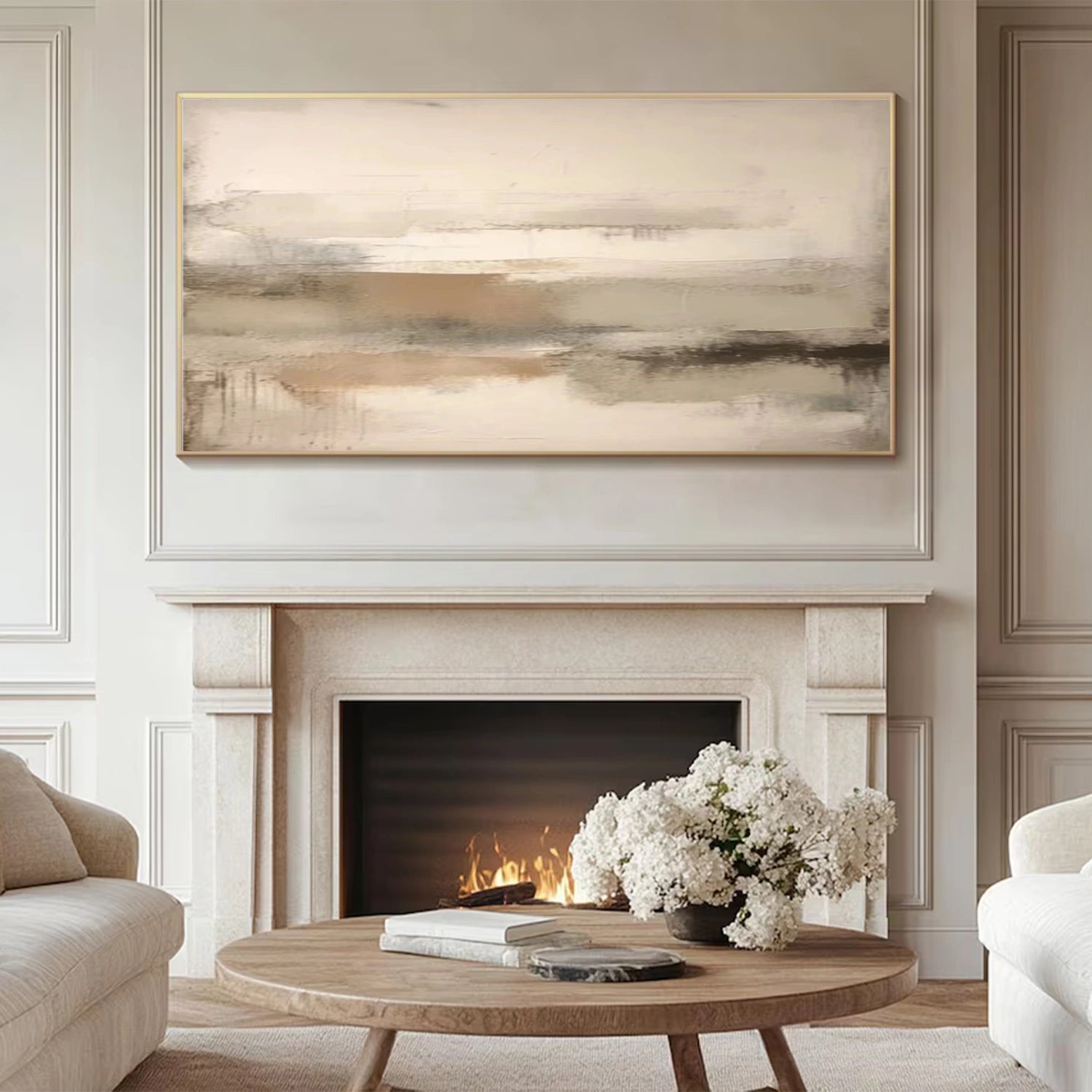
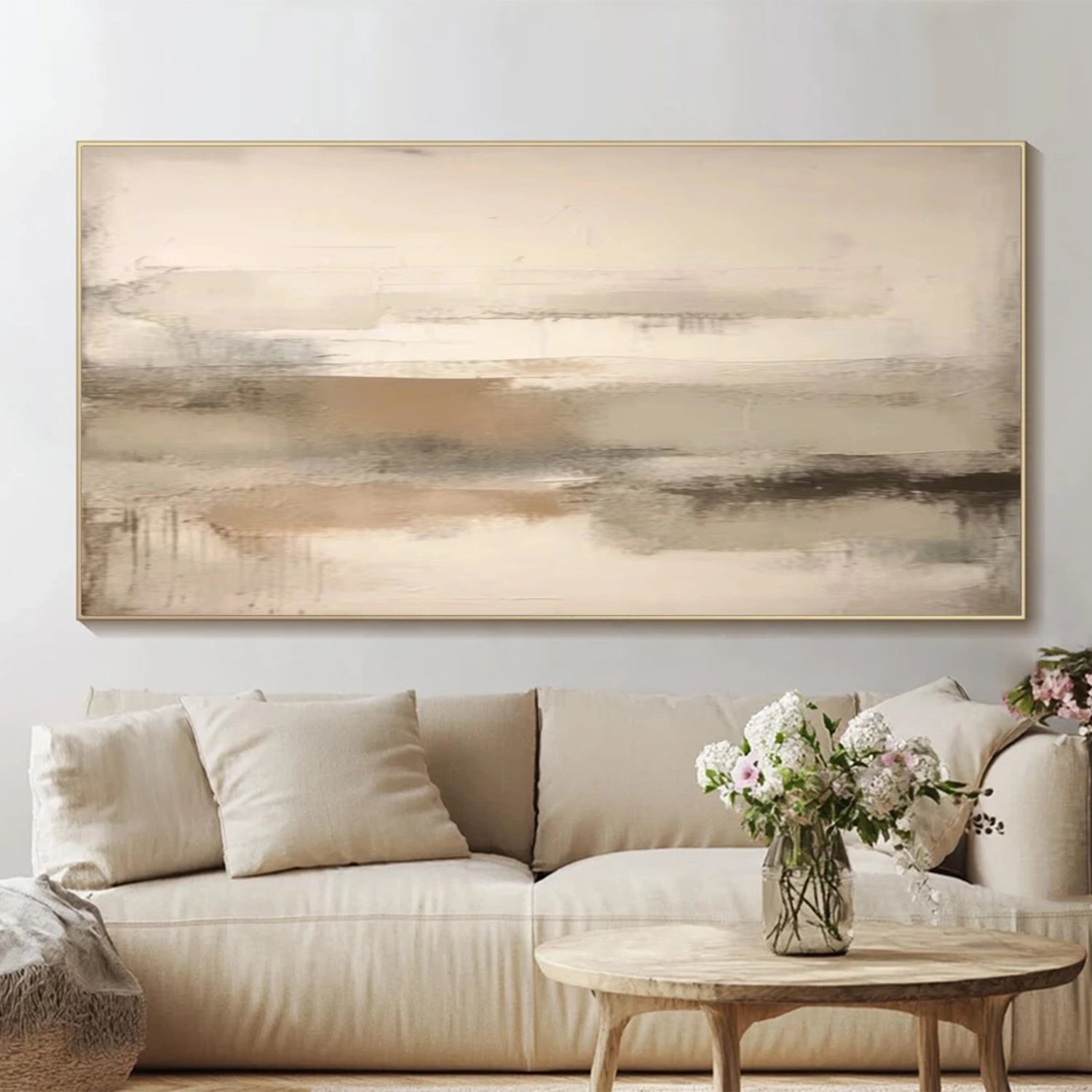
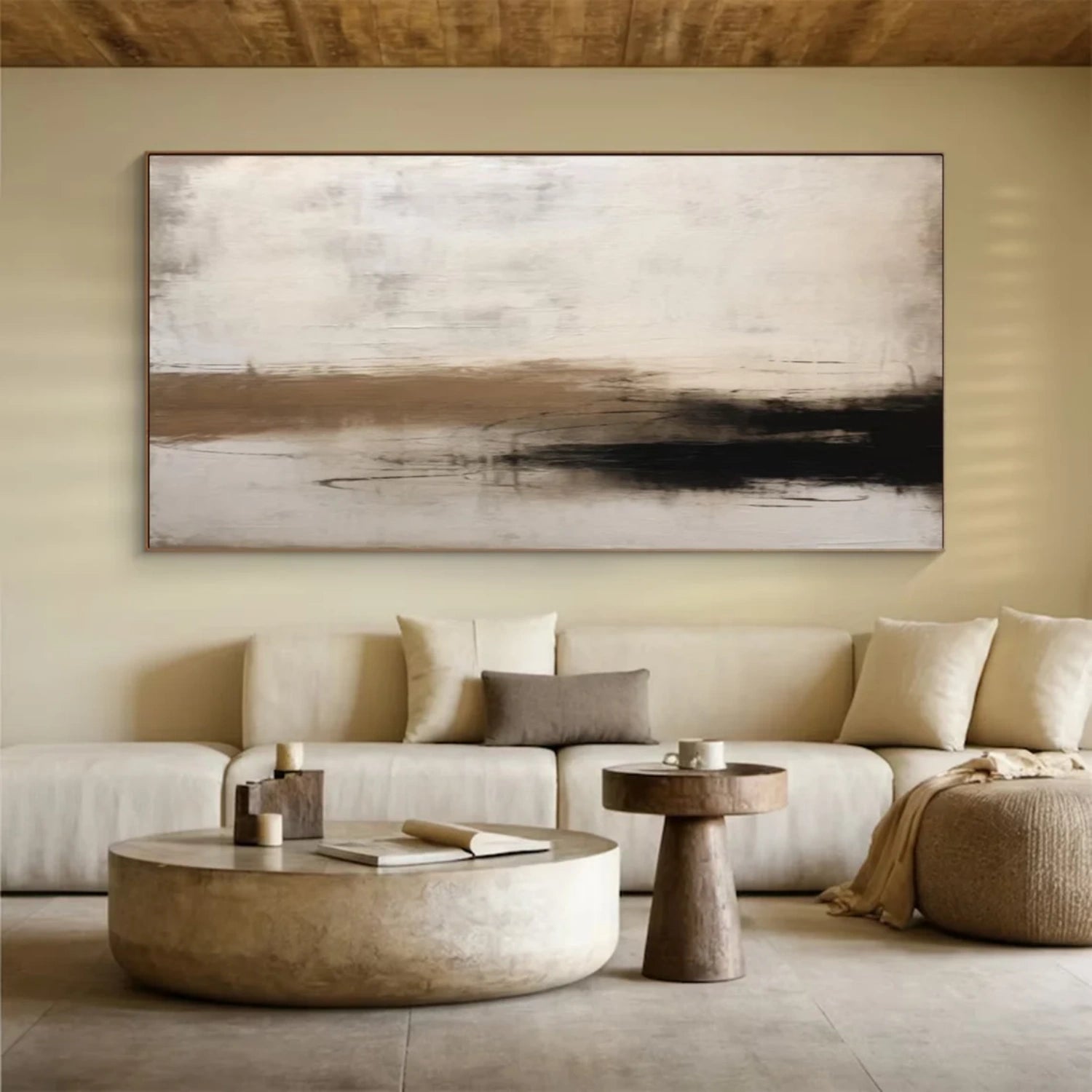
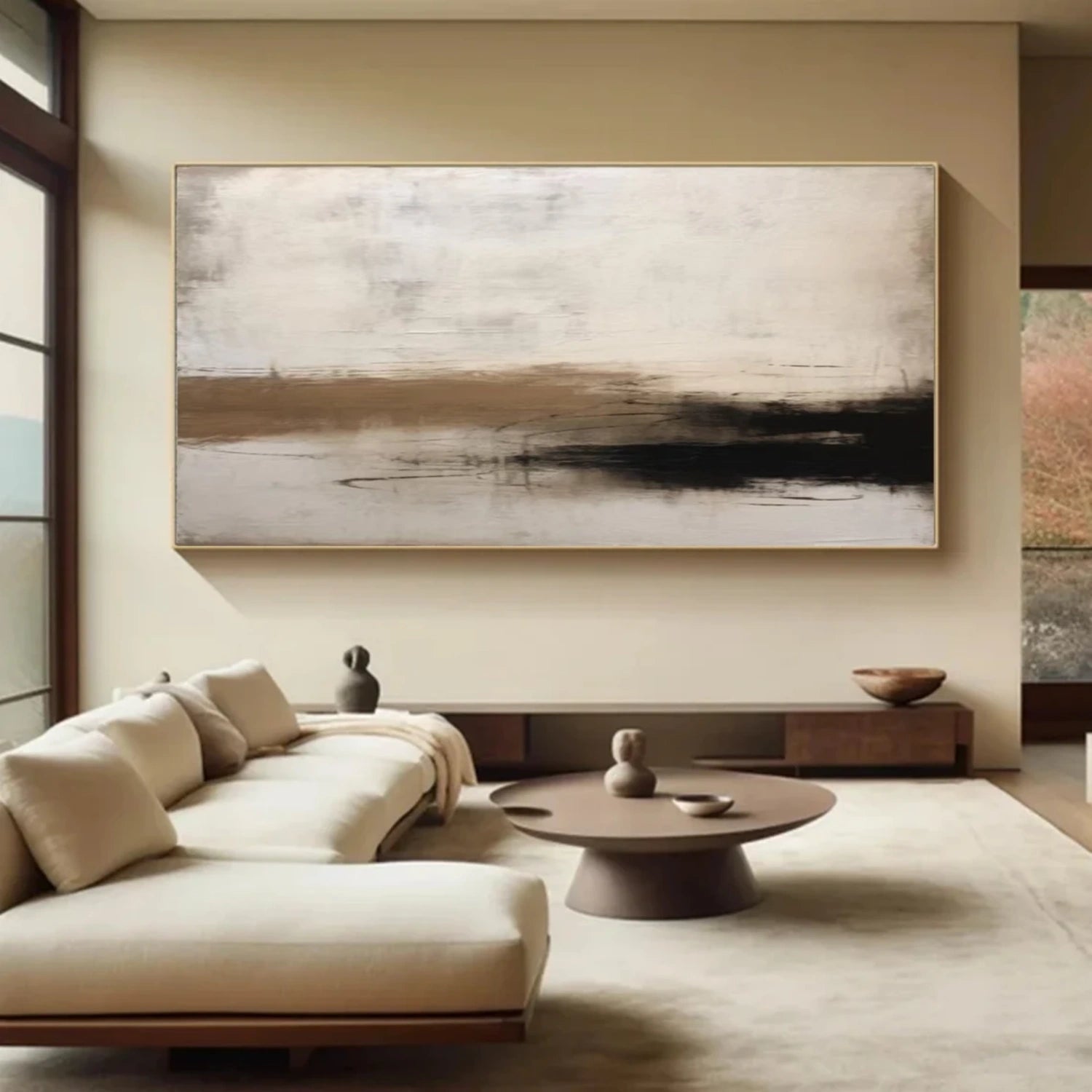
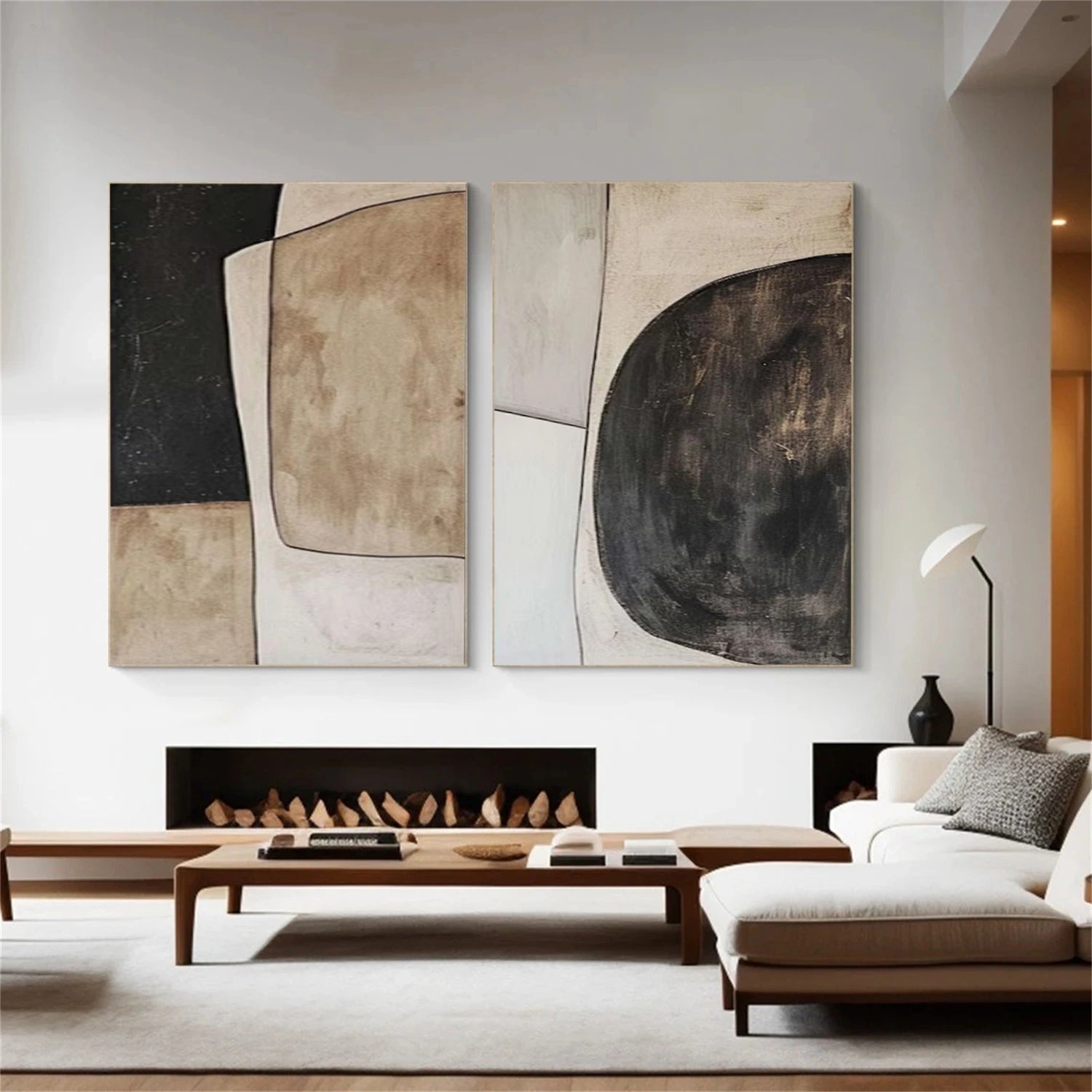
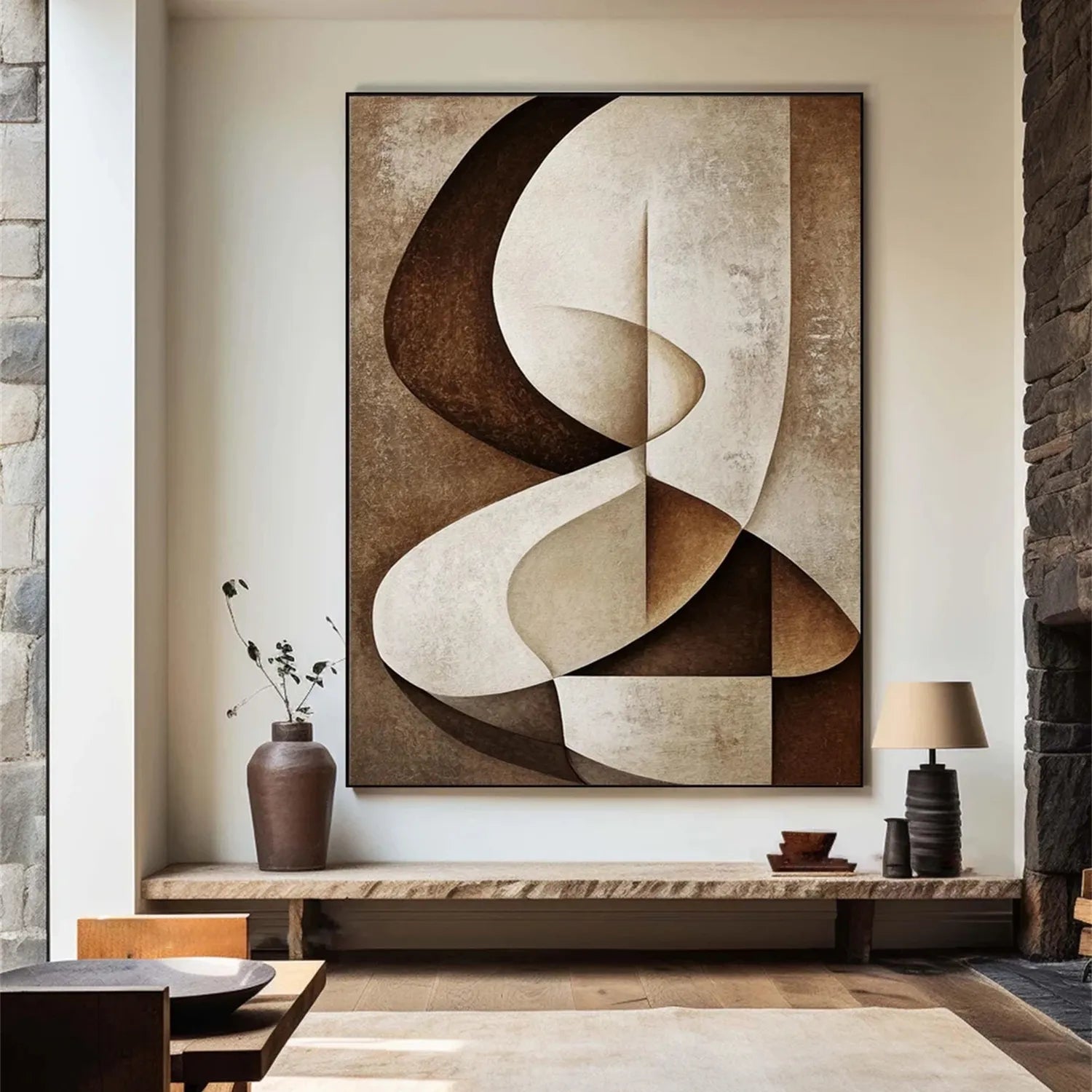
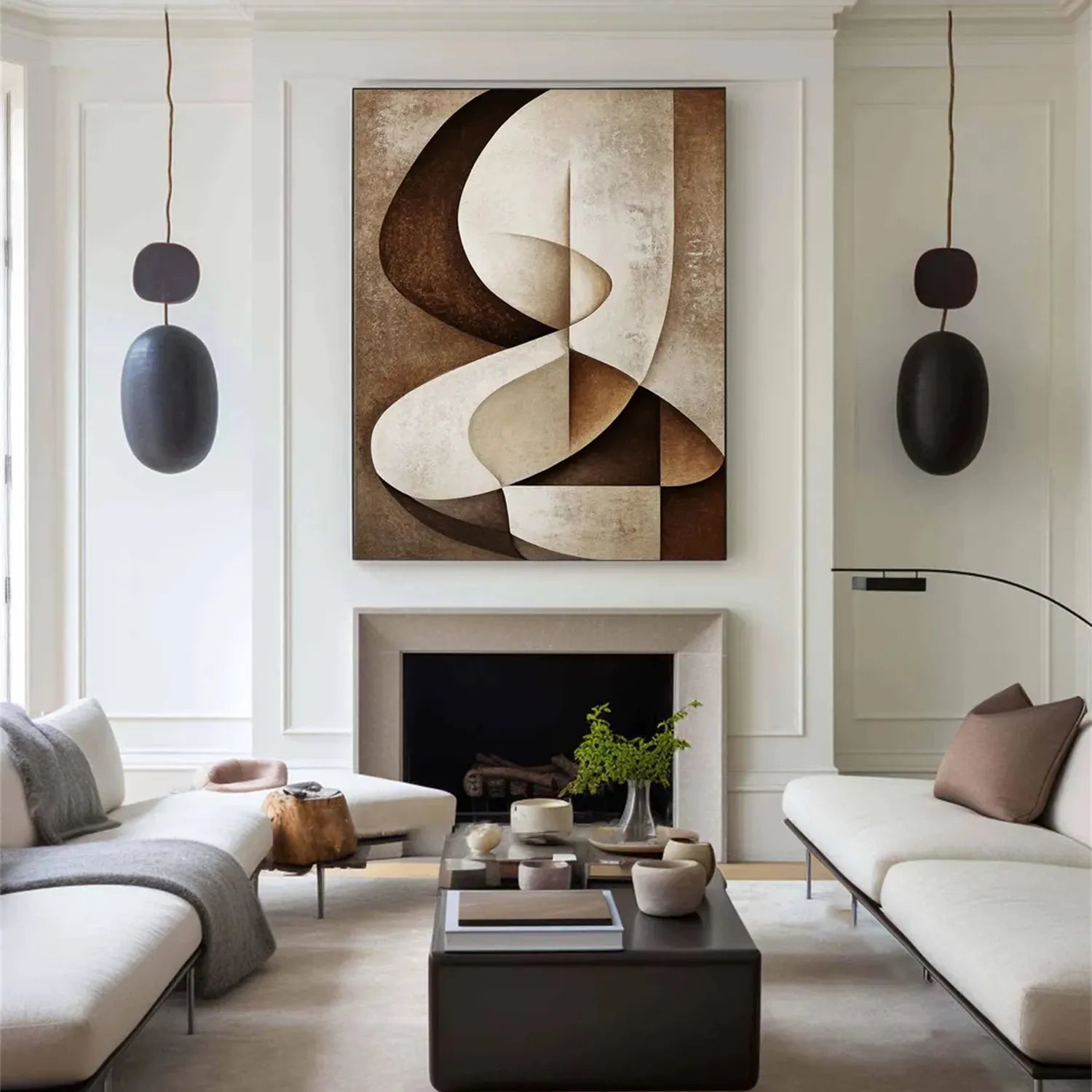
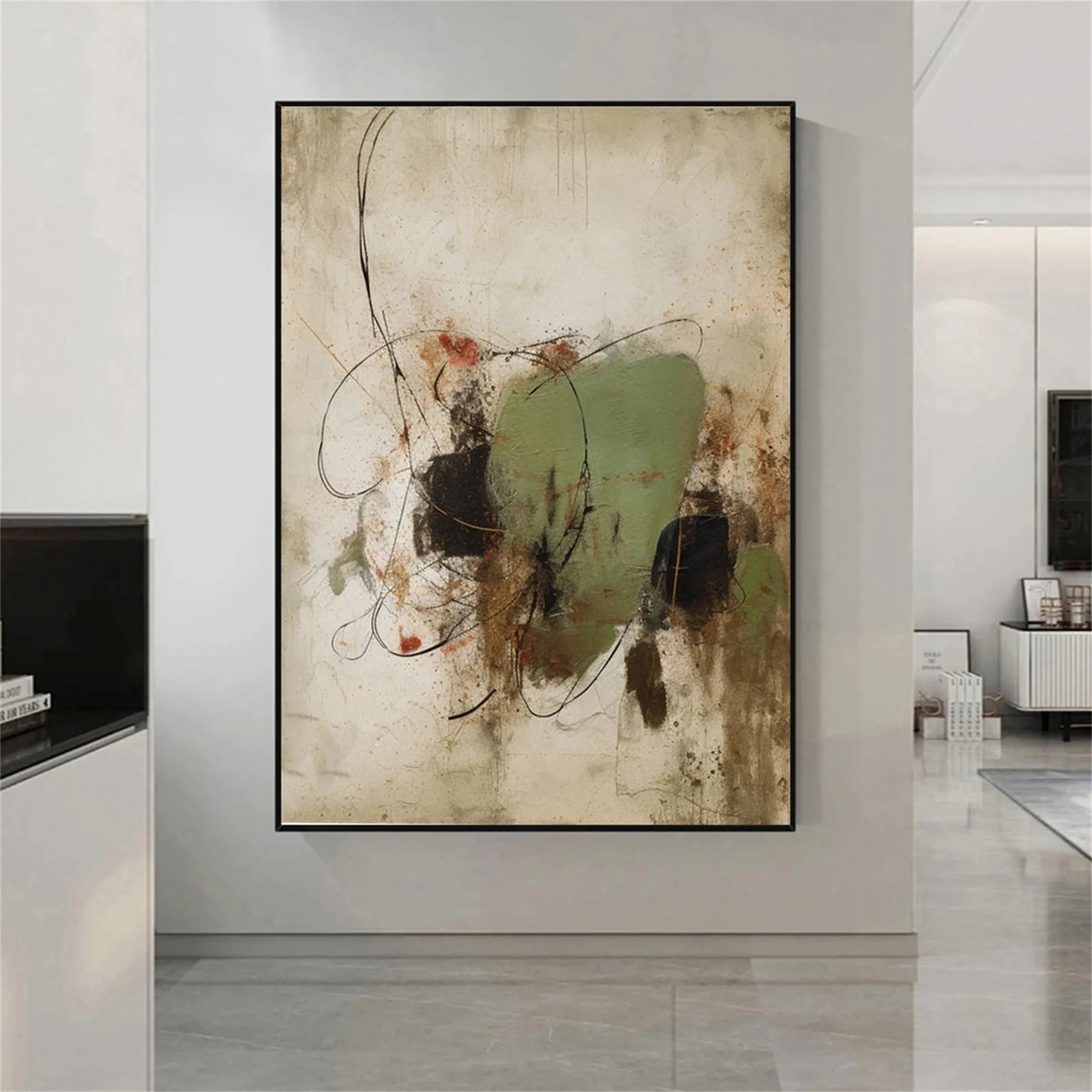
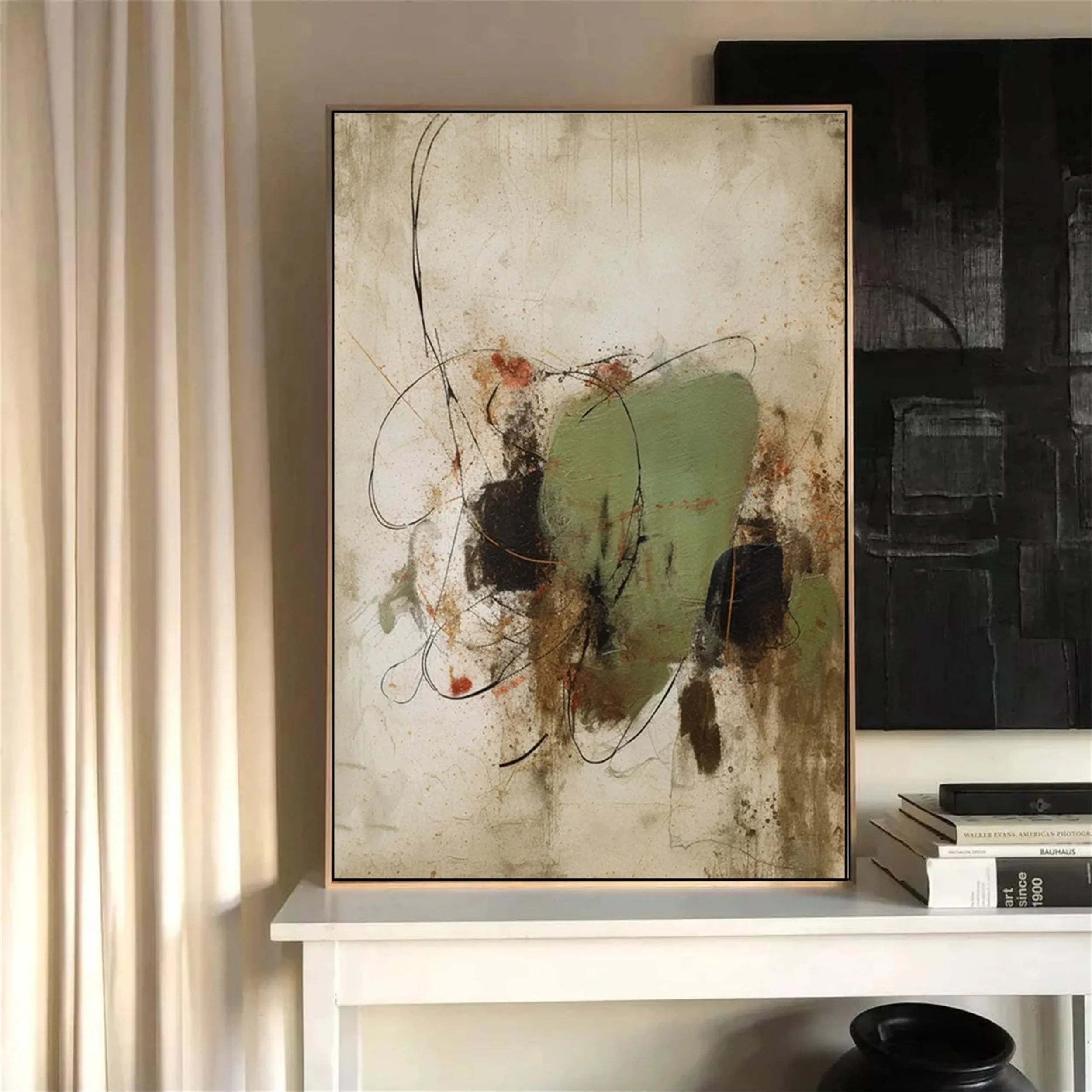
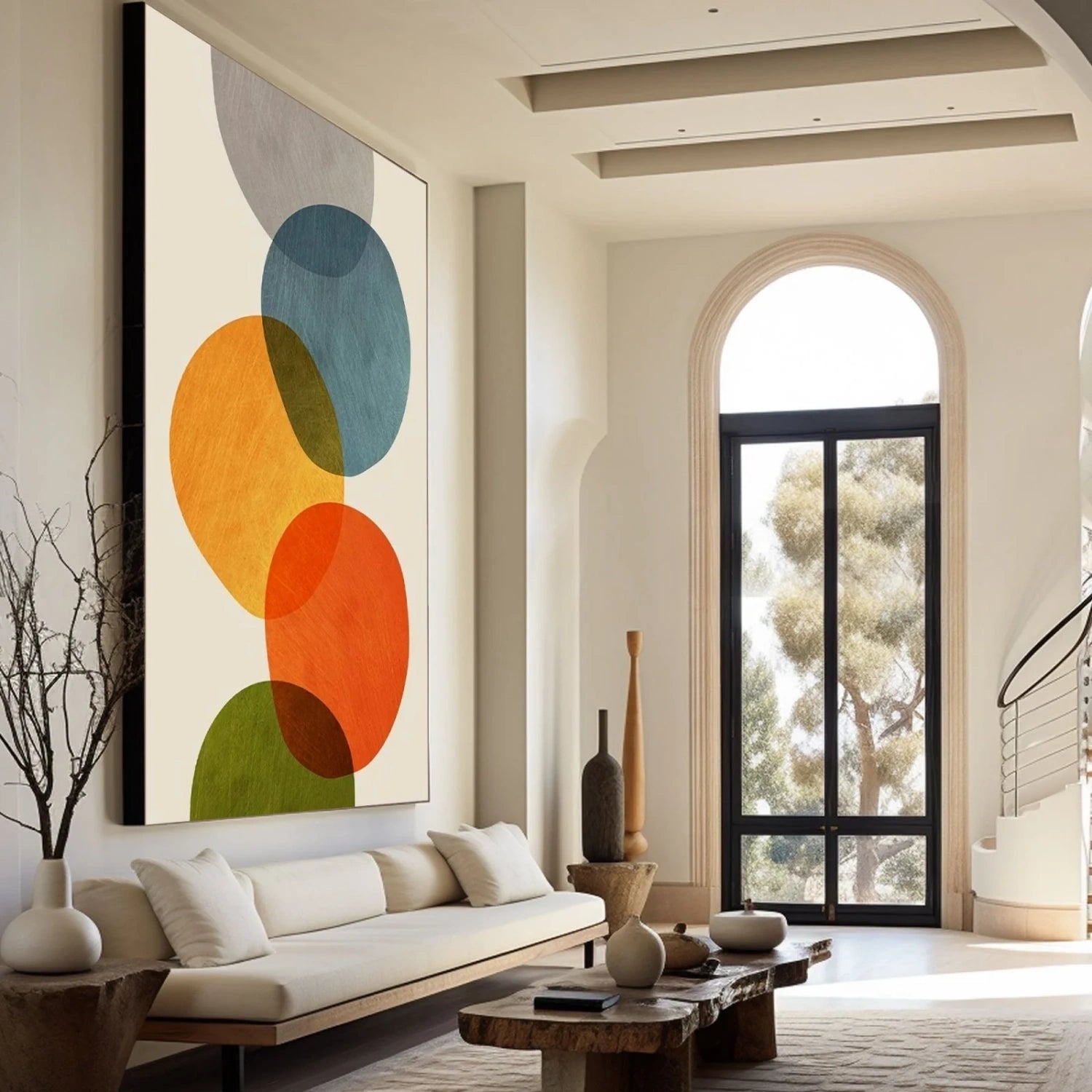
Modern abstract painters reinterpret wabi-sabi by combining organic imperfection with expressive abstraction. This philosophy informs composition, texture, and tonal choices, allowing artists to celebrate the natural flow of creation.

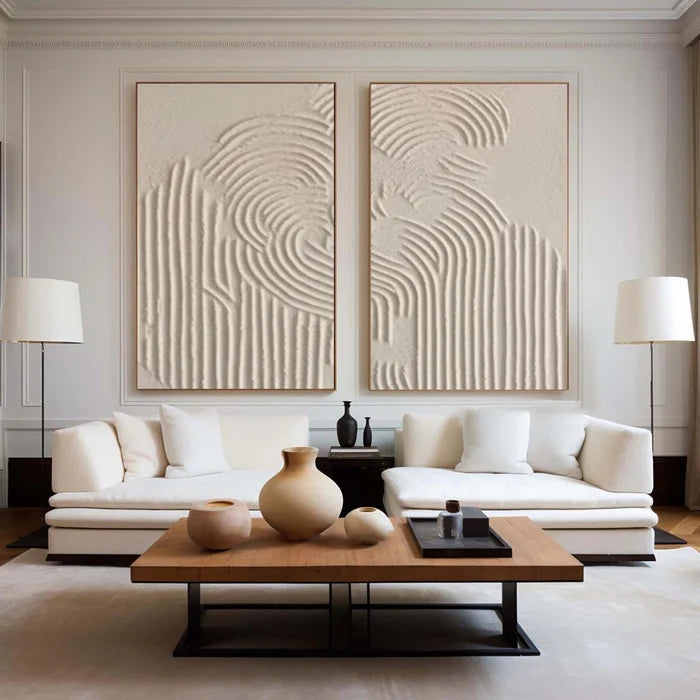
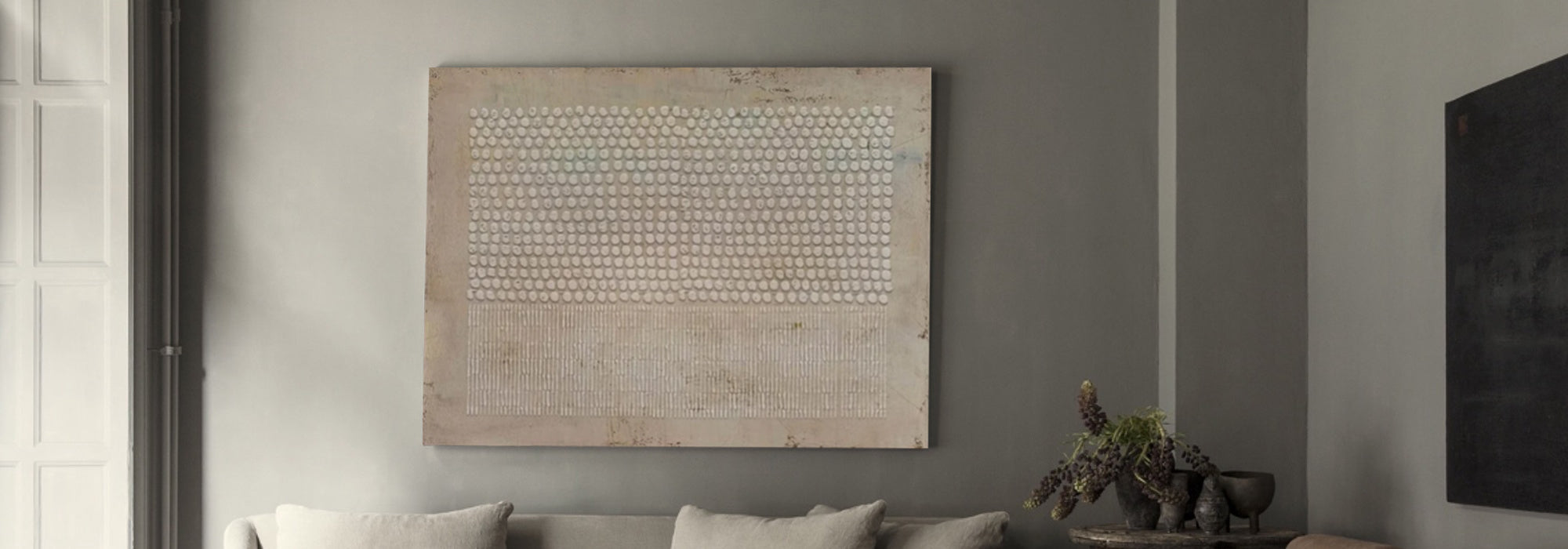
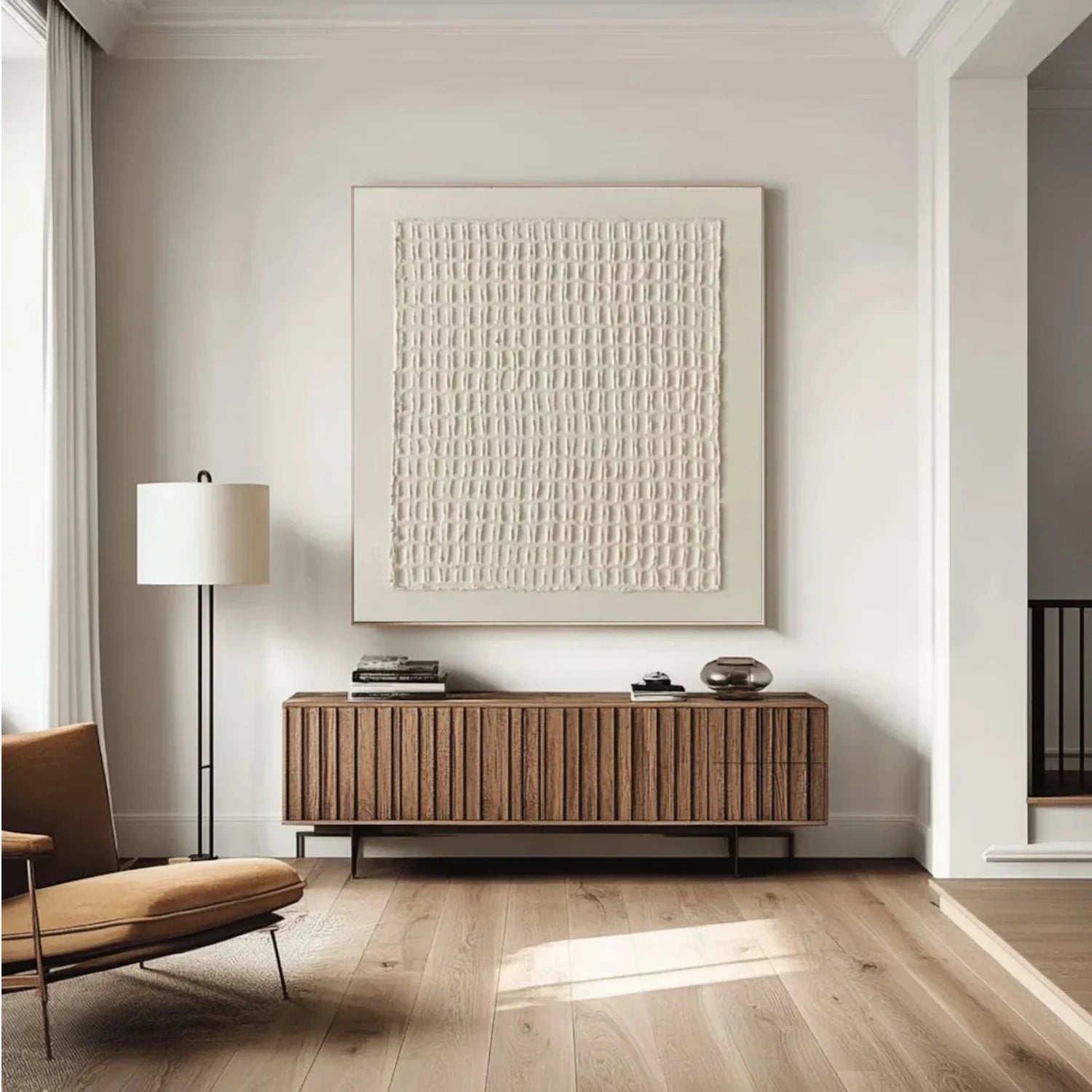
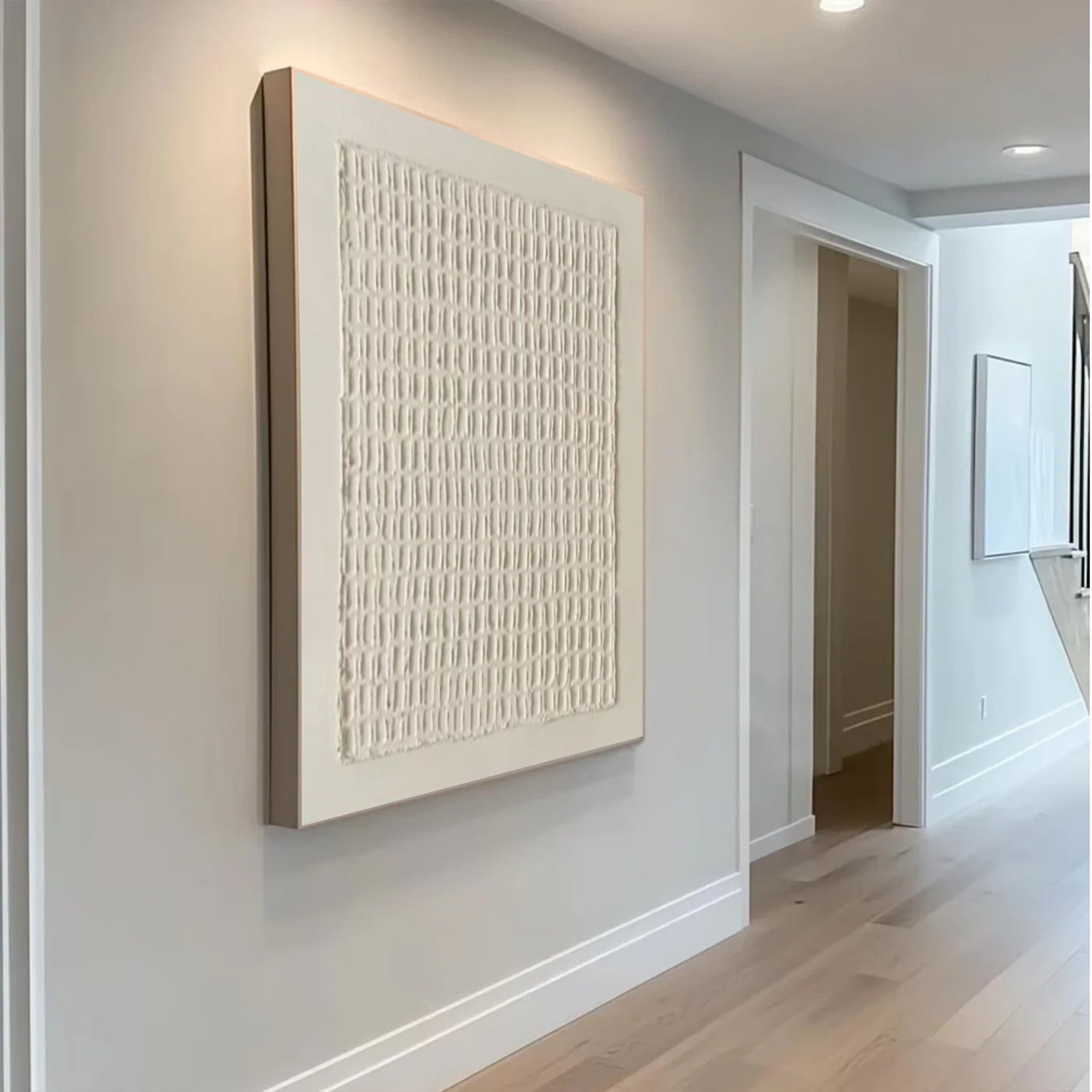
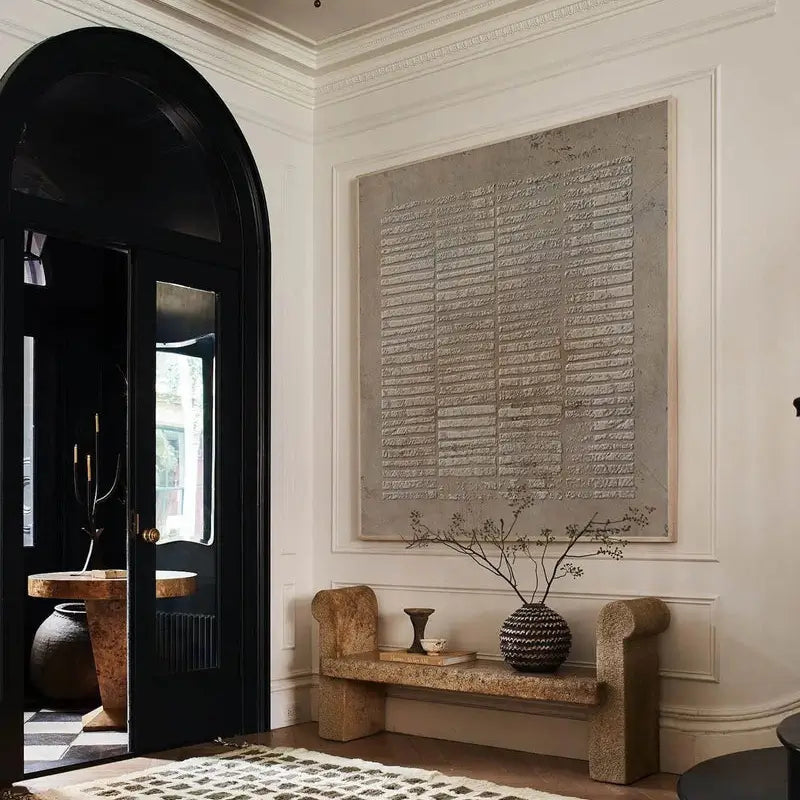
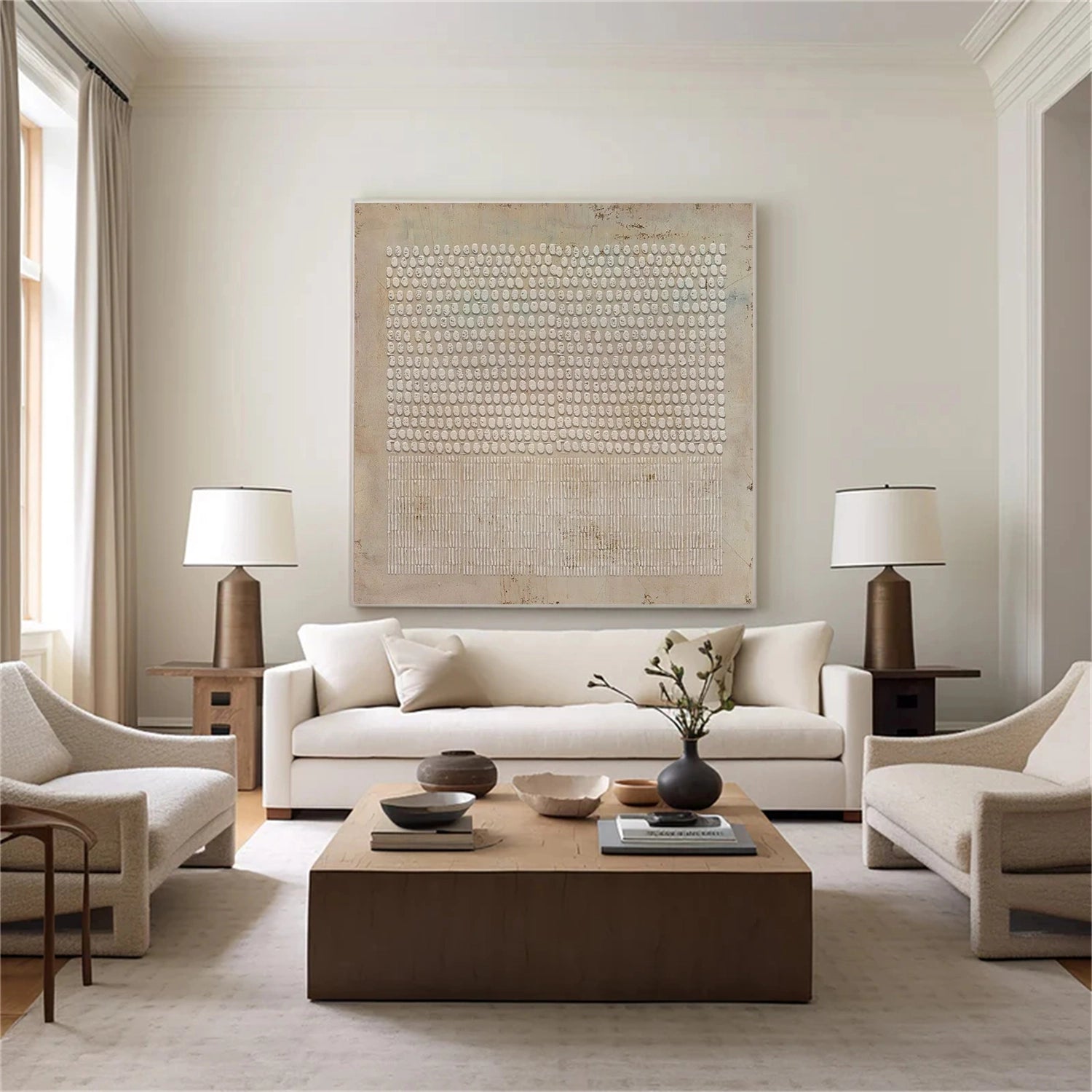
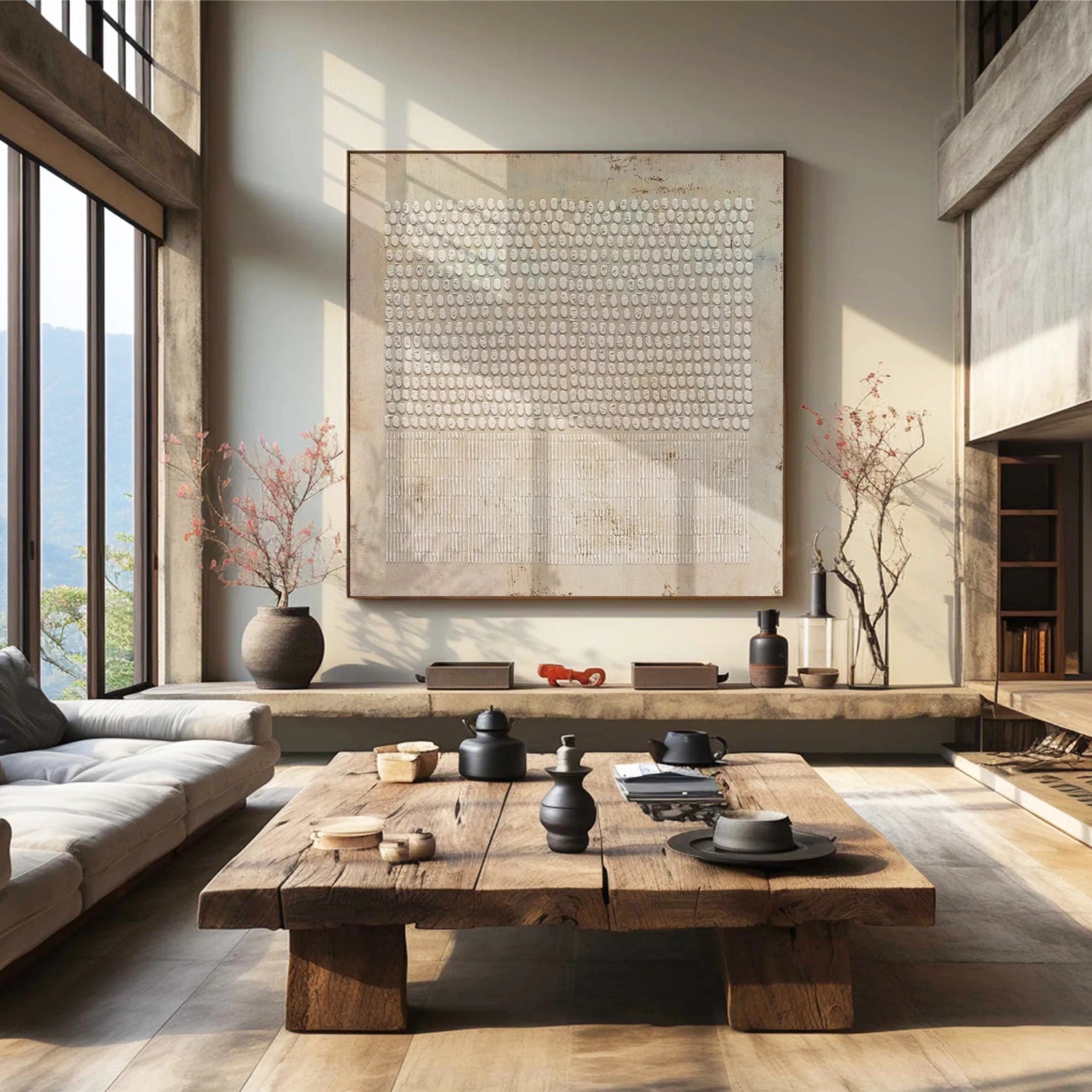
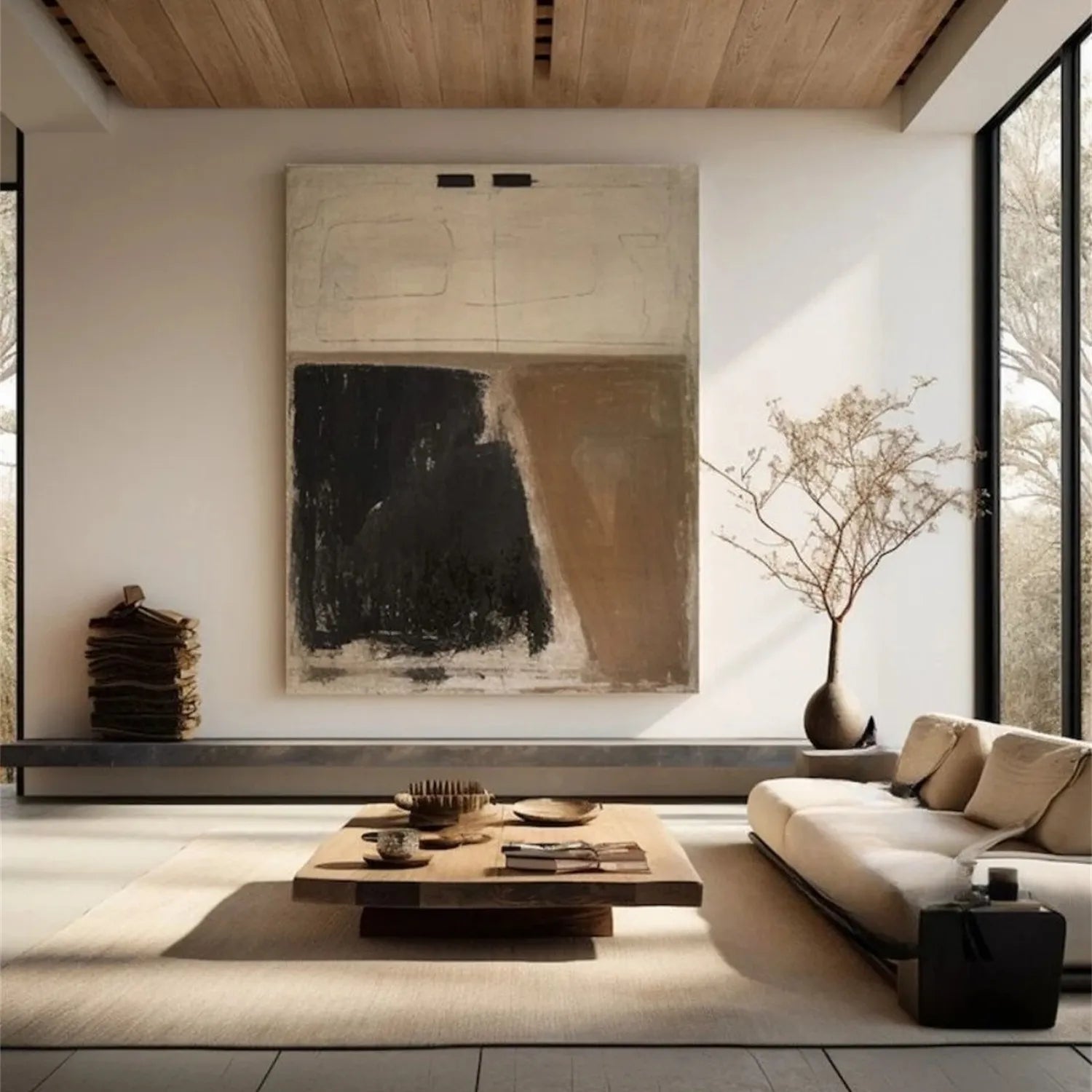
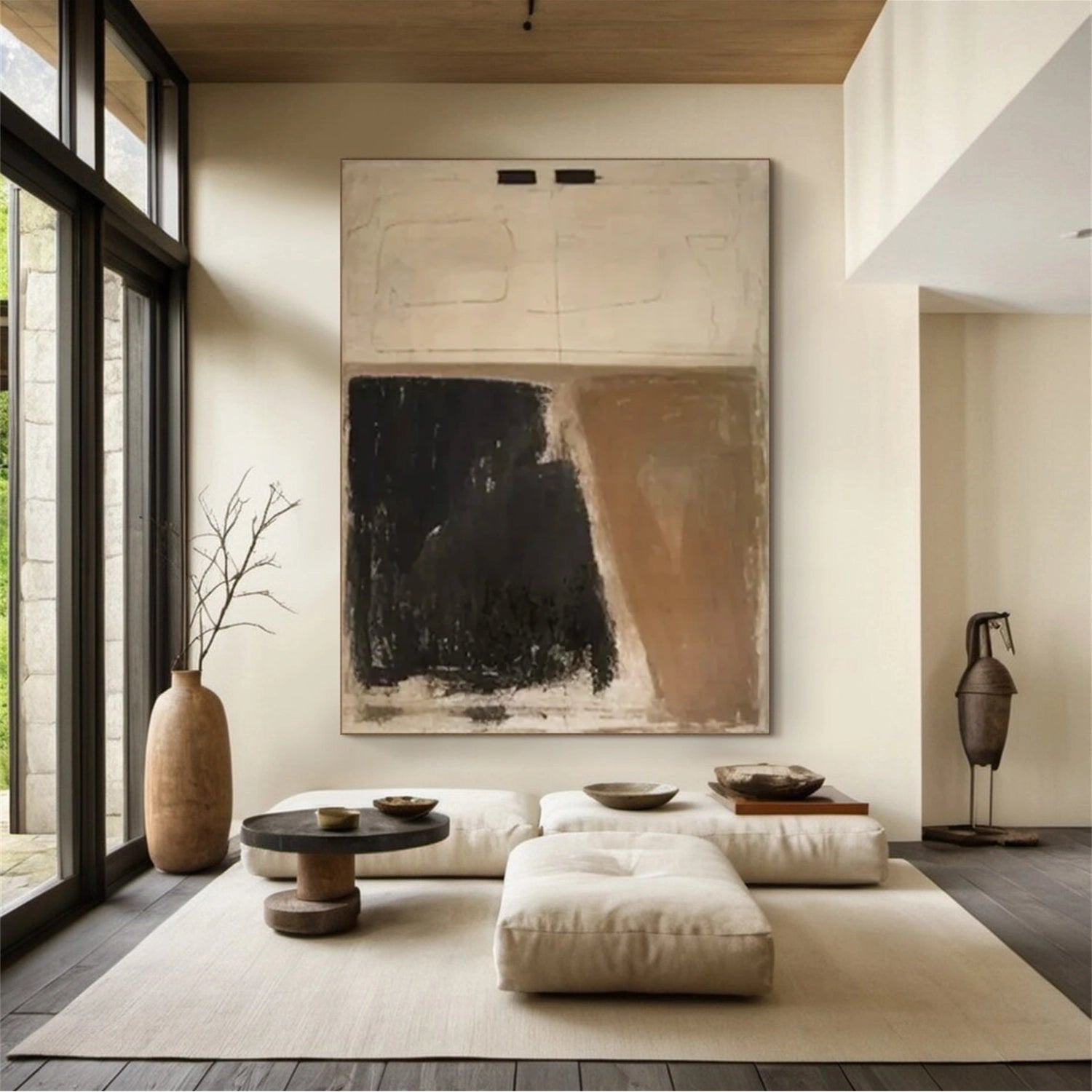
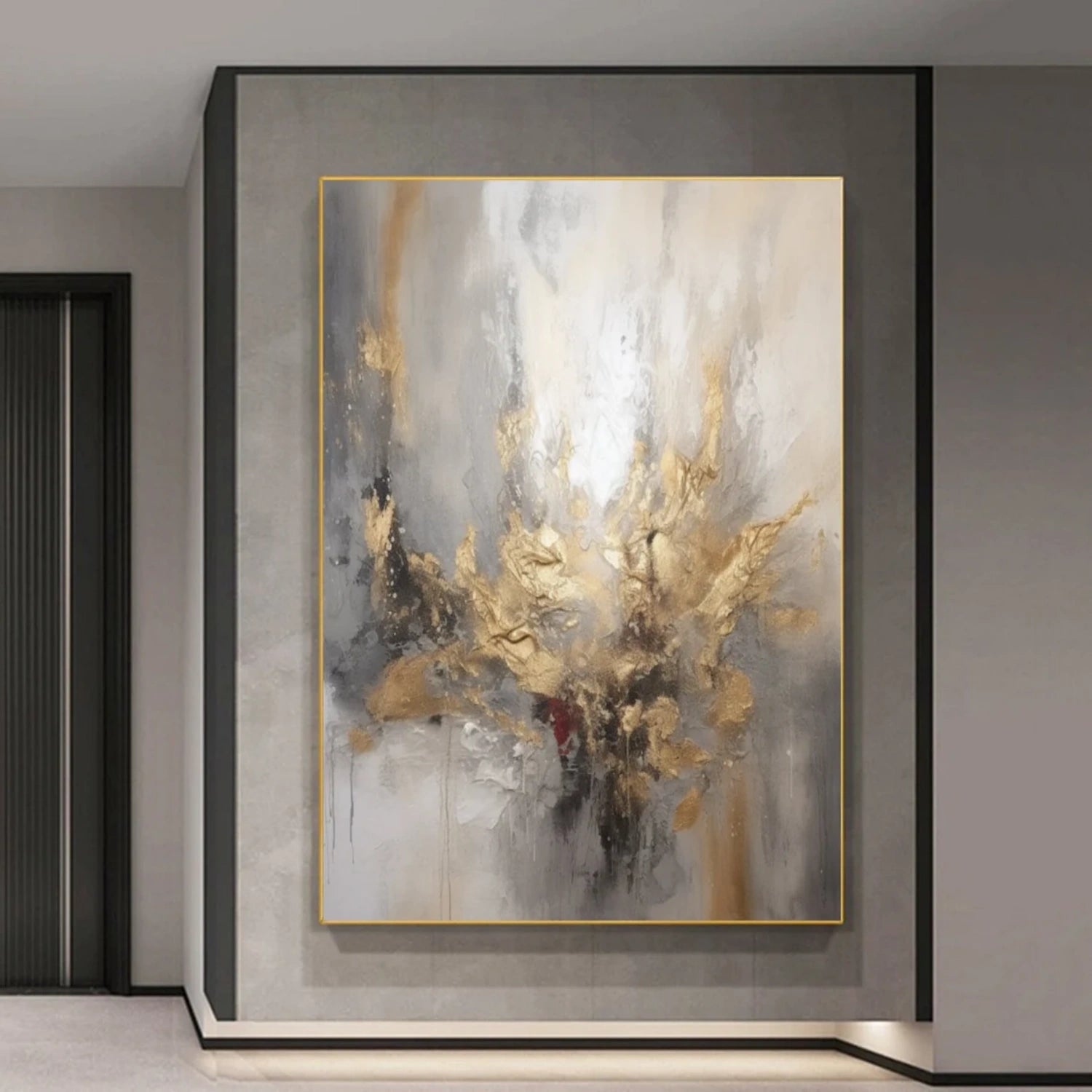
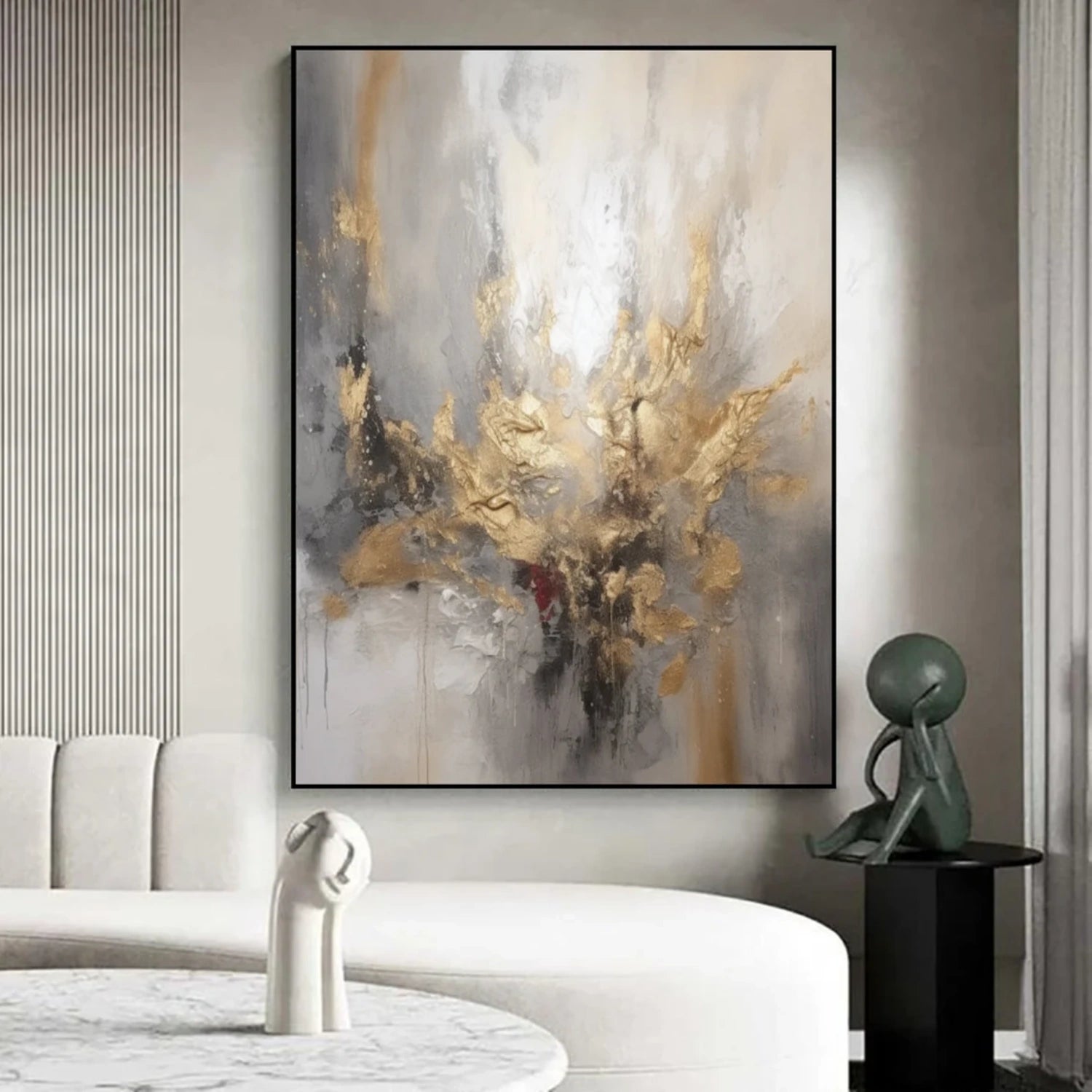
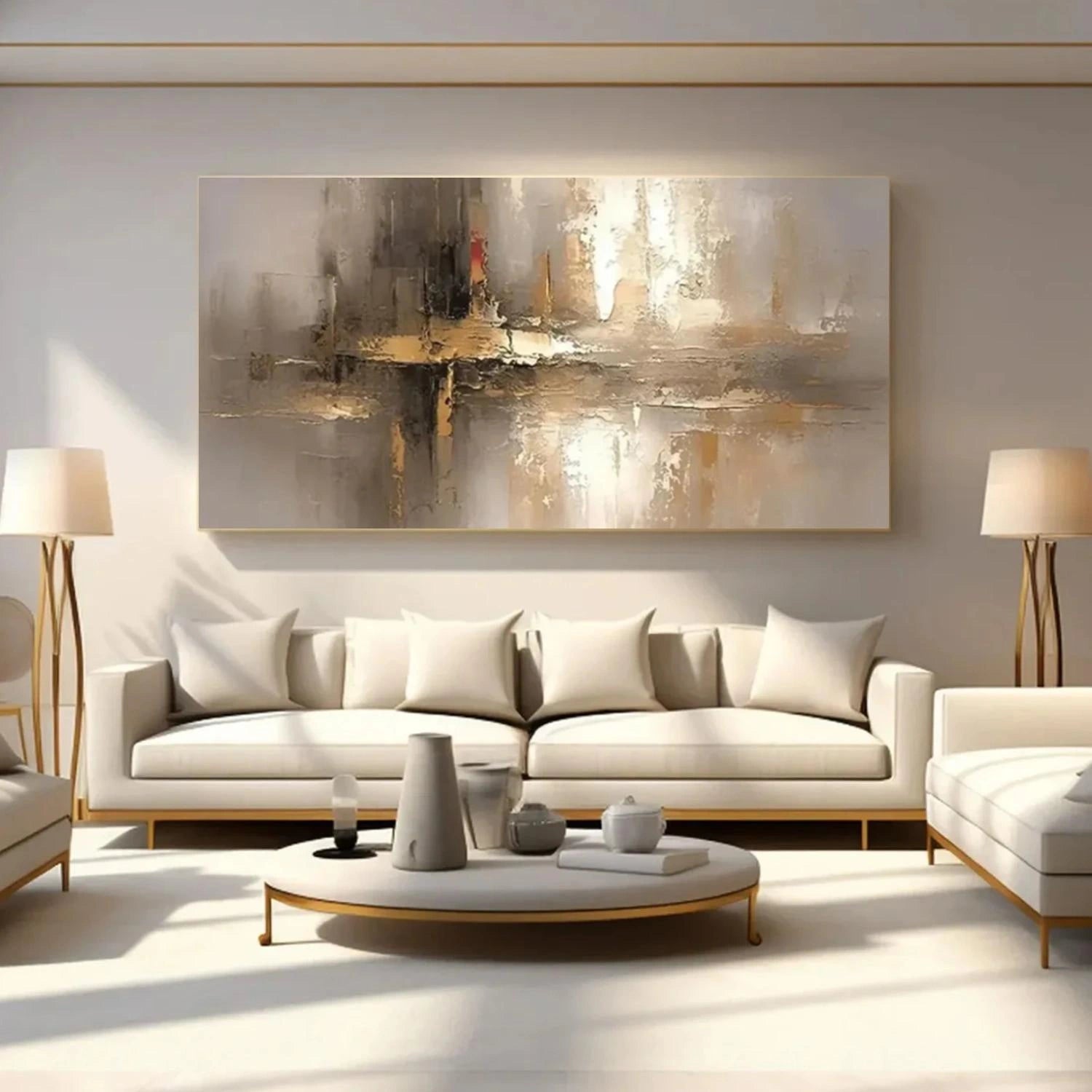
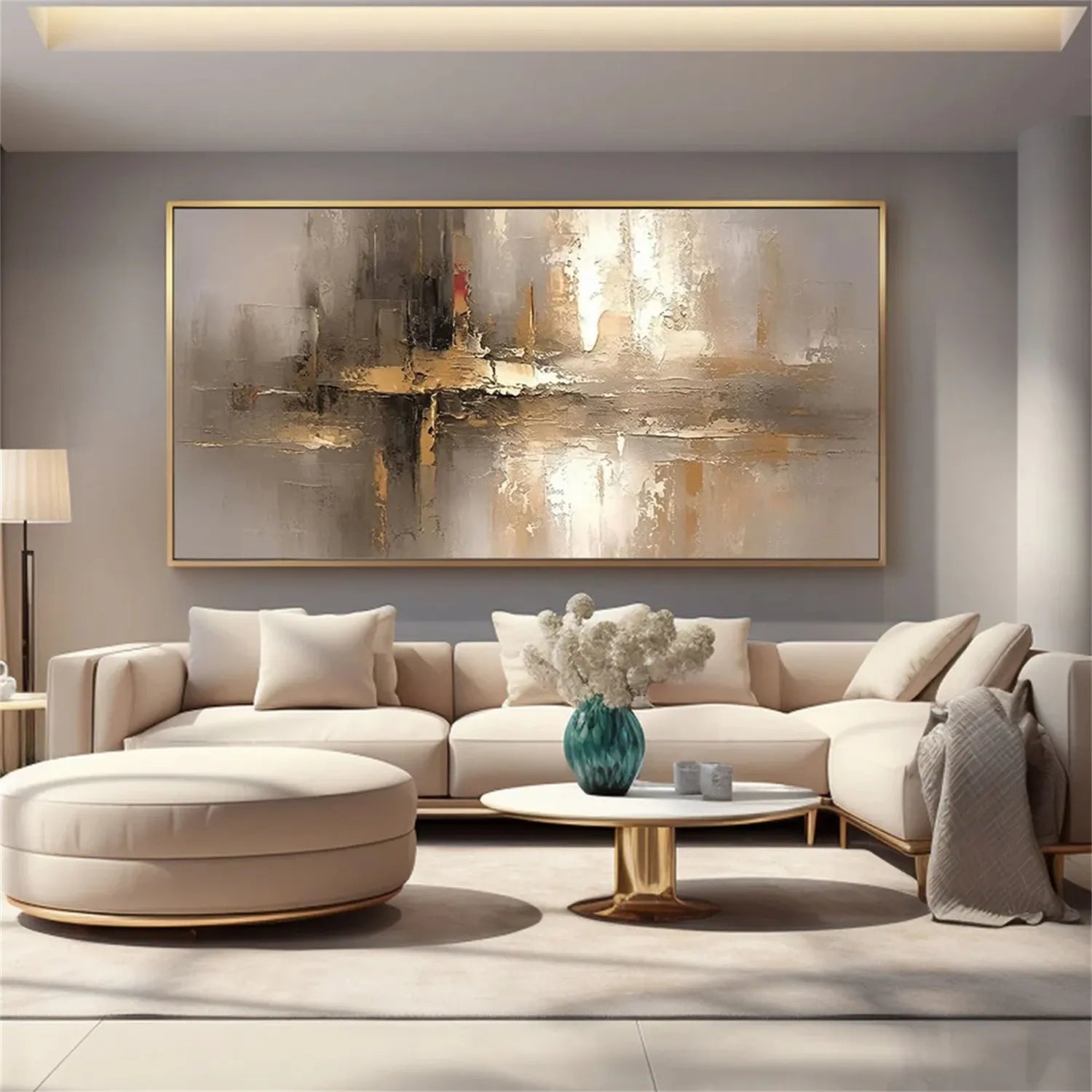
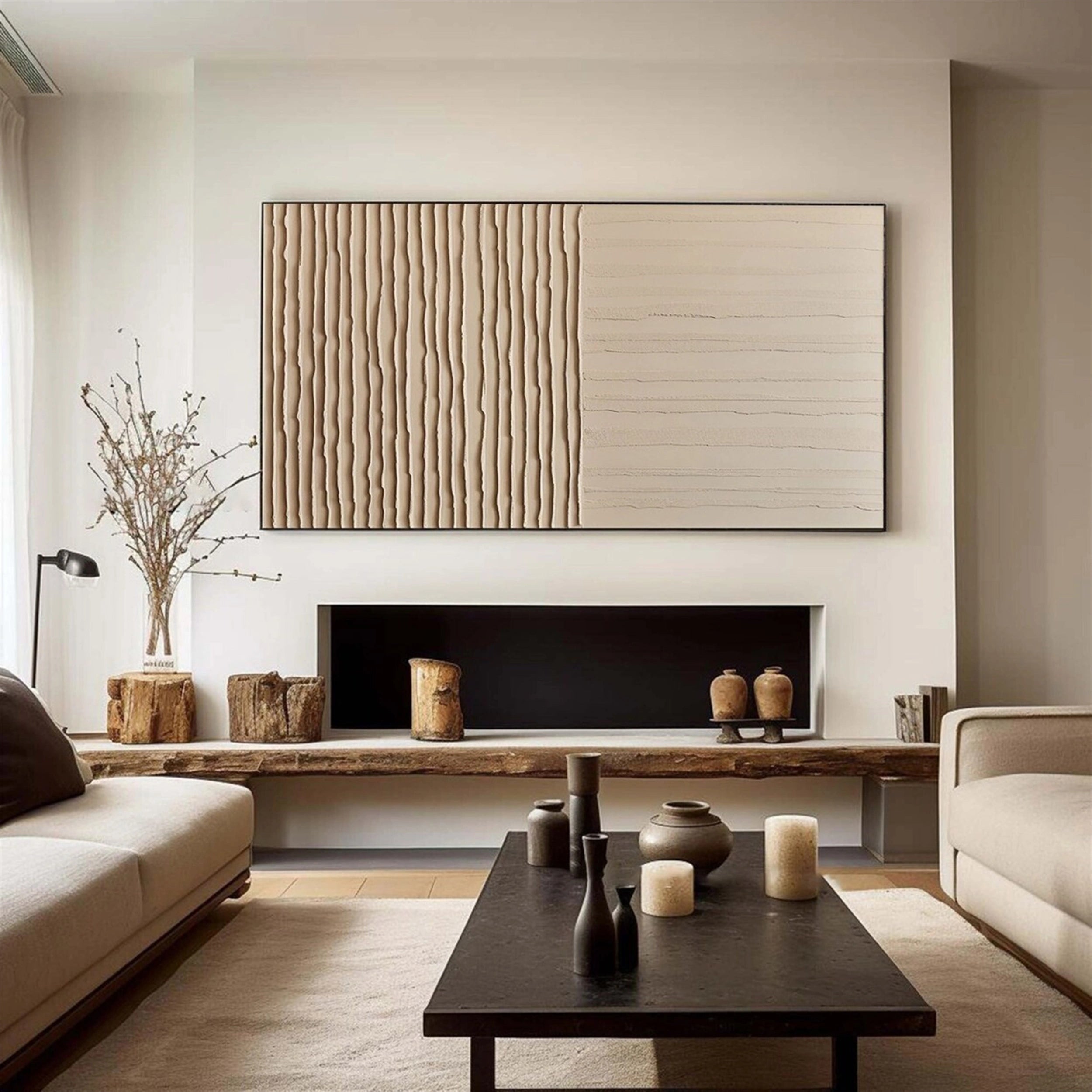
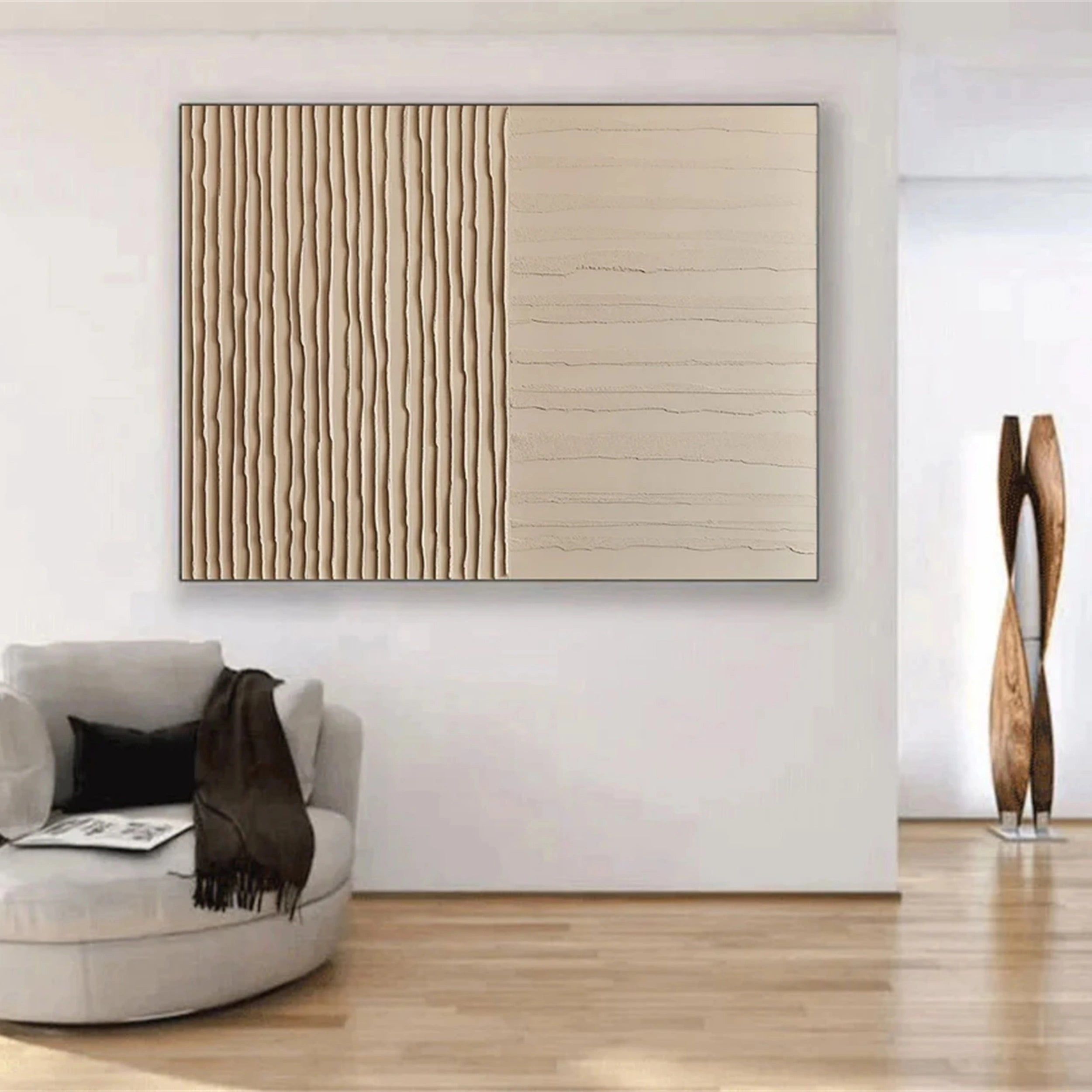
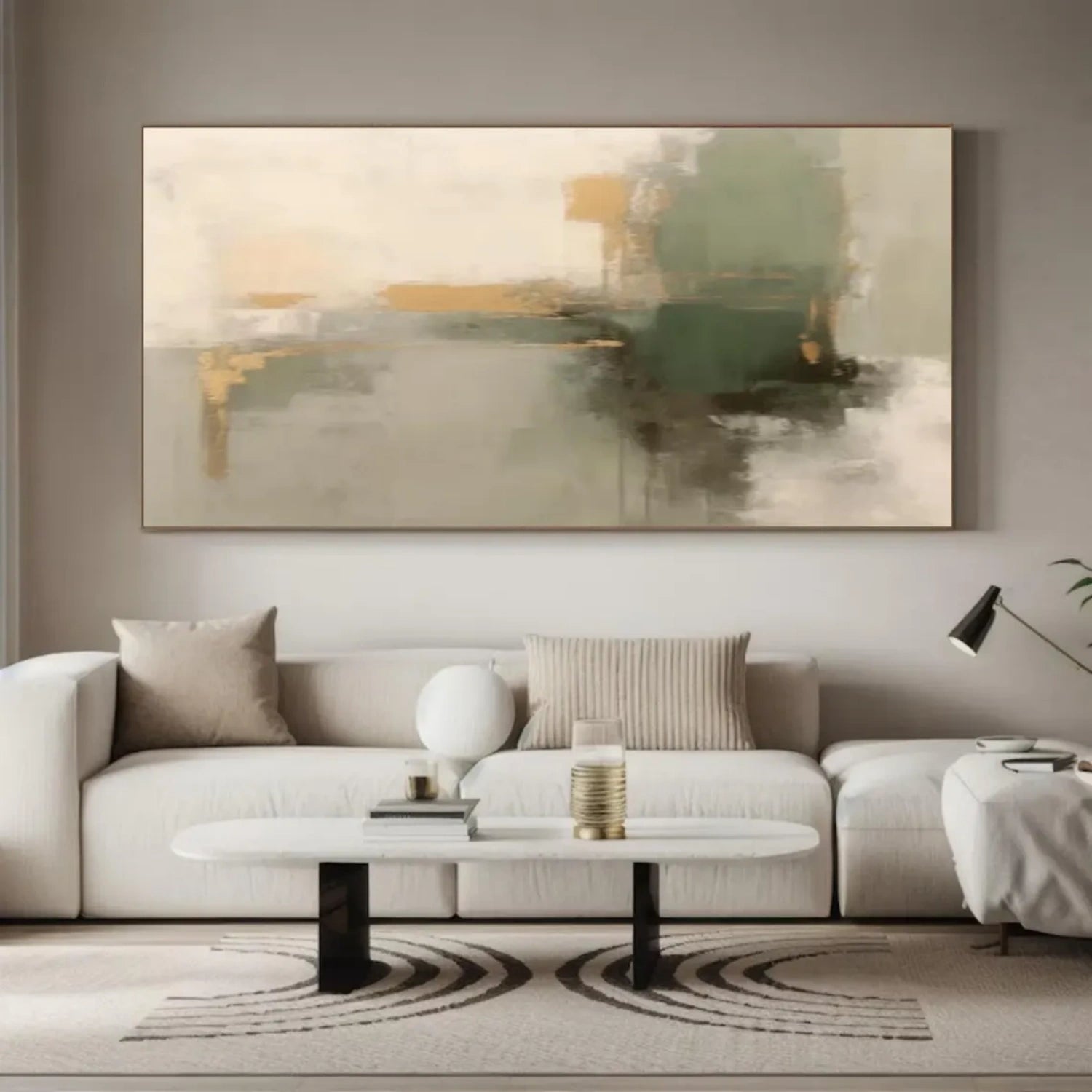
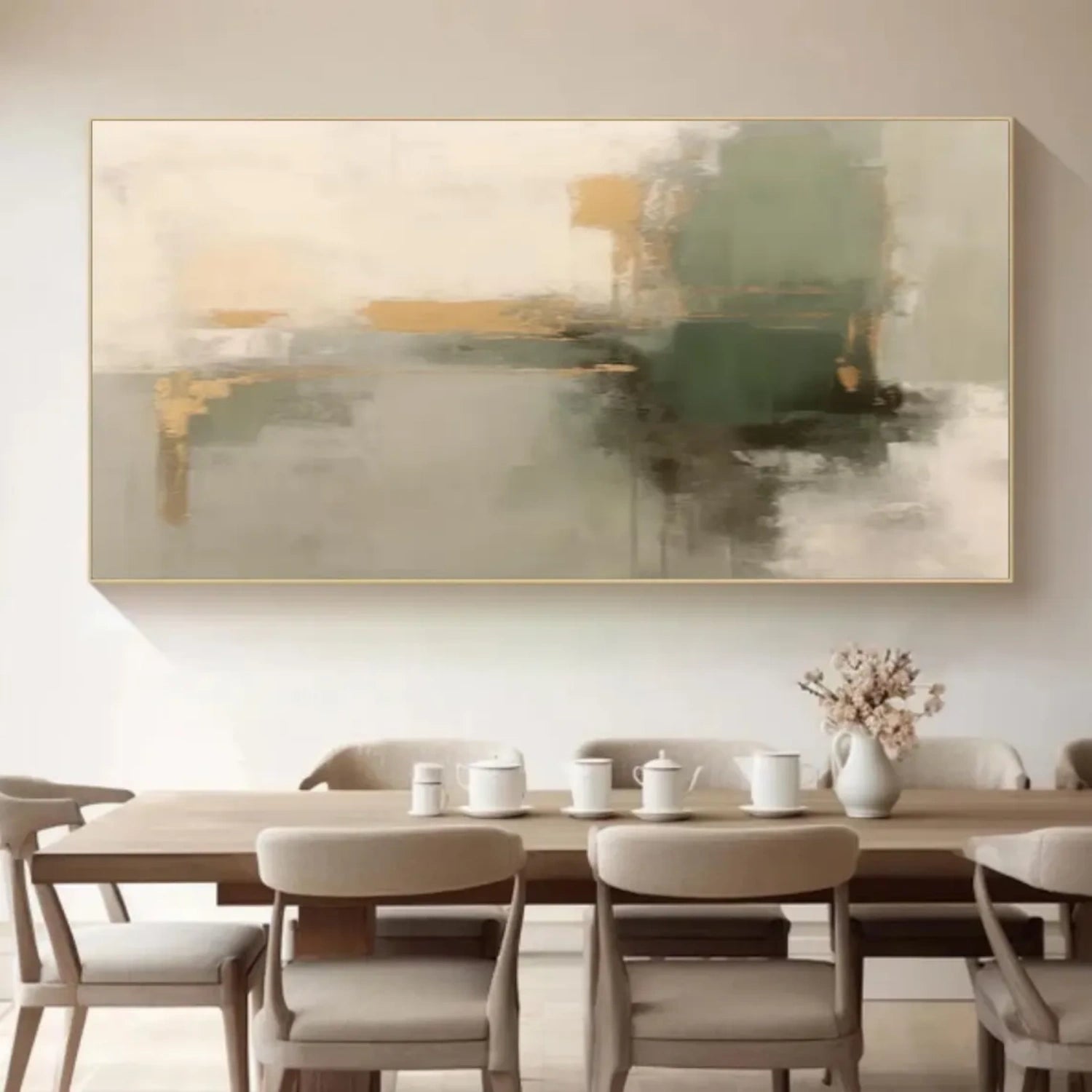
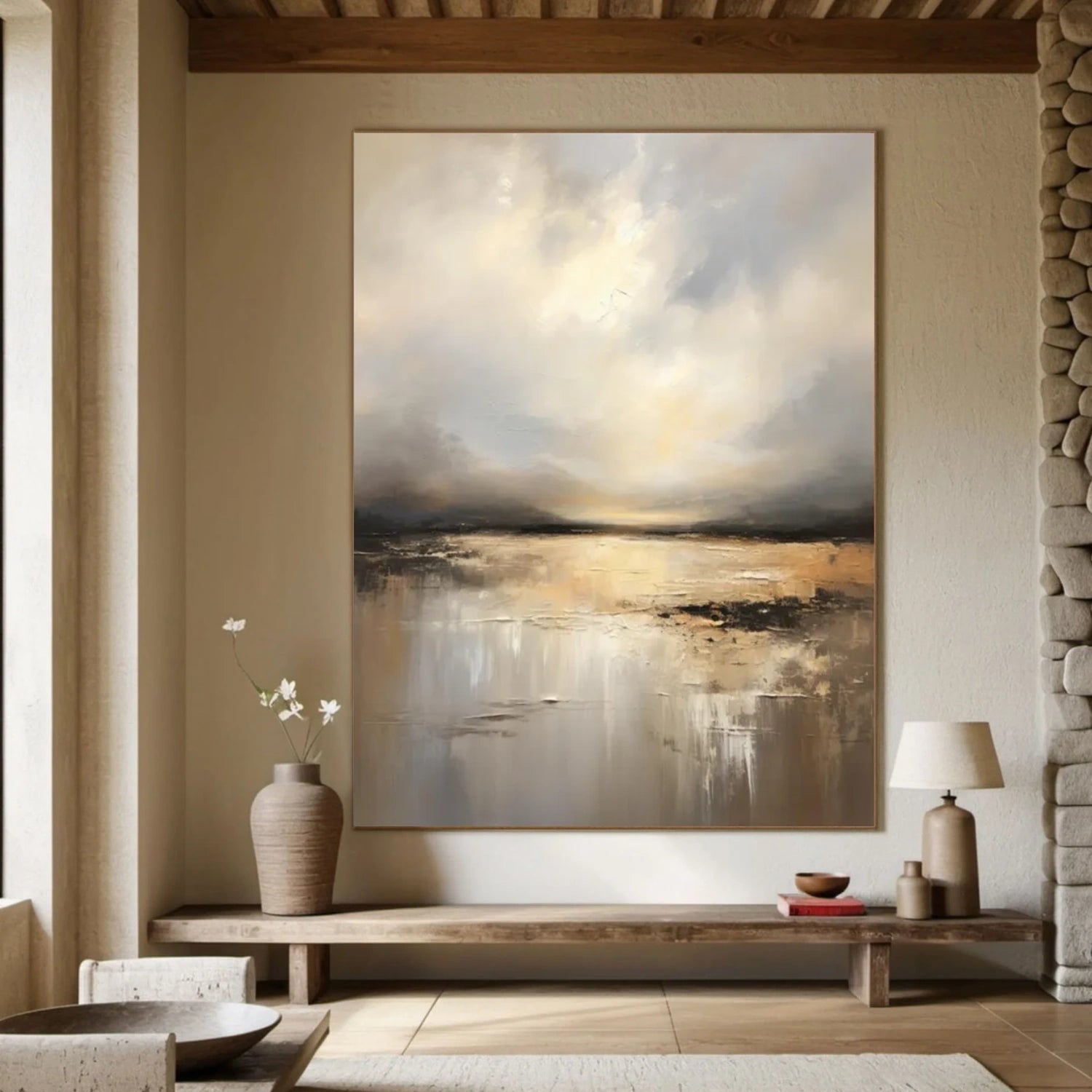
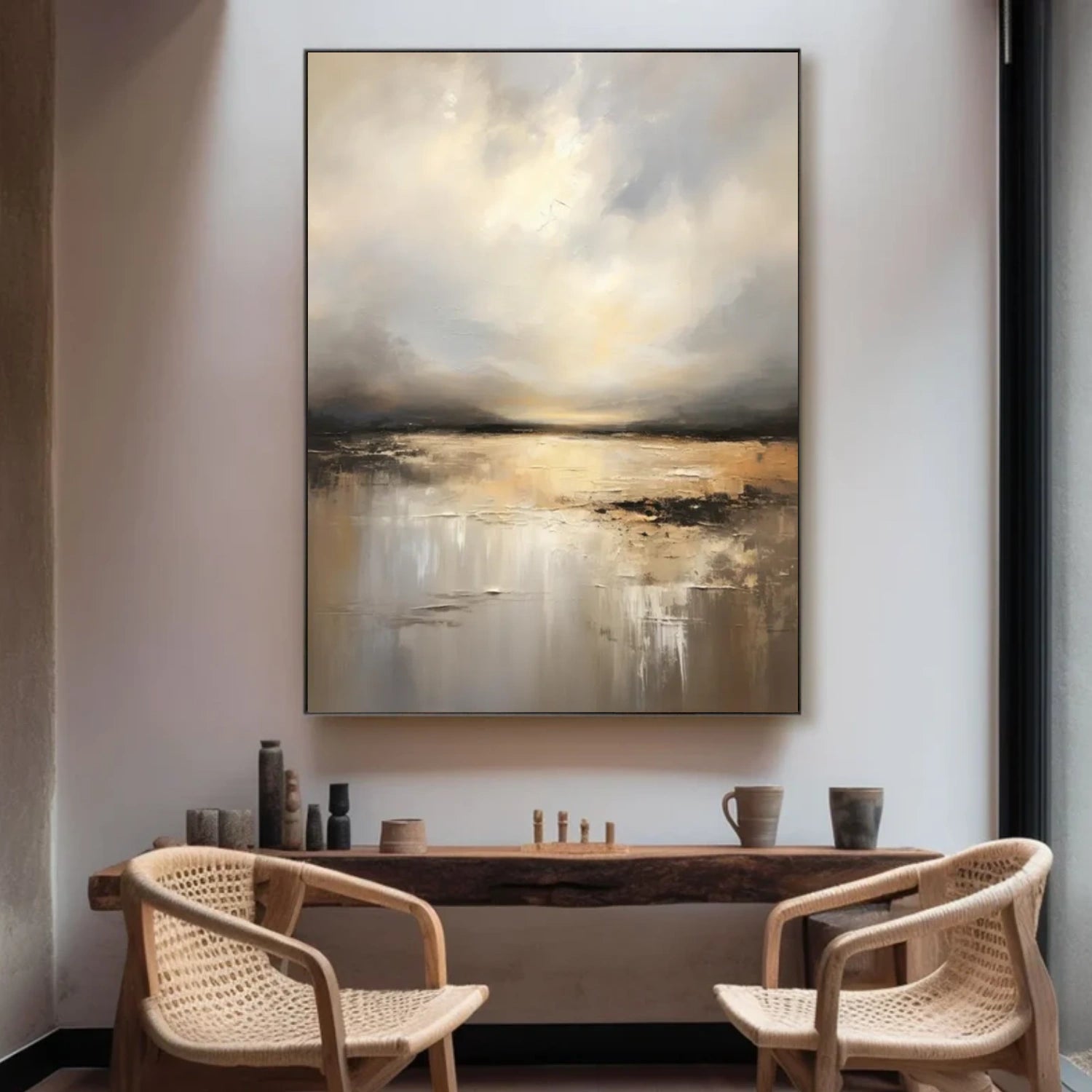
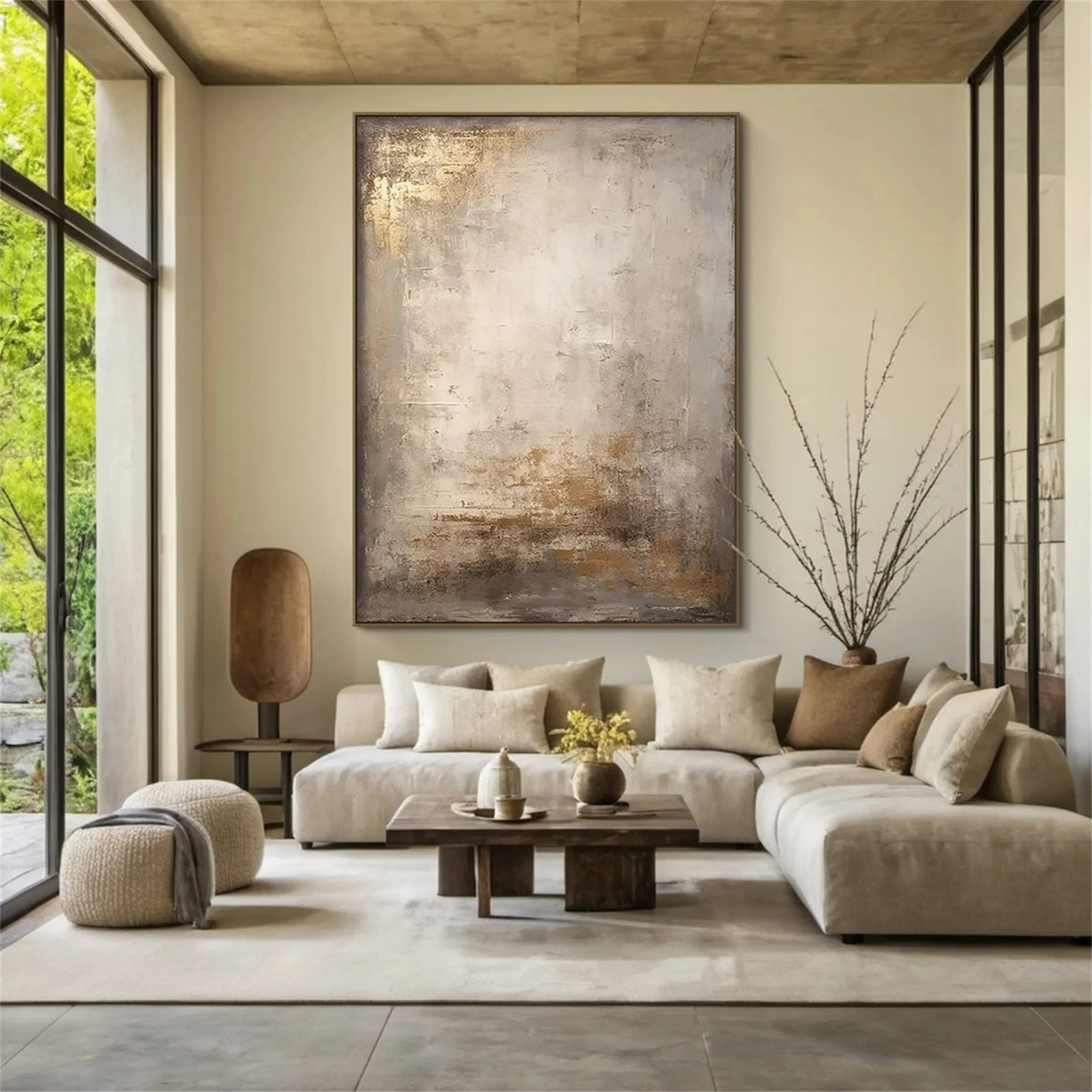
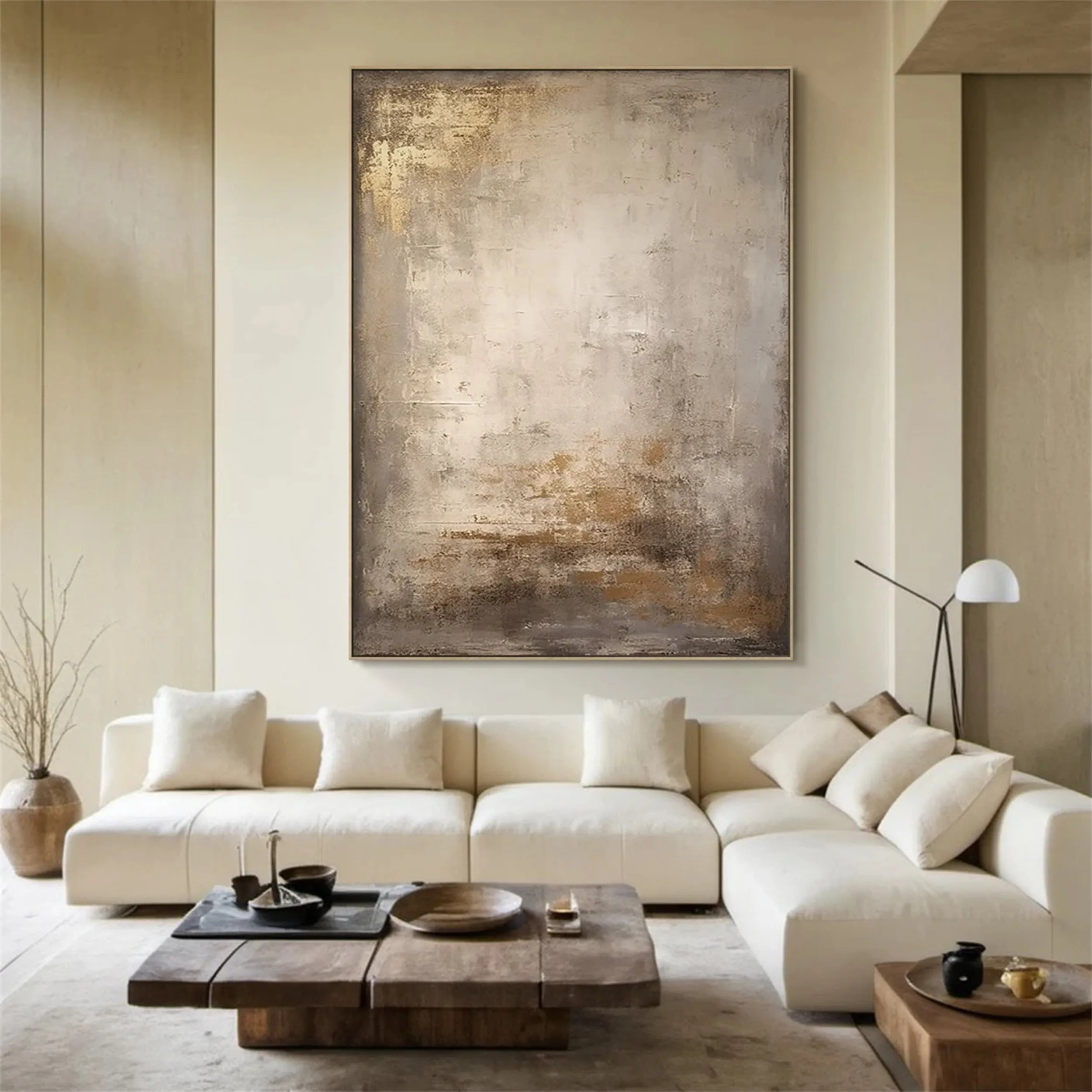
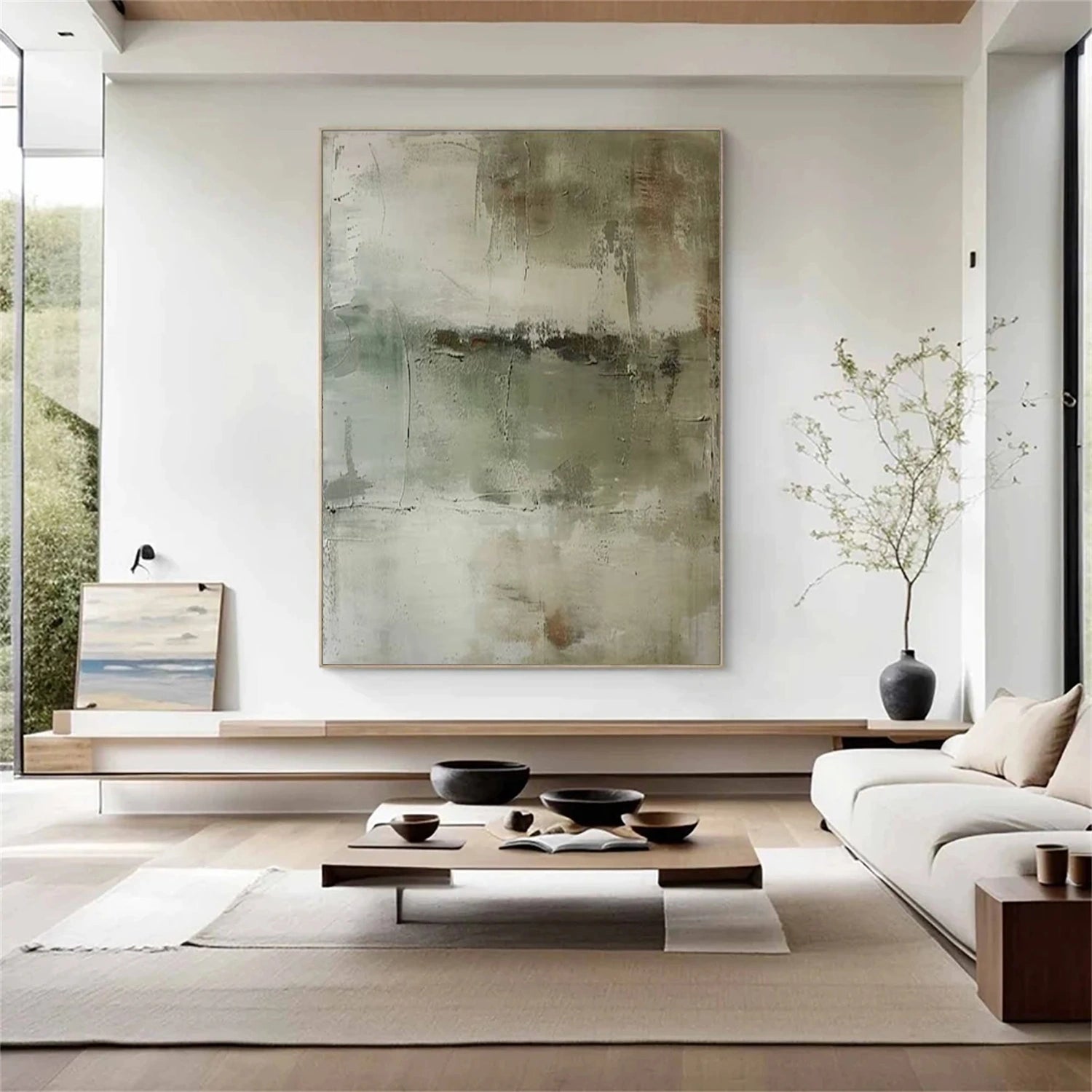
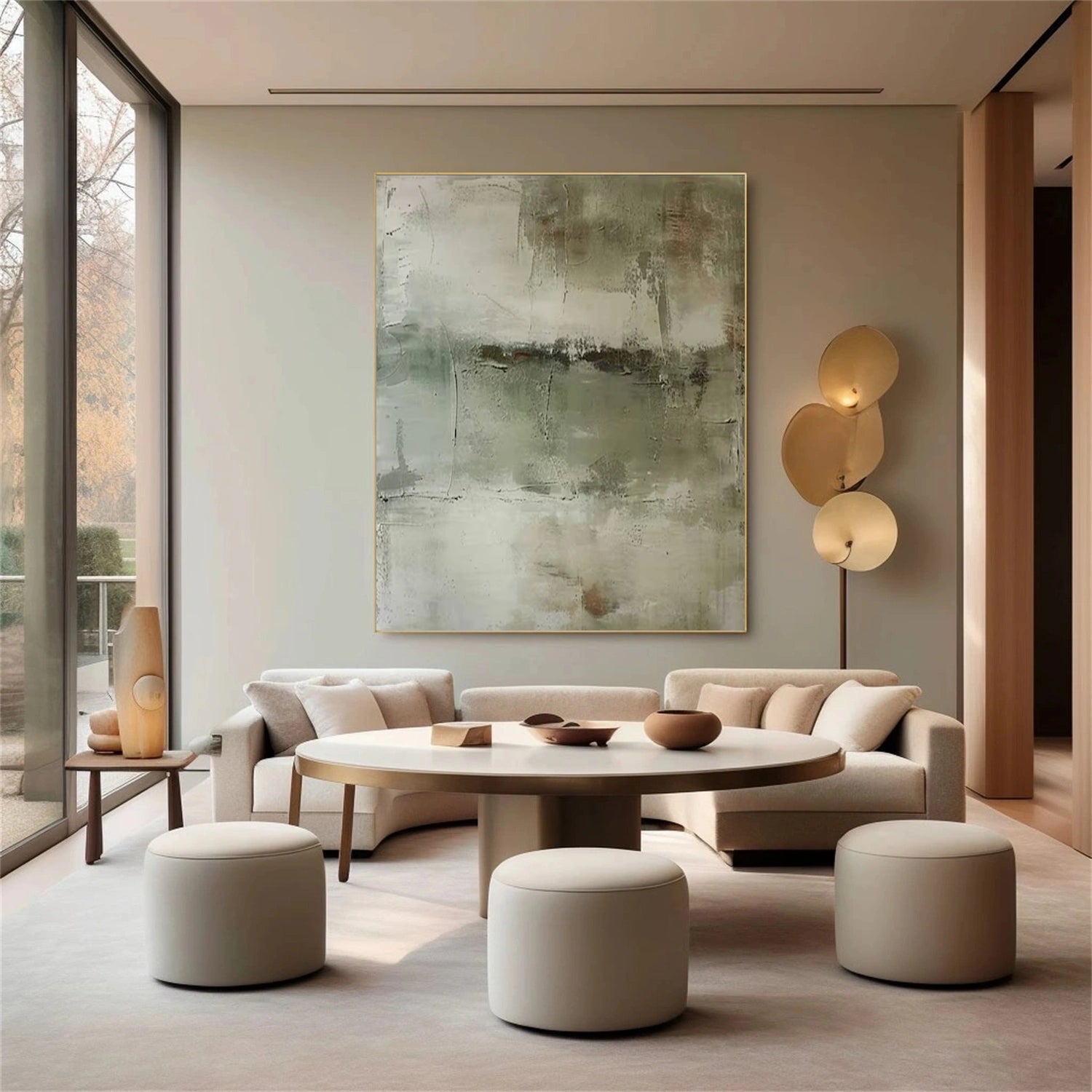
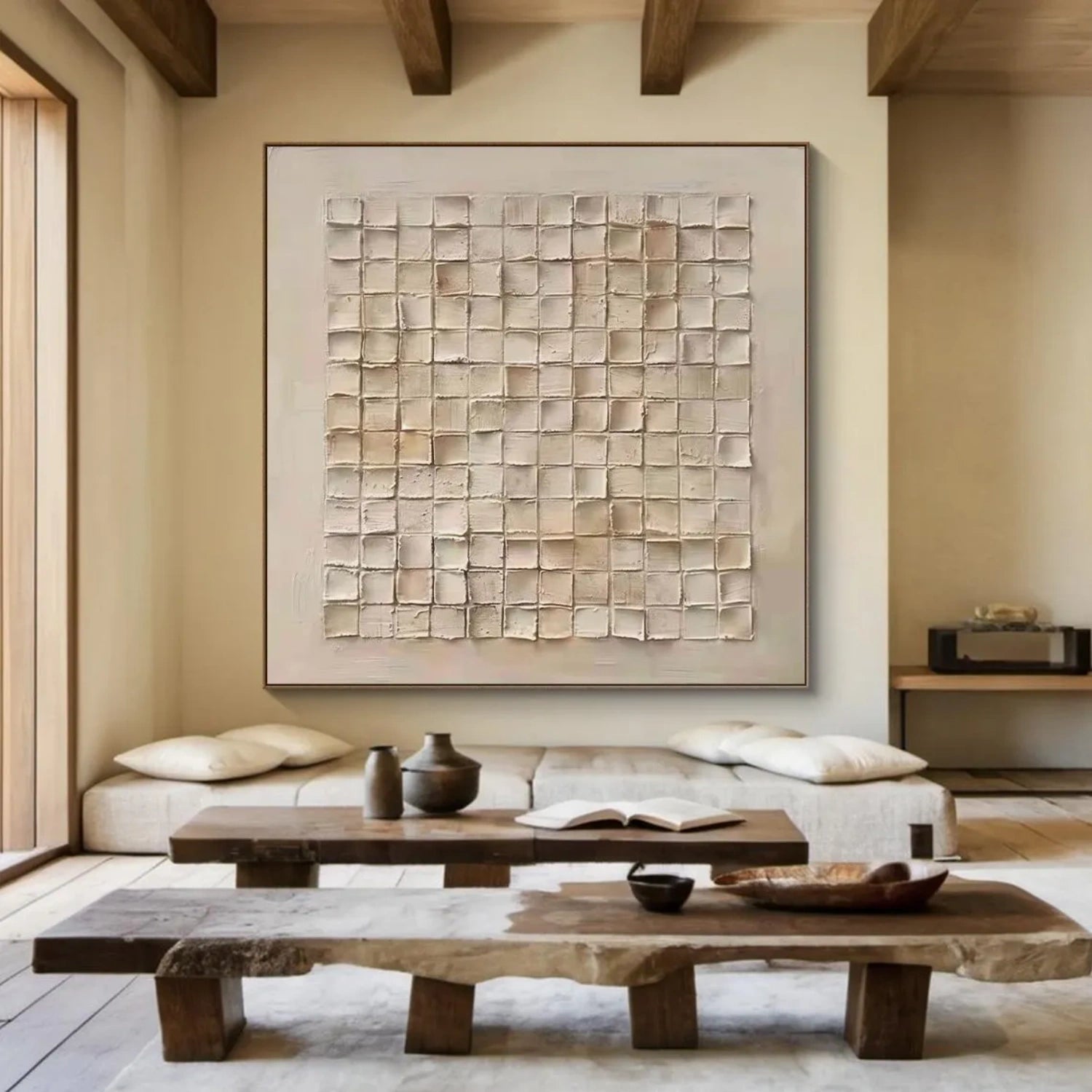
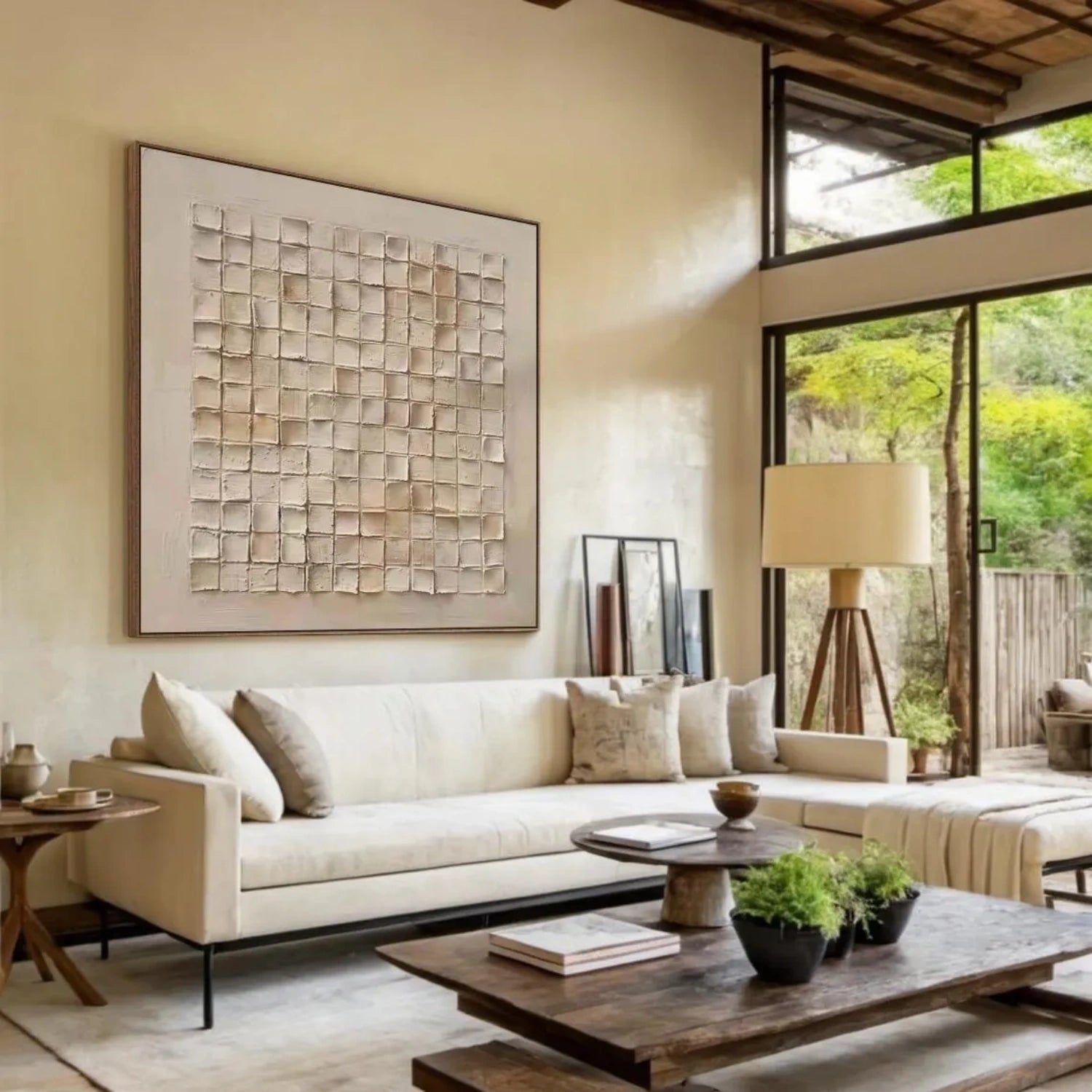
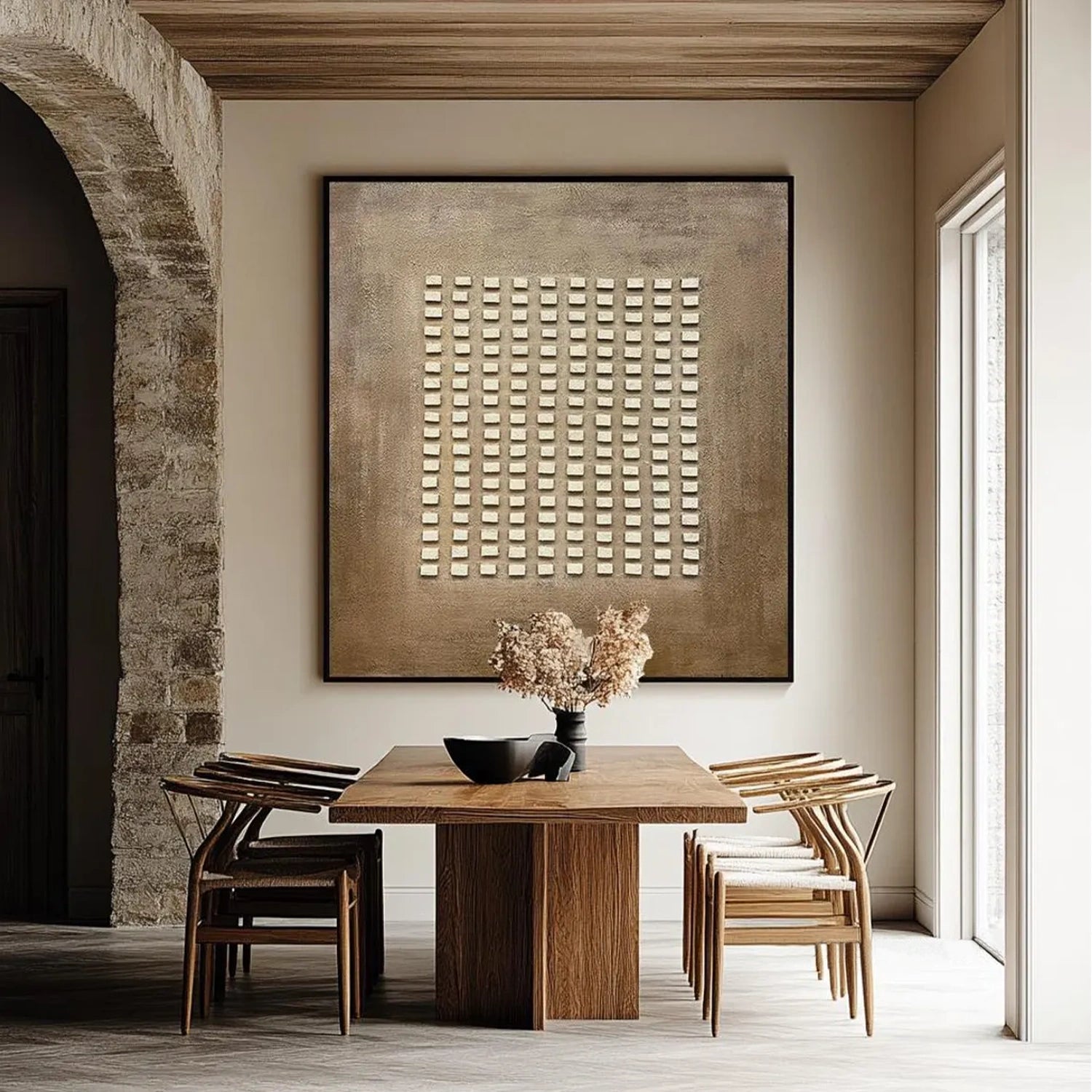
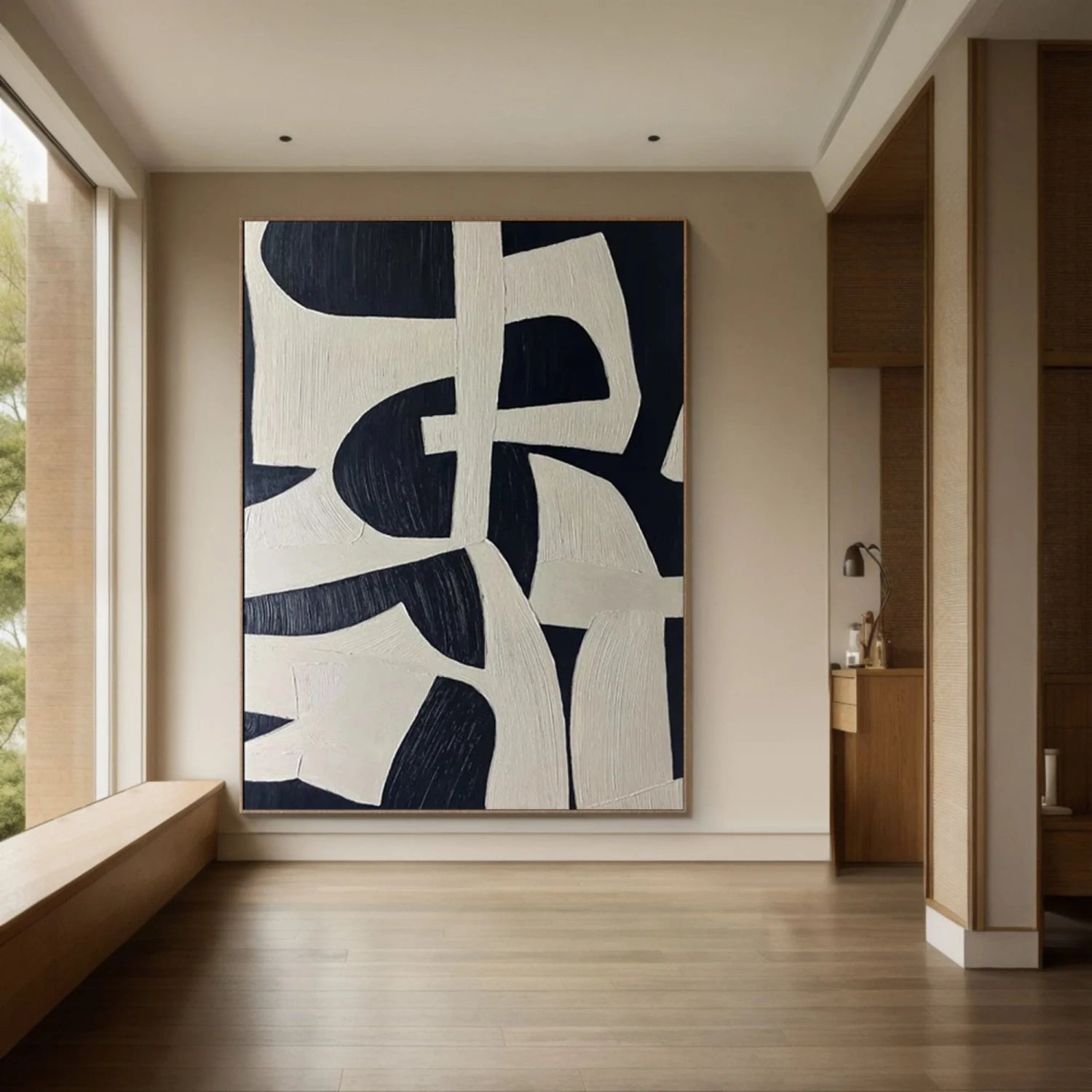
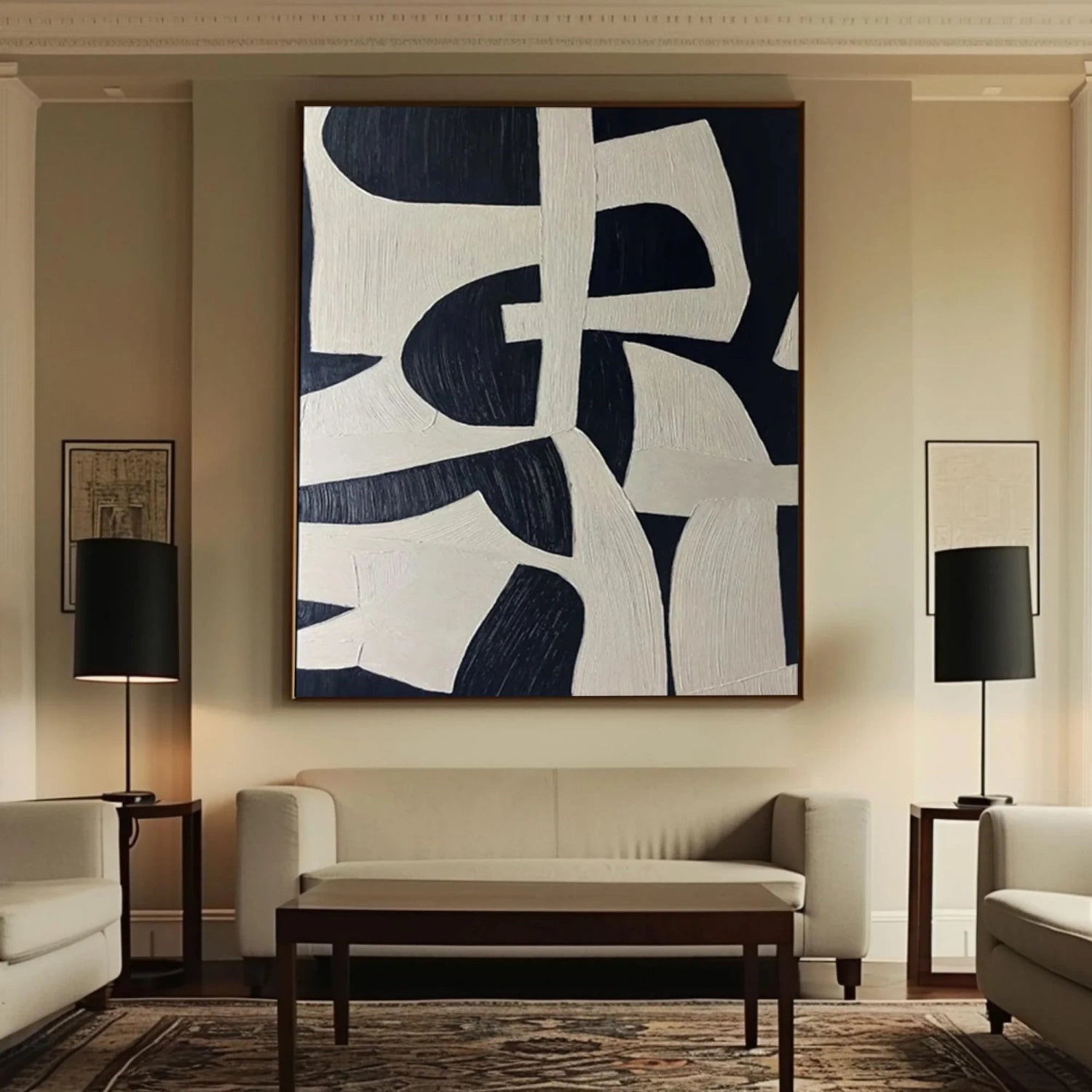
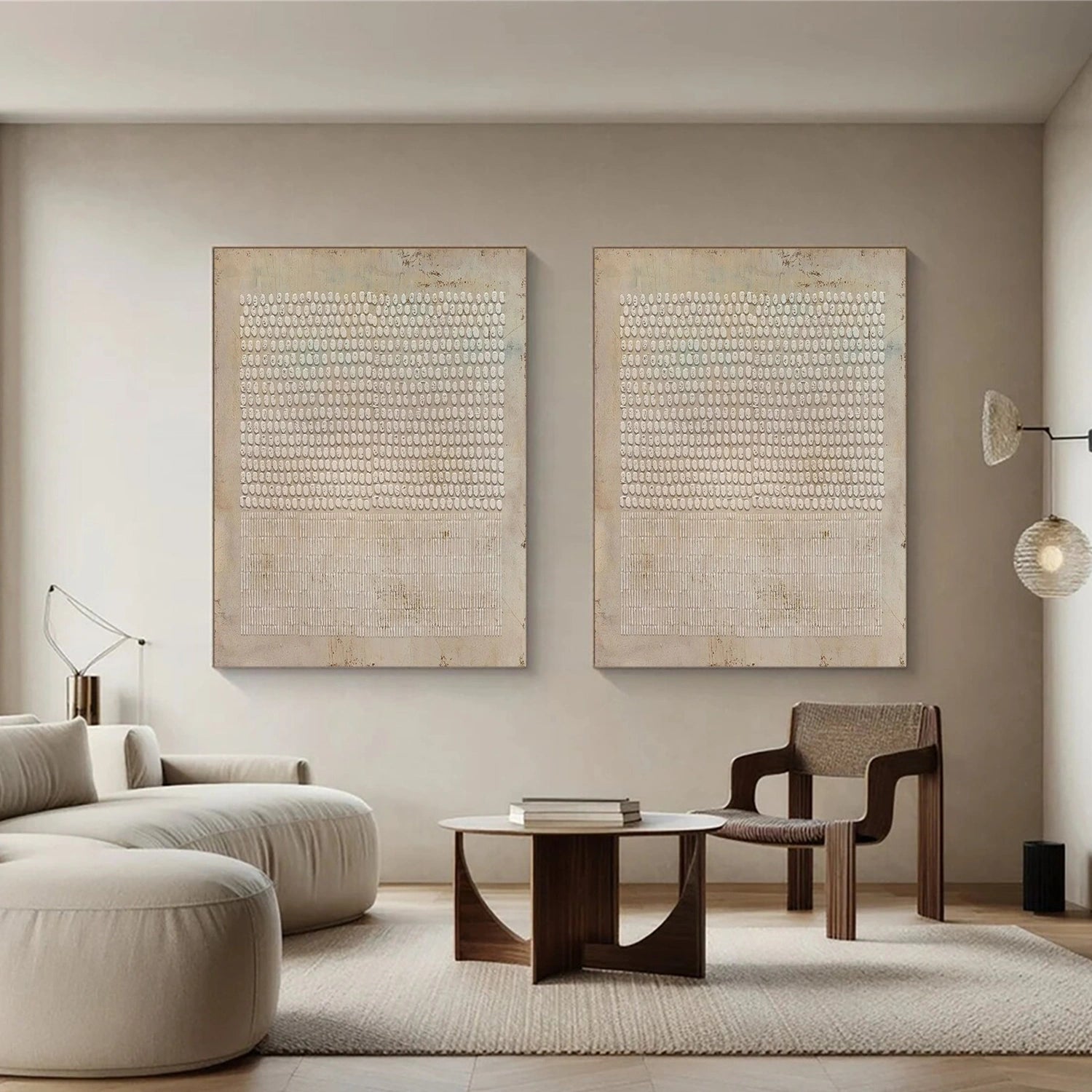
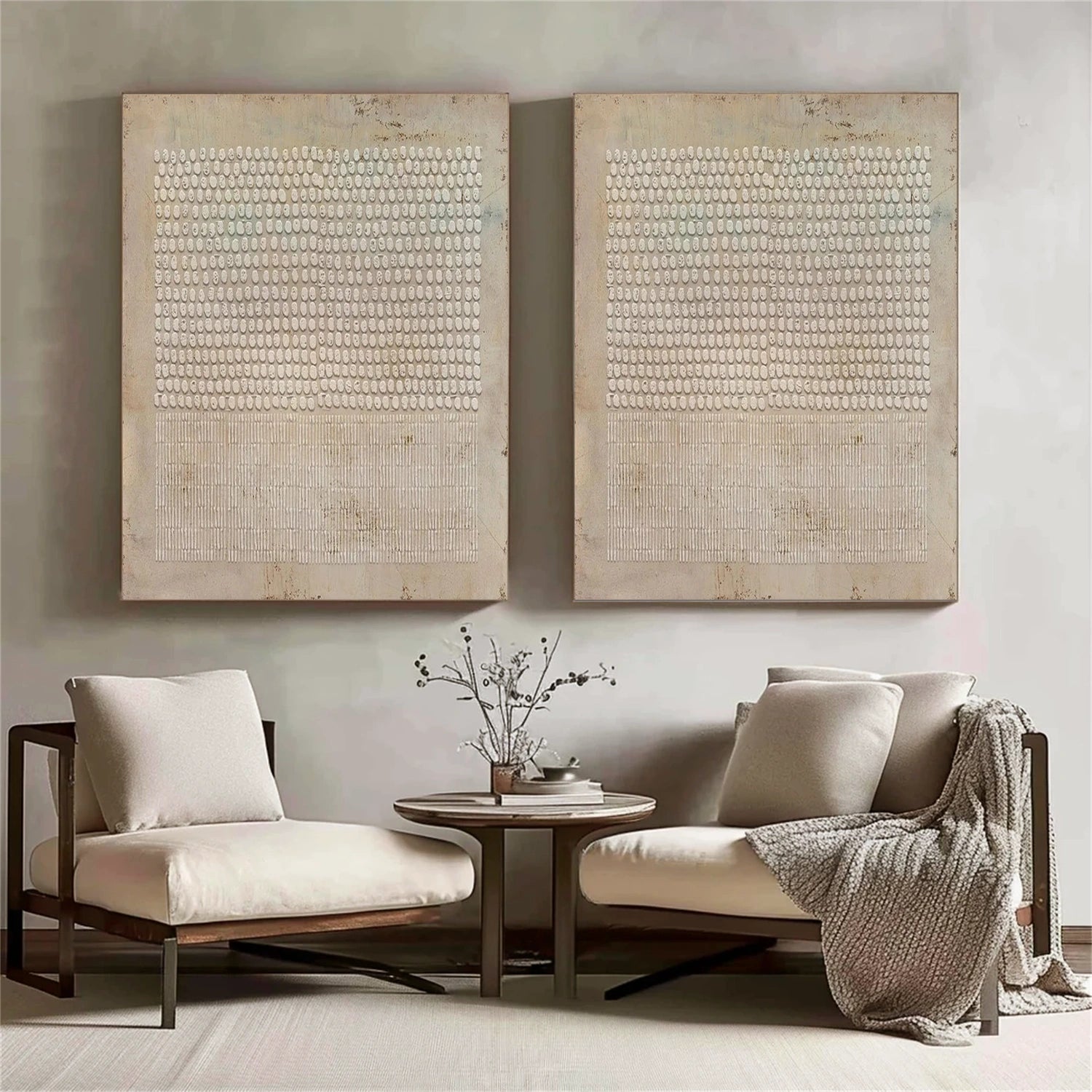
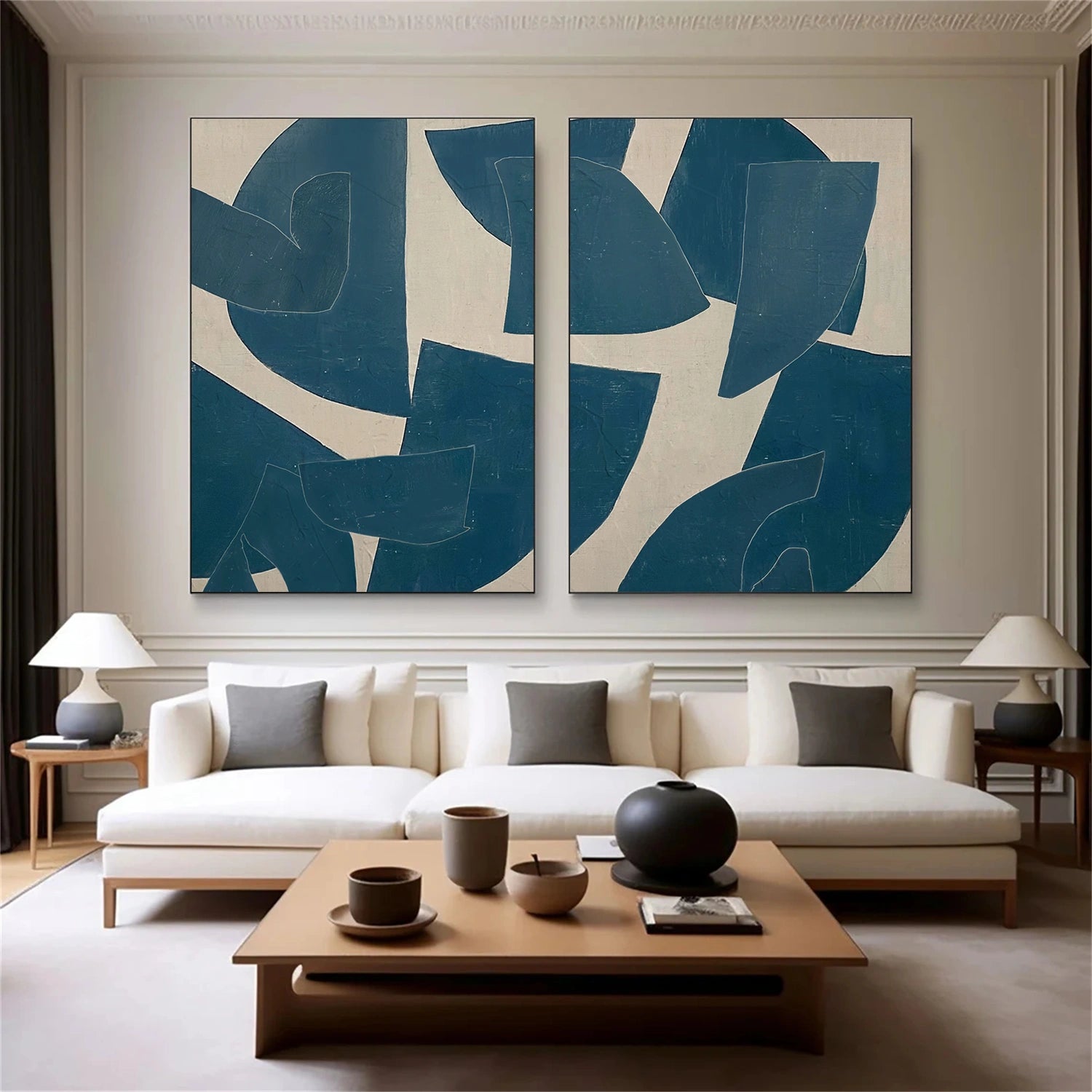
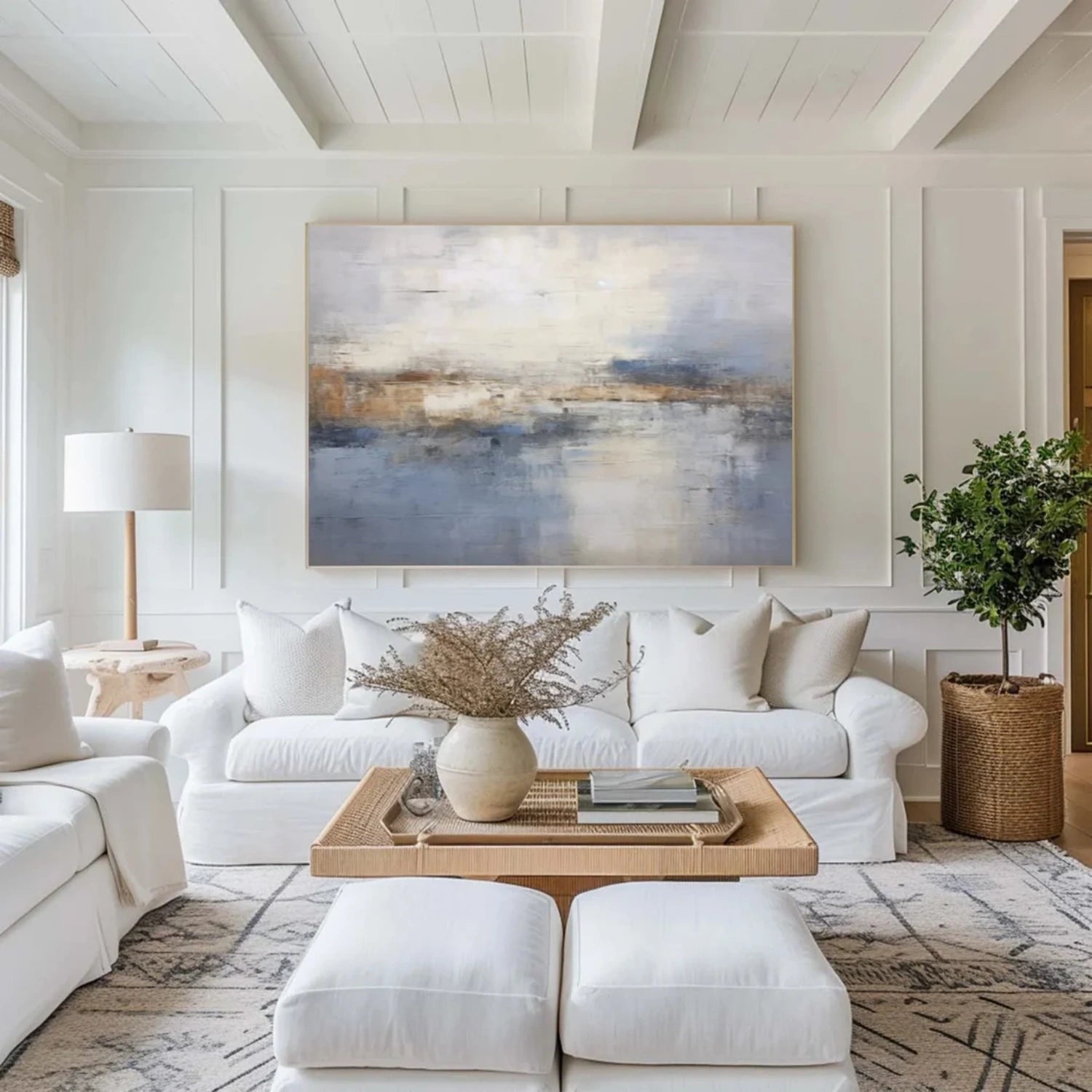
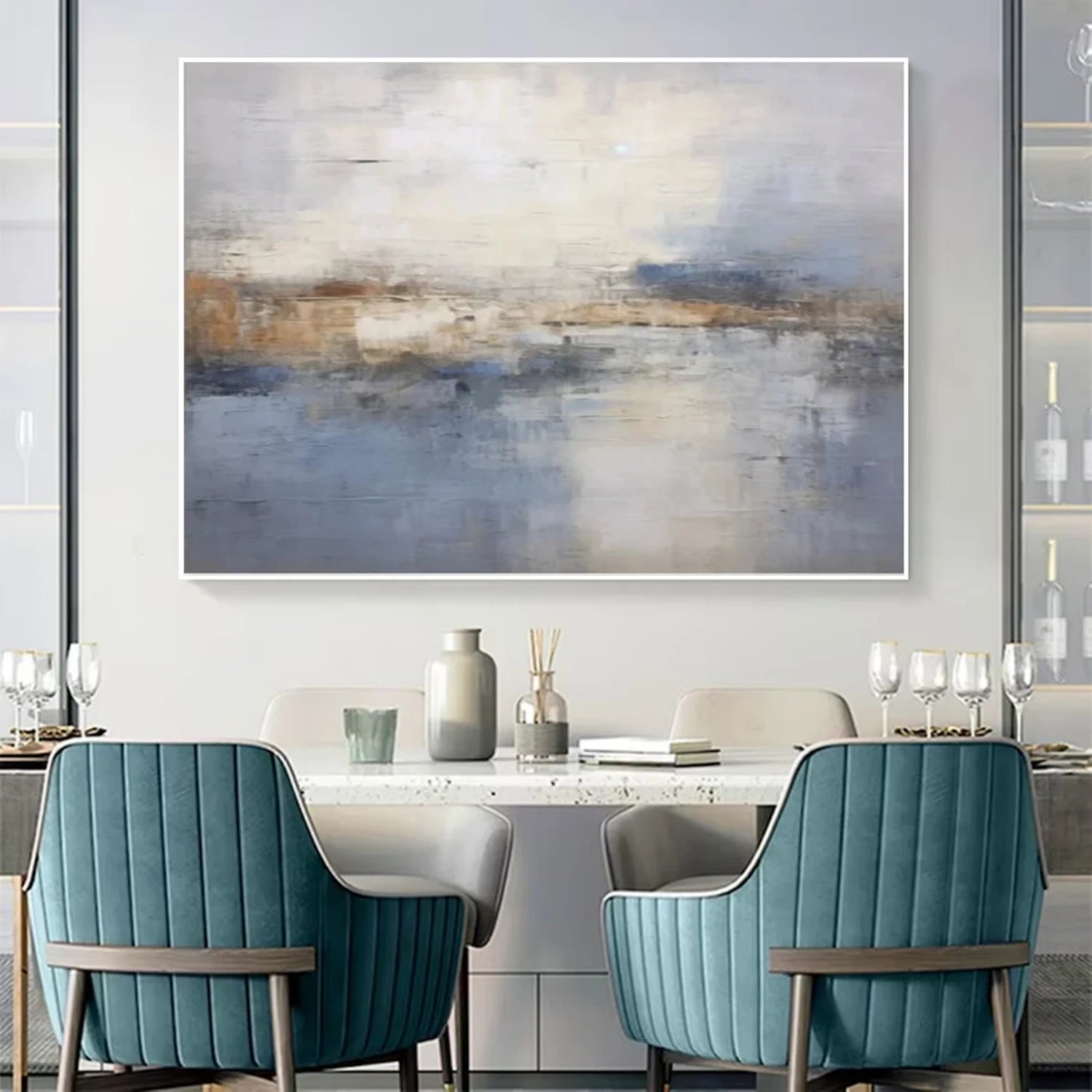
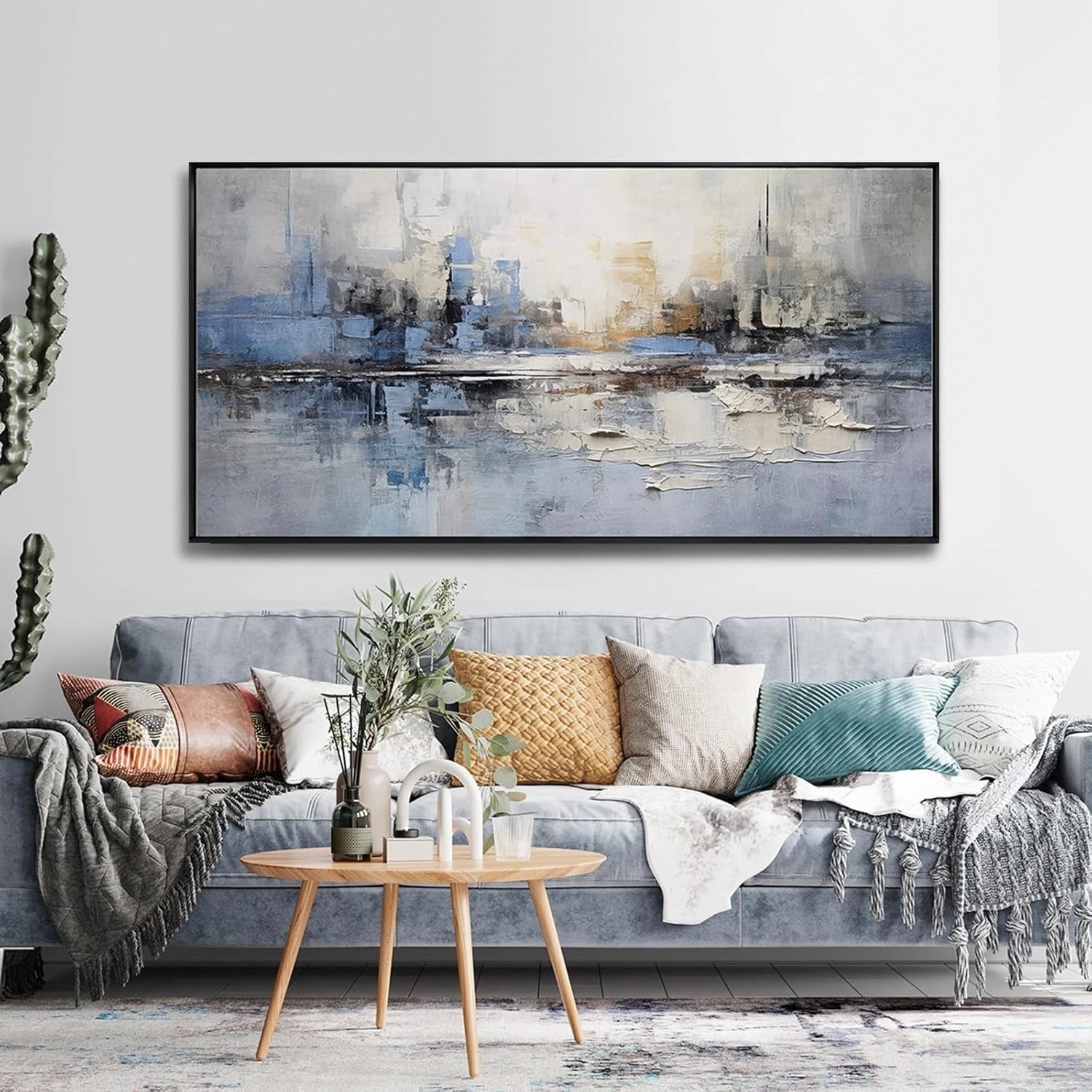
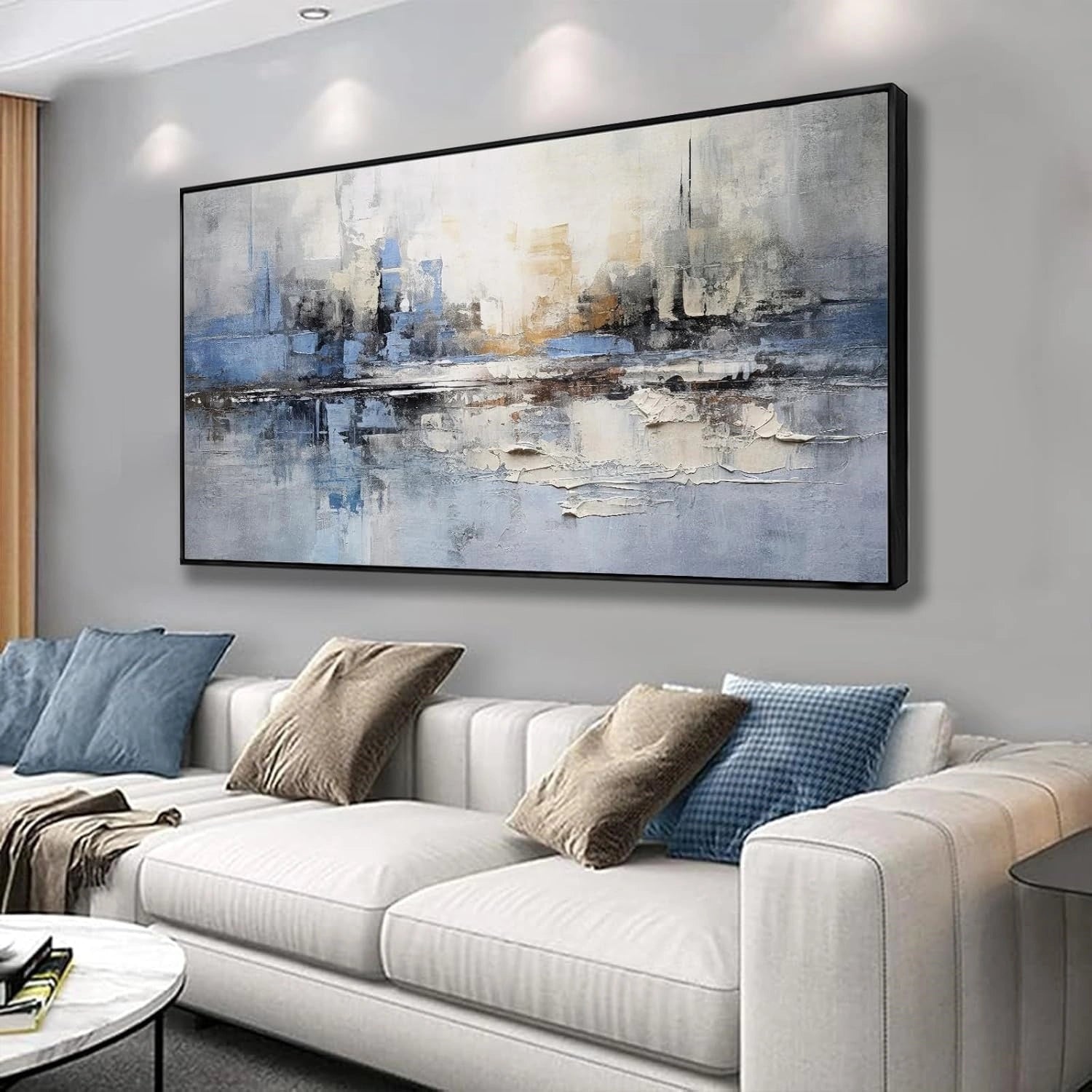
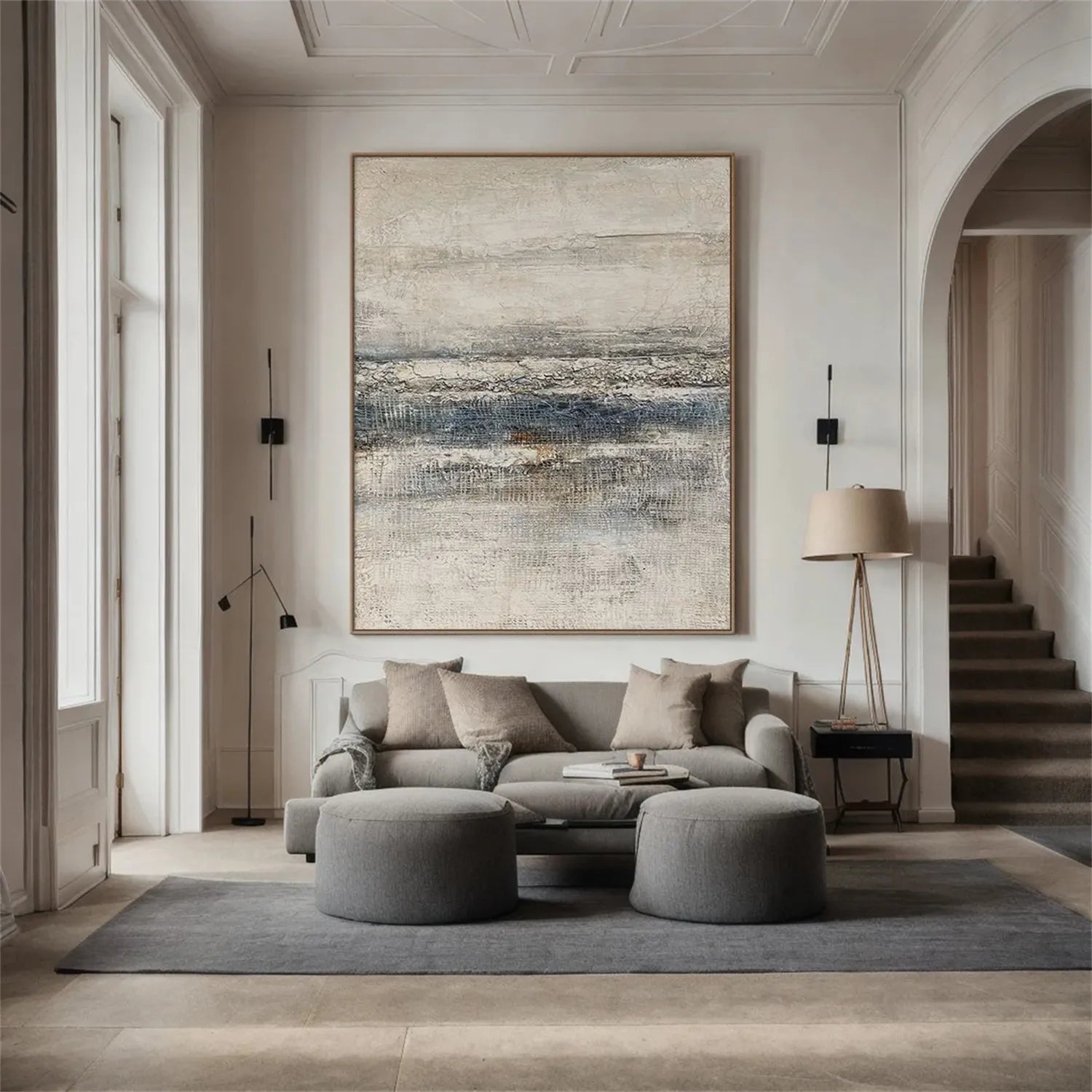
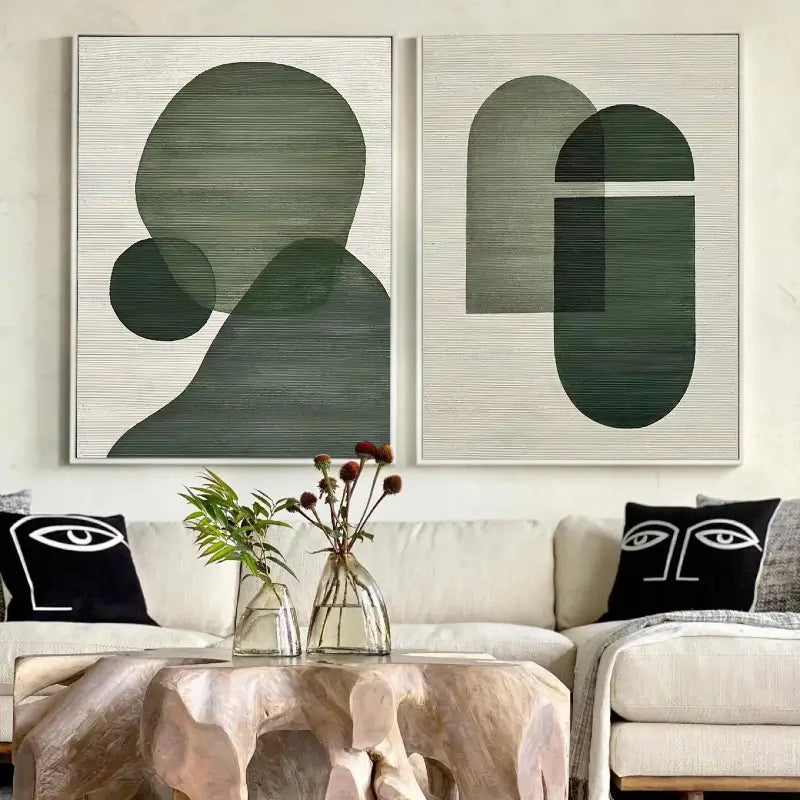
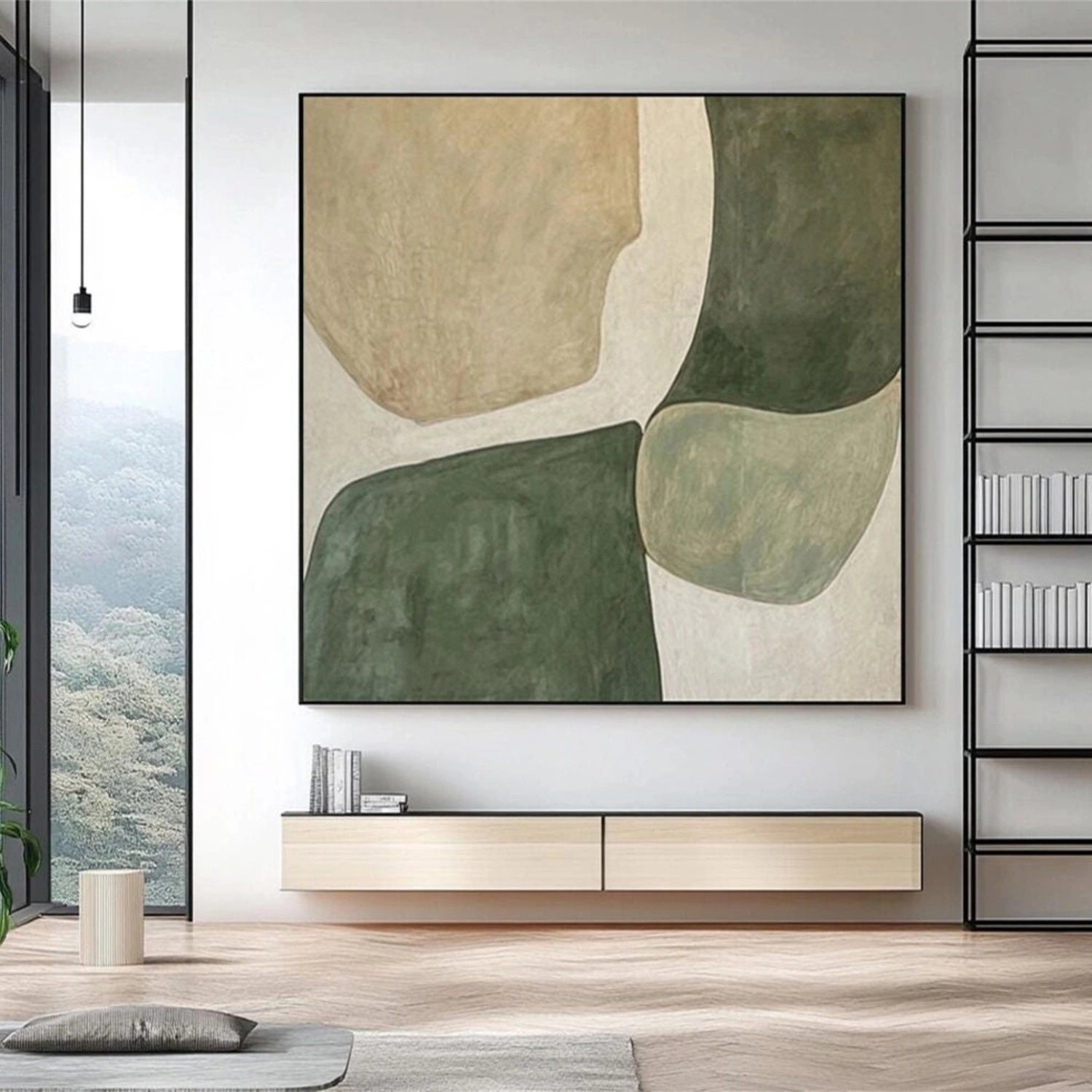
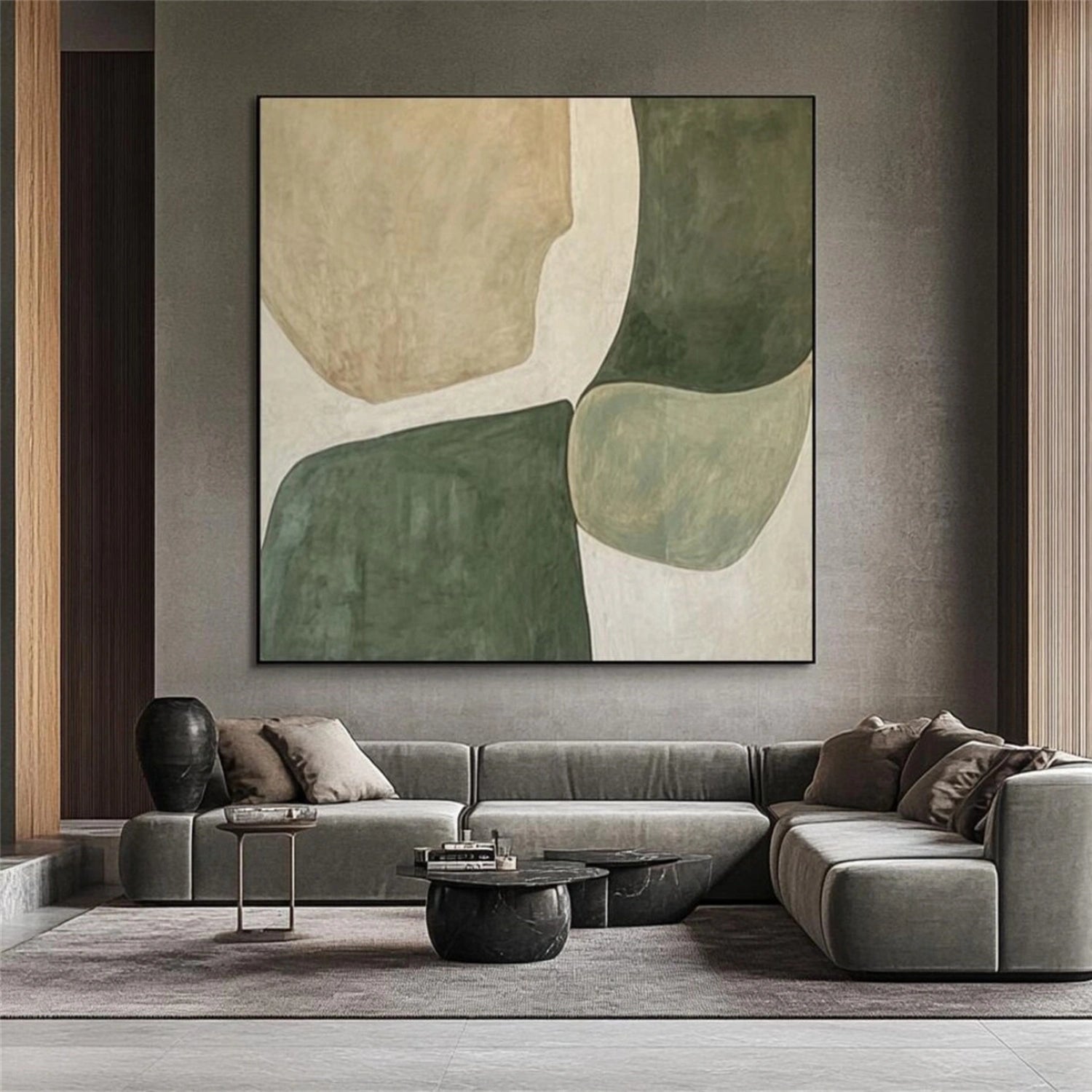
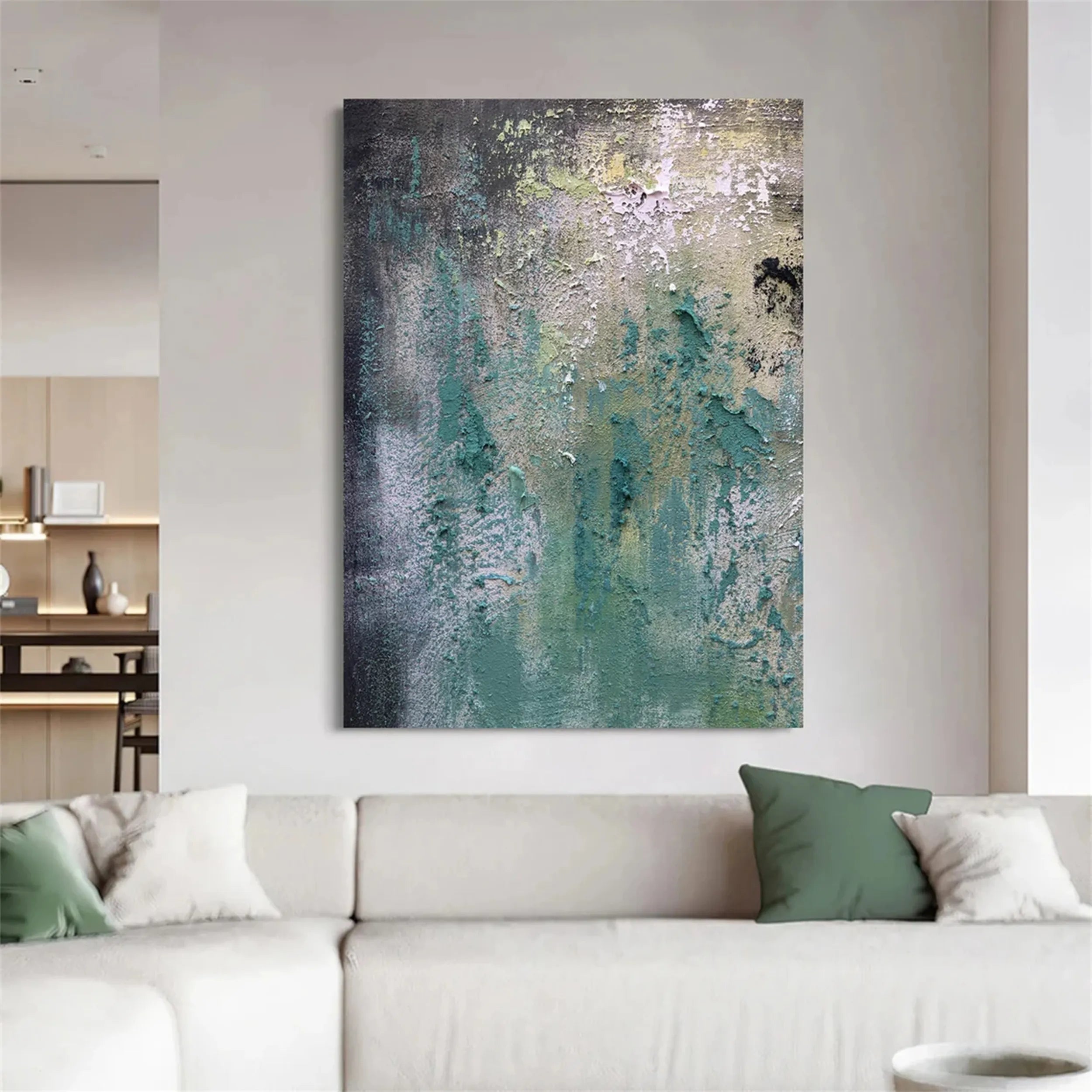
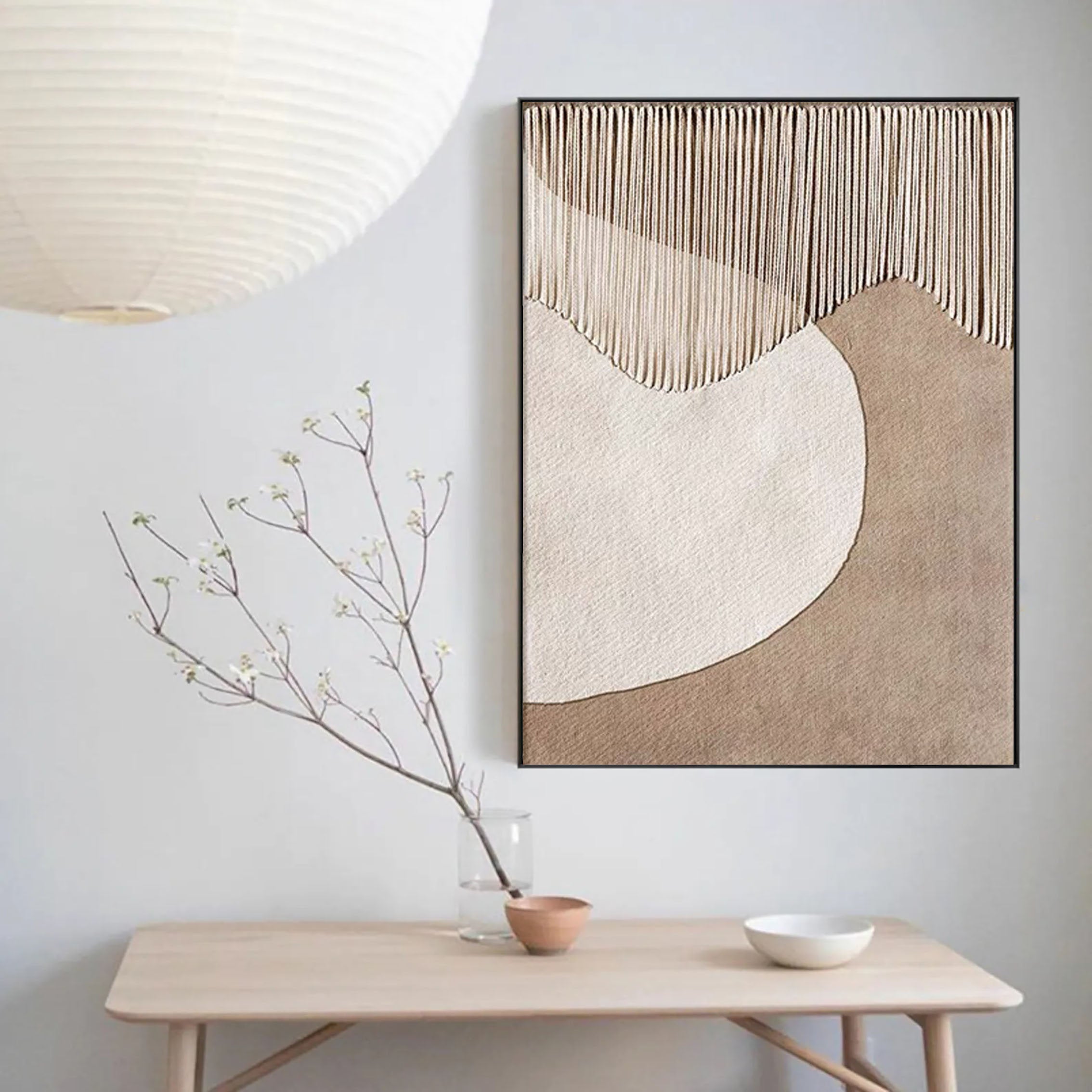
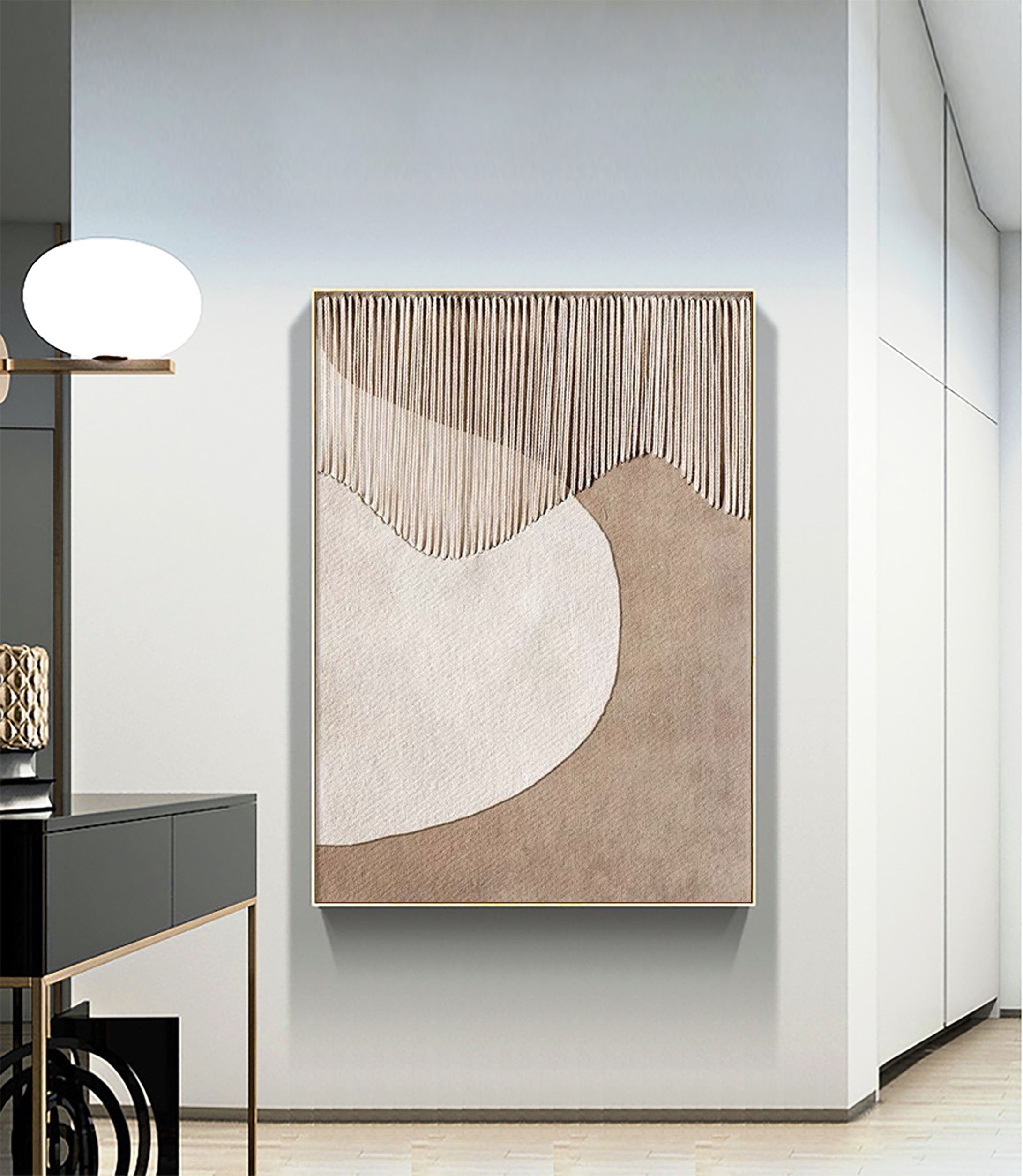
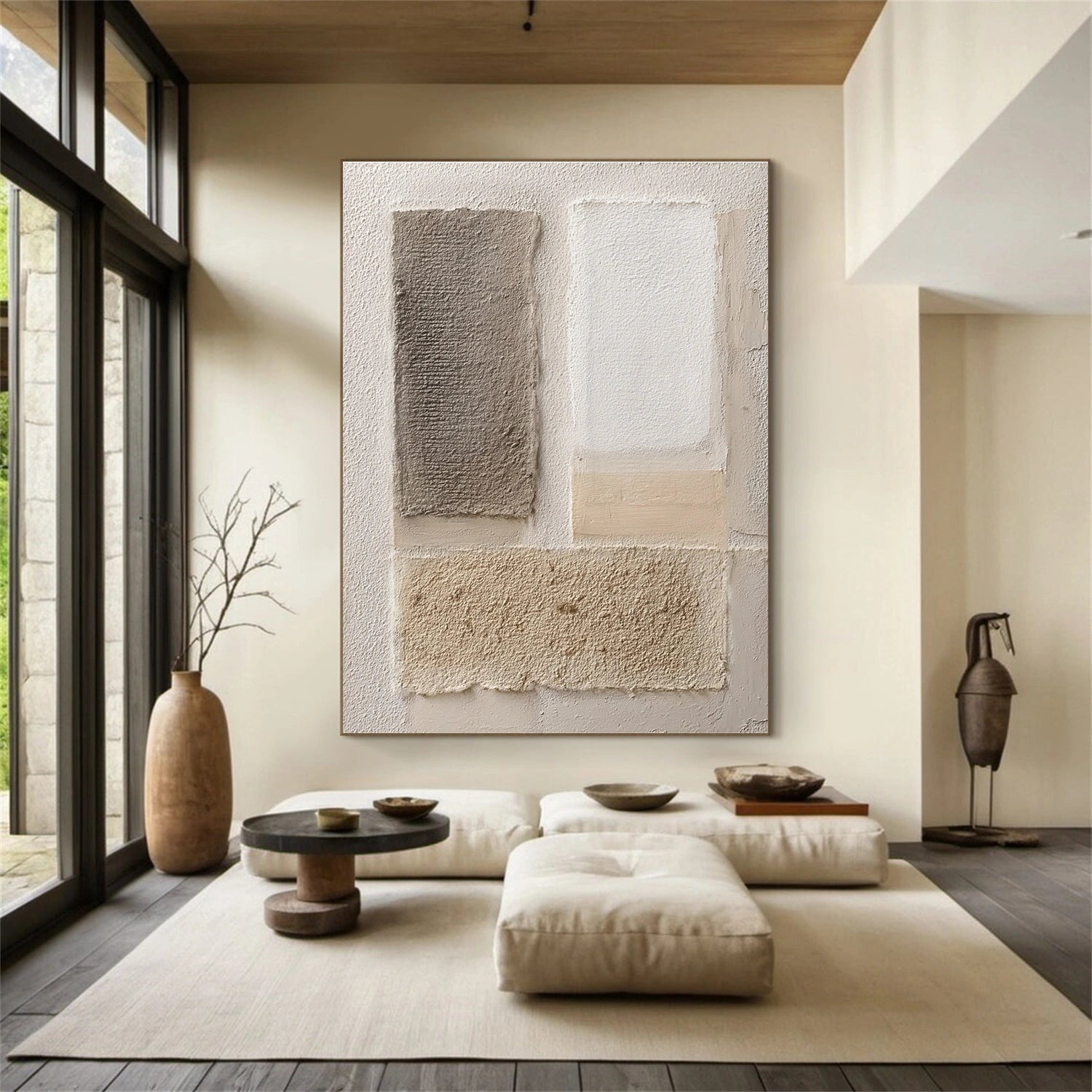
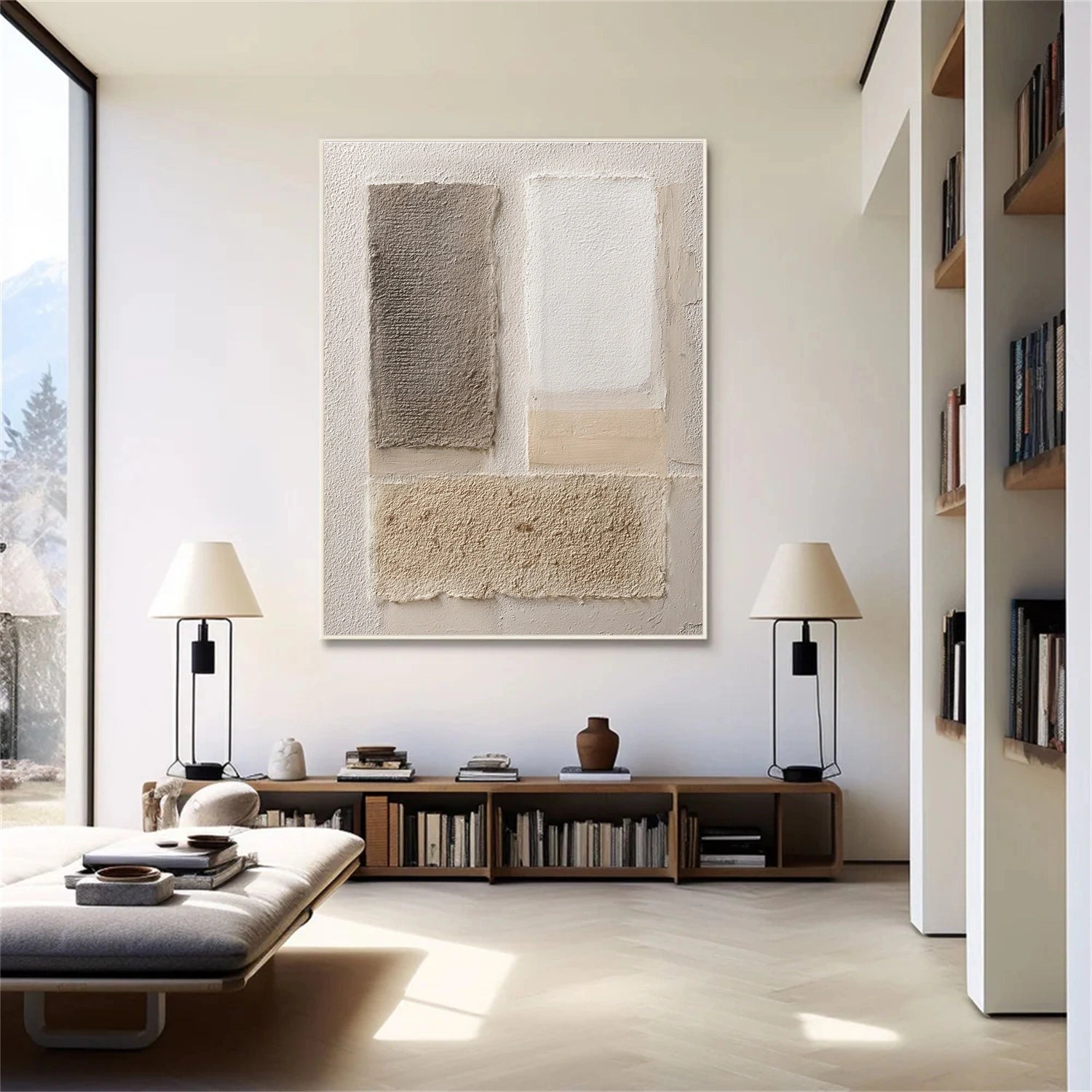
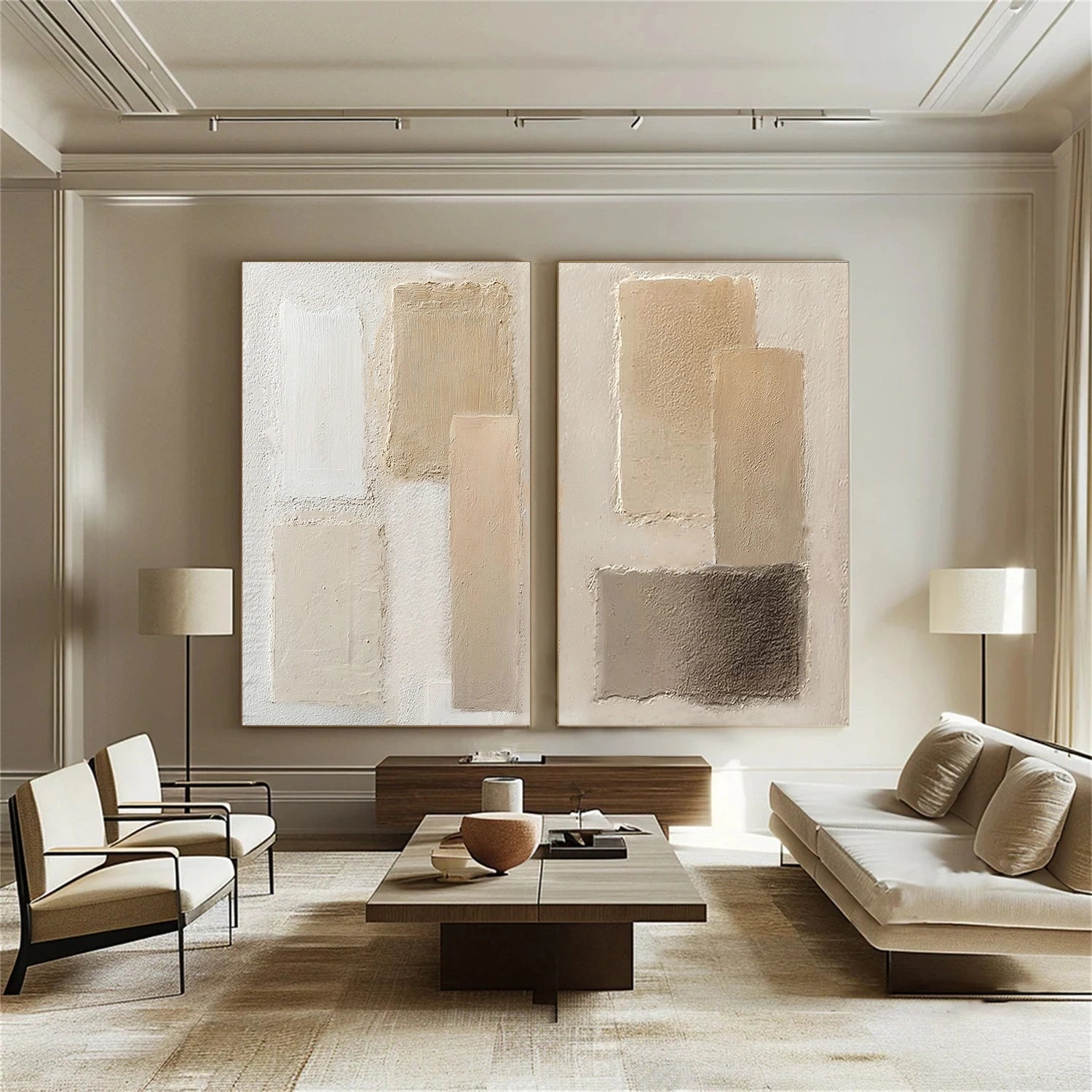
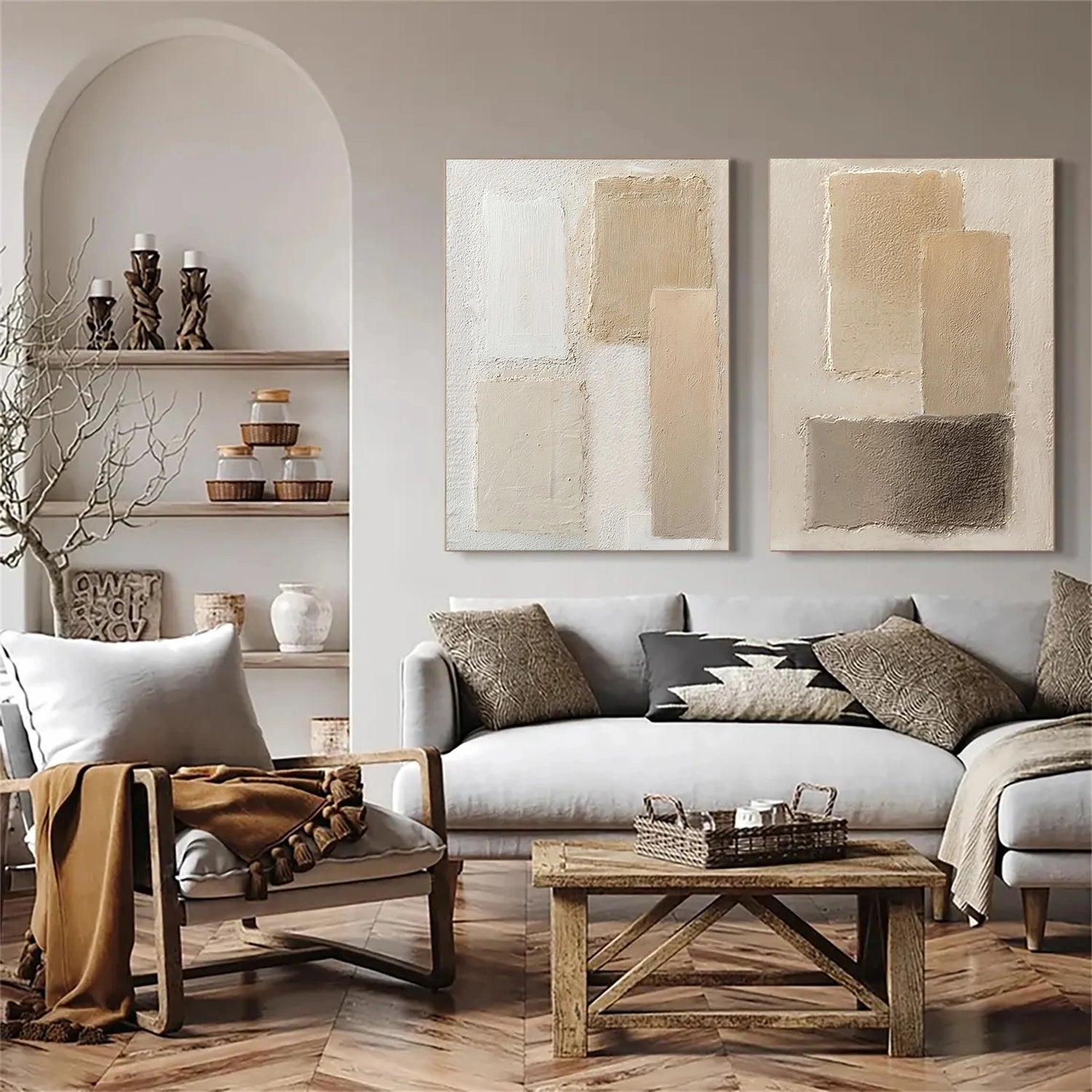
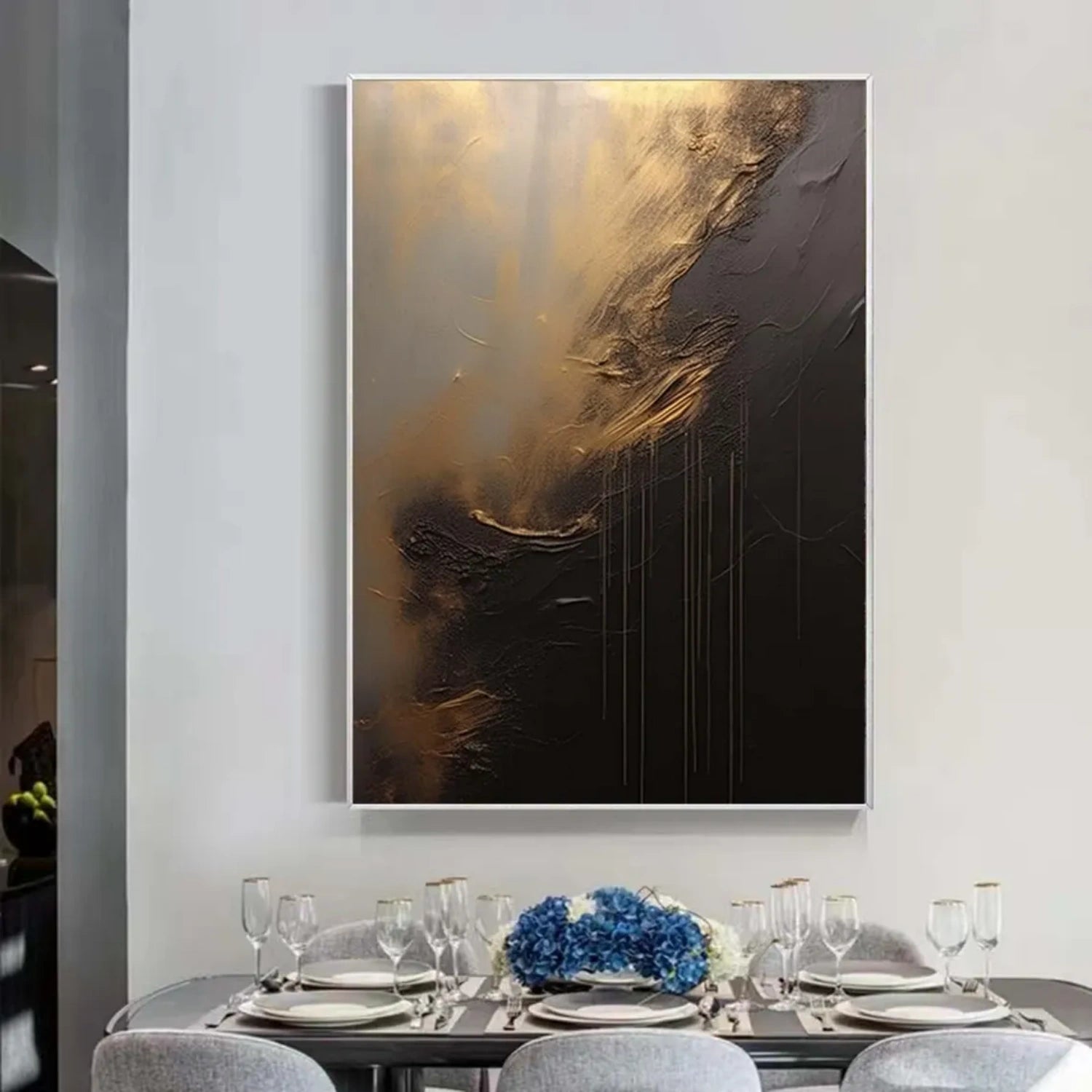
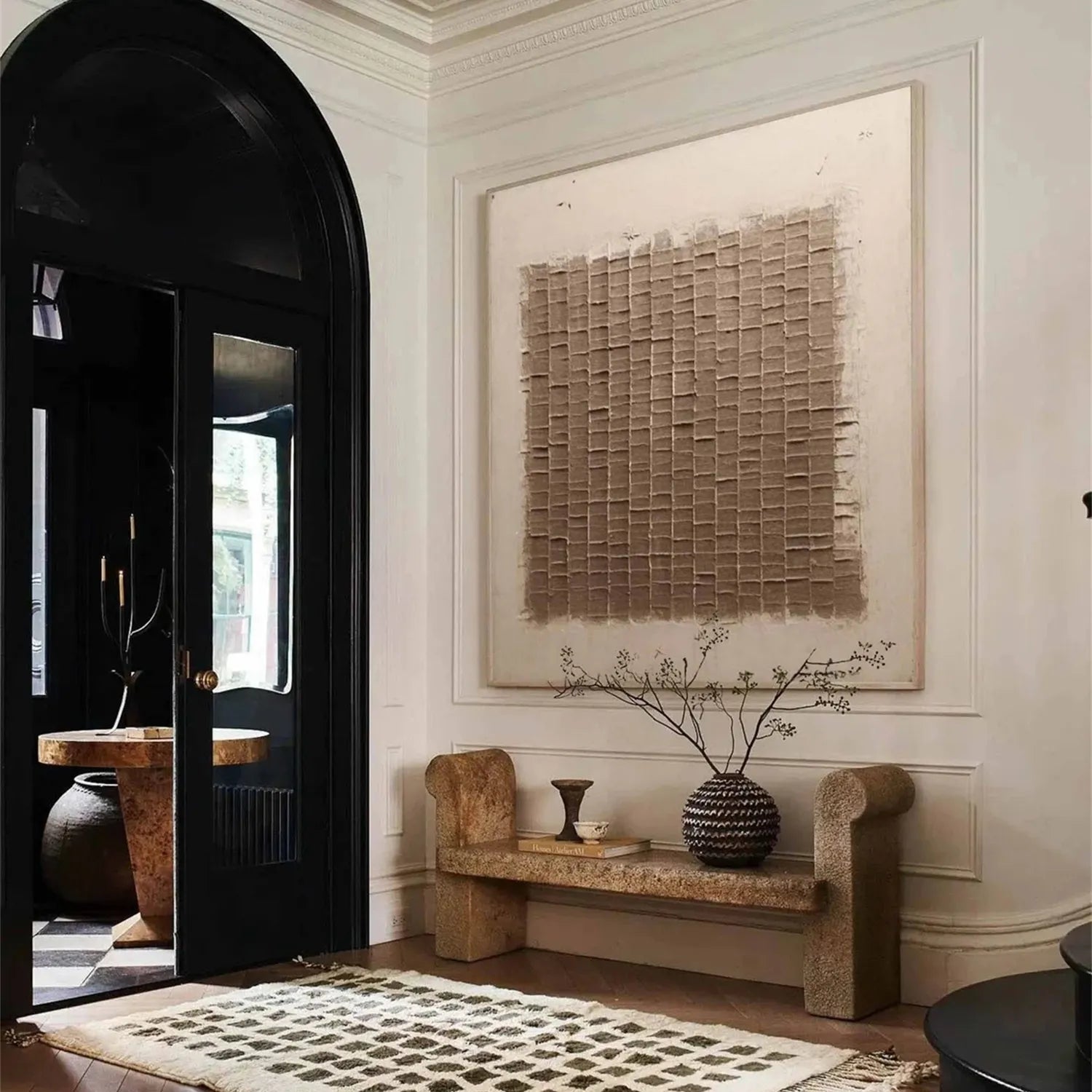
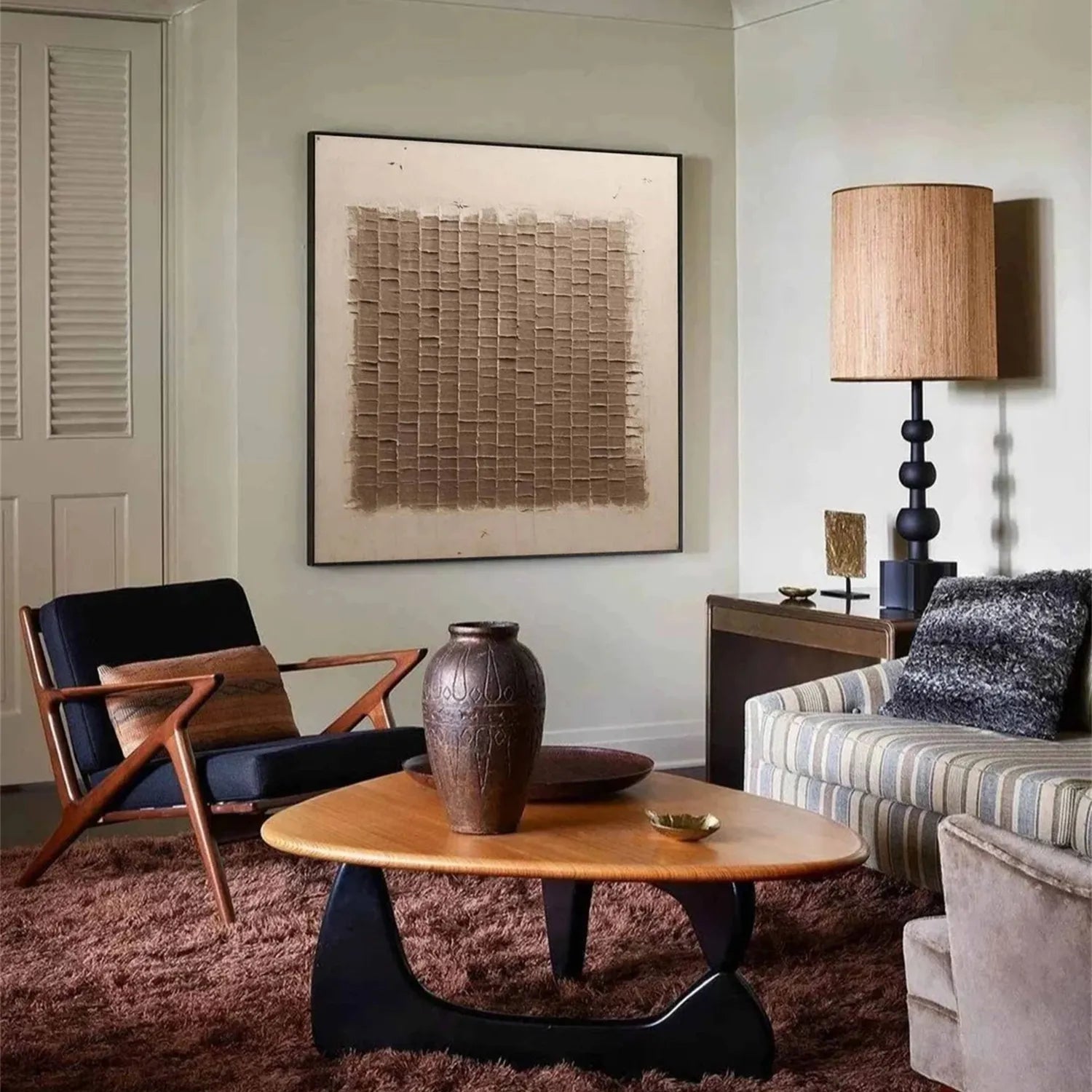
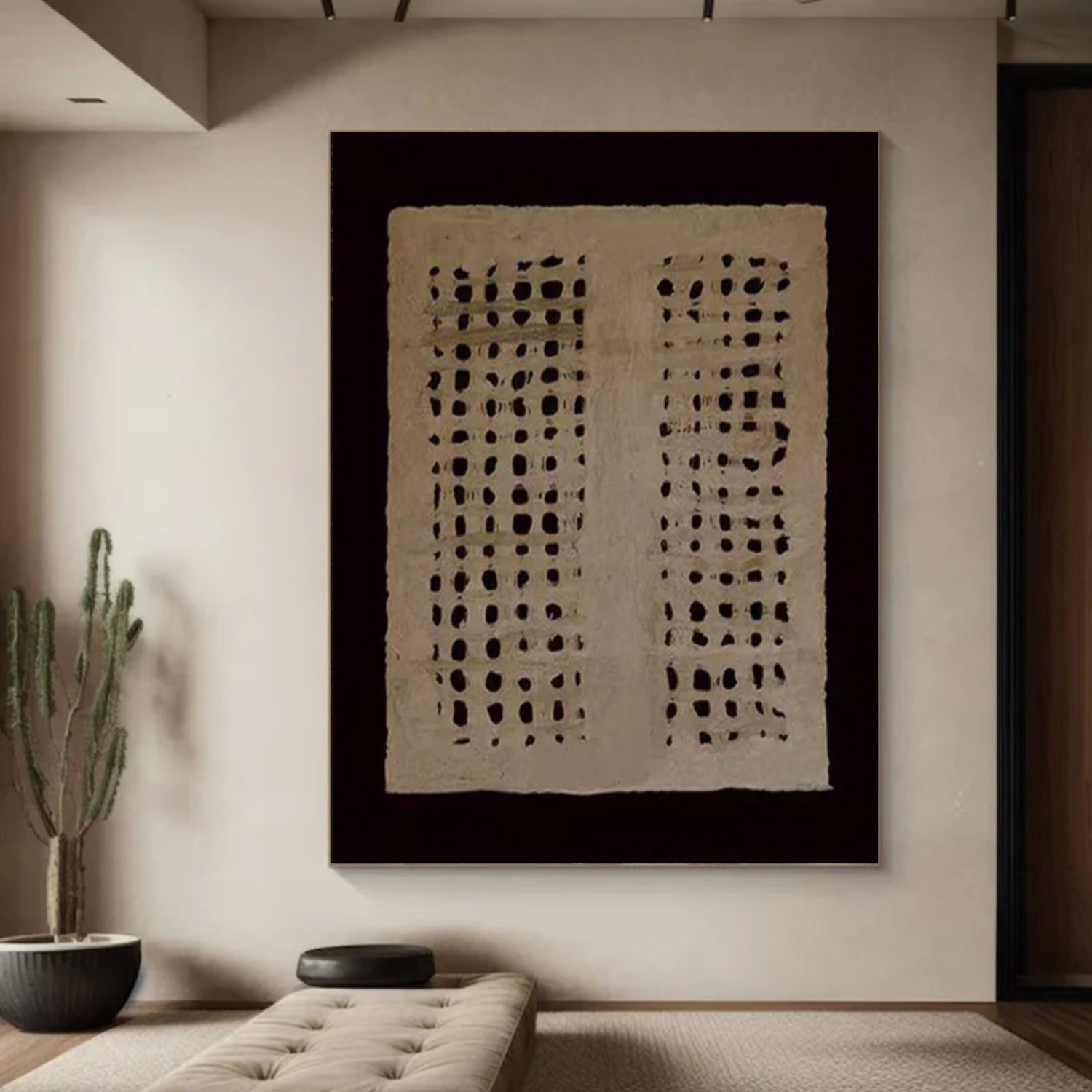
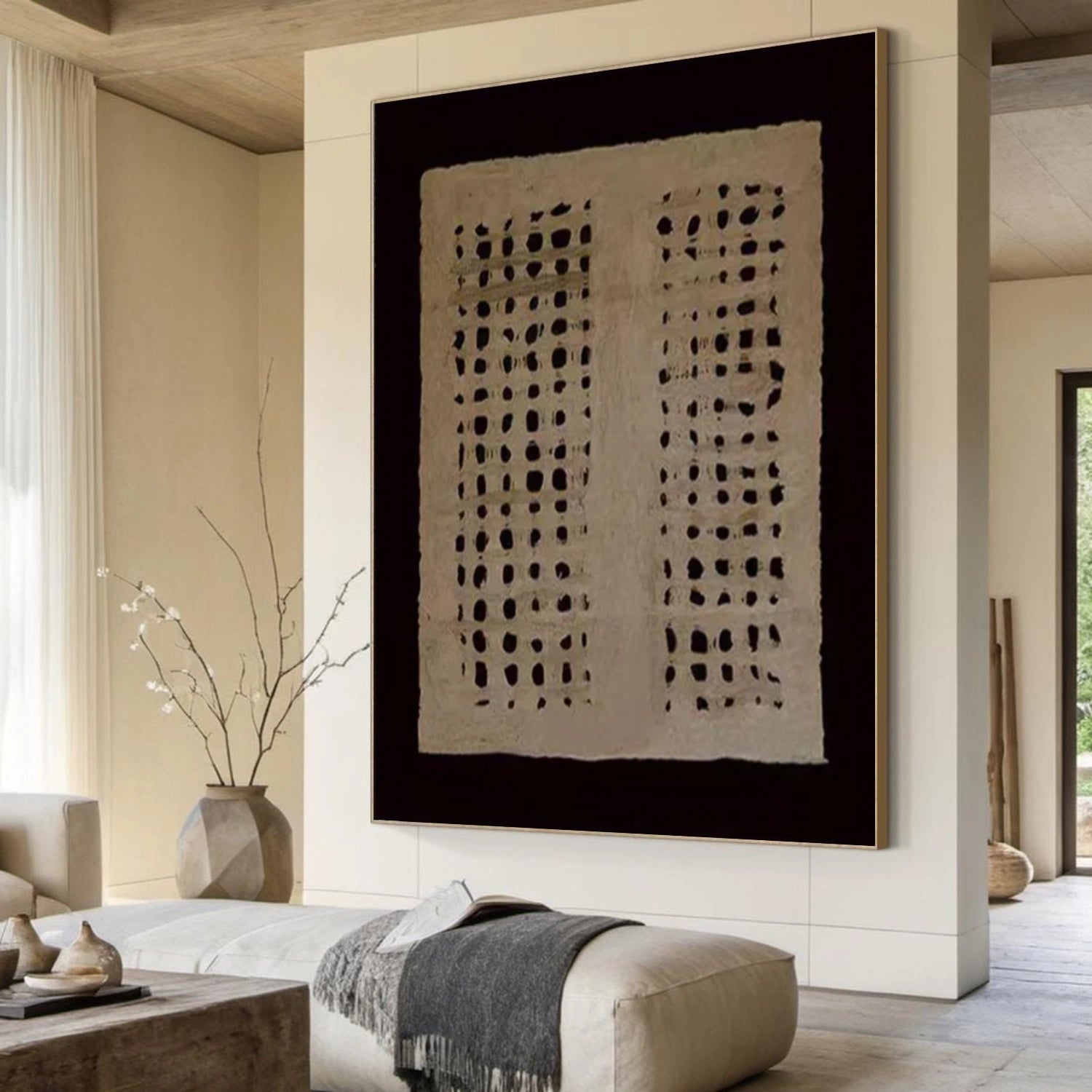
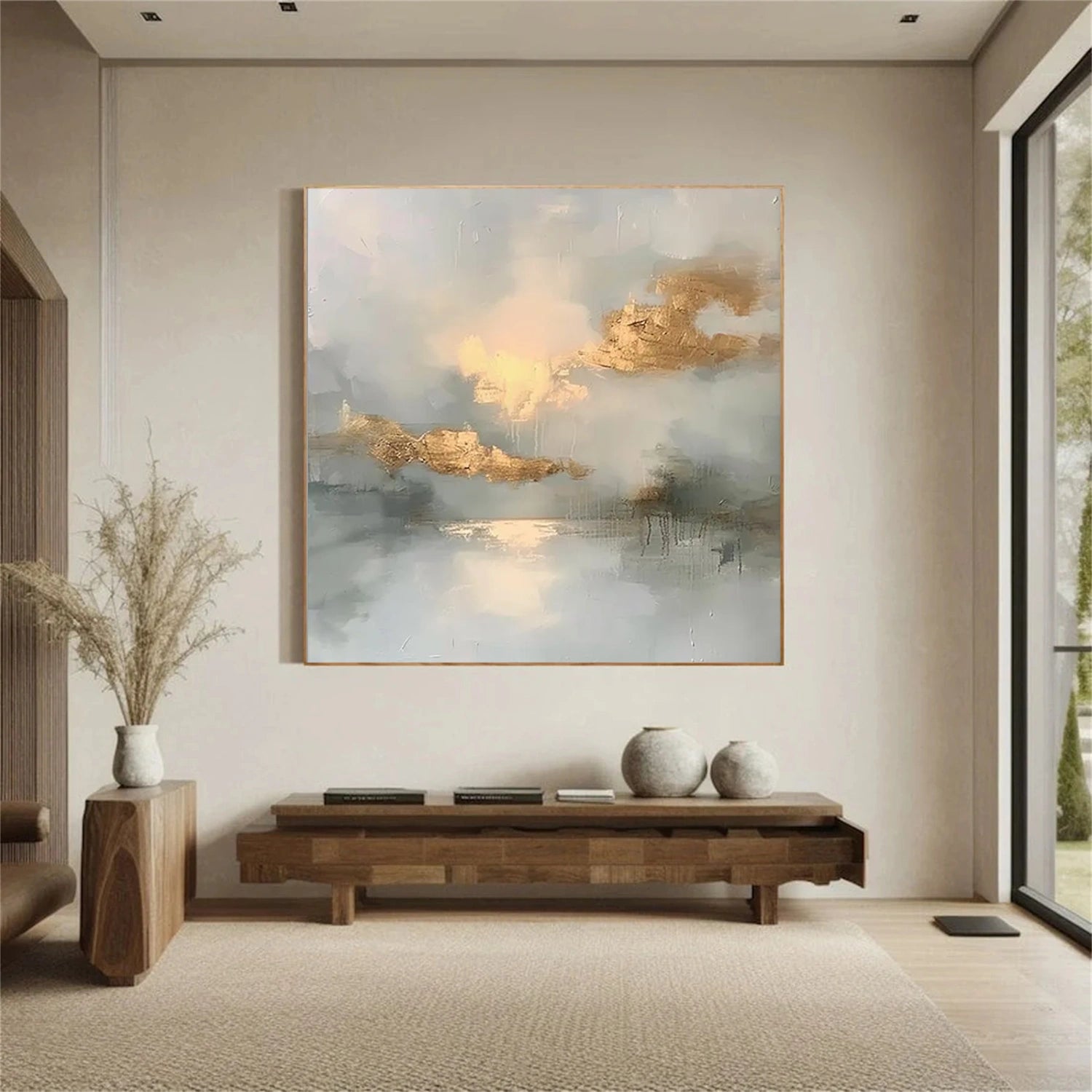
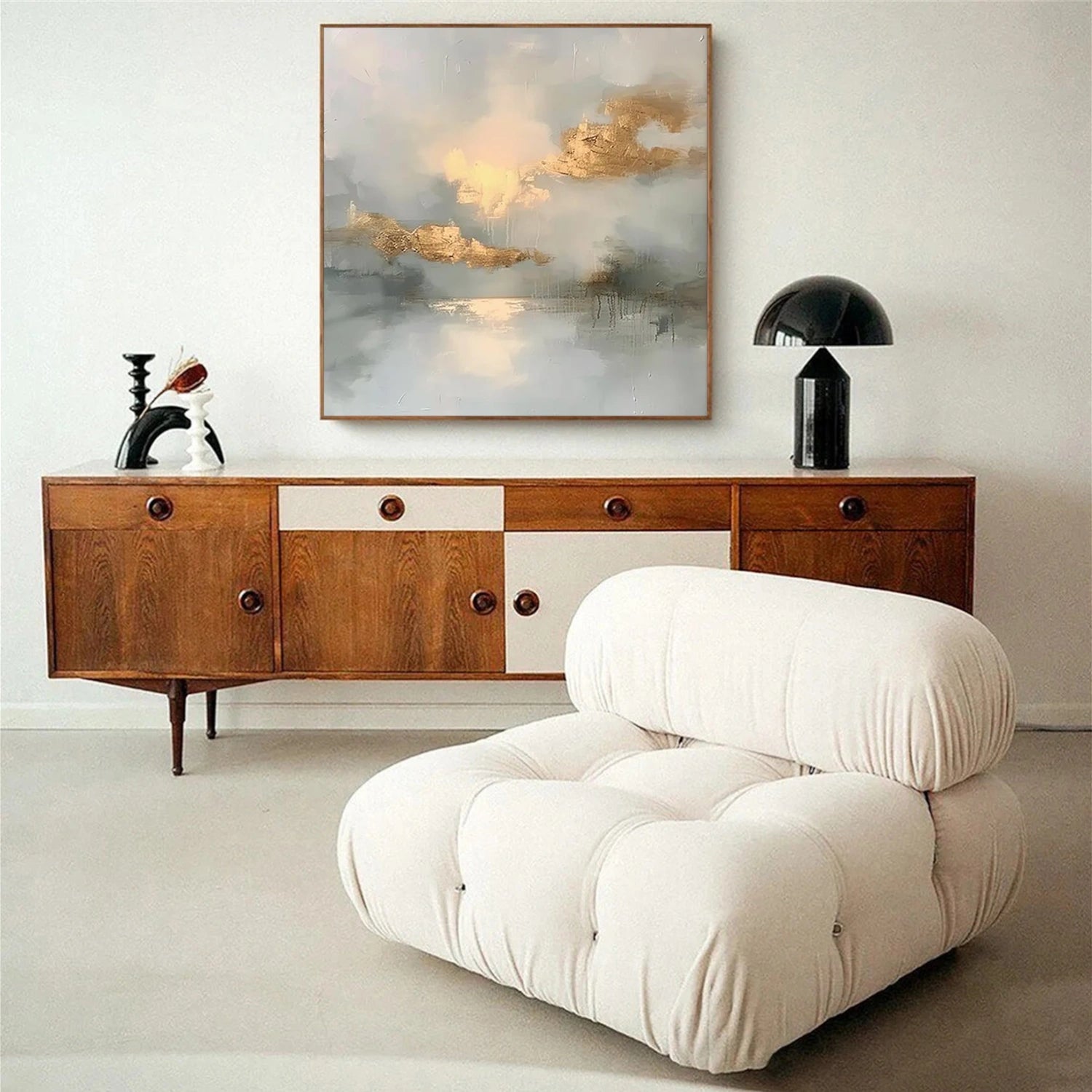
At Vinchy Art, many works feature muted neutrals, soft gradients, and exposed canvas textures. These pieces encourage emotional stillness, meditation, and mindfulness, demonstrating how wabi-sabi principles translate into contemporary abstract oil painting.

Why Is Natural Texture Essential to Wabi-Sabi Aesthetics?

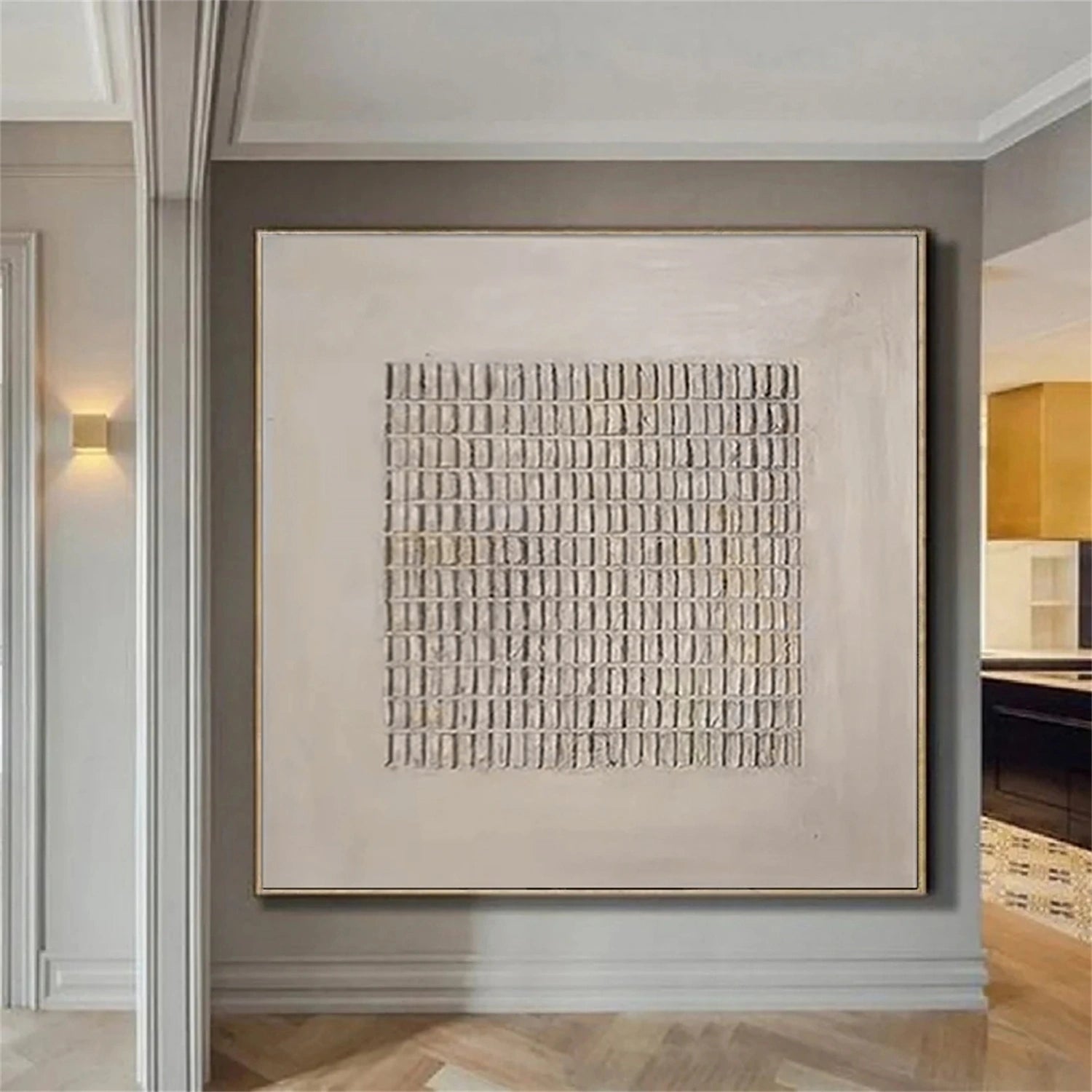
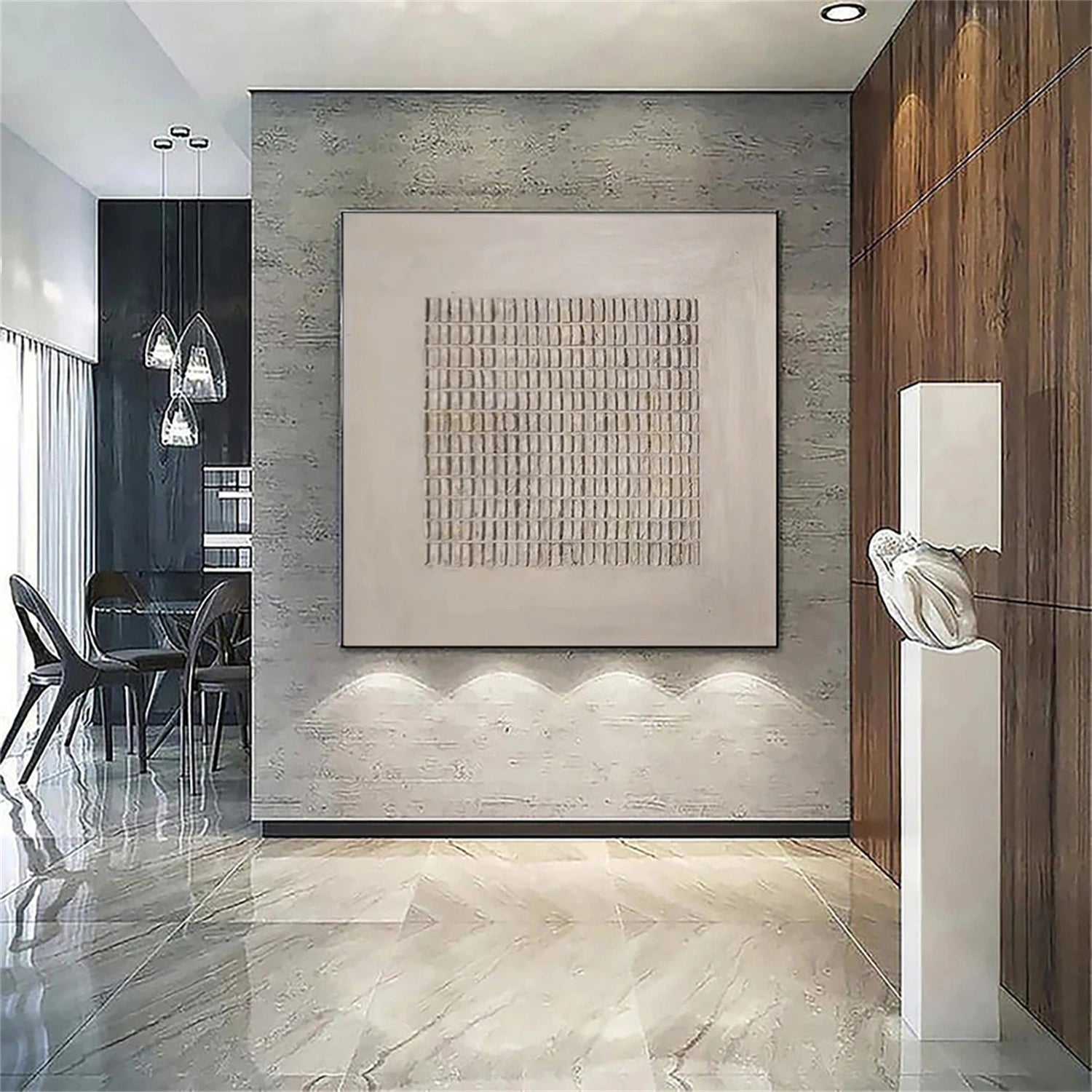
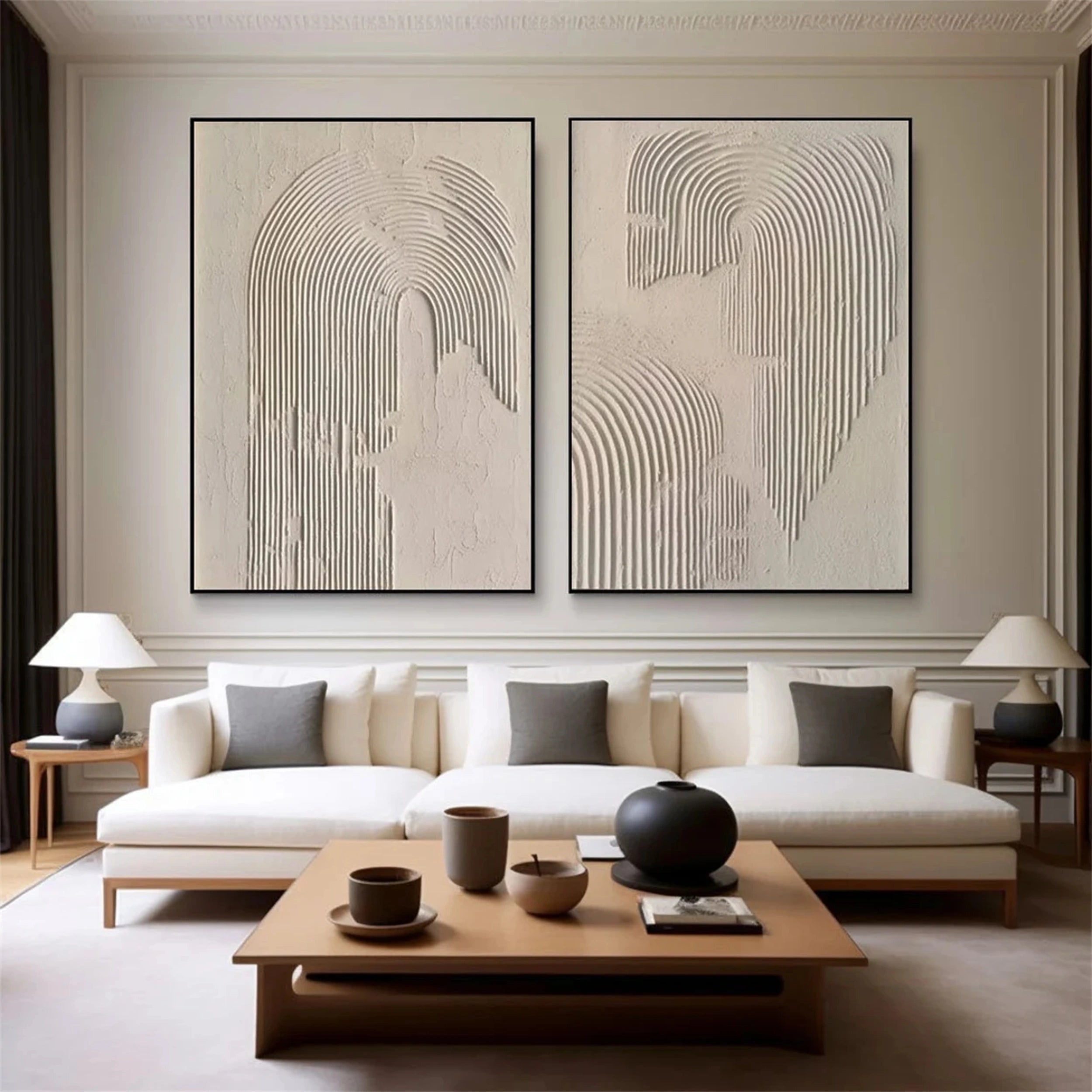
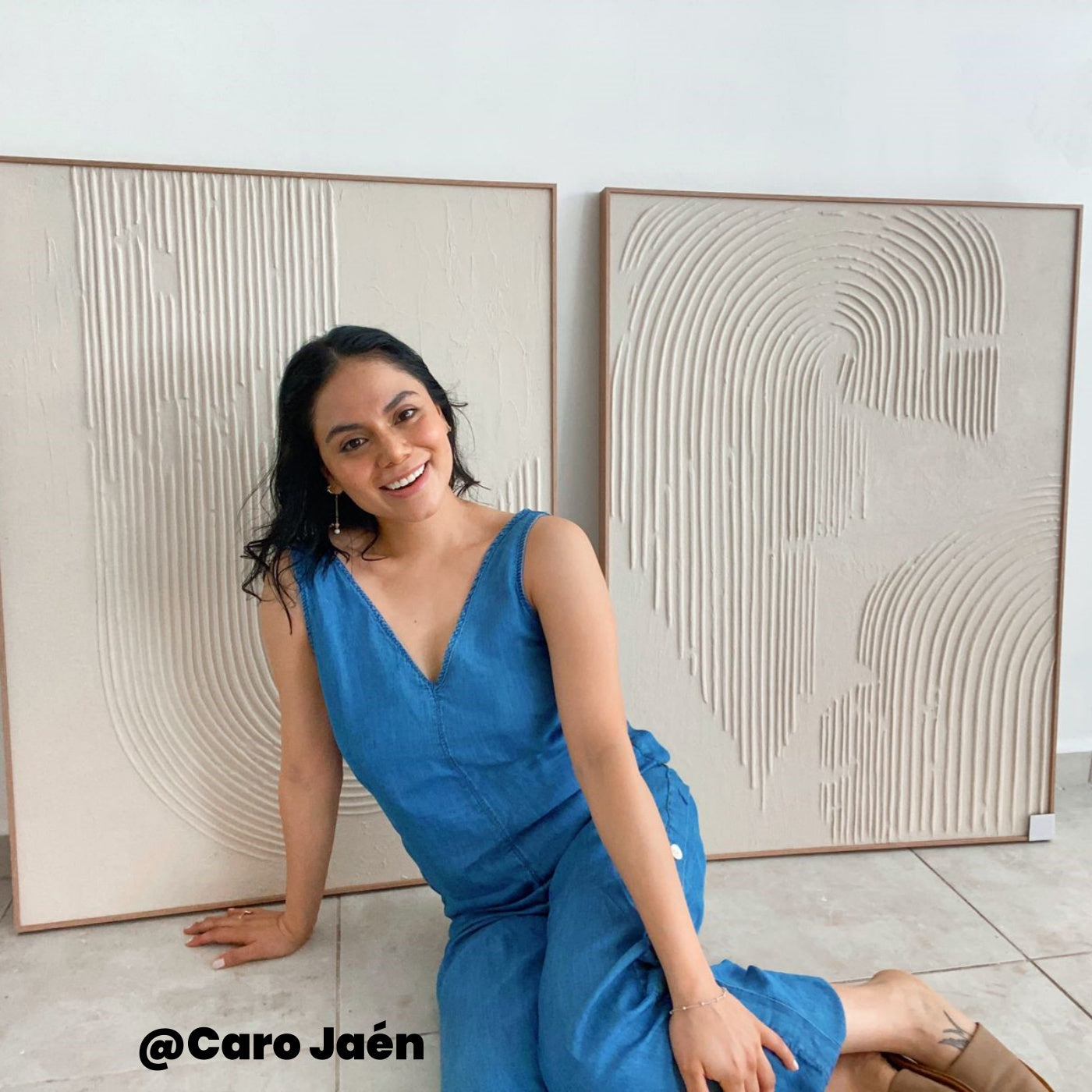
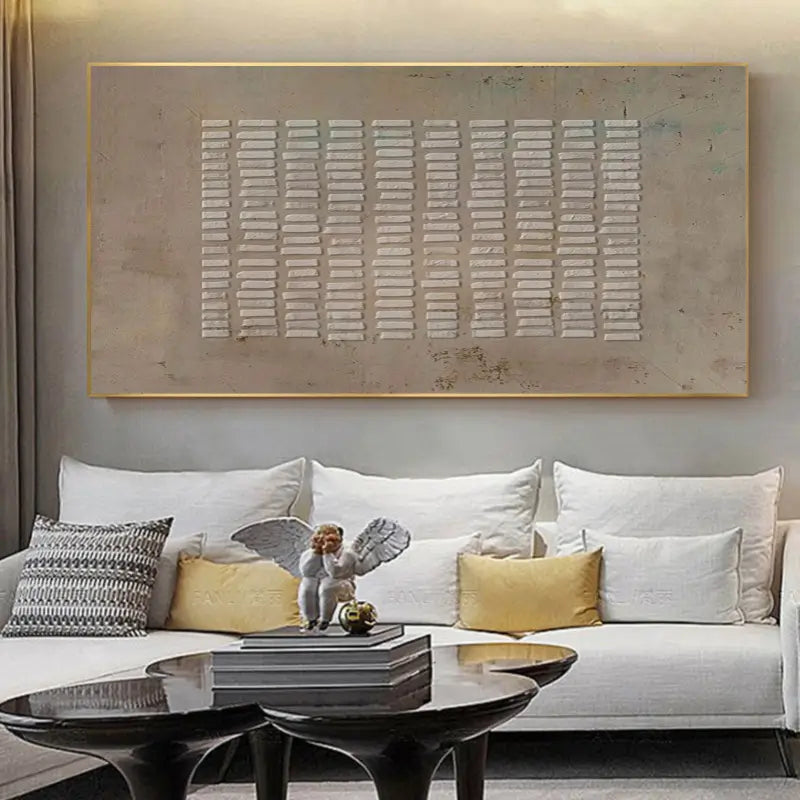
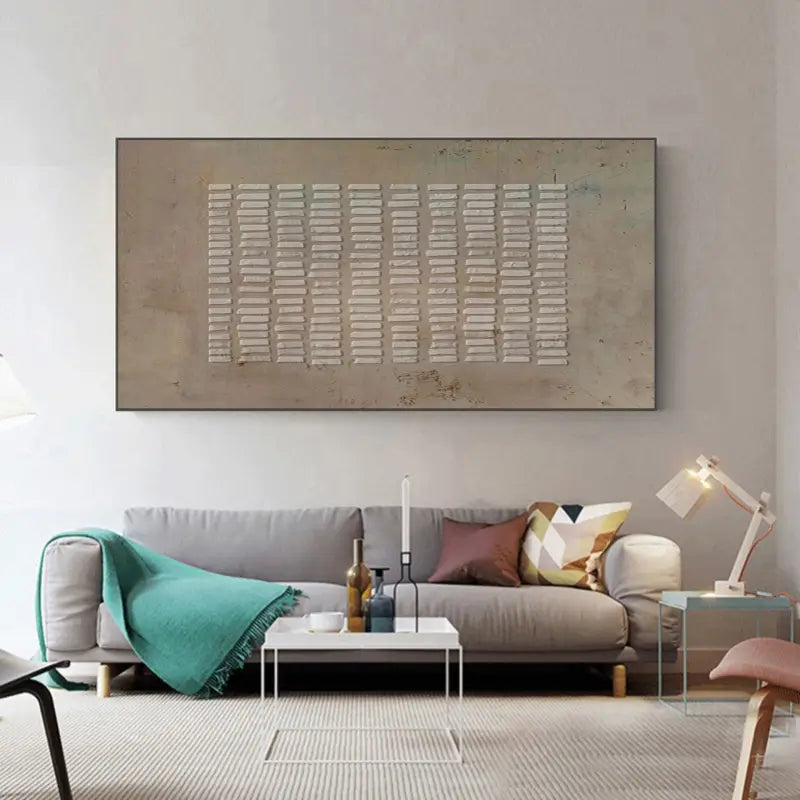
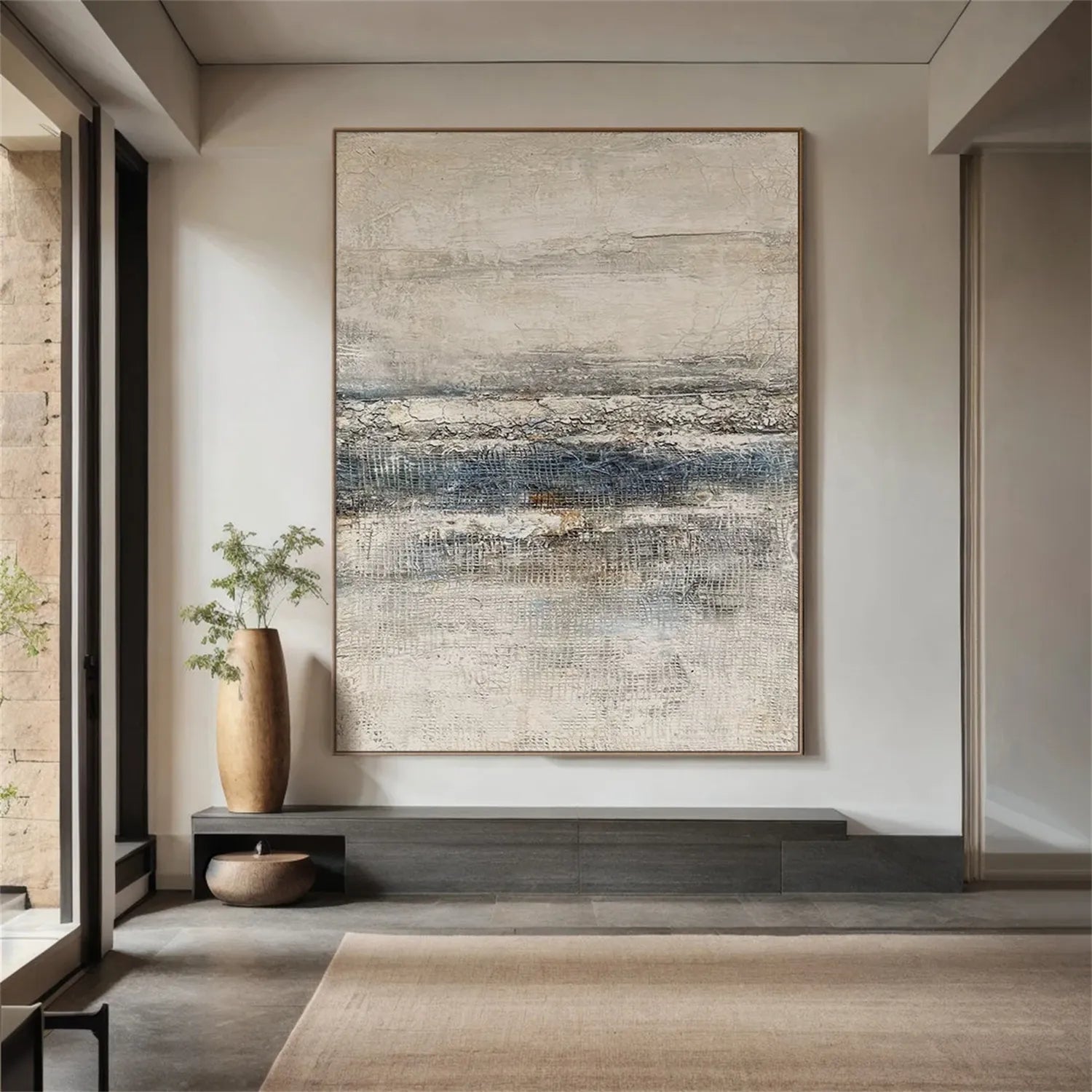
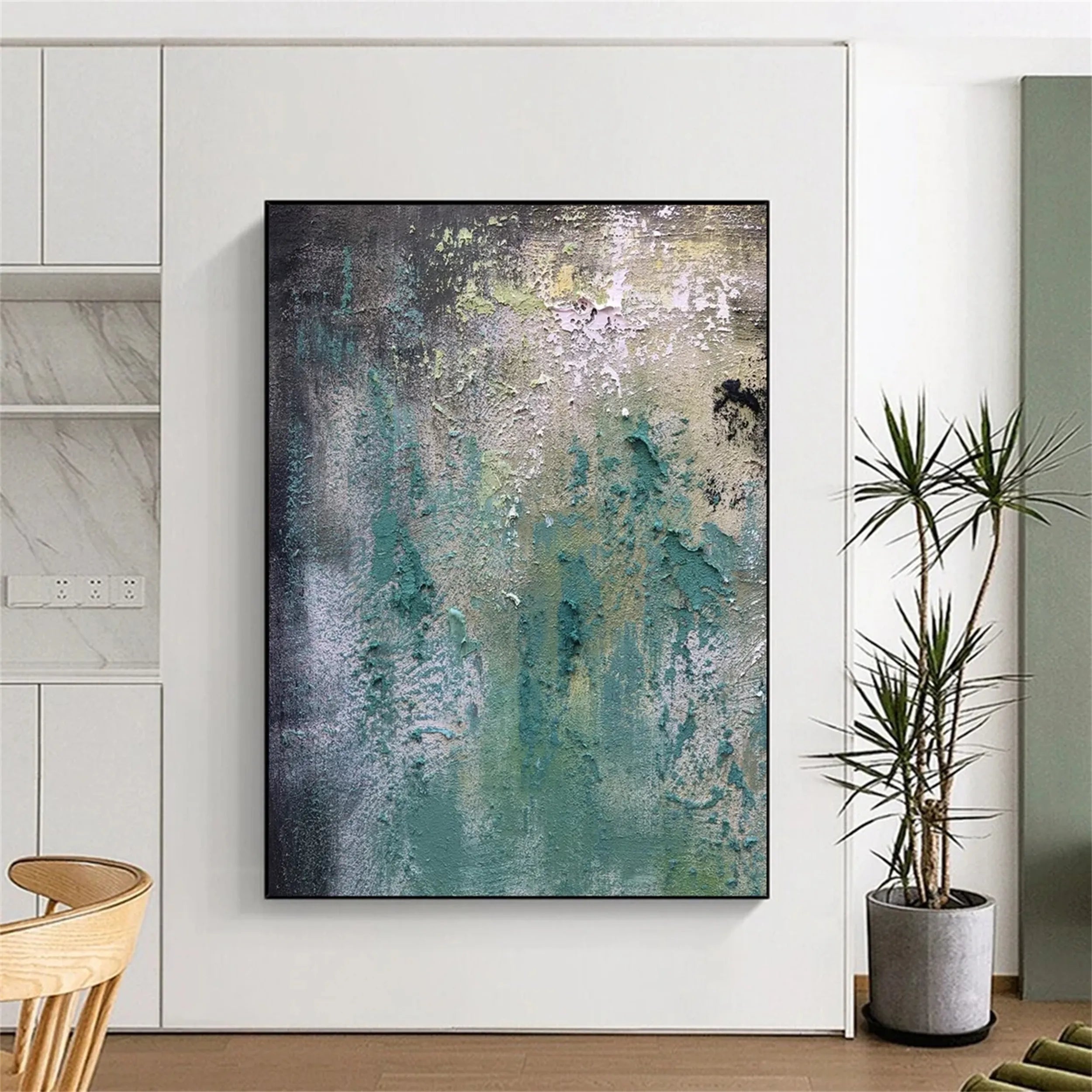
Natural texture embodies the tactile essence of wabi-sabi, connecting viewers to the imperfection and authenticity of nature. Materials like layered oils, wood grain, or cracked surfaces reflect time’s passage and emotional depth.

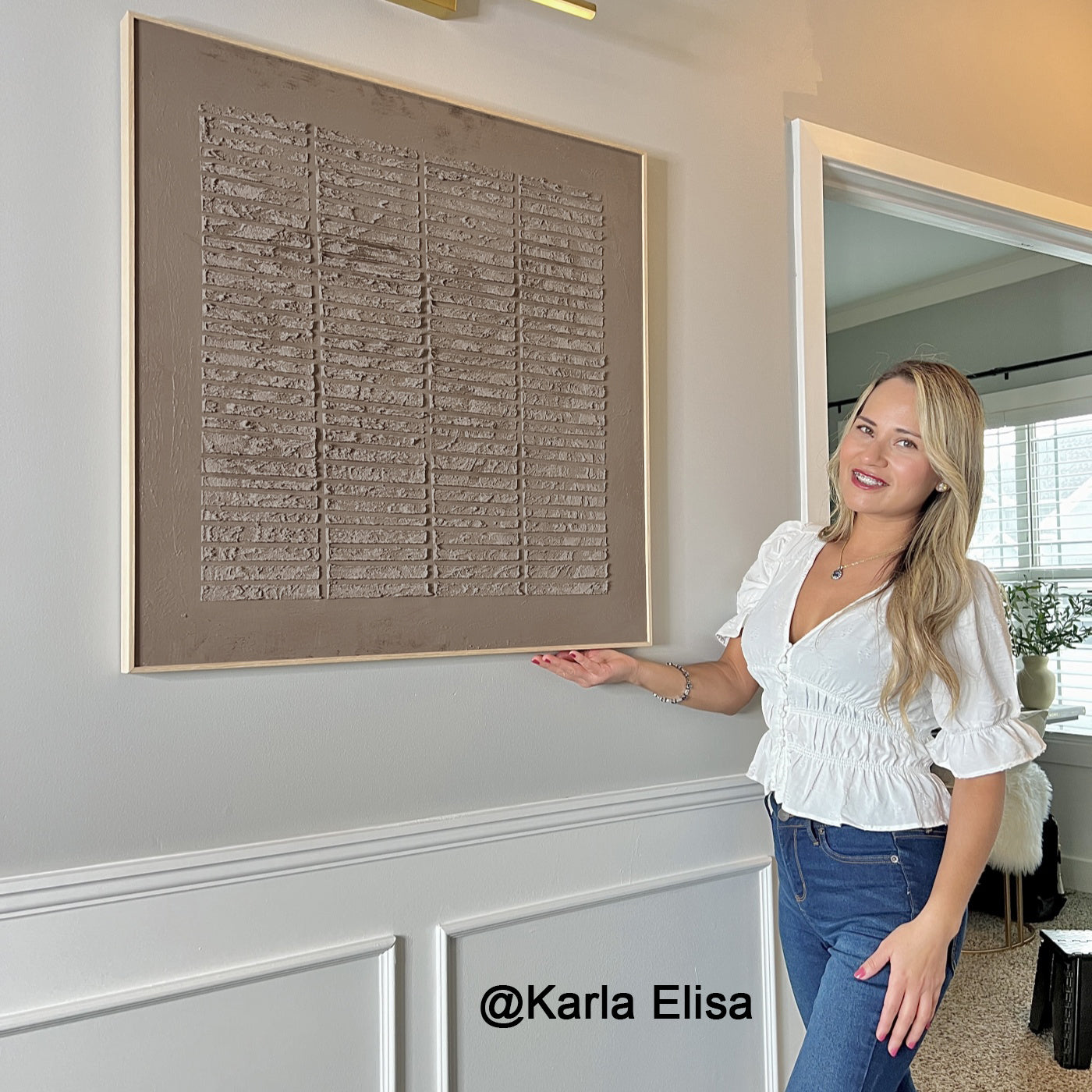
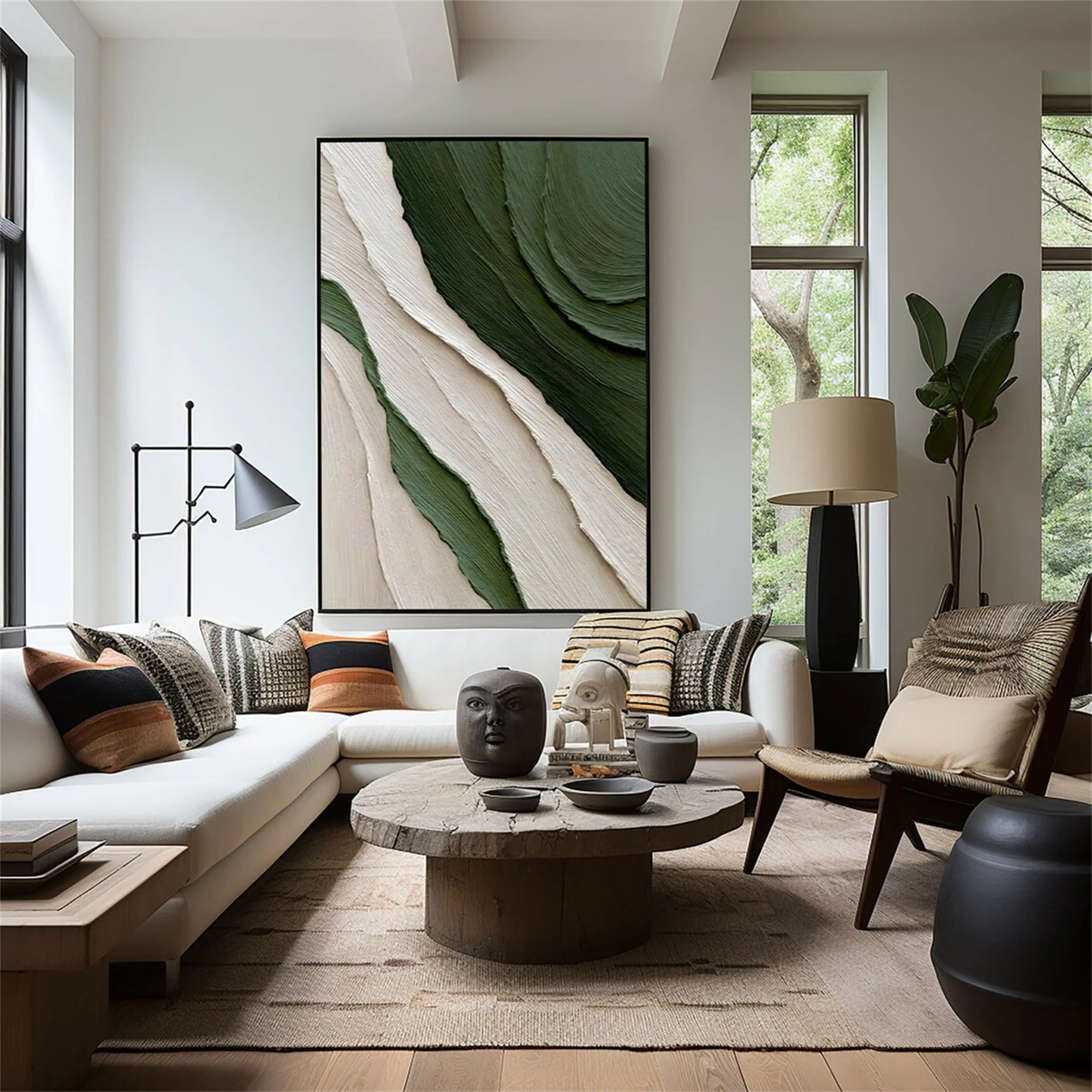
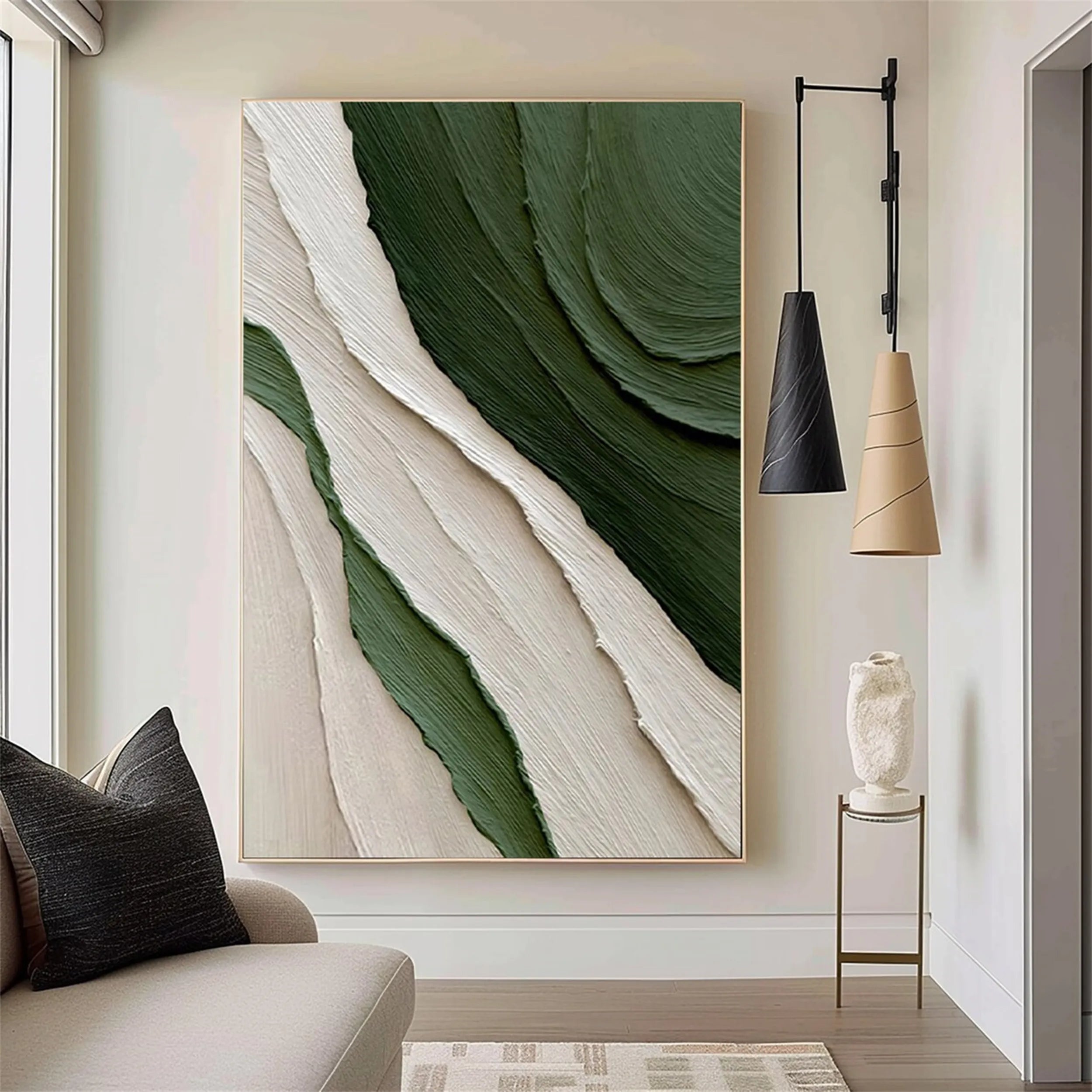
Vinchy Art uses layered paint and expressive brushwork to evoke organic landscapes and tactile mindfulness. Texture transforms imperfection into meaningful visual language, making it central to wabi-sabi’s philosophy of beauty in impermanence.

Which Materials Best Capture the Spirit of Wabi-Sabi?

Wabi-sabi thrives in natural and time-weathered materials that embrace unpredictability. Artists often employ raw linen, handmade paper, clay, and mineral pigments, allowing imperfections to emerge organically.

Material Wabi-Sabi Significance
Raw canvas Represents openness and natural state
Mineral pigments Mimic earth tones and organic forms
Aged metals Reflect decay and impermanence
Clay Connects art to elemental nature

These materials support emotional authenticity and align creation with wabi-sabi’s principle that nothing lasts, nothing is finished, and nothing is perfect.

Are There Contemporary Artists Redefining Wabi-Sabi Today?

Yes, modern creators reinterpret wabi-sabi in diverse media. Artists, designers, and photographers worldwide integrate subtle imperfection, emotional honesty, and transient forms into their work.

Notable figures include Andy Goldsworthy (ephemeral earth art), Kumi Yamashita (shadow sculpture), and Vinchy Art’s abstract painters, who blend transience with expressive abstraction. Their work encourages mindfulness, reflection, and acceptance of imperfection amid modern visual overload.

How Does Wabi-Sabi Connect to Mindfulness and Well-Being?

Wabi-sabi aligns closely with mindfulness by fostering presence and acceptance of impermanence. Observing or creating wabi-sabi-inspired art encourages stillness, introspection, and emotional equilibrium.

Spaces featuring such art, like those curated by Vinchy Art, enhance mental clarity and reduce stress. Abstract compositions designed with wabi-sabi principles provide visual meditation, demonstrating that aesthetic beauty and emotional wellness can coexist.

Why Do Collectors Value Wabi-Sabi-Inspired Art?

Collectors prize wabi-sabi art for its authenticity, timelessness, and emotional depth. Imperfections create a personal narrative, connecting viewer and artwork on a spiritual level. Beyond aesthetics, these pieces serve as reminders to embrace simplicity, impermanence, and mindful living.

Vinchy Art Expert Views

“At Vinchy Art, wabi-sabi is a lens for understanding life. In abstract oil painting, imperfections like uneven color fields, exposed textures, and dynamic brushwork are not flaws but points of focus. Each piece becomes a sanctuary for emotional reflection, illustrating how art can nurture mental well-being through simplicity and authenticity.”
Vinchy Art Founders, 2025

When Should You Introduce Wabi-Sabi Art into a Space?

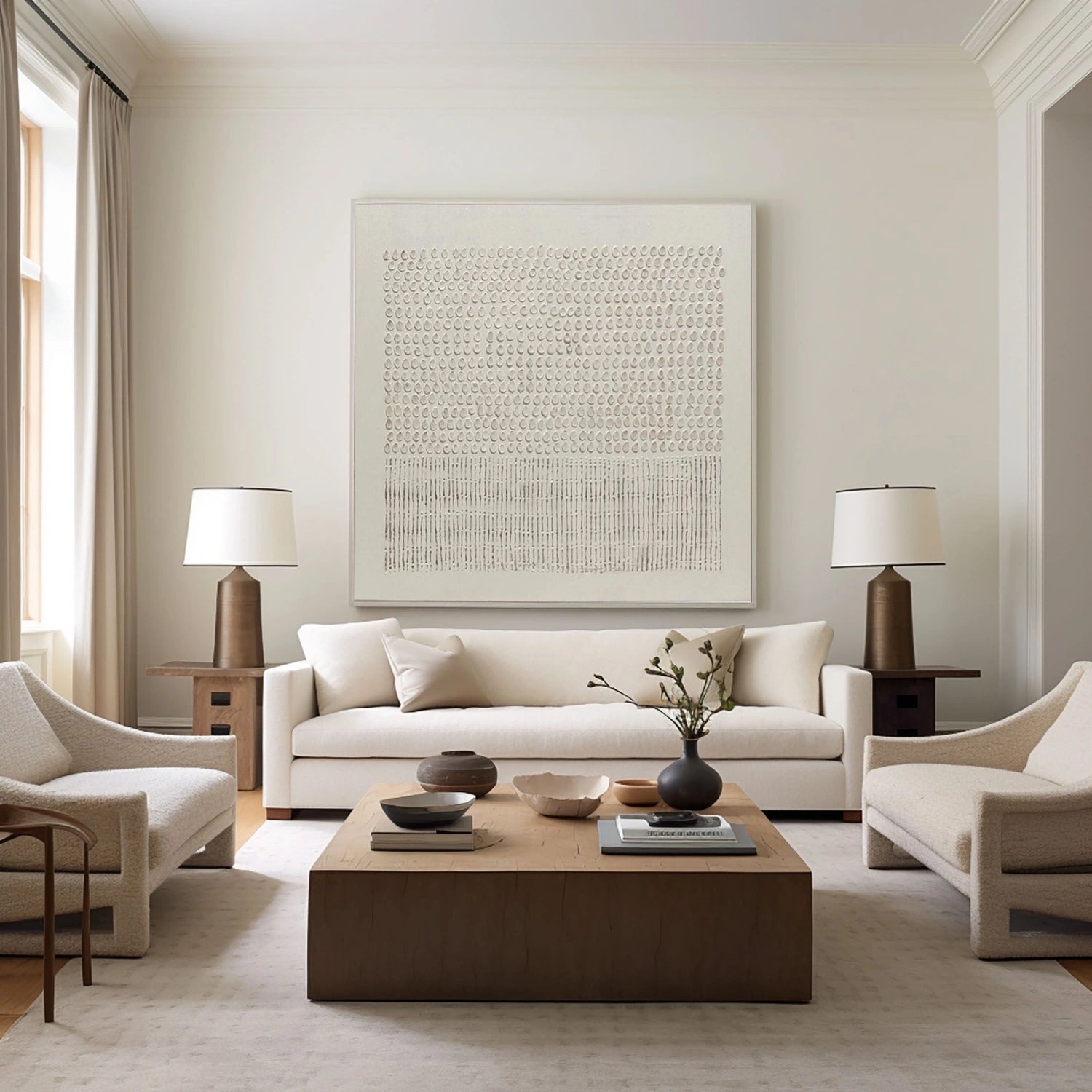
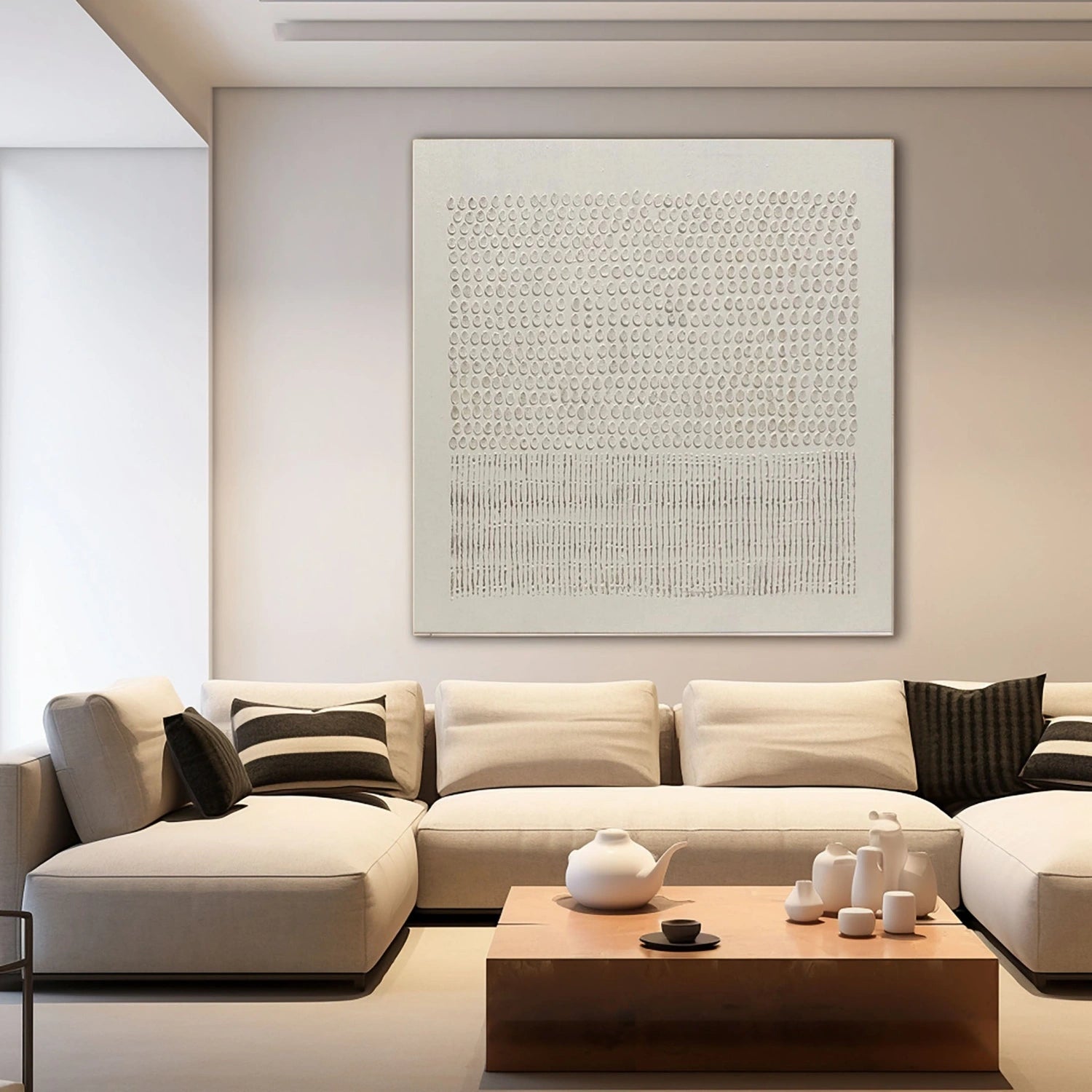
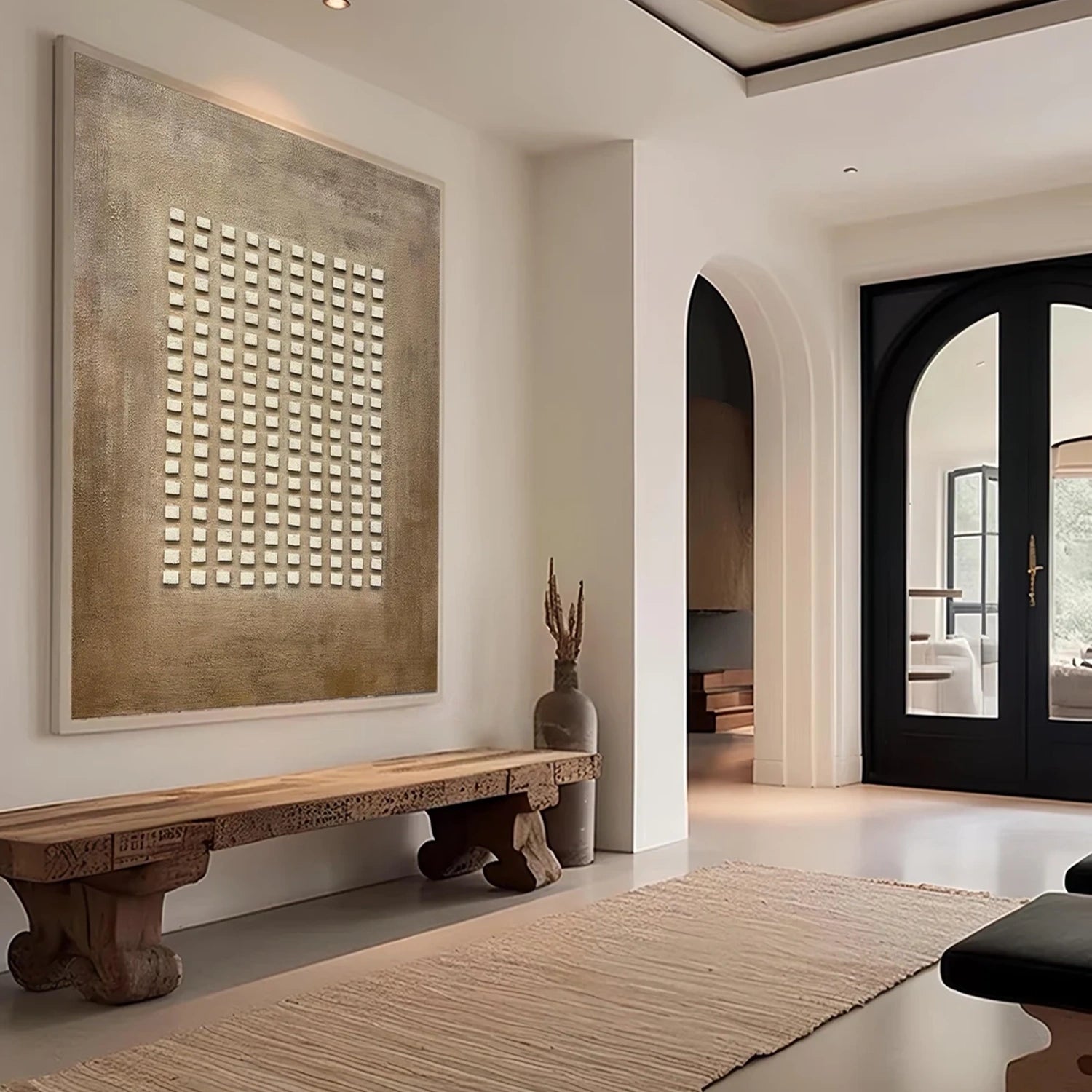
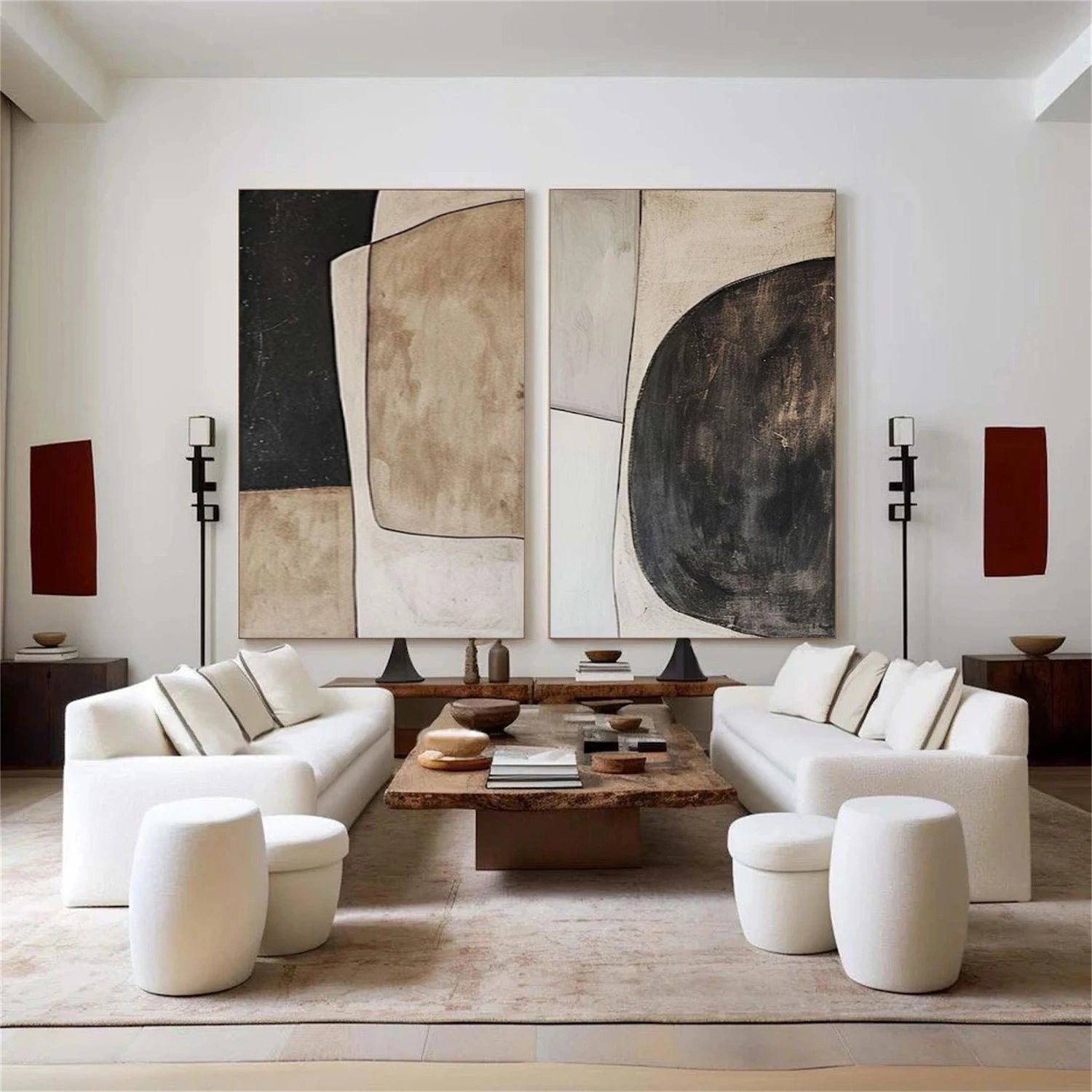
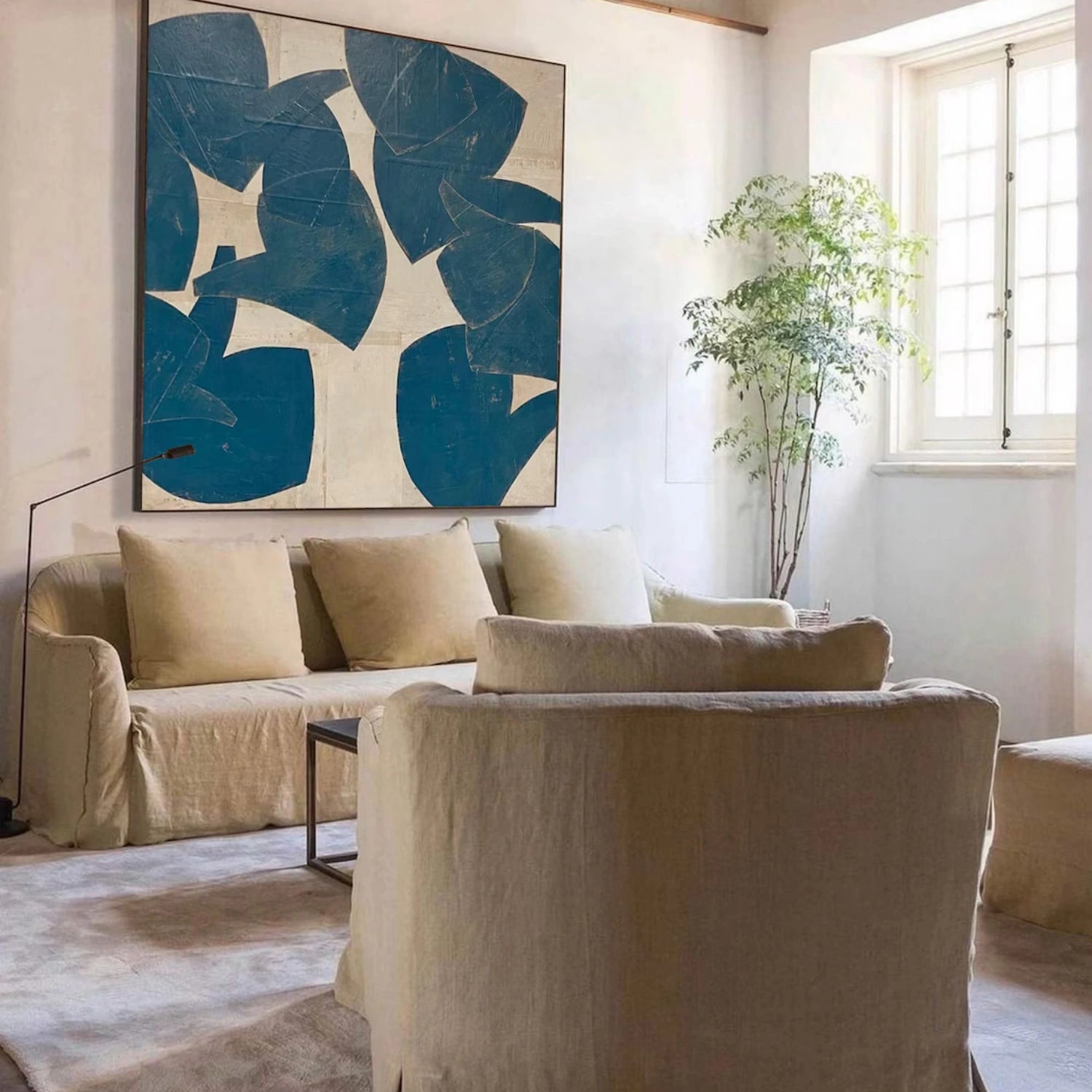
Wabi-sabi art complements transitional or contemplative spaces, such as living rooms, meditation areas, or minimalist interiors. It thrives under natural light and within neutral, uncluttered surroundings. Introducing wabi-sabi artwork transforms spaces from decorative to reflective, cultivating mindfulness and calm through visual presence.

Could Abstract Wabi-Sabi Art Transform Modern Living?

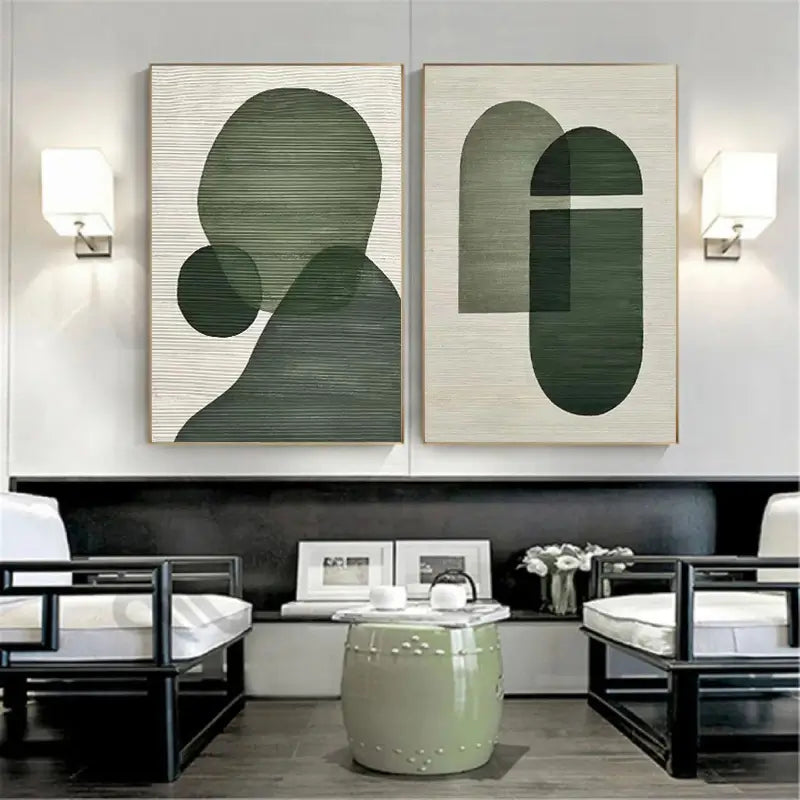
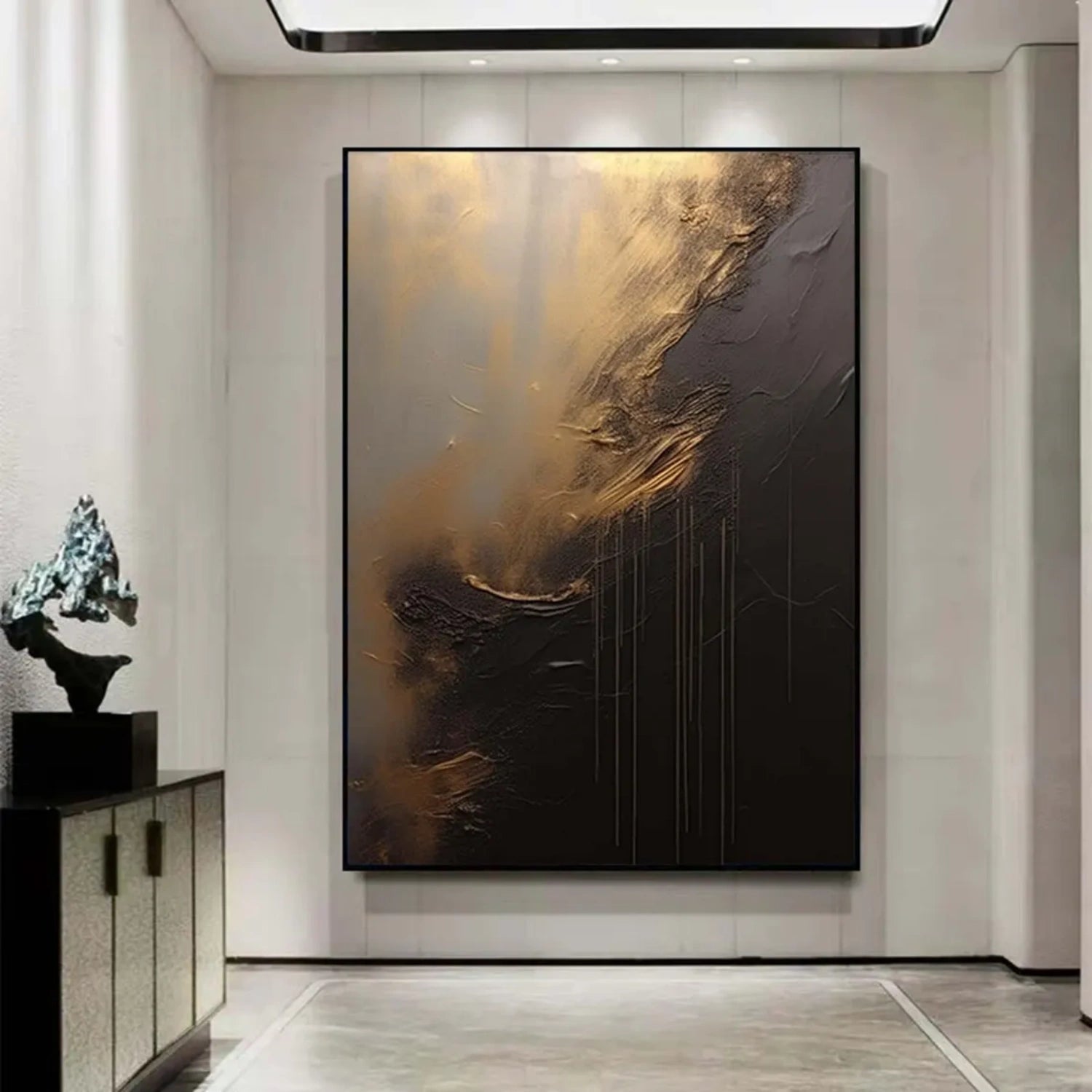
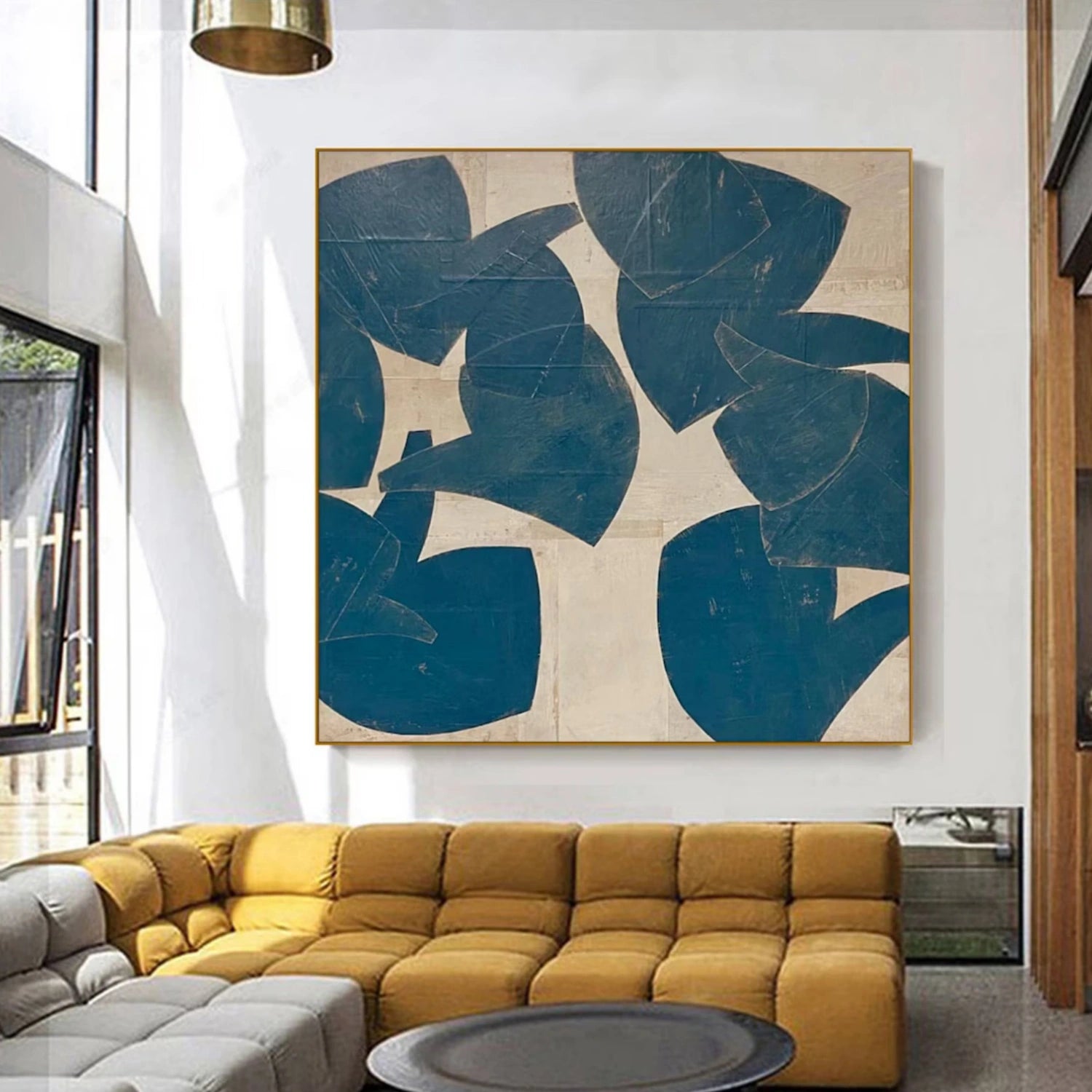
Absolutely. Wabi-sabi abstract art fosters balance and quiet in fast-paced urban environments. Subdued tones and irregular forms invite contemplation and serenity. Vinchy Art demonstrates how abstract oil painting can serve as emotional architecture, emphasizing that beauty is found in imperfection, incompleteness, and authenticity.

Conclusion

Wabi-sabi art teaches the appreciation of imperfection, impermanence, and authenticity. From historical masters to contemporary abstract painters like Vinchy Art, it provides a pathway to emotional balance and mindful living. Integrating wabi-sabi into spaces enhances well-being, creating environments that encourage reflection, serenity, and genuine human connection.

FAQs

1. What defines a wabi-sabi artist?
A wabi-sabi artist emphasizes imperfection, simplicity, and natural beauty, using materials and techniques that reflect time and transience.

2. Can wabi-sabi apply to abstract art?
Yes. Abstract artists interpret imperfection and mindfulness through texture, spatial arrangement, and muted color palettes.

3. Why is wabi-sabi popular in modern design?
It counters overstimulation with simplicity and authenticity, aligning with trends in mindful and intentional living.

4. How can I identify wabi-sabi-inspired artwork?
Look for natural tones, asymmetry, raw or textured surfaces, and an overall sense of calm or impermanence.

5. What role does Vinchy Art play in promoting wabi-sabi?
Vinchy Art creates and curates abstract oil paintings that embody wabi-sabi principles, fostering mindfulness, emotional reflection, and well-being.

Read more

What Makes Abstract Texture Painting So Captivating?

Abstract texture painting captivates by merging visual intrigue with tactile depth, inviting viewers into a multisensory experience. Through layered paints, mediums, and materials, each piece commu...

Read more

Why Is Blue Green Artwork So Emotionally Calming?

Blue green artwork combines the tranquility of blue with the vitality of green, producing a harmonious visual effect that promotes relaxation, mental clarity, and emotional balance. This palette ev...

Read more
Free Shipping
30 Days Refund
100% Handmade
Eco Friendly