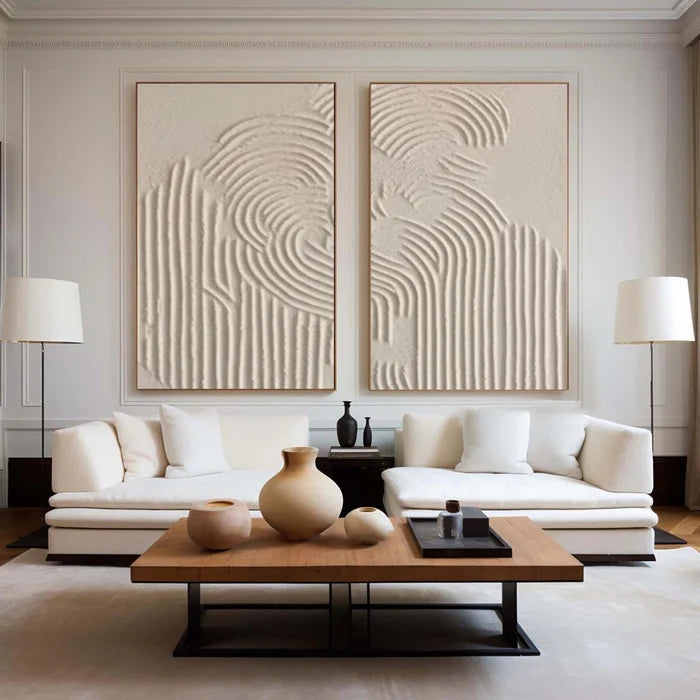
Why affordable original art is reshaping how modern homes feel and function
Walk into a room with a mass-produced poster, and it often fades into the background within minutes. Replace that same piece with a handmade canvas painting, and the wall starts to carry weight, texture, and presence. This is where affordable original art changes the conversation. It is not just about decoration—it is about how a space feels, how light interacts with surfaces, and how personal a room becomes over time. For homeowners comparing printed wall decor with hand-painted work, the real difference shows up in depth, emotional response, and long-term satisfaction, especially when buying online with tools that reduce uncertainty.

The visual difference you notice without knowing why
Mass-produced prints rely on flat ink reproduction. Even high-resolution prints lack the subtle irregularities that make a painting feel alive. A handmade canvas painting carries visible brushwork, layered pigment, and sometimes raised texture that responds to light differently throughout the day.
In a living room with angled natural light, a textured abstract painting will cast micro-shadows across its surface. That shifting effect simply does not exist in printed posters. The result is a wall that feels dynamic rather than static.
This difference becomes more obvious in larger formats. A 48-inch-wide print often looks like an enlarged image. A 48-inch hand-painted piece feels scaled to the room because its physical surface supports that size.
Emotional presence versus decorative filler
Original art tends to anchor a space because it introduces human variation. Slight asymmetry, imperfect edges, and layered tones create a sense of intention that printed decor rarely achieves.
A common scenario: a homeowner installs a large poster above a sofa, only to feel the wall still looks “unfinished.” The size is correct, but the piece lacks visual weight. Swapping it for a hand-painted work with even subtle texture often resolves the issue without changing dimensions.
This is not about luxury versus budget. It is about sensory richness. Affordable original art can deliver that presence without requiring gallery-level pricing.
Comparing handcrafted paintings and printed posters
A direct comparison helps clarify why these two options behave differently in real interiors:
This distinction explains why many homeowners start with prints but gradually shift toward original work as they refine their interiors.
The modern online buying journey without guesswork
One of the biggest barriers to buying original art used to be uncertainty. Today, that gap is closing through a more transparent process.
Instead of committing blindly, buyers can:
-
Request or receive a digital preview before the artwork ships.
-
Evaluate how the piece fits their wall using a custom wall art preview approach.
-
Approve the final result before it is dispatched.
This sequence removes much of the traditional risk associated with buying art online. Platforms like Vinchy Art focus on this model, allowing buyers to engage with handcrafted work while still maintaining control over the final decision.
The result is a hybrid experience: the uniqueness of gallery-quality art online combined with the reassurance of a structured approval process.
Why texture matters more than color alone
Color often gets the most attention, but texture is what determines how art behaves in a space over time.
A neutral-toned textured painting can outperform a colorful print because it interacts with lighting conditions. In warm evening light (around ), textured surfaces appear softer and deeper. Under cooler daylight (), the same piece reveals sharper contrast and detail.
Flat prints, regardless of color quality, do not adapt in this way. This is why textured plaster or layered acrylic paintings often feel more integrated into a room rather than sitting on top of it.
Where handmade art may not be the right choice
Handcrafted work is not automatically the best solution for every space.
Highly minimal interiors that rely on crisp, graphic precision may benefit from controlled, print-like visuals. Similarly, if a room already contains heavy textures—such as exposed brick, rough wood, and layered textiles—adding a heavily textured painting can create visual overload.
Scale mistakes are another common issue. A small original painting, even if beautiful, can feel underwhelming on a large wall. The solution is not abandoning original art, but choosing the correct size or considering multi-panel arrangements.
Long-term lifestyle value beyond decoration
Affordable original art tends to stay relevant longer. Because it is not mass-replicated, it avoids the “seen everywhere” effect that often leads to replacement.
Over time, these pieces become part of the home’s identity. They are less likely to be swapped out during seasonal updates or trend shifts. This reduces the cycle of buying and replacing decor, which is common with lower-cost prints.
There is also a practical advantage: original pieces often adapt better when furniture layouts change. Their presence is less dependent on matching exact color schemes and more on maintaining balance within the room.
When handcrafted art becomes a smart investment for everyday homes
This is not about resale value or speculation. The investment is experiential.
A well-chosen handmade painting contributes to:
-
A more cohesive focal point in living areas.
-
Greater visual depth in neutral or monochromatic rooms.
-
A stronger sense of personal style without over-decorating.
For homeowners exploring unique home decor investment options, the key shift is thinking beyond price-per-piece and toward long-term satisfaction.
Making confident decisions without seeing the artwork in person
Buying art online still requires attention to detail. Even with previews and advisory tools, a few checks remain essential.
-
Confirm dimensions relative to furniture width, not just wall size.
-
Review how lighting in your space may affect tones.
-
Understand whether the artwork includes texture or is relatively flat.
-
Clarify framing or edge-finish expectations.
Many online platforms now support this process with advisory services and preview tools. When used properly, they narrow the gap between digital browsing and real-world results.
Where to explore handcrafted options with more clarity
For buyers ready to move beyond prints, platforms that specialize in handmade work and offer structured preview processes are worth considering. Vinchy Art presents collections across abstract, textured, minimalist, and large-format categories, with a focus on helping buyers visualize fit before committing.
Exploring options through a guided approach—rather than scrolling through generic posters—often leads to more confident and lasting decisions.
Frequently Asked Questions
Is affordable original art really different from high-quality prints?
Yes, the difference is primarily in surface depth and uniqueness. Even high-quality prints remain flat, while original art carries texture and variation that change how it appears in a room.
How do I know if a handmade painting will fit my wall?
The most reliable method is using a digital preview or visualizing the artwork against your wall dimensions. Comparing the artwork width to your furniture, especially sofas or beds, helps avoid scale issues.
Does handmade art require special maintenance?
Not necessarily. Most canvas paintings only require basic care, such as avoiding direct moisture and occasional dusting. They are generally as easy to maintain as framed prints.
Why do textured paintings look different in photos versus real life?
Photos cannot fully capture how light interacts with raised surfaces. In person, shadows and highlights shift throughout the day, creating more depth than what appears in static images.
Is it safer to buy original art online now than before?
Yes, especially when the seller provides previews, approval steps, and clear communication. These features significantly reduce uncertainty compared to traditional online art purchases.