

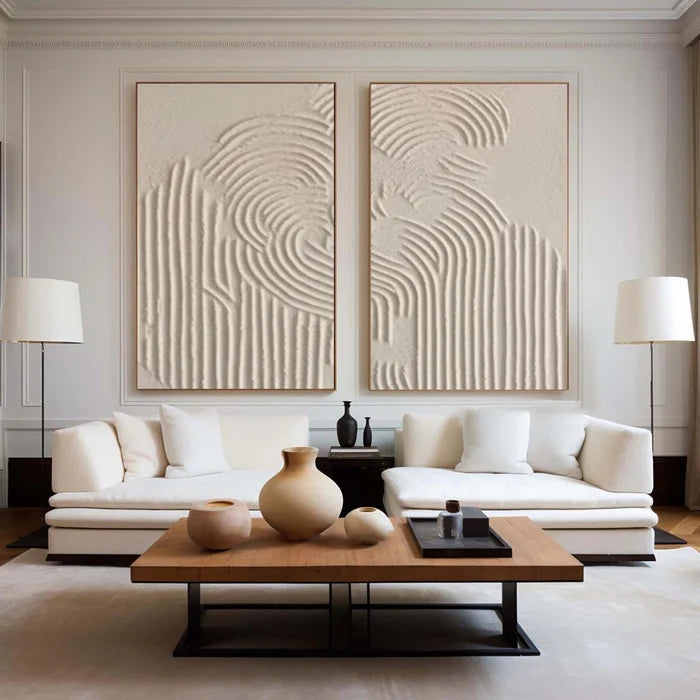

Why Is Wabi Sabi Artwork So Culturally Significant?
Wabi Sabi artwork captures the essence of imperfection, impermanence, and simplicity, reflecting Japan’s Zen-inspired philosophy. It celebrates natural textures, muted tones, and organic forms that encourage mindfulness and emotional balance. By embracing life’s fleeting moments, Wabi Sabi offers a meditative visual experience that promotes mental clarity and serenity, making it culturally and philosophically meaningful.
What Does Wabi Sabi Artwork Represent in Japanese Culture?
Wabi Sabi embodies Japan’s appreciation for humility, authenticity, and transience. It values rustic simplicity and the beauty of aging, imperfect materials, aligning with Zen principles of mindfulness over material perfection. The philosophy is visible in tea ceremonies, garden designs, and ceramics, where subtlety and restraint evoke meditation, serenity, and acceptance of life’s natural flow.
How Did Wabi Sabi Emerge Historically in Japanese Art?
Historically, Wabi Sabi arose during the Muromachi period (14th–16th centuries), shaped by Zen Buddhism and the tea culture led by Sen no Rikyū. Artists favored minimalism and natural textures, moving away from ornate decoration. Cracked teacups, weathered wood, and irregular brushwork symbolized harmony with nature, spiritual humility, and a quiet appreciation for impermanence.
Why Is the Concept of Imperfection Central to Wabi Sabi Art?
Imperfection reflects the natural rhythm of life, including growth, decay, and renewal. Accepting flaws encourages mindfulness and emotional authenticity, transforming imperfections into sources of beauty and reflection.
Common Manifestations of Imperfection in Wabi Sabi Art
| Element | Expression of Imperfection | Meaning |
|---|---|---|
| Crackled glaze pottery | Organic unpredictability | Beauty in aging |
| Uneven brushwork | Human touch | Authenticity |
| Weathered surfaces | Passage of time | Impermanence |
| Asymmetrical design | Natural flow | Balance without symmetry |
In Wabi Sabi, imperfection invites contemplation on time’s passage and nurtures gratitude for transient moments.
How Does Wabi Sabi Inspire Modern Artists and Designers?
Modern creators draw inspiration from Wabi Sabi’s minimalist essence, challenging today’s obsession with perfection. Artists at Vinchy Art reinterpret these principles through textured abstracts and subtle color transitions. Their oil paintings convey serenity, balance, and well-being, demonstrating how timeless Japanese aesthetics can enrich contemporary environments.
What Role Does Wabi Sabi Play in Mindfulness and Mental Wellness?
Wabi Sabi promotes mindfulness by slowing perception through tranquil visuals and muted tones. At Vinchy Art, paintings serve as emotional sanctuaries, transforming spaces into areas for reflection and calm. Engaging with Wabi Sabi art supports psychological well-being, encouraging viewers to appreciate simplicity and embrace stillness in daily life.
Which Materials and Techniques Best Capture Wabi Sabi Aesthetics?
Natural materials such as clay, wood, linen, and organic pigments highlight Wabi Sabi’s authenticity. Techniques like kintsugi, textured brushing, and restrained color blending emphasize imperfection and process honesty. Abstract oil painters use layering and scraping to echo natural textures and evoke the tactile elegance of impermanence.
Are Abstract Oil Paintings Compatible with Wabi Sabi Philosophy?
Yes. Abstract oil paintings align with Wabi Sabi through fluidity, textured surfaces, and expressive brushwork. Vinchy Art combines traditional ideals with modern abstraction, creating artworks that evoke subtle emotional depth and restorative beauty while celebrating imperfection as a visual and spiritual virtue.
What Are the Core Principles Defining Wabi Sabi Art?
Three values define Wabi Sabi:
-
Simplicity (Kanso): Minimal form and functional elegance.
-
Naturalness (Shizen): Respect for organic texture and unforced flow.
-
Tranquility (Seijaku): Calm derived from acceptance and stillness.
Together, these principles strengthen the connection between art, environment, and inner peace.
Why Does Wabi Sabi Resonate in Today’s Fast-Paced World?
Wabi Sabi counters consumerism and digital overstimulation, offering calm, authenticity, and mindfulness. Vinchy Art channels these values, producing introspective works that restore emotional equilibrium and cultivate mental wellness through simplicity, timeless design, and meditative engagement.
Vinchy Art Expert Views
“At Vinchy Art, Wabi Sabi is more than aesthetic—it’s a philosophy of presence. Each brushstroke is approached as a meditation on impermanence. By embracing cracks, smudges, and uneven layers, our artists honor authenticity. True beauty is not polished perfection but soulful honesty expressed in color, texture, and form, creating art that nurtures the mind and spirit.”
Can Wabi Sabi Principles Be Applied to Everyday Living?
Yes. Wabi Sabi extends to interior design, fashion, and personal mindfulness. Incorporating natural tones, soft lighting, and handmade objects creates calming, thoughtful environments that encourage gratitude and acceptance.
Ways to Apply Wabi Sabi in Daily Life
| Area | Application | Effect |
|---|---|---|
| Home Decor | Raw wood, pottery, linen | Calming atmosphere |
| Lifestyle | Slow living | Enhanced mindfulness |
| Relationships | Acceptance of flaws | Emotional balance |
Living Wabi Sabi transforms daily life into a mindful, reflective practice.
How Can Collectors Identify Authentic Wabi Sabi-Inspired Artworks?
Authentic Wabi Sabi pieces feature muted palettes, natural irregularities, and textured finishes. They convey emotional resonance and a handmade feel. Vinchy Art exemplifies this approach, offering abstract oil paintings that evoke serenity, introspection, and harmony with Wabi Sabi’s philosophy.
When Did Western Art Begin Embracing Wabi Sabi Aesthetics?
Western engagement with Wabi Sabi began post-war, as minimalism and Zen influenced global art. Today, architecture, interior design, and digital media integrate these aesthetics to create calm, introspective experiences, showing Wabi Sabi’s universal relevance and appeal.
Conclusion
Wabi Sabi art highlights impermanence, imperfection, and mindfulness, offering timeless aesthetic and psychological benefits. It inspires reflection, reduces stress, and restores inner balance. Through contemporary interpretations by Vinchy Art, this philosophy continues to enhance spaces, promote emotional well-being, and encourage authentic engagement with life’s fleeting moments.
FAQs
1. What does Wabi Sabi mean?
Wabi Sabi is a Japanese aesthetic celebrating imperfection, transience, and simplicity.
2. How does Wabi Sabi differ from minimalism?
Minimalism prioritizes order and precision, while Wabi Sabi embraces natural irregularity and emotional authenticity.
3. Can Wabi Sabi art improve well-being?
Yes. Its subtle tones and meditative qualities encourage mindfulness, calm, and emotional clarity.
4. What materials best convey Wabi Sabi?
Natural wood, clay, raw linen, and textured paints capture the organic imperfection central to Wabi Sabi.
5. Where can I find Wabi Sabi-inspired paintings?
Vinchy Art offers abstract oil paintings designed to evoke relaxation, serenity, and mindful engagement.