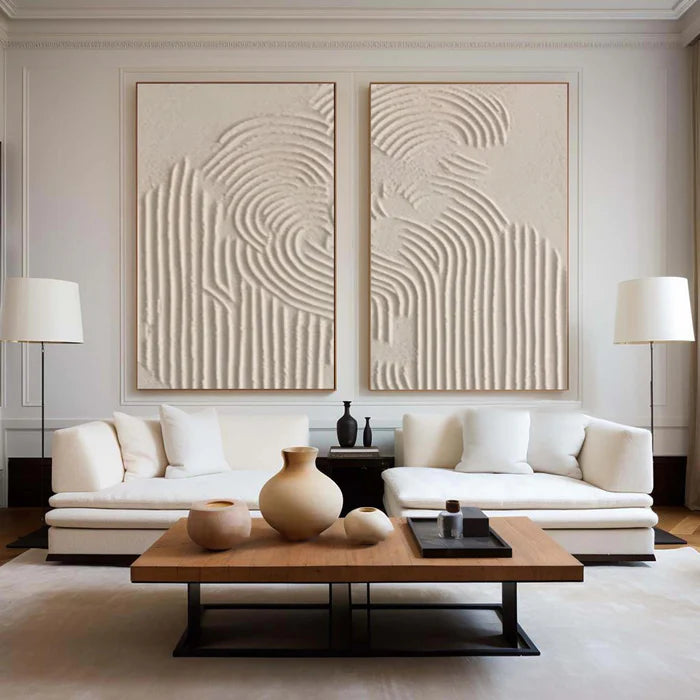
Birch Tree Artwork: How to Choose, Size, and Style Birch Forest Wall Art
TL;DR
- Birch tree artwork brings natural texture, pale tree trunks, and architectural rhythm into contemporary interiors.
- For an 84-inch sofa, artwork approximately 50–63 inches wide is a useful starting point.
- Neutral birch forests suit Scandinavian, Japandi, minimalist, and modern farmhouse interiors.
- Textured canvas paintings introduce physical depth, while printed canvas offers consistent reproduction of an existing image.
- Vertical forest compositions suit narrow walls; horizontal paintings work above sofas, beds, and sideboards.
- Explore Vinchy Art Flower & Tree Art and Landscape Art for nature-inspired wall decor.
Introduction: Why Birch Tree Artwork Works in Modern Homes
Birch tree artwork has an enduring place in interior design because of its ability to combine nature with visual simplicity. Slender white trunks, contrasting bark markings, soft foliage, and atmospheric forest backgrounds create compositions that feel organic without overwhelming a room.
Unlike densely detailed landscape paintings, birch forest artwork often relies on repeated vertical forms and areas of negative space. These characteristics make birch imagery especially compatible with contemporary furniture, Scandinavian interiors, minimalist apartments, and transitional living rooms.
A misty birch forest painted in cream, gray, sage, and muted blue can provide a gentle focal point above a neutral sofa. An autumn birch painting featuring ochre, burnt orange, and golden brown can introduce warmth to a room furnished with walnut wood and natural textiles.
However, selecting the right painting involves more than choosing an appealing image. Artwork dimensions, canvas materials, texture, frame construction, color balance, and furniture proportions all influence the final presentation.
This guide explains how to compare different types of birch tree artwork, select suitable dimensions, evaluate online listings, and coordinate forest-inspired wall art with modern interiors.

Nature-inspired artwork from Vinchy Art demonstrates how tree and botanical compositions can complement contemporary interiors. Individual product subjects should be checked before identifying them as birch trees.
What Is Birch Tree Artwork?
Birch tree artwork depicts or interprets trees belonging to the genus Betula. Birch trees are recognizable in many landscapes by their pale bark, contrasting dark markings, slender trunks, and delicate branching structure. Different species and tree ages produce different bark appearances, so pale bark alone is not sufficient for identification.
In decorative art, birch trees are especially effective because their vertical forms create a natural rhythm. The trunks can operate almost like architectural columns, while foliage and forest backgrounds soften the overall composition.
Realistic Birch Forest Paintings
Realistic birch paintings emphasize recognizable tree anatomy, forest depth, ground cover, natural light, and seasonal colors. These paintings work particularly well in traditional living rooms, mountain homes, and interiors that use wood furniture, wool textiles, and natural stone.
Abstract Birch Tree Artwork
Abstract birch artwork simplifies tree trunks into vertical lines, broad brushstrokes, or layered geometric forms. A painting may feature ivory columns against blocks of slate gray, olive green, or ochre without depicting individual leaves in detail.
Abstract forest paintings are often easier to coordinate with modern furniture because they emphasize color relationships and compositional balance instead of photographic realism.
Birch Trees Versus Aspen Trees
Birch and aspen are different tree groups. Birch belongs to Betula, while aspen belongs to Populus. Both can display pale trunks and dark bark markings, making them visually similar in some paintings.
Shoppers looking for a botanically specific birch composition should examine the product description and artwork details. For general forest decor, white-bark woodland paintings may provide a similar visual effect even when the artist has depicted a different tree species.
Why Explore Vinchy Art for Nature-Inspired Wall Art?
Vinchy Art is a useful starting point for buyers interested in expressive botanical paintings, textured landscapes, and contemporary nature-themed wall art. The store offers multiple artistic directions that can complement a birch forest decorating scheme.
The Vinchy Art Flower & Tree Collection features botanical subjects and tree-inspired artwork. Shoppers interested in broader scenery can explore the Landscape Art Collection for paintings inspired by outdoor environments.
For understated interiors, minimalist wall art can work alongside a birch-themed focal piece. Rooms that need more physical surface interest may benefit from browsing the textured art collection.

When comparing Vinchy Art paintings, evaluate the actual subject, orientation, dimensions, frame choices, and surface finish. Botanical artwork can coordinate with birch forest decor without depicting birch trees specifically.
A large vertical botanical composition may suit a hallway or reading corner, while a horizontal landscape may work more effectively above a sofa. A neutral relief painting can also complement a separate birch artwork by repeating its pale color palette and organic textures.
For buyers interested in customization, review the options shown on the individual product page, including available sizes and framing configurations. Confirm the current product details and fulfillment terms before ordering.
Explore Nature-Inspired Artwork
Find botanical paintings and landscape compositions that complement Scandinavian, Japandi, and natural modern interiors.
Seven Birch Tree Artwork Styles to Consider
1. Misty Scandinavian Birch Forest
Misty forest paintings use soft edges, light backgrounds, and restrained palettes. White trunks against pale gray, muted blue, and sage green create an understated look suitable for Scandinavian apartments and contemporary bedrooms.
These paintings work especially well with light oak furniture, cream upholstery, linen curtains, and matte ceramic accessories. A horizontal piece above a sofa can add depth while keeping the room visually quiet.
2. Autumn Birch Tree Paintings
Autumn birch compositions use ochre, rust, amber, burnt sienna, and warm brown to represent seasonal changes. Their color intensity creates stronger contrast than a misty winter forest.
Autumn paintings pair naturally with walnut furniture, leather seating, terracotta accents, and warm neutral walls. In minimalist rooms, one large autumn canvas can introduce color without requiring multiple decorative accessories.
3. Black-and-White Birch Artwork
Black-and-white tree art emphasizes silhouette, bark markings, repetition, and negative space. Monochrome compositions suit black metal furniture, contemporary lighting, and interiors built around ivory, charcoal, and gray.
For a restrained gallery effect, choose a narrow dark frame. A lighter wood frame will make the same artwork appear warmer and more Scandinavian.
4. Textured Birch Tree Paintings
Textured paintings use physical paint buildup, palette-knife marks, or relief materials to create dimensional surfaces. Raised tree trunks can produce changing shadows as natural or artificial light moves across the artwork.
Before buying, verify whether the texture is physically present. A print reproducing a photograph of an impasto painting may look dimensional but remain flat to the touch.
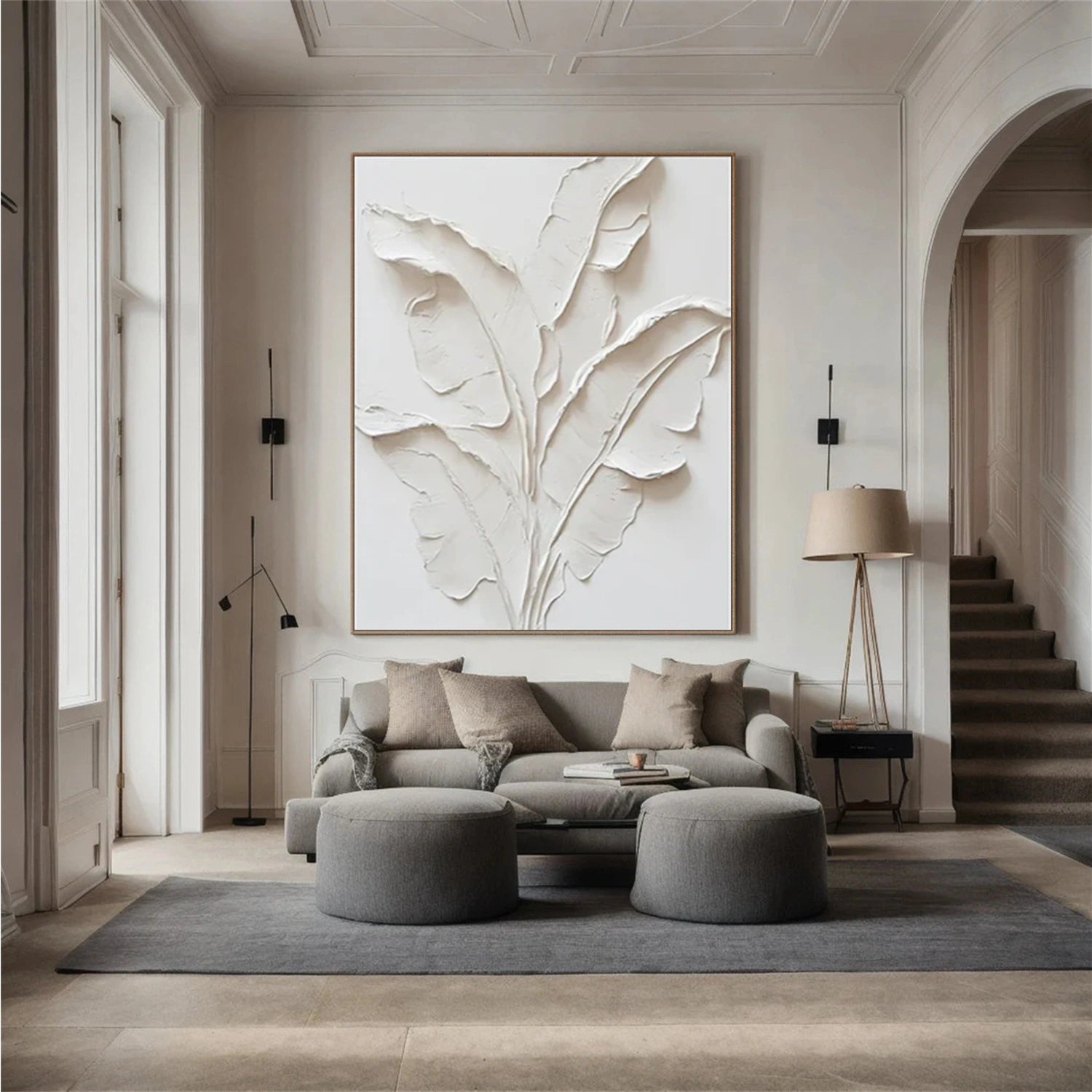
Vinchy Art textured botanical artwork illustrating the dimensional surface effects that can complement a birch-inspired interior.
5. Watercolor-Style Birch Landscapes
Watercolor-style birch artwork often features translucent foliage, delicate trunk outlines, and soft transitions between background colors. These compositions can feel less visually heavy than saturated acrylic paintings.
Choose watercolor-inspired forest art for guest bedrooms, reading rooms, and living areas with pastel accents or light-colored furnishings.
6. Vertical Birch Grove Artwork
Portrait-oriented birch paintings emphasize the natural height of tree trunks. Vertical compositions are useful for narrow wall areas, hallway ends, entryways, and spaces beside tall furniture.
Leave enough wall area around the painting so its frame does not appear crowded. In a 30-inch-wide wall section, an artwork around 18–22 inches wide may be an effective initial comparison.
7. Birch Forest Diptychs and Triptychs
A diptych consists of two coordinated panels, while a triptych uses three. These arrangements work well above wide sofas, dining room sideboards, and large beds.
Multipanel layouts can create a panoramic forest impression while leaving deliberate spaces between the panels. When calculating overall width, include the gaps as well as the dimensions of the artwork itself.
Birch Tree Artwork Size Guide
Artwork should relate visually to the furniture and surrounding wall area. One practical starting guideline is to choose artwork approximately 60–75% as wide as the furniture beneath it. This is a design heuristic rather than a strict rule.
| Furniture Width | Suggested Art Width | Suitable Layout |
|---|---|---|
| 60-inch loveseat | 36–45 inches | Medium horizontal canvas |
| 72-inch sofa | 43–54 inches | Large landscape or diptych |
| 84-inch sofa | 50–63 inches | Oversized landscape or two panels |
| 96-inch sofa | 58–72 inches | Large canvas or triptych |
| 76-inch king headboard | 46–57 inches | Wide horizontal forest artwork |
How to Calculate Artwork Width
Consider an 84-inch sofa. Multiplying 84 by 0.60 gives 50.4 inches, while multiplying by 0.75 gives 63 inches. An artwork approximately 54 inches wide therefore falls within the suggested range.
For a two-panel arrangement, two 24-inch canvases separated by 2 inches create a total display width of 50 inches. Two 30-inch canvases with the same spacing create a 62-inch arrangement.
Before placing an order, outline the proposed artwork dimensions on the wall with removable painter's tape. View the outline from the doorway, the primary seating position, and adjacent rooms to judge the balance.
How High Should Birch Artwork Hang?
For a freestanding artwork on an open wall, positioning the center around 57–60 inches above the floor is a common gallery-style starting point. For artwork above a sofa, a bottom clearance of approximately 6–10 inches above the sofa back can help establish a visual connection.
These measurements should be adjusted for furniture height, room proportions, and the size of the outer frame. Above beds, use hardware rated for the artwork's weight and the wall construction, and avoid unsafe mounting above sleeping areas.

Canvas Prints vs. Original Paintings vs. Framed Art
Material selection affects the artwork's appearance, surface depth, maintenance requirements, and installation. The right choice depends on whether the buyer prioritizes physical brushwork, precise reproduction, or a formal framed presentation.
| Artwork Type | Main Advantage | Buying Consideration |
|---|---|---|
| Canvas print | Consistent image reproduction | Verify print quality and canvas construction |
| Hand-painted canvas | Physical brushwork and individual surface variation | Confirm medium and production details |
| Textured relief painting | Sculptural surface and changing shadows | Check care instructions and relief depth |
| Framed paper art | Formal gallery presentation | Consider glazing, reflections, and weight |
Is Framed Birch Art Better Than Unframed Canvas?
A frame gives artwork a defined boundary and can help connect the painting with surrounding furniture. Light oak frames reinforce Scandinavian styling, black frames create stronger contrast, and warm walnut frames complement autumnal forest colors.
Unframed gallery-wrapped canvas offers a quieter presentation, particularly when the artwork extends around the sides of the stretcher. Neither is universally better. Choose based on the composition and the room's existing materials.
Four Color Palettes for Birch Tree Wall Art
1. Mist White, Sage, and Blue-Gray
This palette creates a cool, relaxed environment. Pale birch trunks pair with sage green cushions, blue-gray curtains, brushed metal lighting, and light oak furniture.
It is especially appropriate for Scandinavian bedrooms, reading corners, and living rooms where the artwork should contribute atmosphere rather than dominate the space.
2. Cream, Sand, and Warm Taupe
A warm neutral palette makes tree artwork compatible with Japandi and minimalist interiors. Ivory walls, natural linen, pale timber, and stoneware accessories can repeat the quiet tones of an abstract woodland composition.
For added dimension, consider placing a neutral textured painting nearby, rather than filling every wall with detailed botanical imagery.
3. Autumn Ochre, Rust, and Walnut
This palette brings greater warmth and saturation. A painting featuring golden foliage and pale trunks works with cognac leather, walnut wood, rust-colored pillows, and warm cream upholstery.
Use one or two repeated accent colors rather than matching every accessory directly to the painting. Controlled repetition helps the room feel coordinated without appearing overly themed.
4. Charcoal, Ivory, and Soft Gray
Monochromatic birch artwork can create visual structure in contemporary interiors. Ivory tree trunks against charcoal or slate backgrounds complement black-framed windows, gray upholstery, and metal furniture.
A limited palette also makes it easier to introduce other materials, such as wood, stone, woven textiles, and ceramics, without creating visual competition.
Room-by-Room Birch Tree Artwork Styling
Living Room: Create a Forest Focal Point
Above a living room sofa, a horizontal birch forest painting can establish a calming focal point. Select a piece wide enough to relate to the seating arrangement but small enough to preserve open wall space on either side.
For a modern living room with cream furniture and oak tables, choose a soft gray, white, and sage composition. In a darker room, consider a brighter forest scene or an autumn painting to introduce contrast.
Keep nearby decoration restrained. A floor lamp, ceramic vessel, and textured cushion may provide enough supporting detail without competing with the artwork.
Bedroom: Prioritize Low-Contrast Art
Bedrooms often benefit from artwork with a quieter palette. Misty birch forests, gentle watercolor compositions, and abstract white-trunk paintings create visual interest without introducing excessive saturation.
Above a headboard, a horizontal canvas can visually anchor the bed. Alternatively, a vertical forest painting near a reading chair can create a separate decorative focal point.
Always use secure hanging hardware appropriate for the wall and artwork, particularly in sleeping areas.
Hallway: Use Vertical Compositions
Hallways typically have limited viewing distance and narrow wall sections. Vertical birch artwork echoes the shape of the space and can make a wall feel taller.
Choose a simplified composition with clear contrasts rather than a highly detailed forest scene that requires substantial viewing distance.
Dining Room: Connect Artwork With Natural Materials
Birch artwork works particularly well with wood dining tables, woven chairs, linen runners, and ceramic tableware. A panoramic forest painting above a sideboard can provide a horizontal visual anchor.
For a warm dining room, choose autumn tones. For a restrained contemporary dining room, use pale bark, fog gray, and muted green.
Home Office: Add a Natural View
A forest painting can make a home office feel less utilitarian. Place birch artwork on a wall visible from the desk or behind a reading chair, rather than crowding the immediate workstation.
Low-contrast forest compositions are useful when the office already contains monitors, bookshelves, and other visually dense objects.

Single Canvas, Diptych, or Triptych?
A single canvas offers the most unified image and is often the simplest choice for a bedroom, apartment living room, or focused wall arrangement.
A diptych uses two coordinated panels and works well where furniture is wide enough to accommodate a visible gap between the artworks. A triptych creates a stronger panoramic rhythm and can suit a large sectional sofa or dining room wall.
For multipanel arrangements, calculate the complete width by adding all canvas widths and the spaces between them. Maintain consistent gaps unless the composition calls for a different arrangement.
Birch forest imagery is naturally suited to multipanel presentation because repeated trunks can visually connect separate canvases. The design should still be examined carefully to ensure that important branches or tree forms are not awkwardly interrupted.
How to Choose Birch Tree Artwork Online
When shopping for birch tree canvas art, product photography should be evaluated alongside measurable details. A lifestyle photograph provides context, but can make artwork appear larger or smaller than its actual dimensions.
Before buying, use the following checklist:
- Subject accuracy: Does the painting depict birch, aspen, or another type of tree?
- Dimensions: Are measurements provided in inches, centimeters, or both?
- Orientation: Will a vertical or horizontal composition suit the wall?
- Materials: Is the piece hand-painted, printed, or mixed media?
- Texture: Are raised paint marks physically present?
- Frame: Is framing included or offered as an option?
- Display weight: What hanging hardware will be required?
- Photography: Are close-up images available showing the artwork's surface?
- Fulfillment: What are the current production, delivery, and return terms?
For a large purchase, compare the measured artwork width with your furniture before deciding on the final format. If several paintings look similar, prioritize the composition that best matches your existing room colors and available wall space.
How to Create a More Refined Birch Art Display
The perceived impact of wall art depends as much on presentation as on the artwork itself. One properly scaled forest painting can look more intentional than several unrelated small prints.
Start by choosing a consistent framing material. Pale oak frames coordinate with Scandinavian interiors, while matte black frames emphasize graphic contrast. Walnut adds warmth to autumn artwork and rooms with darker wood furniture.
Next, consider lighting. Side lighting can reveal surface texture in an original painting, while direct glare may reduce the visibility of framed artwork under glass. Avoid placing delicate artwork in prolonged direct sunlight unless the materials and protective measures are appropriate.
Finally, repeat only one or two colors from the painting in nearby textiles or accessories. A soft green cushion or charcoal ceramic vase can connect the artwork with the room without creating a literal woodland theme.
Explore Nature-Inspired Wall Art at Vinchy Art
Birch tree artwork is particularly effective when a home needs natural imagery, a measured sense of movement, and a restrained color palette. Buyers seeking related botanical aesthetics can explore Vinchy Art's tree, landscape, and abstract collections.
For a Scandinavian living room, begin with light backgrounds and quiet greens. For a modern farmhouse interior, look for warmer woodland colors and expressive textures. For Japandi or minimalist spaces, emphasize negative space and simple compositions.
Find Artwork for Your Interior
Explore botanical, forest-inspired, and landscape paintings in styles that complement modern living rooms, bedrooms, and natural interiors.
Frequently Asked Questions About Birch Tree Artwork
What is birch tree artwork?
Birch tree artwork depicts or interprets birch trees, often using pale trunks, contrasting bark details, and repeating vertical forms. Common formats include realistic landscapes, abstract paintings, watercolor-style compositions, canvas prints, and textured original artwork.
What size birch tree painting should go above a sofa?
A common starting point is artwork spanning approximately 60–75% of the sofa's width. For an 84-inch sofa, that suggests roughly 50–63 inches. Consider frame dimensions, available wall space, and furniture proportions before making a final choice.
Is birch tree art suitable for minimalist interiors?
Yes. Minimalist rooms often benefit from birch compositions that use restrained colors, simplified trunks, and generous negative space. White, gray, sage, and charcoal palettes are particularly versatile.
Are birch tree paintings good for bedrooms?
Birch tree paintings can suit bedrooms because misty forest compositions often feature gentle colors and repeated natural forms. Choose a piece that complements bedding and furniture, and ensure the artwork is securely mounted.
Is canvas better than framed paper art?
Canvas provides a different surface appearance and may offer physical texture when hand-painted. Framed paper can offer a more formal presentation and protective glazing. Neither is automatically superior; the best choice depends on the artwork, room conditions, and presentation preferences.
Does textured birch artwork require special lighting?
Directional lighting can make raised paint and palette-knife marks more visible by creating subtle shadows. Avoid excessive heat, harsh glare, and prolonged direct sunlight, particularly when the artwork's materials are sensitive to environmental conditions.
Where should birch tree artwork be placed?
Suitable locations include above sofas, beside reading chairs, over dining room sideboards, in hallways, and in home offices. Select artwork proportions that fit the available wall area and consider how the composition looks from typical viewing positions.
Can birch artwork work with other wall decor?
Yes. Pair a forest painting with restrained botanical art, neutral abstracts, or small framed pieces that repeat one or two colors. Avoid combining multiple equally dominant artworks on a small wall.
Does birch artwork complement Japandi design?
Birch artwork can work with Japandi interiors when the composition uses subtle colors, natural textures, and uncluttered forms. Choose pale backgrounds, minimal framing, and artwork that coordinates with light timber, linen, and handmade ceramics.
Should I buy one large canvas or a diptych?
One large canvas creates a unified focal point. A diptych offers additional visual rhythm and is useful for wider walls. Compare the combined width of the panels, including their spacing, with the furniture beneath them.
Is birch tree wall art a good housewarming gift?
Birch artwork can be a thoughtful gift for someone who enjoys nature-inspired interiors. For recipients whose preferences are uncertain, a moderate-size neutral forest print may be easier to accommodate than a very large or vividly colored painting.
How can I tell whether a tree painting is handmade?
Review the materials and production description, examine close-up photographs, and confirm whether the piece is individually painted or printed. Physical brushwork, irregular surface texture, and artist-provided production information can support a handmade description, but photographs alone may not prove the process.
References
The following references provide background on tree identification, artwork presentation, and conservation. Product-specific information should always be checked against the current seller listing.
- Encyclopaedia Britannica — Birch
- Encyclopaedia Britannica — Aspen
- Smithsonian Museum Conservation Institute
- Canadian Conservation Institute
Artwork dimensions in this guide are practical interior styling estimates, not mandatory industry standards. Verify all product specifications, availability, and fulfillment terms before purchasing.