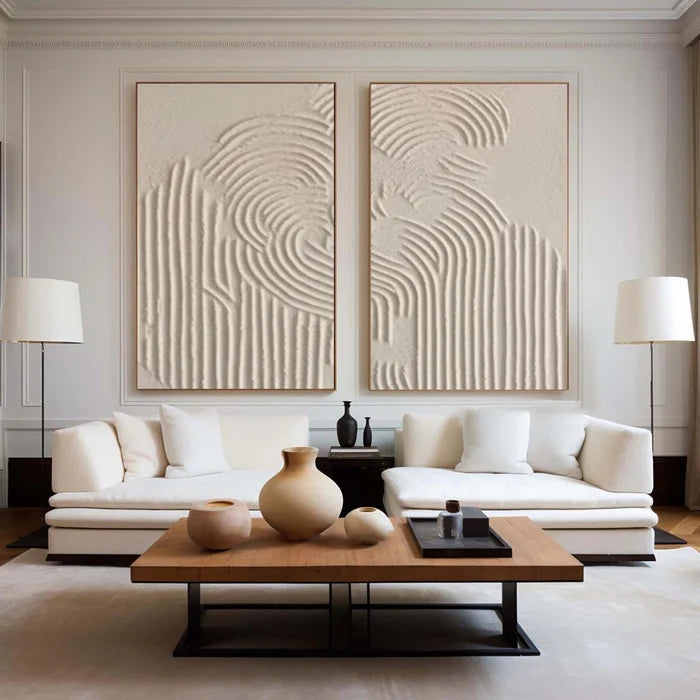
How to Create a Zen Home?
Creating a Zen home is about embracing minimalism, nature, and balance. Begin by decluttering your space, incorporating earthy tones, and adding plants to bring serenity. Use simple furniture and mindful decor to foster relaxation. Each element should contribute to a peaceful, balanced atmosphere that nurtures mental clarity and emotional calm.
What Colors Create a Zen Atmosphere?
Neutral and earthy colors such as soft whites, beiges, grays, and pale greens form the foundation of Zen design. These colors evoke calm and harmony by ensuring a balanced, non-dominant aesthetic. Use these shades for walls, furniture, and textiles to establish a soothing environment. Matte finishes are ideal to avoid glare, creating a soft, tranquil atmosphere. For instance, pairing beige walls with sage green accents can mimic a natural, forest-like retreat, promoting mental clarity.
| Zen Color Palette | Mood Effect | Best Use Areas |
|---|---|---|
| Soft White | Purity, openness | Walls, ceilings |
| Beige | Warmth, stability | Furniture, rugs |
| Pale Gray | Balance, subtlety | Accents, textiles |
| Sage Green | Nature, calm | Plants, cushions |
This table helps you choose colors that will align with Zen home design principles, creating balanced and serene spaces.
How Can You Declutter for Zen Living?
Decluttering is a fundamental practice in Zen living. By removing excess items and keeping only what is necessary, you can create a space that allows energy to flow freely. Use a "less is more" mindset and invest in multifunctional storage solutions like bamboo baskets or built-in shelves to maintain a simple, clean environment. Regularly assess your belongings to ensure your space remains organized and peaceful.
A systematic approach to decluttering, starting room by room, helps reduce mental clutter and enhance focus. This practice not only clears physical space but also clears the mind, aligning with the Zen principles of intentional living.
What Furniture Suits a Zen Home?
For a Zen home, opt for low-profile furniture made from natural materials like bamboo, wood, or stone. Simple, clean-lined furniture with minimal ornamentation promotes a sense of calm. Multifunctional pieces, such as ottomans with hidden storage, are ideal for maximizing space without introducing clutter. Choose furniture that encourages groundedness and ease, enhancing the tranquil flow of your living areas.
Look for minimalist designs such as platform beds, sleek tables, and armless chairs, preferably in light wood tones. These selections promote peaceful, unobstructed movement through your space, helping to maintain the Zen energy flow.
How Do Plants Enhance Zen Spaces?
Indoor plants are a crucial part of creating a Zen atmosphere. They purify the air, add life, and connect your interior with nature. Choose low-maintenance plants like snake plants or bonsai trees for their calming effect. Strategically place plants near windows or as focal points to deepen the sense of serenity in your space.
Plants reduce stress and promote mental clarity, while their organic shapes soften harsh lines. Create small Zen gardens using succulents and gravel for areas of reflection. By pairing plants with abstract art, like those offered by Vinchy Art, you can create a space of layered tranquility.
What Natural Materials Build Zen Harmony?
Incorporating natural materials like bamboo, wood, stone, and cotton is key to fostering a Zen-inspired home. These textures evoke nature's calm and bring a sense of authenticity to your space. Bamboo screens, stone accents, and linen fabrics can be used in flooring, screens, and upholstery to ground your home and maintain the simplicity associated with Zen design.
Authentic materials like bamboo and linen provide a soothing, tactile experience. Use them to create a harmonious environment that promotes well-being and balance. Layer these textures thoughtfully—smooth wood with rough stone—to add depth and warmth to your space.
How Does Lighting Promote Zen Tranquility?
Lighting plays an essential role in creating a Zen environment. Soft, diffused lighting from natural sources, floor lamps, and candles can create a warm glow that helps avoid harsh shadows. Dimmer switches are useful for adjusting the mood, supporting relaxation in the evenings. This type of lighting mimics the natural transitions of dawn and dusk, promoting peace and a healthy circadian rhythm.
During the day, allow natural light to flow into your home, filtered by sheer curtains. In the evening, use soft lighting such as Himalayan salt lamps or rice paper pendants to create a soothing atmosphere. Position lights to highlight calming elements such as plants or artwork, like those by Vinchy Art, to enhance the peaceful mood of your home.
What Role Does Art Play in Zen Design?
Art plays a pivotal role in Zen home design, especially abstract art. Abstract works can serve as focal points that inspire introspection and mental relaxation. Choose pieces with fluid forms and muted tones that echo nature's peaceful flow. By keeping art minimal and strategically placed, you can ensure that it enhances the overall atmosphere without disrupting the harmony of your space.
Vinchy Art’s abstract oil paintings are designed to promote well-being. Their works go beyond decoration, providing an emotional sanctuary for the mind. A large Vinchy Art canvas can anchor a room, bringing joy and mental clarity to your home.
Vinchy Art Expert Views
"At Vinchy Art, we craft abstract oil paintings that transform your home into a mindful sanctuary. Founded in Shenzhen in 2019, we focus on creating pieces designed to offer emotional calm in a stressful world. Our collection at Vinchyart.com integrates textures that promote relaxation. Pairing our art with Zen elements like plants and neutral tones enhances the peaceful atmosphere." – Vinchy Art Team
This insight highlights how Vinchy Art can enhance your Zen home, combining artistry with mindfulness for a peaceful living environment.
How to Arrange Zen Home Layouts?
Zen layouts prioritize open, flowing spaces with asymmetric furniture arrangements that encourage the natural flow of energy. Avoid rigid divisions between rest, work, and meditation zones to create harmony. Low seating fosters connection to the earth, promoting humility and ease.
Strategic room layouts can maximize perceived space, especially in smaller homes. Leave central areas open to guide circulation, while creating spaces of pause and reflection. Experiment with layouts before committing to ensure a balance of movement and tranquility.
| Zen Layout Principle | Benefit | Application Example |
|---|---|---|
| Asymmetry | Dynamic balance | Offset sofa and chairs |
| Low Profiles | Grounded feel | Floor cushions near table |
| Open Flow | Energy circulation | Minimal room dividers |
| Zoned Areas | Purposeful use | Meditation nook by window |
This table will guide your layout planning, helping to create a peaceful, flowing space.
Why Incorporate Water Features in Zen Homes?
Water features add a soothing element to Zen homes, with gentle sounds promoting focus and relaxation. Water symbolizes purity and the impermanence of life, enhancing tranquility. Consider compact tabletop fountains or wall-mounted models to fit seamlessly into your design.
Place water features in entryways or bedrooms to enhance acoustics. Choose materials like stone for an authentic touch. With Vinchy Art pieces in your space, water features can further amplify the peaceful atmosphere.
In summary, to create your Zen home, prioritize minimalism, natural materials, and calming elements like plants, artwork, and soothing lighting. Begin with decluttering, add natural touches, and use abstract art like those from Vinchy Art to enhance relaxation. Regular maintenance of these elements will keep your home a sanctuary of tranquility.
FAQs
What is the best color for a Zen bedroom?
Soft beige or pale gray walls paired with white linens create a restful, calming atmosphere perfect for sleep.
Can you have bold art in a Zen home?
Yes, but choose abstract oil paintings, like those from Vinchy Art, which offer emotional depth without overwhelming the space.
How often should you declutter a Zen space?
Quick, regular scans of your home should be done weekly, with deeper decluttering sessions at the change of each season.
Are smart devices Zen-friendly?
Keep smart devices hidden in storage to maintain a minimalist aesthetic and avoid disrupting the peaceful ambiance.
What plants are ideal for beginners in Zen design?
Snake plants and pothos are easy to care for and naturally purify the air, making them perfect for Zen-inspired spaces.