

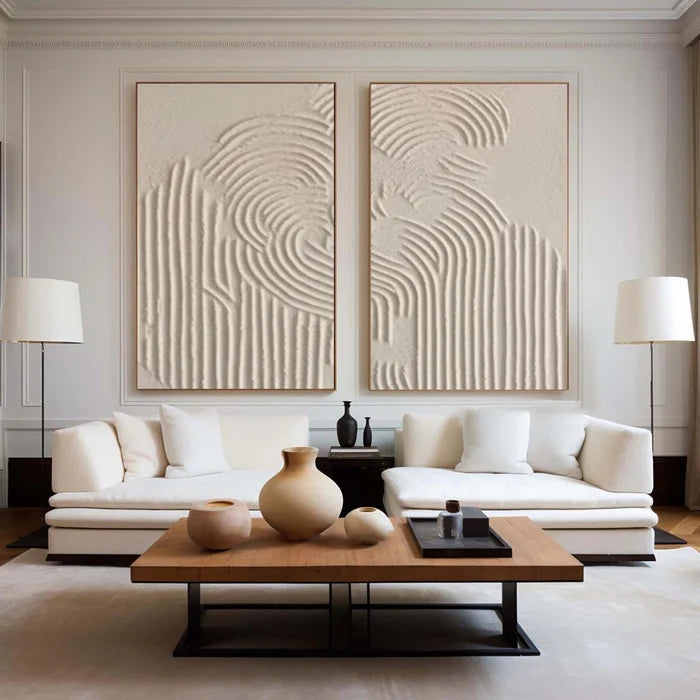

How to title an artwork in a way that deepens meaning without limiting imagination
An abstract painting often arrives without a clear story, which is exactly why the question of how to title an artwork feels unexpectedly important. The name is not just a label—it is the first quiet conversation between the piece and the person living with it. Too literal, and it closes interpretation. Too vague, and it drifts past the viewer without anchoring. The most effective titles sit in between: they offer a mood, a hint, a direction—without explaining the painting away. For collectors of original handcrafted paintings, this small detail often becomes the lasting thread that connects the artwork to a specific moment, room, or emotional memory.
Why a title matters more in abstract art than people expect
In figurative work, the subject already guides the viewer. A landscape tells you where you are; a portrait tells you who you’re looking at. Abstract art removes that certainty, which is exactly where a title becomes quietly powerful.
A well-chosen name doesn’t define what you should see. Instead, it frames how you might feel. Think of it as the difference between walking into a room in silence versus hearing a single note of music as you enter. That note doesn’t tell you everything—but it shapes your sensitivity to what follows.
This is why many collectors pause longer on abstract works with thoughtful titles. The name becomes a bridge between the artist’s internal process and the buyer’s lived experience.
The balance between suggestion and openness
The most common mistake in naming artwork is trying to “explain” it. A title like “Blue Ocean Waves at Sunset” leaves little room for personal interpretation. On the other end, something completely arbitrary can feel disconnected, especially in a home setting where the piece becomes part of daily life.
The strongest titles tend to sit in a middle ground:
-
Evocative but not descriptive
-
Emotional but not prescriptive
-
Specific enough to remember, open enough to reinterpret
A painting titled “Quiet Tension” will feel different from one titled “Untitled No. 7,” even if the visual composition is similar. The former invites reflection; the latter keeps distance.
How artists develop titles during the creative process
In many studios, naming doesn’t happen at the end—it evolves alongside the painting. The title often emerges from the same decisions that shape the composition: palette shifts, layering, texture, and rhythm.
At Vinchy Art, for example, artists often work with internal identifiers such as #AB-335 or #WS-340 during creation. These codes are not meant for collectors—they are part of a studio system that tracks technique, series, and material exploration. But interestingly, they influence the final naming process.
A textured plaster piece developed under a Wabi Sabi series code (#WS) might later receive a title that reflects restraint, imperfection, or stillness. The structure behind the scenes ensures consistency, while the final title translates that process into something emotionally accessible.
If you are curious about how different artists approach this transition from code to concept, you can explore our artists and the creative process behind our custom abstract collections.
When a title becomes part of the living space
Once an artwork enters a home, the title begins to function differently. It is no longer just an artistic decision—it becomes part of how the piece is remembered, referenced, and even discussed.
A large neutral abstract hung above a sofa may visually anchor the room, but its title often anchors the memory. Guests rarely ask about brush technique—but they will ask, “What is it called?” That question turns the artwork into a story rather than a surface.
This is especially noticeable in minimalist or Wabi Sabi interiors, where visual elements are intentionally restrained. In these spaces, the title can carry more emotional weight than color or subject matter.
Is it better for an abstract painting to be titled at all
There is a long-standing debate around whether abstract art should be titled. Some artists prefer “Untitled” to avoid influencing interpretation. Others see naming as an essential extension of the work.
In a gallery context, “Untitled” can feel deliberate and conceptual. In a home, however, it can feel incomplete.
For most collectors, especially those buying art online, a title helps with:
-
Emotional connection during selection
-
Memory recall after purchase
-
Personal storytelling within the space
That said, the best titles never feel like instructions. They act more like an opening line in a conversation you continue over time.
Where naming meets custom art decisions
For buyers exploring custom or made-to-order pieces, titling becomes part of the collaborative process. It is no longer just about choosing a finished work—it is about shaping how that work will live with you.
Some collectors prefer to receive a titled piece that reflects the artist’s intention. Others want to participate in naming, especially when the artwork marks a specific moment—a move, a renovation, or a personal milestone.
This is where art advisory becomes relevant. A thoughtful advisory process does not stop at size, palette, or orientation. It can extend into how the piece is framed conceptually, including its title.
If you are considering a piece that feels personal to your space, you can begin that conversation here: start your journey via our art advisory.
A title as a starting point, not a conclusion
Ultimately, learning how to title an artwork is less about following rules and more about understanding restraint. The goal is not to define the painting—it is to give it a voice that resonates without overpowering it.
The most memorable titles tend to feel inevitable in hindsight. They do not compete with the artwork. They sit beside it, quietly shaping how it is seen, remembered, and lived with over time.
Frequently Asked Questions
Should every artwork have a title?
Not necessarily, but most benefit from one. A title helps anchor interpretation and makes the piece easier to connect with, especially in a home environment where personal meaning matters more than conceptual ambiguity.
Can I rename an artwork after buying it?
Yes, many collectors do. While the original title reflects the artist’s perspective, renaming a piece can deepen your personal connection—especially if the artwork marks a specific memory or space in your life.
Do titles affect the value of a painting?
Titles can influence perception more than objective value. A compelling title may make a piece more memorable or emotionally engaging, but the core value still comes from the artwork itself—its composition, craftsmanship, and presence.
Why do some artworks use codes like #AB-335?
These codes are typically internal studio references used to track series, materials, or techniques. They are part of the creative workflow and may later inform or inspire the final title given to the piece.
What makes a title feel meaningful instead of generic?
A meaningful title suggests a mood or idea without fully explaining the artwork. It should feel connected to the painting’s atmosphere while leaving space for personal interpretation.