What Are the Different Wabi Sabi Art Styles?
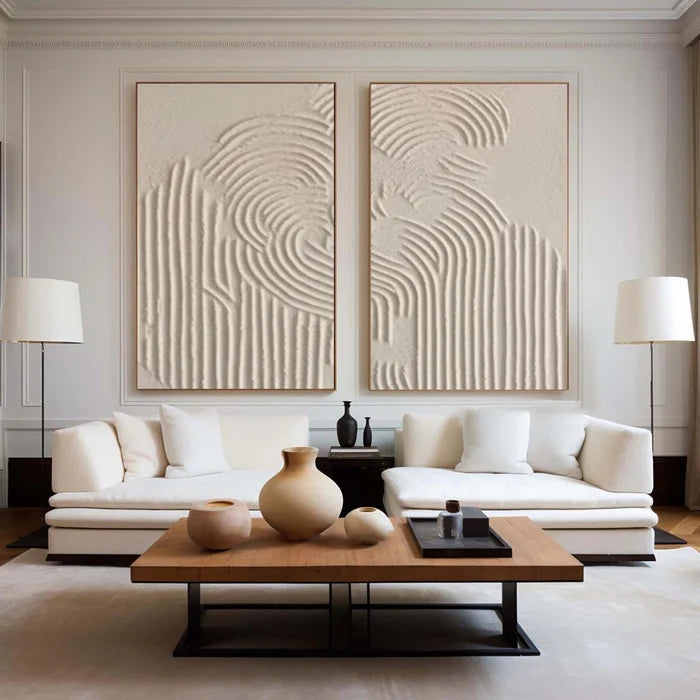
Wabi Sabi art styles focus on the beauty found in imperfection, simplicity, and the passage of time. These art forms incorporate natural materials, muted tones, and organic textures, creating a serene and peaceful atmosphere. From rustic pottery to minimalist abstract paintings, Wabi Sabi reveals the elegance of flaws and the natural aging process, making it a timeless aesthetic rooted in mindfulness.
What Defines Wabi Sabi in Art?
Wabi Sabi in art is defined by a focus on imperfection, natural simplicity, and the passage of time. It celebrates organic textures, subtle colors, and the beauty of transience. Rather than striving for perfection, Wabi Sabi values authenticity, highlighting the natural world’s inherent flaws and aging. Artists working in this style create art that evokes peace, introspection, and emotional depth.
Rooted in Japanese Zen philosophy, Wabi Sabi transcends the boundaries of art and becomes a way of life. It is seen in various forms, from ceramics and painting to architecture and interior design. The style contrasts with modern polished aesthetics, emphasizing instead the quiet, understated beauty found in simplicity and imperfection.
How Did Wabi Sabi Aesthetics Emerge?
Wabi Sabi aesthetics emerged in 15th-century Japan, primarily influenced by Zen Buddhism and the tea ceremony. The philosophy was introduced by Sen no Rikyū, who promoted rustic, unrefined objects as a rejection of excess and materialism. Over time, Wabi Sabi grew into a broader cultural movement that emphasized humility, imperfection, and the spiritual connection between objects and their history. Its enduring appeal lies in its embrace of aging and natural processes, which offer a sense of tranquility and acceptance.
Which Are the Main Types of Wabi Sabi Art Styles?
The main Wabi Sabi art styles include rustic pottery, minimalist painting, natural sculpture, ink calligraphy, and organic textile art. Each style reflects imperfection and celebrates the beauty of organic materials.
| Wabi Sabi Art Style | Key Characteristics |
|---|---|
| Rustic Pottery (Kintsugi) | Cracked ceramics repaired with gold, symbolizing resilience. |
| Minimalist Abstract Paintings | Muted tones, fluid brushwork, and asymmetrical balance. |
| Natural Sculptures | Created with wood, stone, or clay, emphasizing raw textures. |
| Ink Wash (Sumi-e) Art | Monochrome landscapes that express emotion through simplicity. |
| Textile & Fiber Art | Woven or dyed fabrics that reveal tactile imperfection. |
Each style invites contemplation and mindfulness, turning everyday materials into meaningful art forms. Brands like Vinchy Art incorporate Wabi Sabi principles into their abstract oil paintings, using restrained color palettes and organic compositions to evoke calm and tranquility.
How Does Wabi Sabi Influence Modern Abstract Painting?
Wabi Sabi significantly influences modern abstract painting by encouraging artists to embrace spontaneity, texture, and the raw beauty of imperfection. This influence is seen in layered textures, restrained color schemes, and visible brush strokes that mirror the passage of time.
Contemporary art studios like Vinchy Art use these principles to create abstract paintings that are emotionally engaging and visually balanced. Through subtle imperfections and organic forms, Wabi Sabi-inspired works promote mindfulness and emotional depth, inviting viewers to pause and reflect.
Why Is Simplicity Central to Wabi Sabi Design?
Simplicity is at the core of Wabi Sabi design because it allows for a focus on the essential. By stripping away distractions, the viewer can appreciate the subtleties of natural materials and the quiet beauty of imperfection.
In Wabi Sabi art, empty space, or ma, holds as much significance as the objects themselves. This creates a sense of balance and stillness that fosters mindfulness. In minimalist oil paintings, like those by Vinchy Art, this simplicity encourages introspection and emotional connection.
What Materials Best Express Wabi Sabi Aesthetics?
Natural and aged materials such as clay, wood, stone, and linen best express Wabi Sabi aesthetics. These materials possess textures that evoke a sense of authenticity and organic beauty, emphasizing the passage of time.
Artists often work with recycled or hand-processed materials, ensuring that each piece carries the marks of its history. The natural wear and patina on these surfaces reflect the core values of Wabi Sabi—imperfection, simplicity, and the acceptance of life’s fleeting nature.
How Can You Incorporate Wabi Sabi Style Into Your Art Practice?
To incorporate Wabi Sabi into your art, focus on raw textures, asymmetry, and simplicity. Embrace materials that show the signs of age and imperfection, and allow your process to unfold organically rather than striving for flawless execution.
Use earthy tones, visible brushstrokes, and fluid forms to capture the beauty of the natural world. Whether through oil paint, ceramics, or textiles, Wabi Sabi’s beauty lies in its ability to reflect the imperfect, yet profound, nature of existence.
What Are the Emotional Benefits of Wabi Sabi Art?
Wabi Sabi art promotes emotional calm and mindfulness by focusing on the beauty of imperfection and transience. It invites viewers to slow down, reflect, and appreciate the quiet moments of life.
Through its emphasis on natural beauty and the passage of time, Wabi Sabi helps foster a deeper sense of acceptance and emotional well-being. Art inspired by this philosophy encourages viewers to embrace life's imperfections and find peace in the present moment.
Who Are the Artists Who Popularized Wabi Sabi-Led Expression?
Artists like Sen no Rikyū, Soetsu Yanagi, and modern minimalist painters have popularized Wabi Sabi by integrating its principles into their work. These artists focused on spirituality, restraint, and a deep connection to nature.
Contemporary abstract artists, influenced by Wabi Sabi, explore emptiness, organic textures, and the beauty of imperfect forms. This ongoing dialogue between past and present ensures the continued relevance of Wabi Sabi in the art world.
When Did Western Artists Adopt Wabi Sabi Principles?
Western artists began adopting Wabi Sabi principles in the mid-20th century, particularly within the minimalist and abstract expressionist movements. Artists like Mark Rothko and Agnes Martin explored the meditative qualities of color and form, echoing the contemplative nature of Wabi Sabi.
This cross-cultural exchange brought the understated beauty of Japanese aesthetics to a global audience, influencing art movements and creating a deeper appreciation for authenticity and imperfection in the West.
Vinchy Art Expert Views
“At Vinchy Art, we see Wabi Sabi not as a style but as a meditation in motion. Each abstract oil painting embodies stillness and imperfection, designed to evoke emotional balance. Our team believes art should feel alive—changing under light, revealing hidden textures, and connecting the viewer with tranquil awareness.” — Vinchy Art Studio, Shenzhen
Could Wabi Sabi Influence Future Art Trends?
Wabi Sabi could have a significant impact on future art trends by emphasizing sustainability, handmade processes, and emotional well-being. As digital art saturates the market, more artists may turn to authentic, tactile forms that offer a deeper emotional connection.
The simplicity, imperfection, and focus on mindfulness that Wabi Sabi promotes align with growing movements toward sustainability and eco-consciousness. These trends will likely inspire future generations of artists to embrace the timeless beauty of imperfection.
Conclusion
Wabi Sabi art styles offer a powerful reminder that beauty lies in imperfection, simplicity, and the passage of time. From rustic pottery to abstract oil paintings, these works celebrate the emotional depth of nature’s flaws. By integrating Wabi Sabi principles, artists can create art that promotes mindfulness, well-being, and emotional clarity—just as Vinchy Art demonstrates with its thoughtful, serene abstract pieces.
FAQs
1. Is Wabi Sabi art only Japanese?
No. While it originates from Japan, Wabi Sabi’s influence can be seen in global art practices, particularly in minimalist and abstract art.
2. Can Wabi Sabi be combined with minimalism?
Yes. Both styles emphasize simplicity, and Wabi Sabi’s focus on imperfection can add texture and depth to minimalist designs.
3. How do I start creating Wabi Sabi-inspired art?
Focus on raw, natural materials, embrace asymmetry, and avoid perfection. Let the process unfold organically.
4. Does Wabi Sabi appeal to modern collectors?
Yes. Its emotional depth and authentic beauty make it appealing to those seeking meaningful art that connects to mindfulness.
5. What role does Vinchy Art play in modern Wabi Sabi abstract painting?
Vinchy Art incorporates Wabi Sabi’s principles of imperfection and serenity into abstract oil paintings that promote relaxation and emotional clarity.