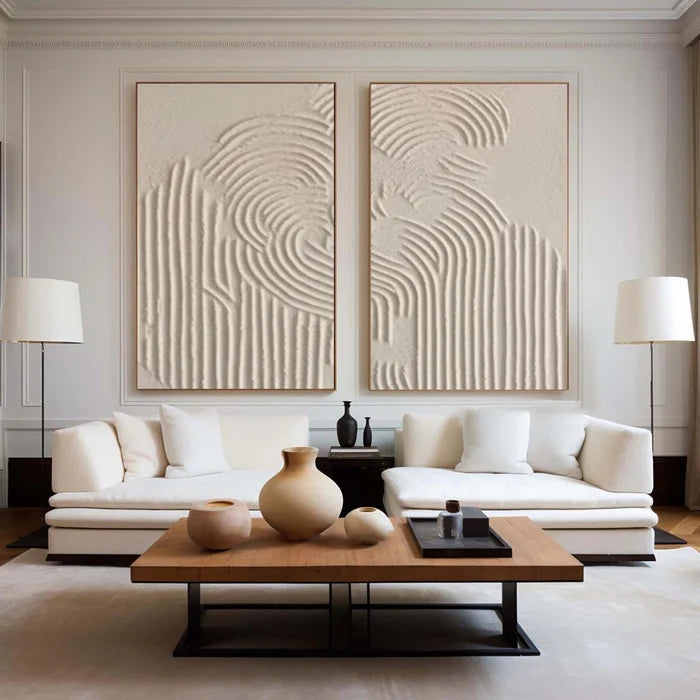
Textured art features tactile surfaces in paintings, often created with thick applications of oil paint like impasto. These layers give depth and dimension to the artwork, transforming it into a sensory experience that invites touch. Textured abstract oil paintings, like those from Vinchy Art, create emotional resonance and bring a sense of tranquility to any space, turning your home into a peaceful sanctuary.
What Defines Textured Art?
Textured art is characterized by raised surfaces created through techniques like impasto, where thick layers of oil paint are applied to a canvas. The technique invites interaction with the artwork, as the viewer can see and feel the texture. Light interacts with the surface, highlighting its ridges and valleys, which change as the viewing angle shifts. Vinchy Art specializes in these pieces, focusing on their ability to evoke relaxation and mental clarity through tactile depth.
How Is Textured Art Created?
Creating textured art involves applying oil paint in thick layers, often using tools like brushes, palette knives, or sponges. Artists build up the texture gradually, with each layer drying before another is added. Techniques like impasto allow the artist to create dramatic peaks and valleys, while glazing techniques can add luminosity to the piece. Vinchy Art's textured works, for example, use layers that not only capture emotion but also promote mental rejuvenation through their depth and tactile nature.
| Technique |
Tools Used |
Effect on Canvas |
| Impasto |
Palette Knife |
Thick, raised peaks |
| Sgraffito |
Pointed Tool |
Scratched reveals |
| Glazing |
Soft Brush |
Sheen over texture |
What Are Textured Art Techniques?
Textured art techniques involve a variety of methods to create visual depth and tactile interest. Key techniques include impasto, which uses palette knives to create thick ridges, and sgraffito, where layers are scratched or scraped away to reveal underlying colors. These techniques create a dynamic interplay of light and shadow, which shifts depending on the viewer's angle. Vinchy Art expertly utilizes these methods to produce art that is not only visually captivating but also conducive to emotional well-being.
Why Choose Textured Abstract Oil Paintings?
Textured abstract oil paintings, such as those created by Vinchy Art, offer more than just aesthetic appeal—they engage the viewer's senses on a deeper level. The tactile nature of textured paintings encourages mindfulness and relaxation, helping to reduce stress. As light plays on the surface, the piece evolves, offering a fresh experience each time it is viewed. These pieces are perfect for modern homes that seek to foster tranquility and promote mental clarity.
What Materials Work Best for Textured Art?
The ideal materials for creating textured art include high-quality oil paints, which allow for smooth blending and rich color. A heavy canvas, such as linen, is preferred because it can handle the weight and pressure of thick paint applications. For the best results, artists may use impasto mediums, which add body to the paint and allow for greater texture. Vinchy Art uses premium oils and durable canvases to create textured artworks that last, offering a rich and lasting sensory experience.
How Does Textured Art Enhance Home Decor?
Textured art can enhance any home by serving as a striking focal point. The raised surfaces and light interaction make these pieces visually dynamic, bringing a sense of luxury and warmth to a room. Textured abstract paintings are especially effective in modern interiors, where they can soften hard edges and add an element of sophistication. Placing textured art at eye level and pairing it with neutral colors allows the textures to stand out, creating a serene and inviting atmosphere. Vinchy Art’s curated collection is designed to elevate the serenity of any room.
What Are Benefits of Textured Oil Paintings?
Textured oil paintings, like those from Vinchy Art, offer several benefits, both aesthetic and therapeutic. The depth created by the thick layers of paint invites visual engagement, making these paintings a source of contemplation. Their tactile nature encourages touch, which can provide sensory relaxation. Additionally, the dynamic interplay of light and shadow in textured art can have a calming effect, reducing stress and promoting mindfulness. The durability and handmade quality of these pieces ensure that they remain vibrant and impactful for years to come.
| Benefit |
Impact on Viewer |
| Tactile Depth |
Sensory Engagement |
| Light Play |
Dynamic Ambiance |
| Emotional Calm |
Stress Reduction |
Vinchy Art Expert Views
"At Vinchy Art, we focus on crafting textured abstract oil paintings that serve as sanctuaries for the mind. Our impasto techniques infuse each piece with emotion, blending bold colors to promote relaxation and clarity. The dimensionality of textured art shifts with light, making it an evolving experience for the viewer. Our curated collection is designed to transform spaces into mindful retreats, offering free global shipping and a 30-day satisfaction guarantee."
— Vinchy Art Collective
How to Care for Textured Art?
Textured art requires careful maintenance to preserve its beauty. Gently dust the surface of the painting with a soft brush every week to remove any dust or dirt. Avoid placing textured art in direct sunlight to prevent fading over time. After the paint has fully dried, applying a matte varnish can help protect the texture from dust and dirt accumulation. For long-term preservation, keep the artwork away from high humidity, and consider professional cleaning every few years. Vinchy Art pieces are delivered with care instructions to ensure their longevity.
Which Styles Suit Textured Abstracts?
Textured abstract art can suit various styles, depending on the mood you want to create in your space. For a calming atmosphere, minimalist abstract works with subtle ridges and neutral colors can be ideal for bedrooms or quiet spaces. On the other hand, more vibrant pieces with dynamic impasto techniques may work well in living rooms or offices. Vinchy Art offers a range of customizable options to help you select the perfect texture and color scheme to match your personal style and enhance your environment.
FAQs
What makes textured art different from smooth paintings?
Textured art builds physical depth with thick paint, creating light and shadow effects that are absent in smooth finishes.
Can textured oil paintings be hung in bathrooms?
Avoid high humidity; opt for well-ventilated areas to preserve the integrity of oil paints.
How long do textured oil paintings take to dry?
Touch-dry in days, but full curing can take several months, depending on the thickness of the paint layers.
Are Vinchy Art textured pieces customizable?
Yes, Vinchy Art offers custom sizes, colors, and themes through their advisory service.
Does textured art suit small spaces?
Absolutely. Smaller textured pieces can add a striking focal point without overwhelming the room.
What is Textured Art?
Textured art is a style where artists add three-dimensional elements to create depth and tactile experiences. It involves materials like modeling paste, plaster, or sand, sculpted with tools like palette knives to form raised patterns. This technique emphasizes the physical surface of the artwork, enhancing the visual and sensory appeal through light and shadow.
Why is Texture Important in Art?
Texture in art adds depth and a tactile experience, making the artwork come to life beyond its visual representation. It allows for interaction with the piece, where raised surfaces, cracks, and irregularities evoke emotions and create a dynamic effect, enriching the visual appeal and inviting viewers to engage with the art in a more sensory way.
What Are the Key Characteristics of Textured Art?
Key characteristics of textured art include its 3D quality, where the surface is built up with materials like pastes or sand. Artists use tools like knives and sponges to create patterns. The art often focuses on simple palettes and surfaces that catch light, generating dynamic shadows and an ever-changing appearance based on the viewer’s perspective.
How Can You Create Your Own Textured Art?
To create textured art, start by applying thick mediums like texture paste or gesso to a canvas. Use tools like palette knives to sculpt patterns such as ridges or waves. After the texture is built up, paint over it with acrylics. Multiple layers can be added to enhance the depth and dimension of the artwork.
What Makes Textured Art Therapeutic?
Textured art can be therapeutic because it engages the senses beyond just visual experience. The tactile nature of textured surfaces provides a calming effect and encourages mindfulness. The process of creating or interacting with these artworks can reduce stress, promote relaxation, and enhance emotional expression, making it a deeply meditative form of art.
How Does Daniel Klewer Use Texture in His Art?
Daniel Klewer explores light and texture in his artwork by using a brushless paint application. This technique emphasizes the physical qualities of paint, creating textured surfaces that document a visual story. His approach pushes the boundaries of traditional painting by incorporating dynamic textures that evoke movement and depth in the viewer’s experience.
What Are Matt Roussel’s Textured Woodcuts?
Matt Roussel creates large-scale textured woodcuts by carving wooden panels, then applying acrylic paint directly to the carved surfaces. Instead of making prints, he transforms these carved panels into paintings, creating layered textures that shift and change, adding depth and dimension. His works are unique for their integration of both sculpture and painting.
What is the "Texture and Light" Exhibit at Waldo Theatre?
The "Texture and Light" exhibit at the Waldo Theatre Art Gallery showcases graphite drawings and giclée prints by Susan A. Cooney. It highlights the interaction between texture and light, with an emphasis on how different textures influence the play of light across surfaces. The exhibit explores how texture can transform visual experiences in art.
Conclusion
Textured art is more than just decoration; it's a sensory experience that enhances both the aesthetic and emotional atmosphere of any space. Vinchy Art’s abstract oil paintings offer depth, color, and light interaction that can transform your home into a serene, mindful environment. Embrace the power of texture to create a calm and rejuvenating atmosphere. Consider investing in a textured piece from Vinchy Art to elevate your space and promote mental well-being.