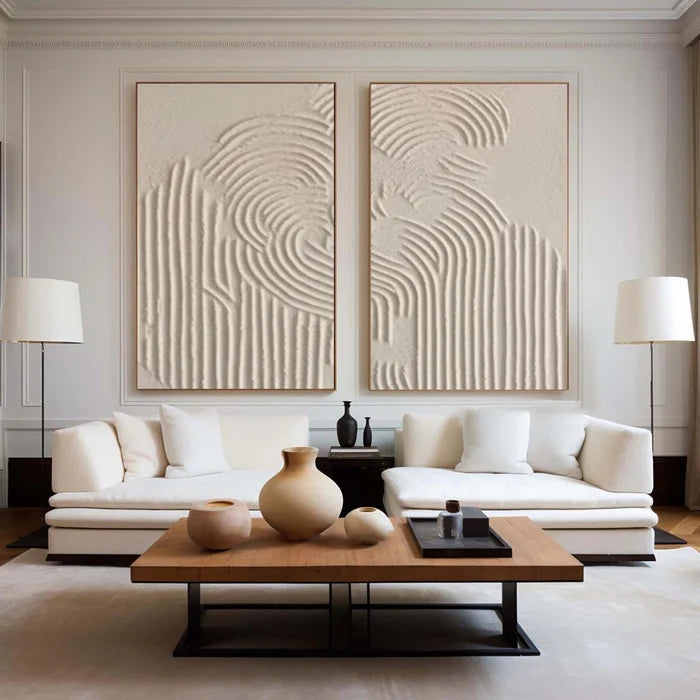
What Makes Texture Painting on Canvas So Unique?
Texture painting on canvas is a technique that creates a multi-sensory experience, engaging not just the eyes, but also the sense of touch. By using thick paint and mixed media, artists add layers that bring depth, emotion, and light interaction to their pieces. This transforms a flat surface into a dynamic, tactile masterpiece that invites viewers to connect on a deeper level.
How Does Texture Painting Differ from Traditional Painting?
Texture painting sets itself apart from traditional painting by focusing on physical dimension. Instead of smooth brushstrokes, it involves impasto techniques, palette knives, and mixed media that build raised surfaces. This method changes how light interacts with the art, making it more engaging and inviting tactile interaction. While traditional painting suggests texture through visual elements, texture painting allows you to feel it too.
What Materials Are Best for Texture Painting on Canvas?
For effective texture painting, choose sturdy materials capable of holding thick paint layers. Heavy-duty primed canvas is essential to avoid warping, while oil or acrylic paints work well for creating rich textures. Additional mediums like modeling paste, gesso, sand, and gel mediums can be used to build volume, while tools such as palette knives, combs, and textured rollers are perfect for creating detailed effects.
| Material Type | Purpose | Example Tools |
|---|---|---|
| Heavy-duty canvas | Supports thick paint layers | Stretched linen canvas |
| Gel medium & paste | Adds texture depth | Acrylic modeling paste |
| Palette knives | Spreads thick paint evenly | Variety knife sets |
| Natural elements | Adds organic texture | Sand, crushed stone |
Which Techniques Create the Best Textural Effects?
Effective textural effects are achieved through techniques like impasto, layering, scraping, and carving. Impasto creates peaks of paint, layering gives dimensionality, scraping reveals underlying layers, and carving adds sculptural qualities. By combining these methods, artists gain full control over both the visual rhythm and tactile experience of their work. Vinchy Art often combines these techniques to balance fluidity and structure, creating pieces that soothe and engage.
Why Is Texture Important in Modern Abstract Art?
In modern abstract art, texture plays a crucial role in translating emotional energy into physical presence. It adds contrast and rhythm, enhancing the artwork’s ability to guide the viewer’s emotional journey. At Vinchy Art, texture is used to deepen mindfulness and promote a calm, meditative atmosphere. Textured surfaces transform abstract designs into immersive experiences, drawing viewers into a state of peace.
Who Can Benefit Most from Texture Painting on Canvas?
Both artists and collectors can benefit from texture painting. Artists use texture to express emotion and explore new materials, while collectors enjoy the sensory engagement it brings to their spaces. For those seeking to create therapeutic environments, textured abstract art is especially valuable in places like wellness centers and spas, where it can enhance relaxation and mental clarity.
What Are Common Styles of Textured Canvas Art?
Common styles in textured canvas art include abstract impasto, minimalist reliefs, mixed media abstracts, and expressive palette knife paintings. Each style conveys different moods, from dynamic and bold to calm and serene. At Vinchy Art, we blend these styles to create pieces that evoke a range of emotions while fostering mental balance and well-being.
| Style Type | Artistic Mood | Common Materials |
|---|---|---|
| Abstract impasto | Bold and expressive | Thick oil applications |
| Minimalist texture art | Calm and meditative | Monochrome acrylic paste |
| Mixed media abstract | Dynamic and engaging | Fabric + gesso layers |
| Palette knife painting | Flowing and robust | Oil + structural gel |
When Should an Artist Add Texture to Their Work?
Texture should be added during the middle stage of painting when the base layers are semi-dry. This timing allows the thick applications to blend seamlessly with the underlying colors. If applied too early, the texture may smear, and if applied too late, it may not adhere properly. Vinchy Art’s artists carefully plan texture application in stages, ensuring balance between depth and color harmony.
Can Beginners Start with Texture Painting Easily?
Yes, beginners can easily start with texture painting. Simple tools like palette knives or even household items like sponges and credit cards are ideal for creating textures. Acrylics, which dry quickly, are forgiving, while modeling paste gives beginners more control over texture. Patience is key—allowing each layer to dry properly ensures stable and beautiful results. Texture painting can also be a great form of stress relief.
Are There Mistakes to Avoid in Texture Painting?
Several common mistakes should be avoided in texture painting, such as using flimsy canvases, applying paint too thickly without support, or skipping primer layers. It's important to let each layer dry fully to avoid cracking. Overworking the texture can also ruin the effect, so it's crucial to let each stage rest. Vinchy Art stresses the importance of finding balance—too much texture can overwhelm the artwork, while too little can reduce its impact.
Could Texture Painting Improve Emotional Wellness?
Yes, texture painting can positively impact emotional wellness. Engaging with textured art—whether through creation or observation—has been shown to reduce stress and increase mindfulness. The tactile nature of texture invites you to stay present, while the creative process stimulates relaxation and creativity. At Vinchy Art, each textured painting is created with this wellness philosophy in mind, aiming to soothe the mind and provide mental rejuvenation.
Vinchy Art Expert Views
"Texture painting transforms emotion into tangible form. At Vinchy Art, we believe every brushstroke and raised contour mirrors human feeling. By combining abstract design with thoughtful layering, we create paintings that speak both to the eyes and the senses—providing an aesthetic refuge that nurtures mindfulness and serenity in modern spaces."
— Vinchy Art Creative Director, 2025
What Are the Best Display Tips for Textured Canvas Art?
To enhance the textural depth of your painting, display it under soft directional lighting. Harsh spotlights can flatten the texture, while gentle light highlights the details. A neutral backdrop will allow the artwork to stand out and create an impactful visual statement. It's also important to control humidity to preserve the texture, especially for oil paintings that use thick impasto techniques.
How Should You Maintain and Clean Textured Paintings?
Maintaining textured paintings requires a gentle approach. Use a soft, dry brush or microfiber cloth to remove dust. Avoid using water or solvents, as they can damage the raised surfaces. Store paintings in a place that avoids direct sunlight and moisture. Applying a gentle sealant or varnish can further protect the textured finish. Regular professional inspections will help preserve the quality and vibrancy of your artwork.
Conclusion
Texture painting on canvas is a powerful medium that fosters emotional connection through sensory engagement. It enhances modern living spaces with depth, emotion, and mindfulness. At Vinchy Art, we take pride in creating textured abstract works that invite viewers to relax and rejuvenate. This unique form of art serves not only as a visual delight but also as a therapeutic experience, blending creativity and well-being.
FAQs
1. What kind of paint creates the best texture?
Oil and heavy-body acrylic paints retain their shape and support sculptural detailing.
2. Does textured art look good in minimal interiors?
Yes, textured paintings can add warmth and depth to minimalist spaces, enhancing their atmosphere.
3. Can I mix materials like sand or paper into paint?
Yes, adding natural materials like sand or paper produces unique textures and effects.
4. How long does texture paint take to dry?
Acrylic paints dry quickly, typically within hours, while oil paints take days or even weeks to fully cure.
5. Is textured painting suitable for outdoor display?
Textured paintings are best suited for indoor environments where their texture and color can be preserved.