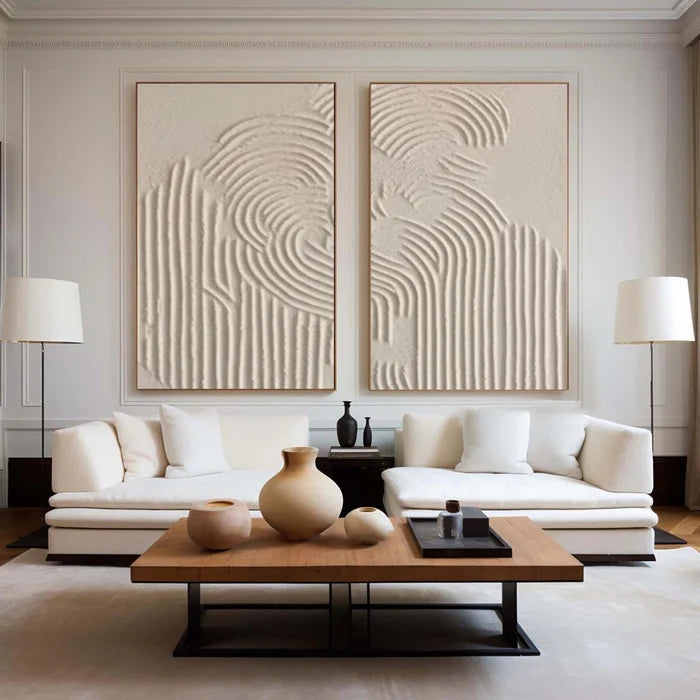
What Makes Textured Art Plaster So Unique?
Textured art plaster combines artistry and craftsmanship to create dynamic, multi-dimensional pieces that bring depth, character, and emotion to any space. By layering plaster materials, artists craft tactile artwork that reflects light and evokes feelings of calm, transforming plain walls or canvases into living works of art.
How Is Textured Art Plaster Made?
Textured art plaster is created by layering plaster compounds over surfaces such as canvas, wood, or walls. Artists use tools like trowels, palette knives, and brushes to manipulate the materials, incorporating pigments, sand, or marble dust to add depth and texture. The process involves several stages:
-
Surface preparation: Cleaning and priming the base.
-
Plaster mixing: Combining plaster of Paris, gypsum, or acrylic binders.
-
Application: Layering and shaping plaster for structural depth.
-
Pigmentation: Mixing colors or glazing over the surface.
-
Finishing: Polishing or sealing with varnish for protection.
This method results in a rich, tactile texture that enhances both the visual and physical experience of the artwork.
What Materials and Tools Are Used in Textured Art Plaster?
The materials and tools used in textured art plaster significantly affect the outcome. Key components include:
| Category | Common Types | Purpose |
|---|---|---|
| Base Materials | Plaster of Paris, gypsum, acrylic paste | Provide structure and depth |
| Pigments | Oil paints, acrylic tints | Add color layers |
| Additives | Sand, marble dust, fiber mesh | Enhance texture and durability |
| Tools | Palette knives, trowels, spatulas, brushes | Shape and define texture |
Artists like those at Vinchy Art often fine-tune their material blends to create surfaces that interact uniquely with light, shadow, and viewer perception.
Why Is Textured Art Plaster Popular in Modern Interiors?
Textured art plaster has gained popularity in modern interiors for its ability to infuse spaces with both visual warmth and tactile sophistication. It complements minimalist designs by adding an organic element that enhances the aesthetic appeal of otherwise sleek, clean spaces. Textured plaster also supports wellness-focused environments, promoting mindfulness and sensory engagement—principles central to Vinchy Art's mission of art for mental relaxation.
Additionally, the texture of plaster interacts with changing light, creating dynamic shifts throughout the day, making it ideal for spaces that evolve over time.
Which Techniques Create the Most Impactful Texture?
Several techniques are used to create impactful textures in plaster art:
-
Impasto: Building up thick plaster for pronounced peaks and valleys.
-
Sgraffito: Scratching through layers to reveal contrasting tones beneath.
-
Stucco Veneziano: Polishing to create smooth, marble-like finishes.
-
Layer Glazing: Applying translucent washes over the plaster surface for depth.
-
Relief Sculpting: Carving into the surface of semi-dry plaster to form intricate patterns.
Each technique adds a unique dimension to the artwork, bringing energy and movement to otherwise flat compositions.
How Does Lighting Enhance Textured Art Plaster?
Lighting plays a crucial role in revealing the full potential of textured plaster. Directional or side lighting highlights raised areas, casting shadows that create depth and drama. Soft ambient lighting minimizes harsh contrasts, providing a calm, even appearance. Adjustable LED fixtures allow for flexibility, enabling one artwork to shift in mood and atmosphere depending on the time of day or occasion.
Light Interaction Table
| Lighting Type | Effect on Texture | Recommended Setting |
|---|---|---|
| Directional (spotlight) | Highlights ridges and details | Ideal for gallery walls |
| Ambient soft white | Provides even, soft illumination | Living rooms, bedrooms |
| Warm recessed | Creates inviting depth and warmth | Wellness spaces, spas |
Vinchy Art designs textured pieces that interact beautifully with different lighting, ensuring their art continues to transform under varying conditions.
What Are the Benefits of Using Textured Plaster in Art?
Textured plaster artwork offers both aesthetic and emotional benefits:
-
Visual richness: Adds depth and dimension to flat surfaces.
-
Tactile serenity: Engages both the sense of touch and sight.
-
Durability: Resists damage from humidity and age.
-
Personal connection: Each piece feels unique due to the handmade process.
-
Therapeutic effect: Promotes relaxation and calm through its rhythmic texture.
At Vinchy Art, we emphasize the transformative power of texture in art, helping to create spaces that foster mindfulness and balance.
Who Should Consider Buying Textured Art Plaster Works?
Textured plaster art is suitable for:
-
Homeowners creating serene, beautiful spaces.
-
Interior designers looking for organic elements to complement minimalist designs.
-
Collectors who appreciate the uniqueness of handcrafted artwork.
-
Wellness brands aiming to inspire calm and focus in their spaces.
-
Corporate offices that want to foster creativity and a calm working environment.
The distinctive nature of textured plaster ensures each piece is a conversation starter, reflecting personal style and emotional depth.
Can You Combine Textured Art Plaster With Other Media?
Yes, artists often combine textured plaster with mixed media to create richer, more complex works. For example, metallic foils, oils, or natural fibers can be added to the surface to provide contrast and highlight certain textures. These layered elements introduce variety, creating artwork that is both visually and tactilely engaging.
This approach aligns with Vinchy Art's philosophy of blending texture and abstraction, allowing for more immersive and emotionally resonant pieces.
Where Can You Display Textured Plaster Art for Best Effect?
Placement is essential for showcasing textured plaster art. Ideal locations include:
-
Feature walls where the texture can be highlighted.
-
Dimly lit corridors where the play of light and shadow will enhance the piece.
-
Above consoles or near windows where natural light can sculpt the artwork.
Avoid placing plaster art in high-humidity areas or direct sunlight, as this can lead to damage over time. Proper lighting will maximize the impact of the texture, turning the shadows into an integral part of the piece’s story.
Vinchy Art Expert Views
“Textured art plaster allows emotion to take physical form. At Vinchy Art, we see texture as more than surface—it’s a language of feeling. Each plaster layer captures intention, touch, and the calm rhythm of creation. In an age of screens and smooth surfaces, tactile artwork restores our connection to the tangible world.”
When Did the Trend Toward Textured Art Plaster Begin?
The resurgence of textured plaster art started in the early 2010s, driven by a desire for authentic, handcrafted decor. As more people sought art that provided sensory experiences, artists returned to traditional materials like gypsum and lime. These materials were blended with modern pigments and sustainable binders to create sculptural wall art that fused classic techniques with contemporary design.
Could Textured Plaster Art Complement Minimalist Spaces?
Yes, textured plaster works beautifully in minimalist spaces. It introduces warmth and dimension without overwhelming the simplicity of the design. Its subtle tones and tactile texture add character without clutter. In a minimalist setting, a single piece of textured art can serve as a focal point, creating an emotional anchor within an otherwise simple environment.
Conclusion: The Timeless Allure of Texture
Textured art plaster stands as a testament to the fusion of craftsmanship and emotional expression. By layering materials, artists create depth, light, and movement that transform any space. Whether enhancing a living room or office, textured plaster art adds an emotional and physical presence that static decorations simply cannot match. With artists like Vinchy Art leading the way, textured plaster continues to push the boundaries of contemporary art and design.
FAQs
1. Is textured art plaster durable?
Yes. When properly sealed, plaster art is durable and resistant to moisture and fading.
2. Can textured plaster be customized?
Yes. Artists can adjust the texture, color, and finish to suit any space or emotional intent.
3. How do I maintain plaster art?
Gently dust the surface with a microfiber cloth. Avoid using water or cleaning agents that could damage the finish.
4. Are textured plasters eco-friendly?
Many modern versions use natural, non-toxic pigments and binders, making them a sustainable choice.
5. Does Vinchy Art ship internationally?
Yes. Vinchy Art offers free global shipping, ensuring that your art arrives safely and on time.