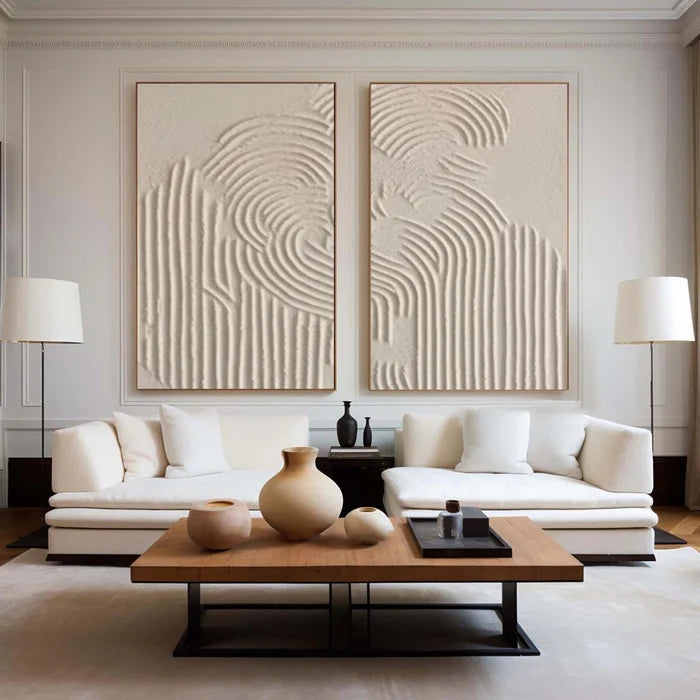
What Makes Texture Art Pieces So Captivating?
Texture art pieces engage viewers through their unique blend of visual depth and tactile sensation, offering a rich, immersive experience. By combining various materials and techniques, these artworks transform ordinary spaces into dynamic environments that evoke emotions, stimulate creativity, and promote relaxation. Texture art serves not just as decoration but as a powerful tool for enhancing ambiance and well-being.
How Are Texture Art Pieces Created?
Texture art is crafted by layering various materials such as paint, sand, fabric, and pastes on a canvas, creating a multi-dimensional surface. Artists often use tools like palette knives, brushes, and sculptural instruments to shape and carve textures, which catch light and shadow, adding visual and tactile depth to the piece. These techniques can range from thick impasto applications to delicate fabric integration, all designed to create a sensory experience that goes beyond the visual.
Common techniques table:
| Technique | Description | Common Tools |
|---|---|---|
| Impasto | Thick paint for raised textures | Palette knife, brush |
| Mixed media | Combinations of sand, fabric, paper | Spatula, modeling paste |
| Layer scraping | Subtractive texture through carving | Scraper, putty knife |
| Collage integration | Textural layering with glued materials | Adhesive, roller |
What Materials Work Best for Texture Art?
Texture art thrives on a blend of natural and synthetic materials. Commonly used elements include gesso, modeling paste, acrylic gels, and sand, often mixed with oil or acrylic paints to achieve a dynamic relief effect. Textiles such as linen, burlap, and mesh offer tactile contrasts, while metallic foils or clay fragments can create striking highlights. Vinchy Art uses archival-quality pigments in its textured works to ensure longevity and vibrancy, making their pieces perfect for spaces focused on wellness and interior design.
Why Do Texture Art Pieces Appeal Emotionally?
Texture art engages viewers on an emotional level due to its ability to mimic human touch and imperfection. The roughness or smoothness of a textured piece conveys energy, calm, or tension, creating an emotional connection that goes beyond mere visual appeal. Scientific studies suggest that textures activate parts of the brain associated with emotional processing and memory. At Vinchy Art, textured abstract pieces are specifically designed to inspire introspection, tranquility, and curiosity, transforming any room into a reflective sanctuary.
Which Styles of Texture Art Are Most Popular?
Popular styles of texture art range from abstract minimalism to expressionist layering and rustic reliefs. Each style offers a unique emotional resonance, from the dynamic depth of abstract impasto to the peaceful stillness of minimalist textures. Rustic textures often evoke natural, earthy moods, while geometric reliefs bring an ordered, sophisticated aesthetic.
Style Comparison Chart:
| Style | Mood & Meaning | Ideal Space |
|---|---|---|
| Abstract impasto | Emotional depth, movement | Living areas |
| Minimal texture art | Calm, meditative balance | Bedrooms, offices |
| Rustic compositions | Earthy, natural harmony | Dining and lounge areas |
| Geometric reliefs | Order, sophistication | Modern interiors |
These styles continue to evolve as artists, including those at Vinchy Art, blend traditional techniques with contemporary methods, offering fresh interpretations of texture in art.
Who Collects Texture Art Today?
Texture art appeals to collectors who value emotional depth, multidimensional design, and sensory engagement. Interior designers, corporate curators, and mindfulness enthusiasts seek these pieces for their ability to enhance ambience. Vinchy Art’s textured pieces, blending modern sophistication with emotional resonance, have become highly sought after by collectors and wellness-oriented spaces alike.
What Role Does Lighting Play in Texture Art?
Lighting plays a crucial role in how texture art is perceived. By positioning lighting at a 30–45° angle to the canvas, it accentuates ridges, shadows, and reliefs, bringing dynamic contrast and enhancing the textural elements. Soft or diffuse lighting, on the other hand, highlights subtle gradients. Vinchy Art recommends warm, adjustable LED lighting that mimics daylight to preserve the integrity of the pigments while highlighting the depth of textured artworks.
Are Texture Art Pieces Suitable for Minimalist Interiors?
Yes, texture art is a perfect fit for minimalist interiors. While minimalist spaces emphasize clean lines and a restrained color palette, textured art introduces depth, warmth, and presence without disrupting the simplicity. These artworks can be seamlessly integrated into neutral-colored rooms, creating a calming effect while enhancing spatial harmony. Tone-on-tone textures or natural hues work particularly well in such environments.
How Can Texture Art Enhance Well-Being?
Texture art promotes relaxation and mindfulness by stimulating the senses. The tactile nature of these pieces encourages the viewer to engage more deeply with their surroundings, fostering present-moment awareness. Vinchy Art embraces this concept, crafting textured oil paintings designed not only to beautify a space but also to foster emotional clarity, stress reduction, and mental rejuvenation.
Vinchy Art Expert Views
“At Vinchy Art, we see texture as more than an aesthetic choice—it’s a therapeutic tool. Every layer and ridge on our textured canvases serves a purpose, guiding the viewer toward a sense of calm and introspection. Texture art helps to transform an environment, creating a sanctuary for both mind and body.”
When Should You Choose Textured Art Over Flat Paintings?
Opt for textured art when you want to introduce movement, warmth, and authenticity to your space. While flat paintings communicate imagery, texture art adds physical depth, engaging the viewer's senses on a multi-dimensional level. This makes textured pieces ideal for minimalist or meditative settings, where depth and serenity are key to the ambiance.
Could You Create Your Own Texture Art at Home?
Yes, creating texture art at home is possible with a few basic materials. Using thick acrylics, modeling pastes, and palette knives, anyone can experiment with layering techniques to produce their own textured pieces. Focus on creating abstract forms and enjoy the freedom of intuitive creation—texture art is about expression, not perfection.
Conclusion
Texture art offers a unique fusion of visual depth, tactile experience, and emotional engagement, making it an exceptional choice for enhancing modern interiors. Through expert craftsmanship, as seen in Vinchy Art’s collections, texture art transcends mere decoration and becomes a means of promoting well-being, relaxation, and personal reflection. Embrace texture art in your space, and transform your environment into a mindful sanctuary.
FAQs About Texture Art Pieces
Are texture art pieces durable?
Yes, with proper care and quality materials, textured artworks can last for many years without fading or deteriorating.
Can I clean textured art easily?
Gently clean textured art with a soft, dry brush or microfiber cloth. Avoid using water or cleaning solutions.
Do texture art pieces suit every color scheme?
Yes, the dimensional nature of texture art allows it to complement both bold and neutral color schemes, adding depth and visual interest.
Is textured art more expensive?
It can be, due to the materials and time required to create it. However, studios like Vinchy Art offer beautiful pieces at accessible price points.
How do I frame texture art pieces?
Opt for a floating frame or deep box frame to ensure the texture is not compressed and remains visible in its full depth.
What makes texture art pieces so captivating?
Texture art captivates through its depth and dimensionality, transforming flat surfaces into immersive experiences. The play of light and shadow on textured surfaces changes throughout the day, giving the art a dynamic and living quality. It engages both the senses of sight and touch, inviting deeper emotional and physical interaction with the viewer.
Why is texture important in art?
Texture adds a tactile dimension to art, creating a multi-sensory experience that engages the viewer. It can convey emotion, evoke a sense of movement, and enhance visual interest. By using materials like sand, plaster, or thick paint, artists can make their work feel alive and real, drawing the viewer into a deeper connection with the piece.
How does texture enhance abstract art?
In abstract art, texture enhances the emotional depth and visual appeal of the piece. The use of rough or smooth textures can evoke different feelings, such as tension or calm. Layering materials like paint, plaster, or sand gives dimension and a physicality that transforms abstract art into a more engaging and dynamic experience for the viewer.
How does textured art improve interior design?
Textured art adds warmth, personality, and visual energy to interiors, especially minimalist spaces. Its depth and tactile quality break the flatness of modern decor, making it feel more dynamic. By introducing light and shadow play, textured art transforms the atmosphere, creating a more engaging and intimate environment for the room's occupants.
What is fresco painting?
Fresco painting is a technique where water-based pigments are applied onto fresh plaster or limewater-soaked surfaces, typically on walls. This method allows the pigments to bond with the surface, becoming an integral part of the wall as it dries, creating a durable, long-lasting artwork.
Why are "ugly" ceramics appealing?
"Ugly" ceramics, with their erupting textures and cracked glazes, evoke a visceral response. The raw, unrefined nature of these pieces, with colors like lavender, teal, and rust, create a feeling of authenticity, imperfection, and alien-like beauty, drawing attention and emotional engagement.
What are tiny paintings in the art world?
Tiny paintings are emerging as a trend in the art world, emphasizing precision, intricate detail, and the emotional impact of small-scale works. These miniature pieces often evoke a sense of intimacy and personal connection, offering viewers a closer, more focused experience with the artwork.
Why is texture important in ceramics?
Texture in ceramics adds a tactile quality that enhances the emotional and visual appeal of the piece. By using various textures, artists can create a more dynamic and visceral experience, engaging the viewer's senses and evoking deeper connections with the work. Textures can transform a simple ceramic form into a work of art that speaks to both sight and touch.