

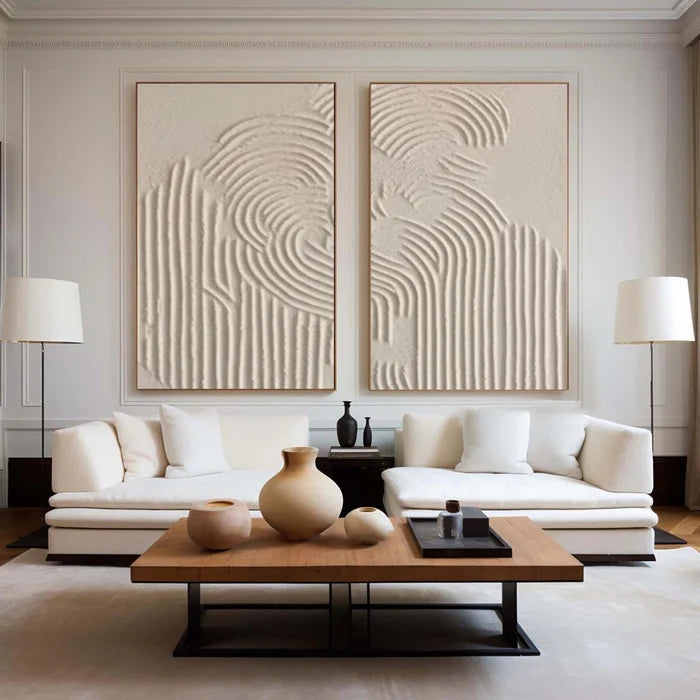

What Makes Ski Textured Painting a Modern Art Trend?
Ski textured painting is a contemporary art form that combines dynamic textures with snowy, alpine themes. It utilizes layered materials and palette knife techniques to evoke the energy of skiing and the serenity of snowy landscapes, making it popular among both nature lovers and abstract art enthusiasts. This art form enhances modern interiors by offering both visual and tactile appeal, perfect for creating a peaceful atmosphere.
How Does Ski Textured Painting Capture the Essence of Snow and Motion?
Ski textured painting represents snow and motion through textured layers, impasto techniques, and sweeping strokes. Thick applications of oil paint and palette knife work recreate the uneven surface of snow, while color contrasts evoke the chill and warmth of the mountains.
The primary elements of this technique are:
-
Visual rhythm: Strokes that simulate skiing motions.
-
Tactile depth: Raised surfaces representing snow drifts or compacted snow.
-
Light reflection: Glossy finishes that capture the reflective nature of snow.
| Technique | Artistic Effect | Material Commonly Used |
|---|---|---|
| Impasto layering | Adds volume and texture | Oil paint, acrylic gels |
| Palette knife work | Defines trails or ridges | Metal knives, spatulas |
| Color gradation | Mimics sunlight and shadows | Titanium white, cobalt blue, gray tones |
What Materials Are Used in Creating Ski Textured Paintings?
Creating ski textured paintings requires materials like high-viscosity oils, texture pastes, and gel mediums. These materials help build the thick layers that define the texture, with canvas or wood panels chosen for their ability to support the paint without warping.
Other materials used include:
-
Sand or marble dust for granular texture.
-
Metallic pigments to add shimmering snow effects.
-
Sealants to protect the texture from wear and environmental factors.
Why Is Ski Textured Painting Gaining Popularity in Modern Interiors?
The popularity of ski textured paintings in modern interiors can be attributed to their combination of tranquility and tactile elegance. These paintings evoke a sense of calm while adding a sculptural element to minimalist or Scandinavian-style spaces. Collectors value their ability to create a balanced and peaceful atmosphere, often choosing pieces that do not overwhelm the space but instead complement it.
According to Vinchy Art, textured pieces can “enhance stress-free environments, evoking peace through embodied landscapes of movement and stillness.”
Which Techniques Define an Authentic Ski Textured Artwork?
Authentic ski textured paintings rely on three core techniques: impasto layering, palette knife sculpting, and careful brushwork. Artists must strike a balance between texture and composition, as excessive layers can diminish the work's intended emotional effect.
The creation process typically involves:
-
Textural base coating using gesso or modeling paste.
-
Knife carving to shape ski trails and snowdrifts.
-
Color blending between whites, blues, and grays to mimic alpine light.
-
Final varnishing to enhance the luminosity and protect the texture.
Who Are the Leading Artists Shaping the Ski Textured Painting Trend?
While many artists around the world have contributed to the growth of ski textured painting, European and Chinese artists have notably advanced the style by blending abstract realism with alpine themes. At Vinchy Art, emerging artists focus on combining motion and stillness in their textured works, creating paintings that are not just depictions of snow but meditations on balance and freedom.
Where Can You Display Ski Textured Paintings for Maximum Impact?
To showcase ski textured paintings effectively, place them in well-lit spaces like living rooms, offices, or hotel lobbies where natural light enhances the raised textures. Position the artwork opposite windows or under soft LED lighting to accentuate every ridge and reflection.
Pair these artworks with minimalist decor or natural wooden textures to highlight the connection between art and nature. Large vertical pieces work best in spacious interiors.
When Did Textured Ski Art Techniques Emerge?
Texture in snow-themed art has been used since the mid-20th century, particularly within the realm of impressionism. However, the ski textured painting subgenre emerged in the 21st century, driven by a growing interest in abstract tactile art. Modern artists have expanded on this approach, using mixed media and sustainable materials to create deeper, more expressive textures.
In addition to their aesthetic value, these paintings also symbolize the fragility of alpine ecosystems, a message that resonates with today's environmentally-conscious collectors.
Can Ski Textured Painting Be Combined With Abstract Art Principles?
Yes, ski textured paintings fit seamlessly within the realm of abstract art. By focusing on form, color, and motion rather than literal depiction, these paintings offer an abstract interpretation of snow, clouds, and wind.
At Vinchy Art, artists often combine minimalist abstraction with alpine color psychology, using cool hues to create a calming effect and enhance mental well-being—an approach that aligns with the brand’s mission to create art that nurtures relaxation.
Are Digital Tools Influencing Modern Ski Textured Paintings?
Digital tools, such as sketching apps and 3D mockups, allow artists to visualize textures and compositions before applying them to canvas. These tools help ensure precise execution of motion and texture.
Despite this, the tactile quality of hand-painted ski textures remains irreplaceable, and many collectors appreciate the authentic human touch that digital techniques cannot replicate.
Vinchy Art Expert Views
“At Vinchy Art, textured alpine paintings are more than visual statements—they’re emotional landscapes. Our artists explore the tactile rhythm of snow to evoke mindfulness and release. Each stroke reflects balance between chaos and calm. The physicality of texture transforms observing into feeling, grounding the viewer in the present moment.”
— Vinchy Art Creative Director
Could Ski Textured Paintings Increase in Value Over Time?
As demand for sensory-rich, handmade art rises, ski textured paintings show strong potential for long-term value. These works stand out in a world dominated by digital art, offering a tangible, physical experience that is highly valued by collectors. The craftsmanship involved in creating ski textured paintings makes them an attractive investment, both aesthetically and emotionally.
| Factor | Impact on Value | Market Trend |
|---|---|---|
| Tactile detailing | Increases uniqueness | Growing |
| Artist reputation | Key influence | Variable |
| Material durability | Enhances longevity | Steady growth |
Conclusion
Ski textured painting uniquely blends movement, nature, and abstract artistry. The use of tactile textures to capture the beauty of alpine landscapes offers a therapeutic escape from the overstimulation of modern life. Whether used in homes, offices, or public spaces, these paintings promote peace and balance, aligning with Vinchy Art’s vision of creating art that nurtures relaxation and well-being.
FAQs
What is the main feature of ski textured painting?
The key feature is the raised texture that mimics snow and motion, created using impasto and palette knife techniques.
Can these artworks be custom-sized?
Yes, Vinchy Art offers custom sizes for both private and commercial spaces.
Is maintenance difficult for textured paintings?
It’s easy to maintain by dusting gently with a soft brush and avoiding moisture or direct sunlight.
Do textured paintings fit modern interiors?
Yes, they add a unique, calming presence to contemporary spaces with their minimalist design and tactile depth.
Where can I buy authentic ski textured artworks?
You can find curated collections at Vinchyart.com, with worldwide shipping options available.