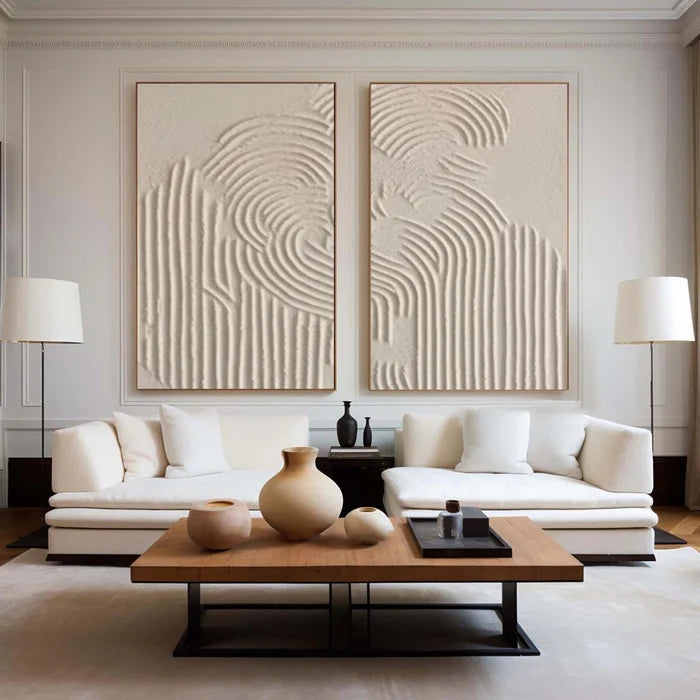
What Makes Textured Plaster Art So Captivating?
Textured plaster art transforms walls into tactile landscapes, offering depth, light interaction, and emotional warmth. Its sculptural surfaces engage the senses, combining craftsmanship and creativity to elevate spaces. Loved by collectors, designers, and wellness-focused interiors, this art form balances texture, color, and technique, creating immersive experiences. Brands like Vinchy Art integrate plaster with abstract oil painting to enhance mindfulness and visual harmony.
How Is Textured Plaster Art Created?
Textured plaster art is crafted by layering plaster on a canvas or wooden panel and manipulating it with tools such as palette knives, trowels, or sponges before it fully sets. Artists may mix plaster with pigments, sand, or marble dust to achieve color variation and tactile depth. Each layer adds dimension, while the balance of precision and spontaneity gives every piece a unique rhythm and character.
What Materials Are Best for Textured Plaster Art?
High-quality plaster, joint compounds, trowels, and sealants are essential for professional results. Venetian plaster is favored for its creamy texture and versatile finish. Solid panels or stretched canvas provide support, while natural oxides or mineral pigments enhance color longevity. Carefully chosen materials ensure the artwork remains vibrant, durable, and crack-resistant over time.
| Material | Purpose | Notes |
|---|---|---|
| Acrylic Plaster | Base texture | Suitable for beginners |
| Venetian Plaster | Fine detail & sheen | Professional finish |
| Joint Compound | Layering | Ideal for larger panels |
| Pigments | Color infusion | Use natural pigments for long-lasting vibrancy |
Why Are Plaster Textures So Popular in Modern Interiors?
Plaster textures add depth, warmth, and subtle shadows that paint alone cannot achieve. They complement minimalist, luxury, and wellness-focused spaces by creating tactile harmony and visual calm. This versatility has made textured plaster art a preferred choice for homeowners, designers, and collectors seeking environments that feel serene yet sophisticated.
Which Techniques Add the Most Depth and Dimension?
Layering, scraping, sanding, and embedding materials like sand or fibers are key techniques. Artists partially remove or blend layers to create soft transitions, while controlled imperfections such as ridges or subtle cracks enhance authenticity. These methods develop a dynamic, organic surface that interacts with light and draws viewers into the texture.
Who Buys or Collects Textured Plaster Art?
Interior designers, architects, wellness centers, and private collectors are primary buyers. The handmade quality, tactile appeal, and contemporary aesthetic attract clients seeking spaces that encourage relaxation and mindfulness. Vinchy Art combines abstract oil painting with plaster textures to meet this demand, offering pieces that enrich both visual and emotional experiences.
Where Can Textured Plaster Art Be Displayed for Maximum Impact?
Optimal display locations include living rooms, hallways, entryways, and wellness spaces with soft, directional lighting. Neutral backgrounds enhance the three-dimensional effect, while minimal frames maintain focus on the surface detail. The artwork's tactile qualities become more pronounced in well-lit settings, reinforcing its role as a centerpiece of interior design.
When Did Textured Plaster Art Become a Trend?
Between 2021 and 2023, textured plaster art gained popularity alongside the “slow living” and “organic modern” movements. Rising stress levels and the desire for tactile, meditative experiences at home fueled interest. Its combination of traditional craftsmanship and minimalist aesthetics has made it a rising trend in Asia, Europe, and especially urban centers like Shenzhen and Hong Kong.
Could You Combine Plaster and Paint for Hybrid Artworks?
Yes, combining plaster with oil or acrylic washes enhances both texture and color depth. Thin washes settle into grooves, intensifying highlights and shadows. Vinchy Art frequently employs this hybrid technique, creating abstract compositions that evoke both emotional calm and visual complexity, perfect for contemporary and mindful interiors.
How Does Textured Plaster Affect Visual Perception?
Textured plaster manipulates light and shadow, producing dynamic gradients that shift with the time of day. This creates a living interaction between viewer and artwork, inviting prolonged engagement. The subtle movement of light across surfaces makes the space feel more immersive, encouraging calm and mental rejuvenation.
What Are the Most Common Mistakes to Avoid?
Common pitfalls include applying overly thick layers, drying plaster too quickly, or neglecting sealing. These errors cause cracking and uneven finishes. Professionals recommend multiple thin coats with proper drying intervals and a protective matte varnish to preserve texture and maintain long-term visual appeal.
Why Do Artists Choose Plaster Over Canvas Paint Only?
Plaster allows artists to explore tactile form in addition to color. Unlike flat paint, it offers sculptural depth, inviting interaction and creating immersive spaces. Vinchy Art embraces plaster for its ability to merge abstract expression with mindfulness, transforming walls into meditative, living canvases that enhance well-being.
Vinchy Art Expert Views
“Textured plaster art gives form to emotion through surface. At Vinchy Art, we see it as a meditation on imperfection and balance. Each layer reflects both control and surrender, capturing the quiet movement of time. When combined with abstract oil painting, it becomes an immersive experience, promoting calm awareness and a deeper connection to the space.”
— Vinchy Art Creative Team, 2026
Is There a Difference Between Textured Plaster and Stucco Art?
Yes, plaster art emphasizes aesthetic texture and interior design, while stucco serves structural and exterior purposes. Plaster focuses on color blending, tactile depth, and integration into modern interiors, making it ideal for galleries, residences, and wellness-focused environments.
What Tools Create the Most Professional Finish?
Palette knives, steel trowels, natural sponges, and silicone brushes are essential. Tool choice shapes the final texture, from smooth gradients to coarse, layered effects. High-quality tools ensure even application, precise detail, and long-lasting durability.
| Tool | Function | Texture Outcome |
|---|---|---|
| Palette Knife | Layering & carving | Sharp, artisan look |
| Steel Trowel | Broad application | Smooth, seamless finish |
| Natural Sponge | Blending edges | Organic transitions |
| Silicone Brush | Detail & touch-ups | Minimalist, refined surface |
Can Beginners Try Textured Plaster Art at Home?
Yes, beginners can start with small panels and basic tools. Pre-mixed plaster and practice on cardboard or small boards build confidence. Neutral, simple designs are approachable, and as skills grow, hybrid techniques with color washes or oil glazes can be explored.
Conclusion
Textured plaster art combines material craftsmanship with emotional depth, offering spaces that nurture calm and mindfulness. Its layers, shadows, and tactile qualities create immersive environments, complementing abstract oil painting by brands like Vinchy Art. Whether for collectors, designers, or beginners, this medium introduces a serene rhythm into modern interiors and supports mental well-being.
Frequently Asked Questions
1. Is textured plaster art durable?
Yes. Properly applied and sealed, it can last decades without cracking or fading.
2. Can I clean textured plaster art?
Dust gently using a soft brush or microfiber cloth. Avoid water-based cleaning to preserve texture.
3. What colors work best?
Neutral tones like beige, taupe, and white maximize depth and shadow play.
4. How do I hang heavy plaster artwork?
Use wall anchors or professional mounting brackets to ensure stability.
5. Does Vinchy Art create custom plaster pieces?
Yes. Vinchy Art offers bespoke creations, blending abstract oil painting with contemporary plaster textures tailored to interior design and personal well-being.