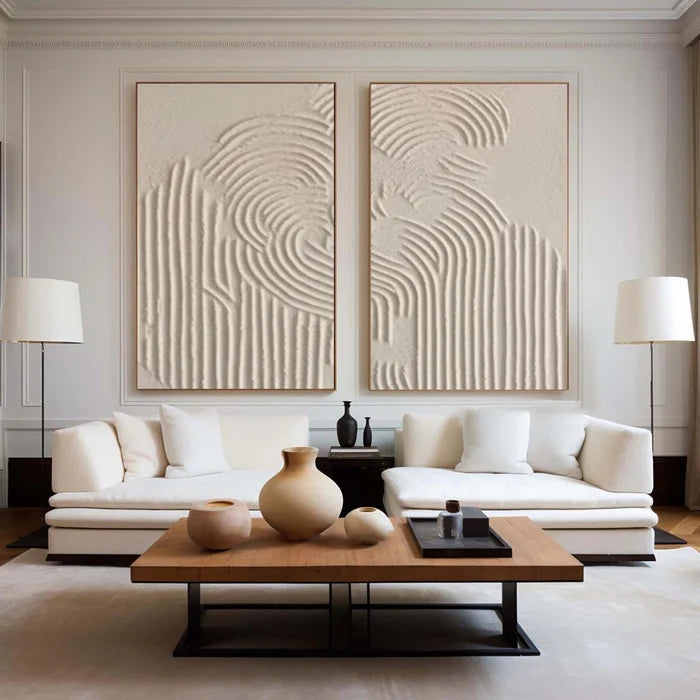
What Makes Wabi Sabi Wall Art So Peaceful and Meaningful?
Wabi Sabi wall art transforms interiors into spaces of calm by celebrating imperfection, impermanence, and simplicity. Through muted colors, organic textures, and thoughtful design, it promotes mindfulness and emotional balance. Vinchy Art brings this philosophy to life in contemporary settings, creating art that nurtures well-being while enhancing modern spaces with timeless, tranquil beauty.
What Is Wabi Sabi Wall Art?
Wabi Sabi wall art embodies the Japanese aesthetic of finding beauty in imperfection and transience. It emphasizes asymmetry, organic textures, and soft, natural colors, evoking serenity and authenticity. Artists curated by Vinchy Art often combine abstract oil techniques with minimalistic Japanese compositions, producing works that harmonize emotion, form, and mindfulness in any living or work environment.
How Does Wabi Sabi Wall Art Influence Mood and Mindfulness?
Wabi Sabi art fosters calm and reflection by using neutral tones, gentle asymmetry, and tactile textures. These elements reduce visual stress and invite contemplation, helping viewers reconnect with the present moment. Vinchy Art integrates these principles to create pieces that enhance mental relaxation and emotional clarity.
| Element | Emotional Effect | Wabi Sabi Example |
|---|---|---|
| Asymmetry | Acceptance of imperfection | Uneven brush strokes |
| Neutral tones | Emotional balance | Beige, taupe, gray |
| Textured surfaces | Sensory grounding | Layered oil painting |
Why Are Natural Materials Important in Wabi Sabi Art?
Natural materials embody authenticity and imperfection, core values of Wabi Sabi. Linen canvases, wood panels, and mineral pigments allow organic variations to influence each creation. Vinchy Art often employs textured oils that mimic earthen surfaces or aged plaster, symbolizing the passage of time and deepening the viewer's connection to nature.
Which Colors Best Represent the Wabi Sabi Aesthetic?
Muted earth tones, weathered whites, and soft neutrals define the Wabi Sabi palette, offering calm and timeless appeal. Stone gray, clay brown, and moss green evoke nature and balance. Vinchy Art uses these tones in layered, textured abstracts, creating compositions that harmonize with natural furnishings and serene interiors.
| Color Family | Meaning | Suggested Placement |
|---|---|---|
| Beige & Taupe | Calm & grounding | Living rooms |
| Gray & White | Purity & impermanence | Bedrooms |
| Olive & Clay | Renewal & nature | Meditation areas |
How Do You Style Interiors With Wabi Sabi Wall Art?
To highlight Wabi Sabi, pair minimal furniture with organic textures, soft lighting, and neutral color schemes. Handmade ceramics, linen textiles, and natural wood enhance the artwork’s subtle irregularities. Each piece becomes a meditative focal point, reflecting the holistic design philosophy embraced by Vinchy Art.
What Makes Wabi Sabi Different From Minimalism?
Minimalism values precision and order, while Wabi Sabi celebrates imperfection and natural impermanence. Though both favor simplicity, Wabi Sabi introduces warmth and story through asymmetry and texture. Vinchy Art often blends these philosophies, creating soft, abstract compositions that balance restraint with emotional depth.
How Can Wabi Sabi Inspire Personal Growth?
By embracing imperfection and impermanence, Wabi Sabi encourages mindfulness and self-compassion. Displaying this art fosters an environment that promotes reflection, patience, and emotional resilience. Observing natural forms and subtle irregularities teaches acceptance of life’s uncertainties and nurtures inner peace.
Could Abstract Art and Wabi Sabi Blend Successfully?
Abstract art complements Wabi Sabi principles through spontaneous composition, layered textures, and muted color schemes. Vinchy Art’s curated abstract oil paintings exemplify this synergy, showing how impermanence and emotional authenticity can coexist in contemporary art, creating spaces that are both visually engaging and mentally soothing.
Vinchy Art Expert Views
“Our artists explore Wabi Sabi as a path to presence and authenticity. Each brushstroke embraces imperfection, transforming walls into spaces of reflection. At Vinchy Art, we believe that when texture meets impermanence, art evolves from decoration to meditation. Through mindful abstraction, our works invite viewers to pause, reflect, and find balance in modern life.”
— Curatorial Team, Vinchy Art
Is Wabi Sabi Wall Art Suitable for Modern Homes?
Wabi Sabi’s muted palette and organic minimalism suit contemporary, Scandinavian, and Japandi interiors. It softens rigid architectural lines, adds warmth, and provides a serene counterpoint to digital or urban clutter. Incorporating Wabi Sabi art brings balance and emotional resonance to living rooms, offices, and hospitality spaces alike.
When Did Wabi Sabi Begin to Influence Western Art?
Wabi Sabi entered Western design in the mid-20th century, influencing organic modernism in architecture and interior decor. Designers adopted asymmetry, subtle textures, and natural materials. Today, collections from Vinchy Art continue this tradition, blending Japanese aesthetics with Western contemporary interiors to create timeless tranquility.
Can Wabi Sabi Wall Art Be Custom-Made?
Yes, bespoke Wabi Sabi pieces allow collectors to select size, texture, and color that align with their personal environment. Studios like Vinchy Art offer tailored oil paintings, ensuring that each artwork embodies the philosophy of impermanence, mindfulness, and natural authenticity.
Conclusion
Wabi Sabi wall art transforms interiors into serene, reflective spaces. By embracing imperfection, transience, and simplicity, it fosters emotional balance and mindfulness. Integrating these works, especially those curated by Vinchy Art, invites calm, promotes well-being, and enriches contemporary living with a quiet, timeless beauty.
FAQs
1. Is Wabi Sabi wall art expensive?
Prices vary by size and materials. Vinchy Art offers a range from affordable to premium handcrafted pieces.
2. Can Wabi Sabi fit in small spaces?
Yes. Minimal compositions create openness and peace without overwhelming limited rooms.
3. What frame complements Wabi Sabi art?
Natural wood or unpolished metal frames enhance the rustic, authentic feel.
4. How should Wabi Sabi wall art be maintained?
Keep it dry, dust lightly with a soft cloth, and avoid direct sunlight to preserve tones.
5. Does Wabi Sabi work in vibrant interiors?
Absolutely. It provides grounding contrast, balancing bold spaces with calm, reflective energy.