What Should You Consider When Buying Vintage Rustic Canvas Painting?
A vintage rustic canvas painting works best when its aged-looking palette, subject, scale, and texture relate to the room rather than merely copying a farmhouse trend. Choose a landscape, botanical, animal, still life, or abstract work with muted earth tones; size it for the wall and furniture below it; then use framing and lighting to reinforce its collected, timeworn character.
What Defines Vintage Rustic Canvas Painting?
Vintage rustic canvas painting combines nostalgic visual cues with nature-led, informal interior style. It may feature weathered color, softened contrast, rural or woodland imagery, expressive brushwork, and tactile surfaces that suggest history without requiring an actual antique artwork.
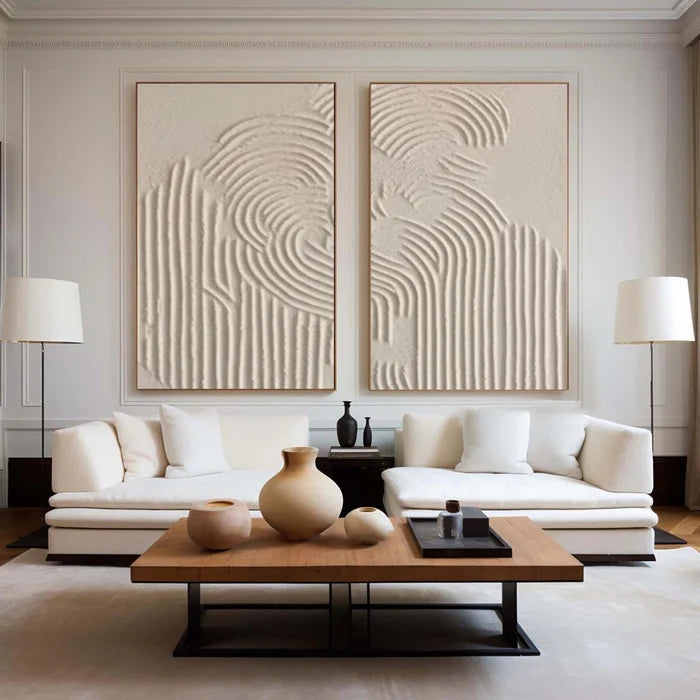
Rustic does not have to mean dark, heavily distressed, or literal. A quiet landscape in faded olive, umber, wheat, charcoal, and dusty blue can feel rustic through color relationships alone. Likewise, a hand-painted abstract with layered neutrals, dry-brush marks, or plaster-like relief can complement a contemporary home while retaining an aged visual language.
Common subject directions include:
-
Barns, fields, forests, mountains, lakes, and open skies
-
Horses, cattle, deer, birds, and other wildlife
-
Vintage-inspired botanicals, florals, and still lifes
-
Rural architecture, country roads, and old-world landscapes
-
Neutral abstracts with mineral, stone, soil, or patina-like color movement
Retail listings often use “vintage,” “rustic,” “farmhouse,” and “country” interchangeably. For buyers, the more useful distinction is visual: vintage refers to an aged or nostalgic mood, while rustic emphasizes natural materials, landscape references, earthy color, and an unpolished, grounded feel.
Which Subjects Suit a Rustic Vintage Interior?
Choose a subject that repeats the room’s existing story: landscapes for open, natural spaces; animals for lodge or ranch-inspired rooms; botanicals for softer farmhouse settings; and abstracts for a more restrained, modern rustic result.
A landscape is usually the most flexible choice because it can establish depth on a plain wall. Horizontal fields, moody forests, distant mountains, and muted skies naturally support wide furniture such as a sofa, bed, sideboard, or dining bench. A vertical tree study, horse portrait, or floral composition can add height beside a fireplace, doorway, or tall cabinet.
Avoid choosing a painting solely because its subject sounds rustic. A bright, high-gloss barn print may conflict with a quiet room built around linen, reclaimed wood, matte ceramics, and aged metal. Conversely, an understated abstract can look entirely at home in a rustic setting if its texture and palette connect to those materials.
How Should You Choose the Right Size?
Choose artwork that occupies roughly two-thirds to three-fourths of the width of the furniture below it. This guideline gives the painting enough presence to anchor the arrangement while allowing the furniture and wall to breathe.
For example, above a 90-inch sofa, a single canvas around 60 to 68 inches wide is often proportionate. A pair of artworks can achieve a similar total width, provided the gap between them remains visually intentional. In a dining room, a landscape over a sideboard should generally be narrower than the furniture but substantial enough to read from across the table.
Consider viewing distance as well as wall width:
-
At 4 to 6 feet away, medium-scale art can show brushwork and smaller compositional details.
-
At 7 to 10 feet away, a larger canvas with simplified shapes or stronger value contrast is easier to read.
-
On a double-height wall, one undersized artwork can appear lost; a large vertical canvas or a carefully planned grouping is often more effective.
Before ordering, use painter’s tape to mark the full outside dimensions on the wall. Stand at the room’s usual entry point, seating area, and doorway. This simple test can reveal whether the painting will feel too narrow, too high, or visually heavy before any purchase is made.
What Colors Create an Authentic Rustic Vintage Look?
The most convincing rustic vintage palettes use restrained, layered color rather than a single “brown” formula. Look for warm neutrals, softened greens, faded blues, muted reds, ochres, charcoal, and off-whites with visible tonal variation.
A painting does not need to match every color in the room. Instead, it should create a bridge between two or three existing elements. In a living room with a camel leather chair, flax linen sofa, and black metal lamp, an artwork with ochre, warm gray, dark umber, and a small amount of charcoal can make the composition feel cohesive.
Pay attention to undertone:
-
Beige can lean yellow, pink, gray, or green.
-
White walls can be warm, cool, or nearly neutral.
-
Wood can range from honey oak to espresso walnut.
-
Black accents may read blue-black, brown-black, or soft charcoal.
A painting with cool slate blue may provide valuable contrast in a room dominated by warm oak and tan textiles. However, an icy blue or high-chroma turquoise could feel disconnected unless that color appears elsewhere in smaller accents. Let the artwork introduce one fresh note, but keep its dominant tones tied to the room’s broader palette.
Why Does Texture Matter in Rustic Wall Art?
Texture gives rustic wall art visual depth and helps it relate to tactile furnishings such as wood grain, woven wool, linen, leather, stone, rattan, and handmade ceramics. In hand-painted work, raised paint, palette-knife marks, dry-brush passages, and layered ground can change character as daylight moves across the surface.
Texture is especially helpful in neutral rooms. If the wall, upholstery, and rug all sit within cream, taupe, and brown ranges, a textured canvas can prevent the scheme from feeling flat. A plaster-inspired surface with shallow relief can add shadow and movement without introducing a busy subject.
Texture should suit the location. Heavily dimensional work can be compelling over a mantel or in a low-traffic living room, but it may be less practical in a narrow hallway where people or bags pass close to the wall. If the artwork will hang in a kitchen, bathroom, or sunlit room, review the exact listing’s material and care guidance before purchase rather than assuming every canvas has the same surface treatment or environmental tolerance.
How Can You Style Rustic Art in a Modern Room?
Use contrast deliberately: pair a timeworn-looking canvas with cleaner lines, restrained décor, and enough empty wall space. This prevents the room from becoming overly themed and lets the artwork feel collected rather than staged.
A contemporary rustic living room may combine a textured neutral painting with a streamlined sofa, oak coffee table, black floor lamp, and one antique or vintage-inspired accessory. The art provides softness and history; the furnishings keep the room current. In a minimalist bedroom, a horizontal landscape above the headboard can introduce natural warmth without requiring visible signage, distressed furniture, or multiple decorative objects.
For a more curated result, repeat the painting’s visual language in small ways:
-
Echo one artwork color in a throw, vase, or cushion.
-
Repeat a material such as aged brass, dark wood, or natural linen.
-
Balance a detailed painting with simpler furniture silhouettes.
-
Use negative space around the artwork so its texture and tonal shifts remain visible.
Vinchy Art offers style categories that can help shoppers narrow a search by direction, including abstract, textured, Wabi-Sabi, landscape, animal, floral, and coordinated-set formats. Treat those categories as a starting point, then confirm the exact artwork’s composition, orientation, and available options on its current product page.
Which Frame Works Best With a Rustic Canvas?
A natural wood, dark wood, black, or restrained antique-toned frame often supports rustic art, but the best choice depends on the painting’s edges, surface texture, and the room’s finishes. A frame should define the work without competing with its aged visual character.
A slim black floater frame can sharpen an abstract or a moody landscape in a modern rustic interior. Natural oak or walnut may connect a canvas to exposed beams, furniture, or flooring. A more ornate profile can suit traditional pastoral imagery, but it may overwhelm a minimal, texture-led composition.
Consider these practical framing questions:
-
Does the canvas have painted edges that are intended to remain visible?
-
Is the artwork highly textured, making a close-fitting frame visually or physically unsuitable?
-
Are surrounding furnishings primarily warm wood, cool metal, or painted finishes?
-
Will the frame’s depth project noticeably in a narrow passage?
-
Does the artwork need a crisp contemporary boundary or a softer, more traditional presence?
Vinchy Art may offer rolled canvas, frameless canvas, or framed canvas options on applicable listings, but options vary by artwork. Confirm the exact variant rather than assuming a specific frame, hanging method, or canvas construction applies across the collection.
How High Should Rustic Canvas Art Be Hung?
Hang the center of a single artwork near 57 to 60 inches from the floor in most rooms, then adjust for furniture, ceiling height, and the sightlines of the people using the space. Above furniture, leave enough connection that the piece reads as part of the arrangement.
For art above a sofa, console, bed, or sideboard, a bottom gap of about 6 to 10 inches is often a useful starting range. If the ceiling is unusually high, resist raising the art simply to fill the upper wall. Artwork generally looks more grounded when it relates to the furniture zone rather than floating midway toward the ceiling.
Use secure hardware appropriate to the piece’s actual weight and wall type. Locate studs when possible, or use anchors rated for the load when mounting into drywall. For heavier framed work, two hanging points can improve stability and help keep the piece level. Review any hanging hardware included with the specific purchase and replace or supplement it when your wall construction requires a different solution.
Can Lighting Change How the Painting Looks?
Yes. Natural and artificial light can alter how an aged palette, textured surface, and frame appear, especially when a painting includes subtle neutrals or raised paint. Evaluate the wall at different times of day before finalizing the artwork’s placement.
North-facing light often appears cooler and can make gray, blue, and green undertones more noticeable. Warm late-afternoon light can strengthen ochres, terra cottas, and browns. At night, warm bulbs may enrich rustic colors, while cool bulbs can make cream walls appear gray and change the balance of muted tones.
For textured art, use a wall wash or angled picture light carefully. Raking light can emphasize relief and brushwork, but it can also create glare on glossy finishes. Keep strong direct sunlight off the canvas when possible, as prolonged exposure may affect colors and materials over time. If you are planning a major piece for a challenging wall, Vinchy Art’s room-preview and art-advisory support can be useful for assessing scale, orientation, palette, and placement before you commit.
Vinchy Art Expert Views
“A successful rustic vintage artwork should feel integrated, not overly matched. Begin with proportion: the canvas needs enough width and visual weight to hold its place above the furniture. Then assess undertones, not just color names. A warm beige wall, walnut table, and olive upholstery may all appear neutral, yet each carries a different temperature. Choose art that repeats at least one of those temperatures while adding a controlled contrast, such as faded blue or charcoal. Texture is most effective when it echoes materials already present in the room—linen, plaster, wood, stone, or woven fibers—rather than becoming another unrelated decorative effect. Because hand-painted work can show natural variation, use reference images to understand overall composition and color direction while allowing for the individuality of the finished painting.”
What Should You Check Before Buying Online?
Before buying, verify the exact artwork’s dimensions, orientation, medium, canvas type, framing option, surface texture, lead time, shipping destination, and return terms. These details can differ between listings and may change for custom or made-to-order work.
A productive online-art checklist includes:
-
Measure the available wall width and the furniture below it.
-
Confirm whether listed dimensions refer to the canvas only or the finished framed size.
-
Check whether the image is horizontal, vertical, square, or part of a set.
-
Review close-up images for paint texture, edge treatment, and color variation.
-
Compare room photos with your own wall color, lighting, and furniture finishes.
-
Confirm whether a chosen size, frame, or color adjustment is classified as custom.
-
Read the current shipping and returns information that applies to your destination and order type.
Vinchy Art states that many paintings are hand-painted and made to order, and applicable orders may include an opportunity to review completed-work photos or videos before shipment and request adjustments. Handmade variation is normal: a finished piece may not reproduce every brushstroke in a reference image with machine-like uniformity. Ask about the exact listing and configuration if this distinction matters to your project.
How Should You Care for a Canvas Painting?
Protect canvas art from prolonged direct sun, moisture, grease, smoke, and abrupt temperature or humidity changes. Dust gently with a clean, dry, soft brush or microfiber cloth, and avoid household sprays, water, solvents, or abrasive cleaners unless the seller provides specific care instructions for that exact artwork.
Do not press on the front of a textured painting, as raised areas can be vulnerable to accidental abrasion. When moving a canvas, hold it by the stretcher bars or frame rather than the painted surface. Keep the work away from splashing water, active cooking zones, fireplaces that produce soot, and poorly ventilated bathrooms.
If the canvas becomes marked, damaged, or loose, consult a qualified art conservator rather than attempting a home repair. Product-specific care may vary with paint type, varnish, frame, and surface treatment, so retain the order information and any care guidance supplied for your particular piece.
What Are the Most Common Questions About Vintage Rustic Canvas Painting?
Can a rustic vintage painting work in a small apartment?
Yes. Choose a piece with a simple composition, moderate contrast, and enough scale to look intentional. A small room does not always require small art; one well-proportioned canvas can feel calmer than several scattered decorative pieces.
Should rustic canvas art match my wood furniture exactly?
No. Exact matching can make the room look flat. Aim for compatible undertones instead: a warm walnut table can work with oak, aged brass, olive, ochre, black, or warm-gray elements in the painting.
Is a horizontal or vertical canvas better above a bed?
A horizontal canvas usually follows the bed’s width and creates a stable visual relationship. A vertical work may suit a narrow wall beside the bed, a tall headboard arrangement, or a room that needs more perceived height.
Will a textured painting look different from its online image?
It can. Texture changes with light angle, viewing distance, camera exposure, and the handmade process. Review detail images and confirm the exact work’s finish, while expecting reasonable variation in hand-painted surface marks.
Can I mix rustic art with minimalist décor?
Yes. Choose a less literal subject, such as a restrained landscape or earthy abstract, and give it visual space. Keep surrounding furnishings simple so the painting provides warmth without turning the room into a themed setting.
How Can You Make the Final Choice Confidently?
Choose a vintage rustic canvas painting that fits the furniture width, connects with your room’s undertones, and remains readable from the normal viewing distance. Favor a subject and texture that support the atmosphere you want—quiet landscape, expressive wildlife, nostalgic floral, or earthy abstract—then decide whether a natural wood, black, or minimal frame best suits the interior.
Test the intended dimensions on the wall, observe the space in daylight and evening light, and compare the artwork with key materials such as flooring, upholstery, wood, metal, and textiles. For a made-to-order Vinchy Art piece, confirm the exact size, orientation, materials, framing choice, customization status, order process, and applicable policies before purchasing. The strongest choice will feel proportionate, visually grounded, and personally suited to the room long after a passing décor trend changes.