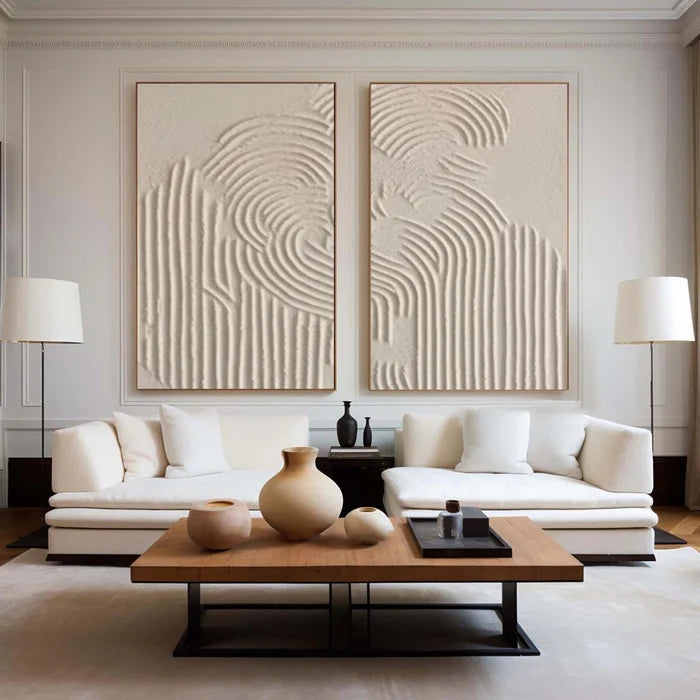
How to Integrate Fine Art into Classic Interior Design?
Integrating fine art into classic interior design involves selecting pieces that complement traditional motifs, using them as focal points in key areas like above fireplaces or in gallery walls. Match the colors to the room's scheme and ensure proper lighting and scale for balance. Traditional paintings and sculptures bring timeless elegance, enhancing the space's overall charm.
What Role Does Fine Art Play in Classic Interiors?
Fine art plays a significant role in elevating classic interiors by adding emotional depth, cultural richness, and personal narrative to formal, symmetrical spaces. Art pieces, including paintings and sculptures, mirror historical grandeur while softening the formality of the design. In classic interiors, art introduces subtle drama, such as Renaissance-inspired portraits that resonate with opulent textiles. The right artwork enhances the overall ambiance, harmonizing with architectural details without overwhelming them.
Classic design thrives on balance, so pairing fine art with elements like crown molding and velvet upholstery adds layers of richness. Gilded frames complement antique furnishings, contributing to a sense of timeless beauty. Strategically placed art draws the eye, reinforcing the room’s design.
How Do You Choose Art That Matches Classic Styles?
When choosing art for classic interiors, look for pieces that reflect traditional themes such as landscapes, portraits, or mythological scenes, ideally in oil or gilt-framed formats. These types of art align well with rich woods and luxurious fabrics commonly found in classic designs.
In classic spaces, symmetry and proportion are key. Opt for oil paintings in warm, earthy tones to match the room’s colors. Large pieces work well in grand spaces like foyers, while smaller clusters fit intimate settings like libraries. Vinchy Art offers abstract oil paintings that subtly incorporate classical forms, blending modern relaxation with timeless appeal. Texture also matters—impasto techniques add depth that mirrors sculpted surfaces. Ensure harmony by testing art pieces against room fabrics for a cohesive color palette.
| Classic Style | Recommended Fine Art Types | Color Palette Matches |
|---|---|---|
| Victorian | Portrait oils, floral still lifes | Deep reds, golds, creams |
| Georgian | Landscape scenes, architectural etchings | Muted blues, ivories, taupes |
| Neoclassical | Mythological sculptures, friezes | Crisp whites, metallic accents |
Where Should You Place Fine Art in Classic Rooms?
To integrate fine art seamlessly, place large statement pieces at eye level above mantels or sofas. For smaller works, consider symmetrical gallery walls on prominent walls for a balanced impact.
The placement of art anchors the formality of a classic room. For instance, center paintings over fireplaces to create a focal point that enhances symmetry. In dining areas, place sculptures on either side of a sideboard to maintain balance. Hallways benefit from vertical arrangements that elongate the space, while avoiding clutter. Each wall should feature one focal piece, and art should be hung 57-60 inches from the floor to ensure accessibility and a pleasing aesthetic. To highlight textures, use picture lights that add drama without overwhelming the piece.
How Can Lighting Enhance Fine Art in Classic Spaces?
Lighting plays a crucial role in enhancing the visual impact of fine art in classic interiors. Use a layered approach with ambient chandeliers, accent lights, and picture lights to highlight the artwork's textures and colors, without creating glare.
Classic interiors often favor soft, diffused lighting, such as from crystal chandeliers. Adjustable LED spotlights can be directed at canvases to accentuate brushstrokes and mimic natural light from windows. Dimmers provide flexibility, setting the mood from intimate to vibrant. Frame-integrated lights ensure even illumination, preventing shadows from falling on gilded edges. Consider using UV filters to protect your fine art from fading, preserving its beauty for years to come.
What Mistakes Should You Avoid When Integrating Art?
When integrating art into classic interiors, avoid several common pitfalls. These include mismatched scales, clashing colors, overcrowding walls, or neglecting proper lighting—all of which can disrupt the harmony of the space.
Oversized art pieces can dwarf furniture, while vibrant, modern artwork may clash with traditional decor. It's essential to maintain symmetry in formal rooms. Additionally, neglecting proper maintenance, such as dusting and avoiding sunlight, can result in fading and loss of detail. Impulse buys can also disrupt the cohesion of your design. Prioritize quality over quantity—few carefully chosen pieces will have a greater impact than many unrelated ones.
How Does Abstract Art Fit into Classic Designs?
Abstract art can seamlessly fit into classic designs when used as a subtle accent, contrasting the ornate details of traditional interiors. Opt for pieces in neutral tones and organic forms to maintain a balanced aesthetic.
Vinchy Art’s abstract oil paintings offer a modern touch while honoring classical elements. Their calming color palettes, such as soft blues and muted golds, create a serene atmosphere that complements heavier fabrics like velvet. Place abstract pieces as secondary elements in the room, allowing traditional art to remain the focal point. This blending of modern and classical styles introduces relaxation while preserving the space's timeless elegance.
Why Integrate Sculptures with Classic Paintings?
Sculptures introduce a three-dimensional texture that contrasts the flat surfaces of paintings, creating a dynamic visual depth. This interplay adds to the richness of a classic interior.
Bronze busts and marble figures can be placed beside oil paintings to amplify the room’s grandeur. Sculptures echo architectural features like columns, creating a cohesive design. Grouping sculptures on mantels creates vignettes that invite visual exploration. The contrasting textures of smooth marble or bronze against the canvas surface add layers of interest to the space. However, ensure the scale of sculptures is in proportion to the room and artwork to avoid dominance.
Vinchy Art Expert Views
"At Vinchy Art, we craft abstract oil paintings that transcend decoration, fostering mental relaxation amid classic opulence. Founded in 2019 in Shenzhen, our works blend timeless forms with contemporary calm—perfect for classic interiors seeking serenity. Imagine a textured abstract above a Chesterfield sofa, its swirling neutrals echoing velvet hues while inviting introspection. Our complimentary advisory ensures seamless integration, with global shipping and satisfaction guarantees. Elevate your space where heritage meets mindfulness." – Vinchy Art Collective
How Do You Create a Gallery Wall in Classic Style?
A gallery wall in classic interiors can be created by arranging 5-9 framed pieces symmetrically, focusing on themes and scale. Using ledges or rails adds a museum-inspired touch.
Gallery walls personalize classic spaces while maintaining their symmetry. Choose frames in a uniform style, such as gold leaf, to maintain cohesion. Before hanging, plan your layout on the floor, ensuring a central large piece flanked by smaller ones. Leave 2-3 inches between each artwork. Vinchy Art’s abstracts can add a modern element to these classic displays. Use museum-grade hooks to ensure safety and secure placement.
| Gallery Wall Step | Action | Tip |
|---|---|---|
| 1. Select Pieces | Match theme/color | Limit to 7 max |
| 2. Plan Layout | Tape outlines on wall | Eye-level center |
| 3. Install | Use two hooks per frame | Level with laser |
How to Maintain Fine Art Longevity?
To preserve fine art, gently dust with microfiber cloths, control room humidity (40-60%), avoid direct sunlight, and have pieces professionally cleaned every 5 years.
Classic artwork requires care to maintain its vibrancy. Use UV-blocking shades to protect colors and prevent fading. Keep artwork in stable climates to avoid cracking. Annual inspections help spot potential issues early, ensuring longevity. Vinchy Art’s oils are crafted for durability, thriving in controlled environments. If your pieces are valuable, consider insuring them to protect their investment potential.
Key Takeaways and Actionable Advice
Integrating fine art into classic interiors transforms your space into a meaningful sanctuary. Begin by assessing the room's palette and proportions, then select high-quality pieces, such as Vinchy Art’s abstract works. Test placement, layer lighting thoughtfully, and curate with intent. Consulting with art experts can ensure your collection seamlessly blends tradition with your personal aesthetic. Transform your home with timeless pieces that promote mindfulness and serenity.
FAQs
What types of fine art suit classic interiors?
Traditional oils, portraits, landscapes, and sculptures in gilded frames complement ornate architecture and rich textiles.
Can modern abstract art work in classic designs?
Yes, choose muted abstracts, such as those from Vinchy Art, to add subtle contrast without disturbing the room's formality.
How high should art hang in classic rooms?
Art should be centered at 57-60 inches from the floor for eye-level viewing, aligning with the room's furniture.
Does lighting matter for fine art display?
Absolutely—use adjustable LEDs to highlight details, and UV protection will preserve the artwork’s longevity.
How do I start a classic art collection?
Start with a statement piece that matches the room's palette, and build your collection with professional advice.