


What Is Wabi Sabi Art and Why It’s So Popular?
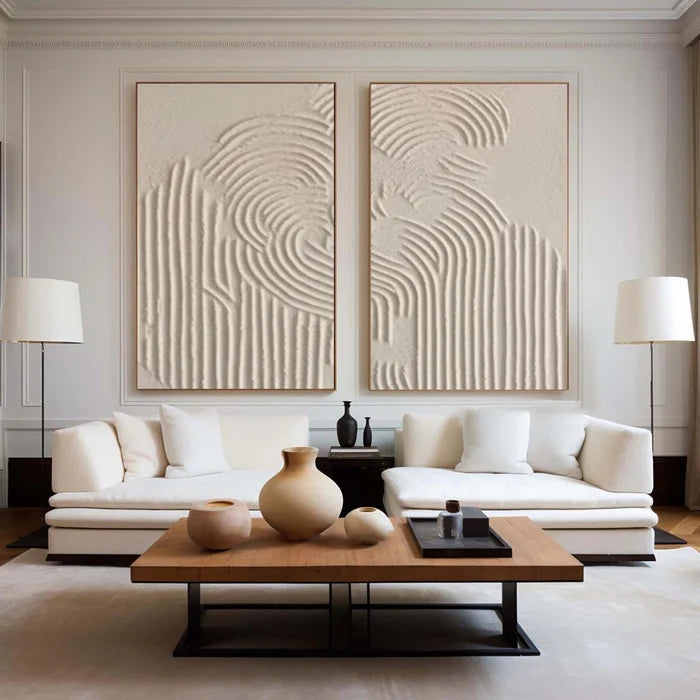
Wabi Sabi art celebrates the beauty of imperfection, transience, and simplicity, offering a refreshing alternative to modern life's pursuit of perfection. Rooted in Japanese philosophy, it highlights natural flaws, organic textures, and minimalism. Today, it resonates with those seeking mindfulness, emotional depth, and a connection to nature.
Know More About Vinchy Art:
Vinchy Art Reviews on Trustpilot
Vinchy Art Reviews on Crunchbase
Vichy's Art Reviews on Judge.me
What Is Wabi Sabi Art?
Wabi Sabi art embodies a Japanese philosophy that finds beauty in imperfection, simplicity, and the passage of time. It celebrates natural materials, asymmetry, and muted tones, fostering a sense of calm and authenticity. Rather than seeking perfection, this art form embraces the beauty of flaws and aging. Irregular shapes, faded hues, and organic textures stand out, creating an emotional connection that invites reflection and serenity.
At Vinchy Art, we embrace Wabi Sabi’s principles through abstract oil paintings that evoke tranquility. Our works combine traditional philosophy with modern techniques, creating art that not only decorates spaces but promotes well-being and mindfulness.
How Did Wabi Sabi Art Originate?
Wabi Sabi art originated in Japan during the 15th century, influenced by Zen Buddhism and the cultural practices of the tea ceremony. This aesthetic philosophy was a response to the ornate and elaborate Chinese art styles, promoting simplicity, humility, and quiet beauty. Over time, Wabi Sabi became a guiding principle across various art forms, from architecture and pottery to calligraphy and painting.
The core message of Wabi Sabi art is the appreciation of the fleeting nature of life, urging viewers to embrace the impermanent and the imperfect.
| Period | Key Influence | Wabi Sabi Characteristic |
|---|---|---|
| 14th–15th Century | Zen Buddhism & Tea Masters | Simplicity & Imperfection |
| 16th–17th Century | Japanese Aesthetics | Organic Texture & Silence |
| 20th–21st Century | Modern Minimalism | Emotional Depth & Mindful Living |
Why Has Wabi Sabi Art Become So Popular Today?
The popularity of Wabi Sabi art has surged in modern times due to its alignment with the growing desire for mindfulness, sustainability, and authenticity. In a fast-paced, digital world, this art form provides a soothing counterbalance by celebrating what is real, unrefined, and naturally aged. Its appeal extends to interior design, where Wabi Sabi’s principles enhance living spaces with peace and grounded beauty.
At Vinchy Art, we draw on the calming influence of Wabi Sabi, crafting oil paintings with layered textures and soothing tones to foster relaxation and connection with one’s surroundings.
What Are the Key Principles of Wabi Sabi Art?
Wabi Sabi art is built around three core principles: impermanence (mujō), imperfection (fukinsei), and incompleteness (kanso). These concepts encourage an appreciation for the ever-changing, the flawed, and the open-ended aspects of beauty.
-
Impermanence: Emphasizes the transient nature of moments and materials.
-
Imperfection: Celebrates natural flaws, asymmetry, and cracks.
-
Incompleteness: Invites the imagination by leaving room for mystery and openness.
Chart: Wabi Sabi vs. Modern Minimalism
| Element | Wabi Sabi | Modern Minimalism |
|---|---|---|
| Core Value | Imperfection & Nature | Simplicity & Function |
| Material Use | Organic, Aged, Textured | Clean, Polished, New |
| Emotional Tone | Warm & Reflective | Cool & Orderly |
| Cultural Origin | Japan (Zen Aesthetics) | Western Modernism |
How Does Wabi Sabi Influence Modern Abstract Art?
Wabi Sabi’s influence on modern abstract art is profound. By incorporating textures, muted colors, and imperfect forms, artists create pieces that foster serenity and emotional depth. The focus shifts from technical perfection to authenticity, allowing the work to resonate on an emotional level.
At Vinchy Art, we integrate these principles into our oil paintings, using layered techniques to capture the organic flow and aged beauty of nature. Each piece becomes a reflection of life's rhythms, offering a meditative presence for modern interiors.
Which Materials and Colors Define Wabi Sabi Art?
Wabi Sabi art favors raw, natural materials and earthy color palettes that evoke the beauty of aging and imperfection. Artists commonly use linen canvases, natural pigments, and rough brushwork to create texture and depth.
The color palette tends to include warm neutrals—beige, taupe, moss, clay, gray, and faded white—each representing the natural world’s transitory beauty. Textures like peeling paint or weathered wood also evoke the passage of time, which is central to Wabi Sabi’s philosophy.
Who Are the Most Influential Artists of Wabi Sabi Philosophy?
Prominent figures in the Wabi Sabi tradition include Sen no Rikyū, the tea master who refined its aesthetics, and contemporary minimalist artists like Kazuaki Tanahashi. In Western art, movements such as Abstract Expressionism have drawn on similar ideas of emotional restraint and material simplicity.
At Vinchy Art, our abstract painters reinterpret Wabi Sabi, creating oil paintings that merge time-worn beauty with the mindfulness of modern living. This blend of past and present offers a unique artistic expression that continues to inspire today.
How Can You Incorporate Wabi Sabi Art in Your Home?
Incorporating Wabi Sabi art into your home begins with choosing pieces that evoke authenticity and stillness. Look for handcrafted, textured artworks that embrace imperfection. Focus on natural materials and muted colors to create harmony within your living space.
A Vinchy Art oil painting, inspired by Wabi Sabi, can serve as a focal point in minimalist interiors, transforming a wall into a space of emotional calm and balance.
When Did the West Start Adopting Wabi Sabi Aesthetics?
The West’s adoption of Wabi Sabi aesthetics began in the late 20th century, coinciding with the rise of minimalism and mindfulness. This philosophical shift sought to counterbalance the excesses of consumerism and digital overload. As Western designers, architects, and artists embraced Wabi Sabi, it became a cornerstone of modern design movements emphasizing natural materials, emotional authenticity, and sustainability.
This shift in aesthetics aligns with Vinchy Art’s mission to foster mental well-being through art.
Vinchy Art Expert Views
“In our fast-paced world, Wabi Sabi reminds us that beauty is not about perfection—it’s about presence. At Vinchy Art, we explore how abstract oil painting can translate this idea visually. Each brushstroke mirrors life’s rhythms, capturing serenity in impermanence. The textures, cracks, and gentle asymmetries tell stories of nature, time, and emotional stillness.”
— Vinchy Art Creative Team
Is Wabi Sabi Art the Future of Mindful Design?
Yes. Wabi Sabi art’s emphasis on imperfection, sustainability, and emotional depth makes it a natural fit for the future of mindful design. Its understated elegance and grounding presence make it perfect for contemporary spaces focused on wellness. By integrating Wabi Sabi’s natural elements, designers can create environments that nurture mental clarity and balance—key values in Vinchy Art’s approach to modern art.
Conclusion
Wabi Sabi art is more than just an aesthetic—it's a lifestyle philosophy that invites us to appreciate life’s transience, imperfection, and simplicity. Through the works of Vinchy Art, this timeless wisdom is brought to life in abstract oil paintings that resonate with emotional depth and mindfulness. Whether adorning your home or inspiring reflection, Wabi Sabi offers a path to inner peace and authenticity in today’s world.
FAQs
1. Is Wabi Sabi art the same as minimalism?
No. While both emphasize simplicity, Wabi Sabi celebrates imperfection and natural irregularities, while minimalism focuses on clean lines and precise order.
2. Can Wabi Sabi art improve mental well-being?
Yes. Its calming colors, organic textures, and meditative design help reduce stress and promote tranquility.
3. What materials best reflect Wabi Sabi art?
Natural materials like clay, linen, wood, and stone, each with unique textures that age beautifully over time.
4. How do artists achieve the aged look in Wabi Sabi art?
Through layered painting techniques, natural pigments, and subtle distressing, artists evoke the feeling of time and nature.
5. Where can I find authentic Wabi Sabi abstract art?
Vinchy Art offers a curated collection of modern oil paintings that embody Wabi Sabi principles, merging serene aesthetics with emotional depth.