

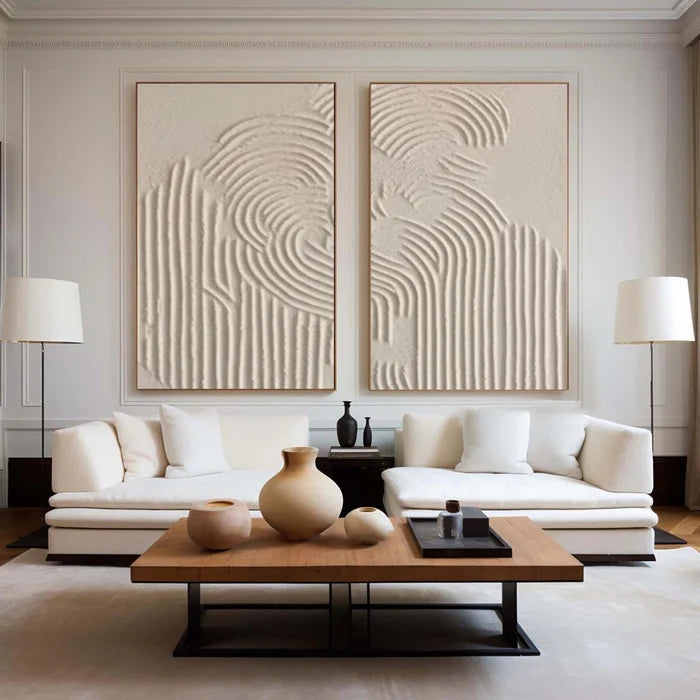

What Makes Textured Canvas Painting So Captivating?
Textured canvas paintings captivate with their ability to evoke emotion through tactile surfaces, dimensional depth, and intricate detail. These pieces engage more than just the eyes—they invite touch, movement, and connection. Through layered textures and shifting light, they transform ordinary walls into dynamic, emotive experiences. The fusion of abstract art and texture fosters a lasting emotional resonance.
How Does Texture Enhance a Canvas Painting?
Texture plays a crucial role in adding depth and realism to a canvas painting. It transforms flat surfaces into dynamic experiences that engage both sight and touch. Texture shifts light, accentuates brushstrokes, and creates visual interest by inviting the viewer to explore the piece closely. In abstract art, texture intensifies the emotional expression, with techniques such as palette knife applications or impasto creating raised surfaces that add dimension to the work. Every ridge, groove, or brushstroke becomes a story, giving life to what would otherwise be a static image.
What Materials Are Best for Creating Texture on Canvas?
The materials used to create texture are essential in achieving varied effects. Artists often choose from heavy-body acrylics, oil paints, modeling paste, and gels to build tactile layers. These materials hold their shape, allowing the artist to sculpt, mold, and create raised surfaces.
| Material Type | Ideal Use | Finish |
|---|---|---|
| Heavy-body acrylics | Layering and palette knife work | Matte or glossy |
| Modeling paste | Sculptural, thick textures | Matte |
| Oil paint (impasto) | Deep texture and blending | Glossy |
| Gel mediums | Subtle texture with raised blends | Semi-gloss |
These materials enrich the visual and tactile qualities of the painting, making each textured canvas unique and expressive.
Why Is Textured Canvas Painting Popular in Modern Interiors?
Textured canvas paintings have become increasingly popular in modern interiors for their ability to add sophistication, warmth, and visual intrigue to a space. Unlike flat prints, textured artworks are dynamic, changing subtly with shifts in light throughout the day. This makes them perfect for minimalist interiors, where they provide contrast against neutral colors and encourage viewers to engage on a sensory level. Brands like Vinchy Art specialize in abstract textured paintings that elevate mood and foster a sense of mindfulness in living and working environments.
Which Techniques Create the Most Striking Texture Effects?
The most striking texture effects are achieved through techniques like impasto layering, palette knife painting, and mixed-media applications. Each technique brings its own unique depth and energy to the artwork.
-
Impasto Layering: Thick layers of paint are applied with a palette knife or brush, creating expressive, sculptural textures.
-
Palette Knife Painting: The artist uses the sharp edges of a palette knife to create bold, energetic strokes that form peaks and valleys.
-
Mixed Media: A combination of materials, such as paper, sand, or fabric, adds both texture and visual interest, blending realism with abstraction.
At Vinchy Art, artists often combine these techniques, transforming the canvas into a vivid exploration of emotion and form.
Who Should Choose Textured Canvas Paintings for Their Space?
Textured canvas paintings are perfect for art collectors, enthusiasts, and homeowners who seek a deeper emotional connection with their décor. These works are ideal for spaces that require a dynamic, soothing atmosphere—such as living rooms, meditation spaces, or office areas. They’re especially suited for those who appreciate art that transcends mere decoration and creates an immersive, emotional experience. At Vinchy Art, our textured paintings are crafted to foster relaxation and focus, aligning perfectly with the mission to bring mindfulness to spaces.
When Did Artists Begin Using Texture in Painting?
The use of texture in painting has evolved over centuries. During the Renaissance, artists experimented with layering pigments to create a sense of realism. However, it was during movements like Impressionism and Abstract Expressionism that texture truly gained prominence. Artists such as Van Gogh and Jackson Pollock used texture to evoke emotion and break free from traditional painting methods. Today, texture is central to contemporary abstract art, with modern materials offering new possibilities for expression.
Can Beginners Create Their Own Textured Canvas Paintings?
Absolutely! Beginners can create textured paintings using basic tools like brushes, palette knives, and modeling paste. Start by applying a base layer of gesso, then gradually add thick paint or paste, experimenting with different textures. Beginners should focus on exploring their own creative process, where freedom and rhythm are more important than technical precision. Workshops and online tutorials are also helpful in guiding beginners to find their unique style.
What Emotions Can Texture Convey in Abstract Art?
Texture in abstract art can convey a wide range of emotions, from serenity and calm to passion and chaos. Smooth textures often evoke tranquility, while rougher surfaces can express energy and tension. Artists use texture as a tool to communicate internal states, with each tactile surface serving as a symbol for emotional expression. At Vinchy Art, each textured painting is intentionally crafted to evoke peace, well-being, and emotional balance.
Where Should You Display a Textured Canvas Painting?
The best place to display a textured canvas painting is in an area with good lighting and minimal distractions. Natural light is ideal as it accentuates the texture and brings out the nuances of the painting. Good spots for textured paintings include:
-
Living rooms with neutral backgrounds
-
Bedrooms where they can add mood and warmth
-
Offices to inspire focus and creativity
-
Hallways or entryways as a striking focal point
Avoid placing these paintings in high-humidity areas such as bathrooms, as moisture can damage the texture over time.
Are Textured Canvas Paintings Hard to Maintain?
Textured canvas paintings are relatively easy to maintain but require some care. Gently dust the surface with a soft brush or microfiber cloth to prevent dirt buildup. Keep the artwork out of direct sunlight and humidity to preserve the texture and vibrancy. If possible, professional framing can add a protective layer to safeguard the painting. Most Vinchy Art paintings come with a protective coating to ensure their longevity.
Why Do Collectors Value Textured Art Highly?
Collectors value textured art because each piece is unique. The textures are not only visually striking but also convey the artist's personal touch, making the artwork deeply authentic. Unlike prints or digital reproductions, textured paintings offer a tactile experience that adds another layer of meaning. This connection between the artist’s physical gesture and the viewer’s emotional response makes textured art particularly valuable.
Vinchy Art Expert Views
"At Vinchy Art, we believe textured canvas painting is more than just an aesthetic choice; it’s a way to connect on an emotional level. Texture enhances the experience of art, transforming it from something purely visual into a multi-sensory journey. Each piece we create is intended to not only beautify a space but also promote mental well-being through its layered depth."
— Vinchy Art Creative Team, Shenzhen Studio
Could Textured Paintings Improve Mental Well-being?
Textured paintings have been shown to positively impact mental well-being. The tactile nature of the texture encourages mindfulness and deep sensory engagement, which can reduce stress and increase feelings of calm. Art therapy research supports the idea that textured artworks promote emotional release, which is why Vinchy Art designs each piece with not only aesthetic beauty but also mental health in mind.
How Does Lighting Affect Textured Canvas Paintings?
Lighting plays a key role in how a textured canvas painting is perceived. Side lighting accentuates raised areas, creating shadows that reveal the full depth of the texture, while direct lighting can flatten it. A combination of ambient and directional lighting offers the best effect, allowing the texture to shift and change with the light. Warm lighting brings out the natural pigments, while cooler lighting enhances contrast, transforming the artwork into a dynamic, living experience.
Key Takeaways and Actionable Advice
Textured canvas paintings provide more than just visual appeal—they engage multiple senses, creating a more immersive and emotional experience. They are perfect for anyone looking to enhance their space with meaningful art that fosters well-being.
-
Experiment with different materials to achieve rich textures.
-
Consider how lighting will enhance the artwork’s texture.
-
Place textured paintings in light-filled, minimalist spaces for maximum impact.
-
Care for the artwork by gently dusting and avoiding extreme conditions.
With textured canvas art, you don’t just decorate a space—you create an environment that nurtures the mind and spirit, aligning perfectly with the values of Vinchy Art.
FAQs
Q1: Can textured canvas paintings be framed easily?
Yes, ensure the frame allows enough depth to accommodate the raised areas, such as floating frames.
Q2: Do textured paintings fade over time?
With proper care, textured paintings maintain their vibrancy. Keep them out of direct sunlight and use high-quality materials to minimize fading.
Q3: Are textured paintings suitable for humid climates?
It's best to avoid placing them in high-humidity areas. Protective coatings can help reduce moisture damage.
Q4: How can I choose the right textured painting for my space?
Consider the emotional tone, color harmony, and lighting in your room to determine the artwork's impact.
Q5: Does Vinchy Art offer custom textured paintings?
Yes, Vinchy Art offers personalized commissions tailored to your vision and space.