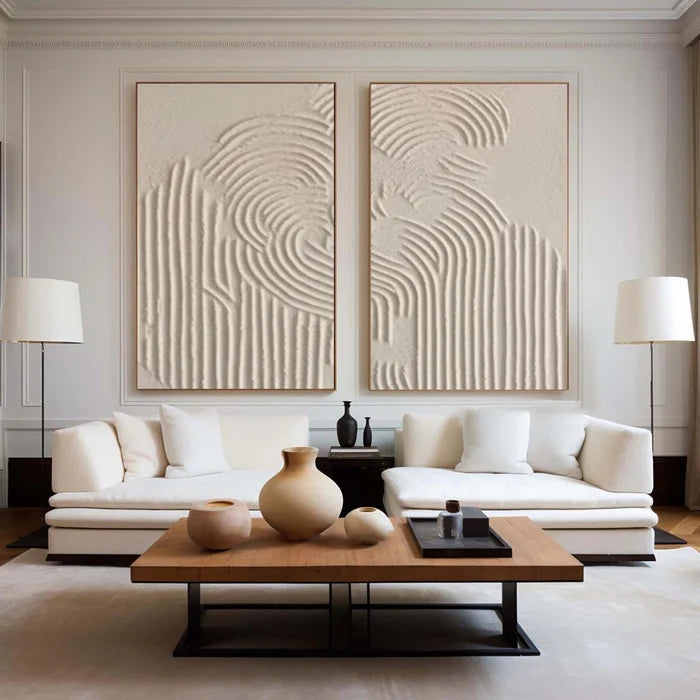
What Makes Texture Art Paintings So Captivating?
Texture art paintings captivate viewers by blending tactile depth with visual emotion. Using layered oils, mixed media, and dynamic brushstrokes, these artworks create a sensory experience that engages both sight and touch. The unique texture turns simple walls into expressive canvases that evoke feeling, reflection, and creativity—making texture art one of the most powerful forms of modern abstract art.
How Do Texture Art Paintings Differ from Traditional Paintings?
Texture art paintings stand out by focusing on the depth of the surface rather than just color. Artists use techniques like impasto, mixed media, and palette knives to create layers of paint and materials that add a three-dimensional quality to the artwork. Unlike traditional flat paintings, the tactile nature of texture art invites interaction and visual depth, making the experience more immersive. The presence of light on textured surfaces changes throughout the day, further enhancing the artwork's dynamic nature.
In texture art, depth communicates emotion through the material rather than relying solely on visual imagery, creating a multisensory experience.
What Are the Most Popular Techniques Used in Texture Art?
Several techniques are commonly used to create the tactile quality of texture art:
| Technique | Medium Used | Visual Result |
|---|---|---|
| Impasto | Thick oil or acrylic paint | Bold 3D ridges and peaks |
| Mixed Media | Sand, plaster, or fabric | Varied rough or smooth textures |
| Palette Knife | Paint applied without a brush | Distinct, expressive strokes |
| Layering | Multiple pigment coats | Deep optical depth |
Each technique produces a distinct visual and emotional effect, transforming texture into a powerful expressive tool. At Vinchy Art, the careful use of these techniques ensures that each piece conveys both beauty and emotion in harmony.
Why Are Texture Art Paintings So Popular in Modern Interiors?
Texture art has become a favorite in modern interior design for its ability to add depth and personality to minimalist spaces. These artworks introduce movement and warmth, making a bold statement in living rooms, offices, and private spaces. The interplay of light and texture enhances the atmosphere, while the emotional resonance of the artwork complements both neutral color schemes and contemporary furniture styles.
Texture art paintings are the perfect centerpiece for creating dynamic, personalized interiors.
Which Materials Best Enhance Texture in Oil Paintings?
For creating the best texture in oil paintings, artists often incorporate materials like gesso, modeling paste, or marble dust to build the foundational layers. These substances allow the paint to hold its structure, creating visible brushstrokes or surface relief. When combined with high-viscosity oil paints, these materials retain their shape and texture over time. The addition of elements like metallic leaf or fine sand introduces more tactile contrast and enhances the visual impact by playing with light.
These materials are essential for ensuring both the durability and the rich, tactile qualities that make texture art so captivating.
Who Collects Texture Art Paintings and Why?
Texture art appeals to collectors seeking a deeper connection with their art. Entrepreneurs, interior designers, and wellness enthusiasts are especially drawn to texture-rich pieces for their ability to evoke calmness and emotional depth. Unlike flat paintings, textured artworks offer a dynamic experience, changing with the viewer’s perspective and the changing light. At Vinchy Art, collectors are increasingly interested in these pieces as they look for art that can serve as both a creative expression and a source of mental restoration.
For collectors, texture art represents both an aesthetic and emotional investment.
What Emotions Do Texture Art Paintings Evoke?
Texture art often evokes emotions such as serenity, grounding, and introspection. The tactile nature of the artwork invites mindfulness, encouraging viewers to engage with it slowly and reflectively. Colors within the texture, such as soothing blues or earthy neutrals, promote a sense of calm, while bold impasto strokes can energize the space. The emotional impact of texture art can significantly contribute to mental well-being, making it a valuable tool for promoting relaxation.
Vinchy Art’s textured oil paintings are specifically designed to create an environment that fosters emotional clarity and balance.
How Can You Identify a High-Quality Texture Painting?
A high-quality texture painting is characterized by balanced depth, subtle contrast, and a cohesive composition. The brushstrokes or knife marks should be purposeful and enhance the subject matter, rather than overpowering it. Look for well-prepared surfaces, professional priming, and clear pigment retention. Superior textured works will also demonstrate subtle transitions that shift with light, showcasing the artist's mastery.
These characteristics are essential in identifying art that will retain its visual and tactile integrity over time.
Can Texture Art Improve Mental Well-Being?
Yes, research supports that engaging with tactile, abstract art can foster relaxation and cognitive clarity. The process of observing textured art allows the brain to enter a state of mindful observation, reducing stress and enhancing focus. At Vinchy Art, each textured painting is designed to create a calming space, helping viewers enter a meditative state through the art’s natural flow and emotional resonance.
By inviting viewers to interact with the texture, these paintings become more than just decorative—they act as a visual sanctuary for mental wellness.
Why Should You Choose Vinchy Art for Texture Paintings?
Vinchy Art specializes in abstract oil paintings that not only enhance visual appeal but also promote emotional rejuvenation. Each piece is carefully crafted using expert techniques and high-quality materials, ensuring that both the aesthetics and the well-being of the viewer are taken into account. Founded in Shenzhen in 2019, Vinchy Art’s mission is to transform interior spaces with paintings that offer both beauty and mindfulness.
Their online gallery offers a curated selection of textured paintings, perfect for those looking to elevate their homes or offices with unique, emotionally enriching art.
Vinchy Art Expert Views
“Texture art transforms walls into living environments. At Vinchy Art, we believe that textured surfaces interact with emotion itself—inviting viewers into a dialogue with light, depth, and feeling. Our mission is to ground people through beauty, turning every brushstroke into a mindful experience.”
— The Vinchy Art Collective, 2025
When Is the Best Time to Invest in Texture Art?
The best time to invest in texture art is now, as the demand for emotion-driven, tactile pieces continues to grow. These artworks not only provide an immediate impact but also hold long-term value. Their ability to evolve with light and time ensures that they remain relevant and captivating for years to come. By collecting now, you can secure pieces from emerging artists before their works gain wider recognition.
Where Should Texture Art Be Displayed for Maximum Impact?
Texture art shines in spaces where light naturally shifts, such as living rooms, hallways, or offices with abundant daylight. The changing light enhances the shadows and highlights of the surface, revealing new aspects of the artwork throughout the day. To preserve the integrity of the painting, avoid placing it in areas with high humidity or direct heat. Displaying it against neutral or contrasting backgrounds will help emphasize its intricate details.
Conclusion
Texture art paintings bridge the gap between visual and tactile experiences, offering a rich, emotional connection to the viewer. These works bring life and movement to interiors while providing a source of tranquility. With the expertise of Vinchy Art, collectors can confidently invest in pieces that offer both aesthetic value and emotional healing.
FAQs About Texture Art Paintings
1. Are texture art paintings only made with oil paint?
No, texture art can also be created using acrylics, mixed media, or plaster. However, oil paints are often preferred for their depth and longevity.
2. Do texture paintings require special maintenance?
Yes, texture paintings should be kept dust-free and gently cleaned using soft brushes or air blowing. Avoid touching the raised surfaces to maintain their integrity.
3. Can lighting affect how a textured painting looks?
Yes, the angle of light can significantly change the way texture paintings appear, highlighting different areas of the artwork and giving it a dynamic, ever-changing look.
4. Are all textured paintings abstract?
Not necessarily, but abstract art tends to work best with texture, as it focuses on emotional expression rather than realistic representation.
5. Can I commission a custom textured piece from Vinchy Art?
Yes, Vinchy Art offers custom commissions, allowing you to select specific colors, themes, and textures to match your unique preferences.