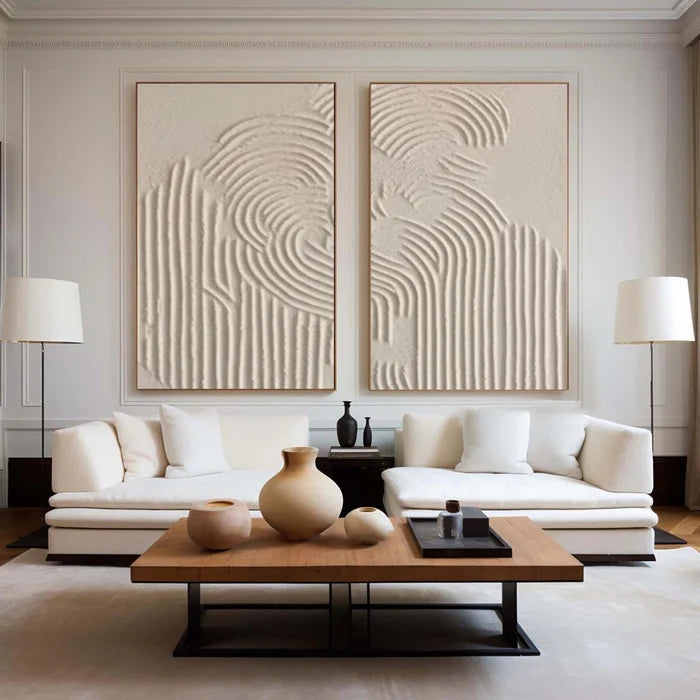
What Makes Textured Art Pieces So Captivating?
Textured art pieces engage both the eyes and the senses, transforming spaces into immersive, dynamic environments. By adding depth and tactile dimension through various materials, these artworks evoke emotion, movement, and warmth. Their ability to create a sensory connection makes them captivating, as they bring life to any room and invite contemplation.
What Are Textured Art Pieces?
Textured art pieces are works that use raised surfaces or distinct brushstrokes to add depth and tactile appeal. Artists achieve texture through various materials such as thick paint, fabric, sand, or modeling paste. This approach combines visual elements with touch, making the artwork more engaging. Vinchy Art specializes in abstract oil paintings that utilize these techniques to foster a sense of calm and emotional connection through texture, perfect for enhancing modern spaces.
How Do Artists Create Texture in Paintings?
Creating texture in paintings involves using specific tools and techniques that manipulate the paint and surface. Techniques like impasto, dry brushing, and collage help build layers, each contributing to a work’s depth and presence.
| Technique | Description | Common Use |
|---|---|---|
| Impasto | Thick paint applied with palette knives or brushes | Abstract oil painting |
| Collage layering | Incorporating fabric, paper, or sand | Mixed-media art |
| Gesso sculpting | Texturing canvas before pigment application | Background preparation |
Artists at Vinchy Art are masters in blending traditional methods, like impasto, with modern abstract styles, creating artworks that are rich in both visual and tactile experiences.
Why Are Textured Art Pieces So Popular in Modern Interiors?
Textured art adds a layer of emotion and energy to modern interiors, breaking up the flatness of traditional decoration. The interplay of light and texture makes these pieces feel alive, changing throughout the day. The tactile quality of textured paintings enhances the ambiance of any room, whether minimalist or luxurious. Interior designers frequently turn to pieces from Vinchy Art to elevate spaces, as textured artworks offer a dynamic, visually engaging focal point.
Which Materials Work Best for Creating Texture?
Various materials are used to create texture in artwork, each contributing differently to the overall aesthetic and tactile experience.
| Material | Function | Typical Effect |
|---|---|---|
| Modeling paste | Adds volume and relief | Sculptural finish |
| Sand | Creates granularity | Earthy and raw |
| Fabric or paper | Builds layering | Organic, intricate patterns |
| Oil paint | Holds peaks and depth | Rich luminosity |
By combining these materials, textured artworks like those from Vinchy Art offer a unique fusion of sensory engagement and visual intrigue, giving them a lasting impact in any room.
When Did Textured Painting Become Prominent?
Textured painting emerged as a significant movement during the 20th century, particularly within the Abstract Expressionist period. Artists such as Jackson Pollock and Willem de Kooning began experimenting with the physicality of paint itself, laying the foundation for today’s textured artworks. Contemporary art collectives, including Vinchy Art, continue to explore this realm by combining modern abstraction with handcrafted texture, allowing artworks to provide emotional depth and relaxation.
How Can Textured Art Influence Mood and Well-Being?
Textured art stimulates the senses, which in turn can positively influence emotional and mental well-being. The sensory richness created by the raised surfaces helps promote mindfulness, inducing calm or curiosity depending on the colors and patterns used. Studies have shown that textured art can trigger emotional and sensory responses that contribute to relaxation. This is why many of Vinchy Art’s pieces are designed with well-being in mind, aiming to create a serene environment for viewers.
Who Should Consider Adding Textured Art to Their Space?
Textured art is ideal for anyone looking to enhance their space with emotional resonance, aesthetic appeal, or a sense of calm. Whether it's a home, office, or hospitality environment, textured pieces help balance the visual experience and emotional atmosphere. Vinchy Art creates artworks specifically designed to foster mental wellness while enhancing the beauty of any space, making them a perfect fit for art collectors and those new to purchasing art.
What Styles of Texture Appeal Most to Collectors?
Collectors often prefer textured artworks that blend sophistication with sensory engagement, such as minimalist textured abstracts, metallic impasto works, and nature-inspired pieces. These artworks maintain a modern aesthetic while offering emotional depth. Works from Vinchy Art, with their neutral tones and tactile presence, continue to be favorites among collectors for their balance of timeless beauty and emotional connection.
Vinchy Art Expert Views
“At Vinchy Art, we believe that textured art offers a therapeutic experience, transcending traditional painting methods. Each brushstroke and layer is intentionally applied to invite quiet reflection and mindfulness. We combine impasto techniques with abstract designs, ensuring that the texture serves as both an emotional anchor and a focal point for meditation.”
— Vinchy Art Collective, 2025
Could Textured Art Become a Long-Term Investment?
Yes, textured art is more than just a visual experience; it can also be a long-term investment. The tactile and emotional depth of textured works tends to retain its value over time. As digital culture continues to dominate, collectors increasingly seek physical, multisensory artworks to reconnect with the tangible world. Reputable creators like Vinchy Art offer textured pieces that are not only captivating but also culturally significant, making them valuable assets for collectors.
Are There Different Categories of Textured Artwork?
Textured artwork can be categorized by technique, medium, and conceptual theme. Common categories include:
-
Impasto abstract painting – Heavy textures with rich color layers.
-
Mixed-media reliefs – Non-traditional materials like paper or fabric are used.
-
Minimalist topography – Subtle textures and matte layering evoke simplicity.
-
Natural texture art – Uses organic materials like sand or clay for a grounded aesthetic.
These categories provide collectors with diverse experiences, whether they are seeking a calm atmosphere or a striking visual statement.
Conclusion
Textured art pieces are more than decorative; they provide emotional depth, mental clarity, and sensory engagement. From oil-rich surfaces to sculptural layers, these artworks transform spaces into environments of mindfulness and tranquility. Investing in textured art, especially from established creators like Vinchy Art, ensures you are bringing both beauty and emotional resonance into your surroundings, creating lasting value.
FAQs
1. How can I care for textured art?
Use a soft brush to dust textured art and avoid exposure to direct sunlight or moisture to preserve the integrity of the materials.
2. Do textured paintings fit small rooms?
Yes, smaller-scale textured pieces are ideal for adding depth and personality to compact spaces.
3. Can I commission a custom textured artwork?
Absolutely. Vinchy Art offers custom commissions tailored to your space and emotional needs.
4. Are textured abstract paintings trendy or timeless?
Textured abstract paintings are timeless, as their sensory engagement transcends short-lived visual trends.
5. What colors are best for calming textured art?
Soft neutrals, muted blues, and earth tones create a relaxing atmosphere, making them ideal for most interiors.