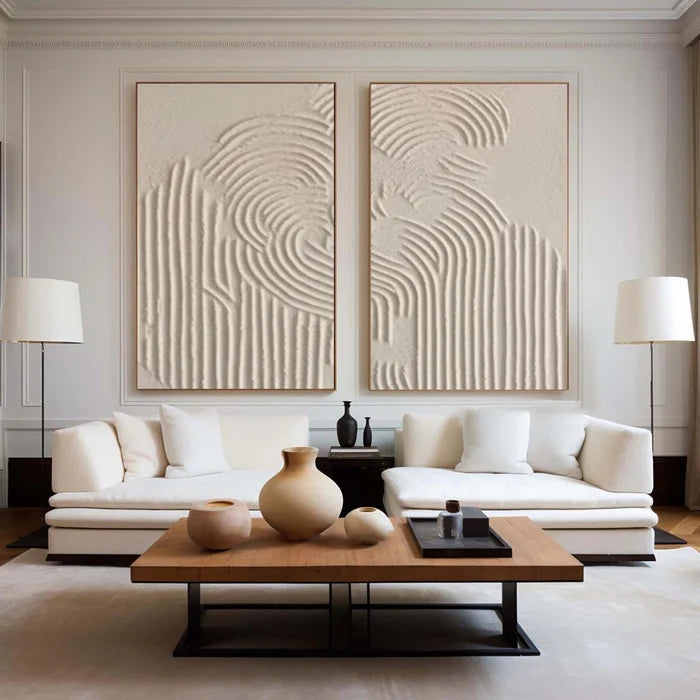
What Makes Wabi Sabi Artwork So Captivating?
Wabi sabi artwork draws its charm from the beauty of imperfection, transience, and authenticity. This Japanese-inspired art form transforms simplicity and natural decay into profound expressions that evoke peace and mindfulness. Whether through its muted colors or organic textures, wabi sabi art invites reflection, making it a perfect fit for modern interiors that prioritize serenity and emotional balance.
What Is Wabi Sabi Artwork and Its Philosophy?
Wabi sabi artwork is rooted in the Japanese philosophy of appreciating the beauty in imperfection and impermanence. It focuses on simplicity, authenticity, and the natural aging process rather than idealized perfection. This style often incorporates muted tones, organic shapes, and asymmetry to convey calmness and acceptance of life’s fleeting nature. Wabi sabi encourages mindfulness by embracing what is raw, unfinished, and weathered, symbolizing life’s natural rhythms.
The concept originates from Zen Buddhism, which promotes living in the present moment and accepting the transience of all things. In painting, wabi sabi is expressed through irregular textures, faded colors, and organic forms, all of which emphasize time’s passage and the inherent beauty found in imperfection.
How Did Wabi Sabi Art Emerge from Japanese Culture?
Wabi sabi art emerged in 15th-century Japan during the Muromachi period as a response to the opulence of Chinese aesthetics. It became closely tied to the tea ceremony, where simplicity, humility, and an appreciation for nature’s impermanence were central. Over time, wabi sabi principles spread across various art forms, including ceramics and painting, fostering a deep connection to nature and the acceptance of imperfection.
Zen monks used wabi sabi as a way to detach from material excess and embrace emotional quietness. This philosophical approach not only influenced artistic practices but also shaped how people lived, seeing beauty in simple, unrefined objects and experiences.
Why Does Wabi Sabi Artwork Resonate with Modern Minimalism?
Wabi sabi resonates with modern minimalism because both art forms prioritize simplicity, calmness, and authenticity. However, unlike minimalism, which often strives for controlled, clean lines and precision, wabi sabi celebrates the raw, irregular beauty of life’s imperfections. This fusion of simplicity and emotional depth makes wabi sabi appealing to those seeking a serene environment that reconnects them with nature.
Wabi sabi’s emphasis on authenticity and sustainability aligns well with current design trends that value eco-friendly materials and emotional resonance. Its earthy tones and textures provide a peaceful contrast to the hectic pace of modern life, making it a perfect addition to minimalist interiors.
Which Elements Define Wabi Sabi Artistic Style?
Wabi sabi art is characterized by several key elements, including the use of natural materials, muted color palettes, and a sense of asymmetry. Common features include weathered textures, earthy tones, intentional use of empty space, and visible brushstrokes that highlight the rawness of the medium. These elements together convey an unspoken beauty that invites contemplation.
| Key Element | Description | Effect |
|---|---|---|
| Natural Texture | Rough, handmade surfaces | Creates authenticity |
| Muted Palette | Earth tones, faded colors | Evokes tranquility and simplicity |
| Negative Space | Intentionally empty spaces | Encourages reflection and stillness |
| Imperfection | Irregularities or natural aging | Symbolizes the passage of time |
At Vinchy Art, these principles are woven into each abstract oil painting, creating works that blend the peacefulness of wabi sabi with modern abstract expression.
How Does Wabi Sabi Influence Abstract Oil Painting?
Wabi sabi has profoundly impacted abstract oil painting, shifting the focus from achieving perfection to capturing emotional depth and the passage of time. Artists use layered pigments, textured surfaces, and tonal variations to evoke the impermanence of nature and the quiet order found in life’s fleeting moments.
Vinchy Art draws inspiration from this approach, integrating organic forms and calming colors to create abstract works that are not just visually appealing but meditative. These paintings invite the viewer to slow down, reflect, and reconnect with a sense of inner peace, much like the wabi sabi philosophy itself.
What Techniques Bring Wabi Sabi Principles to Life?
To bring wabi sabi principles to life, artists often embrace spontaneous, intuitive techniques. These include uneven layering, dry brushing, fading washes, and the use of natural pigments. The focus is not on achieving perfect symmetry but on expressing the raw, emotional resonance of the moment. Every imperfection becomes an integral part of the artwork, adding authenticity and depth.
Common Wabi Sabi Painting Techniques
| Technique | Artistic Purpose | Result |
|---|---|---|
| Layering Thin Oils | Reflects impermanence | Depth and texture |
| Textural Buildup | Suggests emotional history | Raw, tactile finish |
| Muted Gradients | Evokes balance and harmony | Gentle visual flow |
| Erosion or Scraping | Symbolizes the passage of time | Organic irregularity |
These techniques make wabi sabi art not just a visual experience but a philosophical one, where every brushstroke speaks to nature’s impermanence.
Where Can Wabi Sabi Art Thrive in Modern Interiors?
Wabi sabi artwork thrives in spaces designed for mindfulness, warmth, and natural beauty. Ideal locations include minimalist living rooms, serene bedrooms, and meditation corners. The earthy tones and simple forms of wabi sabi blend seamlessly with natural materials like wood, linen, and ceramic, creating an atmosphere of tranquility.
Vinchy Art’s curated collection of abstract oil paintings captures this spirit, offering art pieces that transform any room into a sanctuary of peace and stillness.
Who Collects Wabi Sabi and Abstract Art Today?
Wabi sabi and abstract art appeal to collectors who value emotional depth over superficial perfection. These collectors include interior designers, wellness practitioners, and art lovers who seek harmony and balance rather than spectacle. As mindfulness and sustainability become central to modern living, wabi sabi’s influence continues to grow.
Vinchy Art caters to a diverse audience, from minimalists and architects to those interested in using art as a tool for emotional well-being and mindfulness.
Why Is Wabi Sabi Painting a Healing Form of Art?
Wabi sabi painting acts as a therapeutic form of art, promoting mindfulness and emotional balance. Its serene textures and natural forms help quiet the mind, fostering acceptance of life’s imperfections. By embracing impermanence, wabi sabi artwork offers a meditative space where viewers can experience inner peace.
Art therapists recognize wabi sabi-style paintings as valuable tools for self-reflection and emotional healing. At Vinchy Art, each piece is crafted with this purpose in mind, encouraging a moment of stillness and self-awareness.
Vinchy Art Expert Views
“At Vinchy Art, we believe wabi sabi is not just a style—it’s a state of mind. Our artists intentionally weave imperfection and stillness into every oil painting, allowing the viewer to feel peace within visual simplicity. Each brushstroke mirrors life’s natural rhythm—fluid, imperfect, and profoundly human.”
—Vinchy Art Collective, Shenzhen Studio, 2025
Are There Key Differences Between Wabi Sabi and Minimalism?
Yes, while both wabi sabi and minimalism share a love for simplicity, they differ in their treatment of imperfection. Wabi sabi celebrates irregularities, organic textures, and the beauty of aging, while minimalism focuses on controlled precision and clean lines. The essence of wabi sabi is poetic imperfection, whereas minimalism seeks perfection through restraint. This contrast has led to hybrid trends that merge the best of both worlds, as seen in Vinchy Art’s abstract collections.
Can Anyone Create Wabi Sabi-Inspired Art?
Absolutely! Anyone can create wabi sabi-inspired art by embracing imperfection and using natural materials. Begin with muted colors, allow the brush to move freely, and let irregularities guide the composition. The process is more important than precision—the goal is authenticity and mindfulness, which makes the art deeply personal and meditative.
Wabi sabi invites a reflective experience, turning every painting session into a moment of self-expression and acceptance.
Could Wabi Sabi Guide Future Art Trends?
Indeed, wabi sabi’s influence will continue to shape future art trends, as its emphasis on sustainability and emotional authenticity resonates with modern values. As society becomes more focused on wellness and ecological mindfulness, wabi sabi will remain a powerful guide, influencing design, architecture, and contemporary art. Expect to see more integration of natural textures, organic forms, and slow-crafted beauty in galleries and home décor.
Wabi sabi will evolve as a universal language for emotional balance, connecting the past with the present and inspiring future generations.
Conclusion
Wabi sabi artwork teaches us to find beauty in life’s fleeting imperfections. Its focus on simplicity, mindfulness, and natural rhythm offers a timeless antidote to the pressures of modern life. Through the work of artists like those at Vinchy Art, wabi sabi remains a relevant and healing force in contemporary art, transforming spaces and minds alike.
FAQs About Wabi Sabi Artwork
1. Is wabi sabi art only for minimalist interiors?
No, wabi sabi fits various design styles as long as the space values simplicity and authenticity.
2. What materials are best for wabi sabi painting?
Natural materials such as textured canvases, oil paints, and earthy pigments are ideal.
3. Can wabi sabi art be colorful?
Yes, but subtle, muted colors work best to capture the essence of time and imperfection.
4. Why is wabi sabi important today?
It promotes mindfulness and acceptance of imperfection, offering a peaceful retreat in a fast-paced world.