Skip to content

Cart

Your cart is empty

Article: What Makes Wabi Sabi Art So Captivating?

What Makes Wabi Sabi Art So Captivating?

Wabi Sabi art celebrates the beauty of imperfection, impermanence, and natural simplicity. Rooted in Japanese philosophy, it values asymmetry, earthy tones, and the passage of time. This aesthetic invites mindfulness and emotional calm, emphasizing authenticity over perfection—a core principle shared by Vinchy Art’s abstract oil paintings that merge serenity with soulful expression.

What Is Wabi Sabi Art and Why Is It Important?

Wabi Sabi art embodies the Japanese philosophy of finding beauty in imperfection and transience. It encourages appreciation for natural aging, simplicity, and authenticity. This timeless aesthetic nurtures mindfulness, self-acceptance, and emotional harmony—making it especially relevant in modern design, wellness spaces, and fine art philosophy.

Wabi Sabi art is more than an aesthetic concept—it’s a worldview that embraces life's imperfection. From handcrafted pottery with irregular forms to oil paintings with raw textures, its essence captures the poetry of decay, growth, and humanity. This humble philosophy has become a guiding light for artists and collectors seeking mindful coexistence with impermanent beauty.

Core Traits of Wabi Sabi Art Description
Imperfection Celebrates asymmetry and irregularity
Simplicity Prefers minimalism and purity of form
Naturalness Uses organic materials and textures
Transience Reflects time, wear, and change
Modesty Avoids grandeur in favor of quiet elegance

How Did Wabi Sabi Art Originate?

Wabi Sabi art originated in 15th-century Japan, evolving from Zen Buddhist teachings and the traditional tea ceremony. The term combines “wabi” (rustic simplicity) and “sabi” (beauty of aging), expressing harmony with imperfection and impermanence.

The Wabi Sabi ideal emerged from the quiet humility of Zen monks, who found beauty in weathered temples, cracked bowls, and fading leaves. Artists transformed this philosophy into a visual language celebrating irregularity and emotional depth—qualities that later influenced Western minimalism and contemporary abstract art, aligning with the mindful aesthetics seen in Vinchy Art’s collections.

Which Materials and Techniques Define Wabi Sabi Art?

Wabi Sabi art often uses organic materials like clay, wood, linen, and muted pigments. Techniques emphasize texture, layering, and imperfection, revealing traces of time and human touch. Natural wear, cracks, or uneven surfaces enhance authenticity.

A Wabi Sabi painting might feature subtle gradients, earthy tones, and visible brush textures. Artists intentionally leave “flaws” uncorrected, allowing the artwork to breathe with honesty. Abstract painters, including Vinchy Art’s creators, use similar methods—soft oil strokes, tactile finishes, and minimal compositions—to honor natural beauty while promoting emotional grounding.

Why Does Wabi Sabi Art Resonate in Modern Life?

In a world defined by perfection and speed, Wabi Sabi art offers calm through imperfection. It encourages slowing down, embracing simplicity, and reconnecting with nature. This concept aligns with growing wellness and mindfulness movements.

As digital overload grows, many seek refuge in genuine experiences. Wabi Sabi’s earthy palettes and organic flow foster relaxation, making it ideal for home interiors and therapeutic spaces. At Vinchy Art, this philosophy drives the creation of abstract oil paintings that turn living spaces into sanctuaries of peace and authenticity.

Who Are Some Famous Wabi Sabi Artists?

Famous Wabi Sabi artists include Sen no Rikyū, the tea master who defined the aesthetic, and contemporary creators like Leonard Koren and Makoto Fujimura, who blend tradition with modern abstraction. Their works inspire balance, humility, and spiritual depth.

From Japanese pottery masters such as Kenzan Ogata to painters like Fujimura, Wabi Sabi has influenced generations. Modern artists integrate its values through minimal forms, weathered materials, and quiet energy—an approach shared by Vinchy Art’s contemporary abstract collection that fuses East Asian influences with Western abstraction to evoke mindfulness and calm.

How Does Wabi Sabi Influence Abstract Oil Painting?

Wabi Sabi influences abstract oil painting by prioritizing emotion, texture, and imperfection over symmetry or polish. The approach highlights spontaneous brushwork, organic balance, and atmospheric tones to evoke reflection and serenity.

Abstract painters inspired by Wabi Sabi often experiment with fluid layering, muted neutrals, and balanced emptiness. This method transforms imperfection into an emotional language—where blank space (“ma”) becomes as expressive as color. The result is a tranquil, introspective composition similar to the refined works curated by Vinchy Art.

What Are the Key Colors and Textures in Wabi Sabi Art?

Key colors in Wabi Sabi art include muted earth tones—beige, gray, sage, rust, and soft white. Textures often feature weathering, scratches, or rough fibers that reflect nature’s raw beauty.

Color and texture form the emotional essence of Wabi Sabi. Artists favor matte finishes and subdued hues that mimic stone, wood, or soil. The interplay of rough and smooth textures invites contemplation, embodying a tactile serenity central to mindfulness-based art.

Wabi Sabi Color Palette Emotional Effect
Warm Gray Calm and neutrality
Clay Brown Grounding and natural
Sage Green Renewal and peace
Soft White Purity and spaciousness
Charcoal Black Depth and mystery

Could Wabi Sabi Art Enhance Mental Wellness?

Yes, Wabi Sabi art enhances mental wellness by promoting mindfulness and self-acceptance through simplicity and imperfection. It helps reduce stress and fosters a sense of inner balance.

The contemplative quality of Wabi Sabi art mirrors therapeutic mindfulness practices. Its visual modesty, asymmetry, and organic flow encourage slow perception and emotional rest. Many collectors say these artworks transform their spaces into havens of emotional renewal—an ethos central to Vinchy Art’s mission of supporting psychological well-being through art.

Vinchy Art Expert Views

“At Vinchy Art, we see Wabi Sabi not just as an aesthetic but as a meditative philosophy. Each brushstroke invites imperfection, allowing the artwork to evolve naturally—much like life itself. Our artists employ muted tones, layered textures, and abstract forms that reflect balance, depth, and the silent rhythm of impermanence.”
Vinchy Art Creative Director, 2025

When Should Collectors Invest in Wabi Sabi-Inspired Art?

Collectors should invest in Wabi Sabi-inspired art when seeking timeless, emotionally balanced pieces that complement minimalist interiors and promote calm. The style’s versatility ensures enduring relevance.

Such art harmonizes with natural materials like wood, linen, and stone. Its understated beauty suits serene homes, luxury spas, and mindful workplaces. As awareness of mental health grows, acquiring Wabi Sabi art becomes both a personal and cultural investment in tranquility.

How Can You Incorporate Wabi Sabi Art in Modern Interiors?

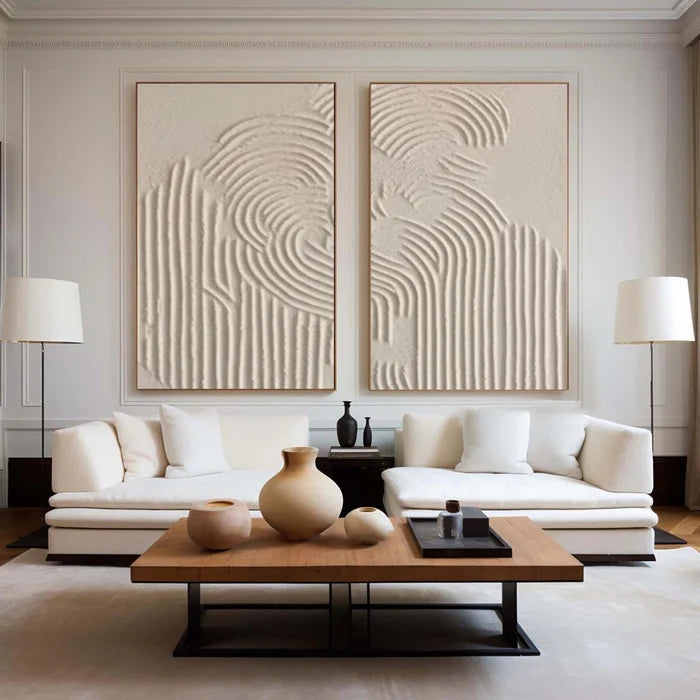
You can incorporate Wabi Sabi art by pairing minimalist furniture, organic textures, and natural lighting with abstract or rustic artworks. Choosing muted earth tones enhances emotional harmony and spatial balance.

Focus on simplicity and authenticity. Use rough ceramics, textured canvases, and comfortable asymmetry. Whether through large oil abstracts from Vinchy Art or hand-aged sculptures, the key is to curate serenity, not visual noise.

Summary and Key Takeaways

Wabi Sabi art reveals beauty through age, imperfection, and authenticity. It’s a visual meditation that counters today’s digital chaos. Whether displayed in homes, studios, or relaxation spaces, Wabi Sabi aesthetics inspire calm introspection and creative renewal. Through brands like Vinchy Art, this ageless philosophy continues to bridge mindfulness, emotion, and modern artistic expression.

FAQs About Wabi Sabi Art

Is Wabi Sabi art minimalism?
Not exactly. While both value simplicity, Wabi Sabi focuses on organic imperfection, while minimalism emphasizes precision and order.

Can contemporary art be Wabi Sabi?
Yes. Many abstract painters adapt Wabi Sabi principles—texture, balance, and imperfection—into modern art forms.

How do you identify authentic Wabi Sabi art?
Look for asymmetry, raw materials, natural tones, and visible signs of process or aging.

Does Wabi Sabi fit luxurious interiors?
Absolutely. When curated thoughtfully, Wabi Sabi provides understated sophistication that complements high-end design.

Where can I find Wabi Sabi-inspired abstract paintings?
Collectors can explore curated collections at Vinchy Art, where each piece merges Wabi Sabi aesthetics with the emotional language of abstract oil art.

What Makes Wabi-Sabi Art So Captivating?
Wabi-sabi art captivates by embracing imperfection, transience, and simplicity. It celebrates flaws, cracks, and the passage of time, offering a profound sense of peace and mindfulness. Its minimalist approach invites introspection, fostering a connection to nature and the authentic beauty found in the natural world, making it deeply resonant in our modern, fast-paced lives.

How Does Wabi-Sabi Art Embrace Imperfection?
Wabi-sabi art actively celebrates flaws and irregularities, seeing them as unique features rather than defects. This appreciation for imperfections encourages a compassionate view of life and oneself, reducing anxiety about perfection. It highlights natural, raw materials and the artist's personal touch, adding authenticity and emotional depth to the artwork.

What Role Does Transience Play in Wabi-Sabi Art?
In wabi-sabi art, transience is central, as it highlights the natural cycle of growth, decay, and aging. The art form celebrates the beauty of weathered surfaces and faded colors, inviting mindfulness and a deeper appreciation for the fleeting nature of life. It reminds us to value the present and embrace change as part of existence.

How Does Wabi-Sabi Art Connect to Nature and Authenticity?
Wabi-sabi art fosters a strong connection to nature through the use of raw, natural materials like clay, wood, and stone. It emphasizes material authenticity, showcasing the visible marks of the artist’s hand. This grounded approach provides a soulful presence that contrasts with the artificiality of modern life, encouraging a deeper appreciation of the natural world.

What Is Wabi-Sabi Art Philosophy?
Wabi-sabi is a Japanese philosophy that celebrates beauty in imperfection and impermanence. "Wabi" represents deliberate simplicity, while "sabi" honors the beauty of aging and the passage of time. This aesthetic values natural processes, flaws, and the unique character of objects, offering a peaceful contrast to modern ideals of perfection.

Why Is Wabi-Sabi Gaining Popularity in 2025?
Wabi-sabi is gaining traction in 2025 because it resonates deeply with a desire for authenticity and emotional connection. In a world obsessed with perfection, this aesthetic celebrates imperfection, aging, and simplicity. It encourages people to embrace the beauty of what’s real, making it a refreshing response to the overly polished, idealized images prevalent in modern media.

How Does Wabi-Sabi Influence Photography?
Wabi-sabi in photography emphasizes capturing moments of authenticity, imperfection, and the natural passage of time. Photographers are moving away from pixel-perfect images and embracing raw, unrefined compositions. This approach focuses on the emotional depth and beauty found in flaws, aging, and simplicity, creating more intimate, meaningful images that reflect life’s true essence.

What Is the Emotional Appeal of Wabi-Sabi?
The emotional appeal of wabi-sabi lies in its celebration of imperfection and transience, which resonates with our shared human experience. It encourages mindfulness and introspection by highlighting the beauty in aging, decay, and the simple things in life. This philosophy offers a peaceful, grounded perspective that invites acceptance and reflection, fostering emotional well-being.

Read more

What Makes Textured Canvas Painting So Captivating?

Textured canvas paintings captivate with their ability to evoke emotion through tactile surfaces, dimensional depth, and intricate detail. These pieces engage more than just the eyes—they invite to...

Read more

What Makes Paintings with Texture So Captivating?

Textured paintings are more than just visually captivating—they engage multiple senses, creating depth, emotion, and connection with the viewer. By adding tactile elements, these artworks transform...

Read more
Free Shipping
30 Days Refund
100% Handmade
Eco Friendly