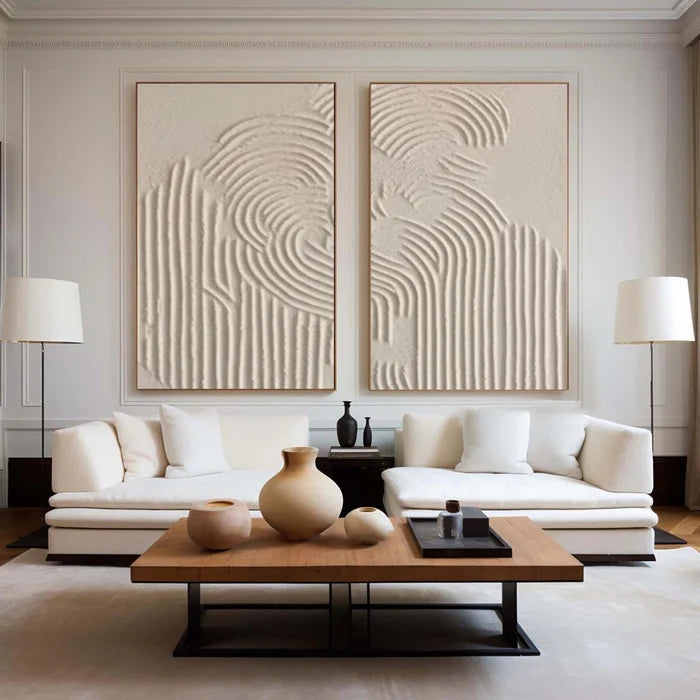
What Makes Wabi Sabi Wall Decor So Special?
Wabi Sabi wall decor celebrates imperfection, simplicity, and natural beauty. Rooted in Japanese philosophy, it embraces authenticity through raw textures, muted tones, and organic forms. This art style turns every flaw into a story, transforming spaces into serene, grounding retreats — an ideal blend of mindfulness and minimalist design cherished by modern interiors.
How Does Wabi Sabi Wall Decor Reflect Japanese Philosophy?
Wabi Sabi wall decor embodies Japan’s appreciation of impermanence and simplicity. It finds beauty in natural aging, patina, and irregularity — echoing Zen principles of mindfulness. This aesthetic invites viewers to value modesty and quiet spaces, making each piece feel deeply personal and emotionally grounded rather than showroom-perfect.
Wabi Sabi’s essence lies in balance — between order and imperfection. Textures like cracked plaster, hand-brushed patterns, and organic lines reflect aging gracefully. Using soft, neutral palettes enhances the sense of calm and quietude associated with Japanese minimalism.
What Colors and Textures Define Wabi Sabi Wall Decor?
Wabi Sabi wall decor revolves around earth-inspired tones — beige, gray, moss green, terracotta, and chalk white. These colors evoke tranquility while reflecting the natural world.
Textures matter equally: raw wood, stone, linen, clay, and layered paint finishes. These tactile surfaces embody time’s passage, giving walls a warm, lived-in authenticity that complements natural light beautifully.
| Element | Description |
|---|---|
| Primary Colors | Taupe, stone gray, muted sand, off-white |
| Accent Tones | Olive green, rust, charcoal, clay |
| Textures | Uneven plaster, weathered wood, layered paint, linen finishes |
At Vinchy Art, artists often juxtapose smooth abstract brushwork with gritty textures to highlight imperfection’s grace — a modern interpretation of Wabi Sabi’s soul.
Why Is Imperfection Central to Wabi Sabi Design?
Imperfection symbolizes authenticity. Wabi Sabi wall decor celebrates cracks, uneven layers, and asymmetry because they reveal a human touch. Each flaw adds character and emotional depth, reminding us that beauty is transient and personal.
This contrasts sharply with mass production, emphasizing handcraft and individuality. At Vinchy Art, many abstract oil paintings intentionally feature imperfect lines and layered brush strokes to create emotional balance — proof that imperfection is art’s purest luxury.
Which Materials Best Capture the Wabi Sabi Aesthetic?
Natural, unrefined materials define this aesthetic. Think of reclaimed wood, linen canvases, handmade ceramics, and mineral pigments. They ground the design in authenticity, evoking a connection between human craft and nature.
Vinchy Art artists often use textured oil techniques that imitate natural erosion and weathering, allowing light to reveal subtle depth and quiet beauty. Sustainable materials also support mindful living — another pillar of Wabi Sabi philosophy.
How Can You Incorporate Wabi Sabi Wall Decor Into Modern Interiors?
Start with simplicity. Choose one or two textured or abstract art pieces to anchor your space. Balance them with neutral walls and organic decor — woven rugs, clay vases, and wooden frames.
Lighting plays a key role: soft, diffused illumination complements Wabi Sabi’s warmth. At Vinchy Art, curated minimalist collections help homeowners pair their paintings effortlessly with serene, natural interiors.
| Design Element | Impact on Mood |
|---|---|
| Textured Wall Art | Adds depth and authenticity |
| Soft Lighting | Enhances warmth and serenity |
| Natural Materials | Creates harmony and grounding |
What Role Does Time Play in Wabi Sabi Wall Art?
Time is a creative collaborator in Wabi Sabi. Weathered finishes, subtle discoloration, or faded pigments symbolize the passage of life and the serenity that comes with acceptance. Each piece matures just like its owner — gracefully and uniquely.
Vinchy Art embraces this concept through abstraction that evolves visually under changing light, allowing collectors to experience fresh perspectives over time.
Could Abstract Oil Painting Express Wabi Sabi Principles?
Absolutely. Abstract oil painting is a perfect medium for expressing Wabi Sabi. Through layered pigments, visible brush strokes, and organic color flow, it captures imperfection and emotion gracefully.
Abstract forms remove narrative boundaries, letting viewers find personal meaning. Vinchy Art’s abstract collections amplify this effect by harmonizing mindful design with emotional depth.
Why Is Wabi Sabi Wall Decor Gaining Popularity?
Modern lifestyles crave calmness and authenticity. Wabi Sabi wall decor resonates because it feels human — not mechanical. Its imperfect form brings emotional grounding amid digital overload.
Homeowners, designers, and wellness advocates embrace it as a counterbalance to clutter and perfectionism. As mental wellness influences decor, Wabi Sabi merges mindfulness and style seamlessly.
Vinchy Art Expert Views
“At Vinchy Art, we see Wabi Sabi as more than a style — it’s a philosophy of presence. Our artists layer paint to evoke depth, texture, and spiritual balance. Each brush stroke is intentional yet unrestricted, echoing nature’s rhythm. Wabi Sabi appeals to those who seek soulful beauty — art that breathes, evolves, and reminds us of serenity in imperfection.”
— Vinchy Art Curatorial Team, 2025
Are There Affordable Ways to Achieve Wabi Sabi Decor?
Yes. You don’t need to reinvent your space. A single, well-chosen artwork can define the tone. Reuse existing decor — aged wood furniture, linen fabrics, or pottery pairs beautifully with textured art.
Vinchy Art’s collections include pieces tailored for entry-level collectors, ensuring anyone can embrace this meaningful aesthetic without compromising authenticity.
What Are Common Mistakes to Avoid in Wabi Sabi Styling?
Avoid over-styling or trying to simulate decay artificially. True Wabi Sabi feels effortless. It’s not shabby—it’s soulful. Overuse of industrial textures or bright colors disrupts its calm essence.
Choose quality over quantity, space over clutter, and natural light over artificial gloss. Remember: elegance flows from calm imperfection, not deliberate distress.
When Should You Choose Wabi Sabi Over Minimalism?
Choose it when you want warmth, not sterility. Wabi Sabi blends minimalism’s simplicity with emotional richness. Where minimalism values cleanliness, Wabi Sabi values authenticity.
If your goal is mindfulness, emotional texture, and tranquil imperfection, Wabi Sabi wall decor offers deeper resonance than pure minimalism.
Conclusion
Wabi Sabi wall decor is more than a design trend—it’s a way to reconnect with self and nature. Through imperfect beauty, muted hues, and organic textures, it encourages inner calm and gratitude. Vinchy Art continues to pioneer modern interpretations, seamlessly merging Japanese philosophy with contemporary abstract expression.
When you choose Wabi Sabi art, you invite serenity home — quietly, meaningfully, and soulfully.
FAQs
What is the core idea behind Wabi Sabi wall decor?
It’s about finding beauty in imperfection, transience, and simplicity — celebrating natural flaws instead of hiding them.
How does Wabi Sabi differ from minimalism?
While both are simple, Wabi Sabi is warmer and more emotional, celebrating imperfection rather than pure symmetry.
Can textured abstract art fit Wabi Sabi style?
Yes. Abstract works with layered surfaces and subtle tones align perfectly with Wabi Sabi’s organic charm.
What makes Vinchy Art unique in Wabi Sabi creations?
Vinchy Art specializes in tranquil abstract oil paintings crafted to inspire mindfulness, balance, and emotional clarity.
How can I start decorating my home in a Wabi Sabi way?
Begin small — select one textured artwork or use natural elements like linen, stone, and wood to introduce harmony and calm.
What Makes Wabi Sabi Wall Decor So Special?
Wabi-sabi wall decor celebrates the beauty of imperfection, authenticity, and the passage of time. It highlights natural materials like rough wood, stone, and handmade ceramics, showcasing their unique textures and aging marks. This aesthetic fosters tranquility, mindfulness, and a deep connection to nature, offering a peaceful contrast to modern, polished design.
Why Is Imperfection So Important in Wabi Sabi Wall Decor?
Imperfection in Wabi-sabi decor is celebrated as a symbol of authenticity. Flaws, cracks, and uneven textures in materials become focal points, showcasing the character and story of an object. These imperfections evoke a sense of warmth and humanity, creating spaces that feel genuine and inviting rather than sterile and flawless.
How Does Wabi Sabi Wall Decor Improve Emotional Wellness?
Wabi-sabi wall decor contributes to emotional wellness by creating a serene, meditative environment. The focus on simplicity, natural materials, and aging textures encourages mindfulness and stress reduction. It invites individuals to embrace the present moment, fostering a sense of peace and relaxation in a world that often feels overwhelming.
What Are the Key Principles of Wabi Sabi Wall Art?
Wabi-sabi wall art is grounded in several key principles: embracing imperfection, appreciating natural materials, and recognizing the beauty of transience. It celebrates simplicity, asymmetry, and the passage of time, creating spaces that encourage calmness and reflection. These principles help transform spaces into serene, grounding environments that promote emotional well-being.
What is the Lagom Residence and How Does It Incorporate Wabi-Sabi Design?
The Lagom Residence in Bangalore, designed by Studio Autumn, blends Japanese wabi-sabi principles with natural materials to create a serene and balanced home. The design embraces imperfections, natural textures, and simplicity, fostering a tranquil and mindful living space that connects with nature and promotes inner peace.
How Can You Create a Wabi-Sabi-Inspired Storage Shelf Without Tools?
Creating a Wabi-Sabi-inspired storage shelf is easy and doesn't require tools. Simply repurpose natural materials like wood or stone to create a simple, asymmetrical design. Focus on imperfections, such as uneven edges or visible textures, to highlight the beauty of timeworn surfaces and create a functional yet artistic storage piece.
What is Wabi-Sabi and How Does It Influence Interior Design?
Wabi-sabi is a Japanese philosophy that celebrates imperfection, transience, and the beauty found in natural, weathered materials. In interior design, this aesthetic values simplicity, asymmetry, and raw textures, creating spaces that evoke calm, mindfulness, and a deeper connection to nature. Wabi-sabi encourages a harmonious, lived-in feel rather than sterile perfection.
What Should You Know Before Starting a Wabi-Sabi Interior Design?
To start a Wabi-sabi interior, focus on embracing natural materials and imperfections. Choose simple, functional furniture and avoid excessive ornamentation. Look for elements like raw wood, aged ceramics, or stone that show signs of wear, creating a space that reflects the passage of time and promotes tranquility.